Yes, while almost all jellyfish possess some level of toxicity through their stinging cells, the clinical impact on humans ranges from mild skin irritation to life-threatening systemic reactions. Whether a jellyfish is dangerous depends on the species, the concentration of its venom, and the individual's physiological response to the toxins injected upon contact.
The Mechanism of Jellyfish Stings
To understand why jellyfish are a concern for swimmers, it is essential to understand the biological mechanism of their defense system. Jellyfish belong to the phylum Cnidaria, a group that also includes sea anemones and corals. Their primary tool for hunting and defense is the nematocyst—a specialized, microscopic stinging organelle located within cells called cnidocytes.
These nematocysts are essentially pressurized, spring-loaded capsules. When a human limb or skin surface brushes against a jellyfish tentacle, mechanical and chemical triggers cause the internal pressure to release a harpoon-like filament. This filament pierces the skin and injects complex protein-based toxins directly into the victim's tissues.
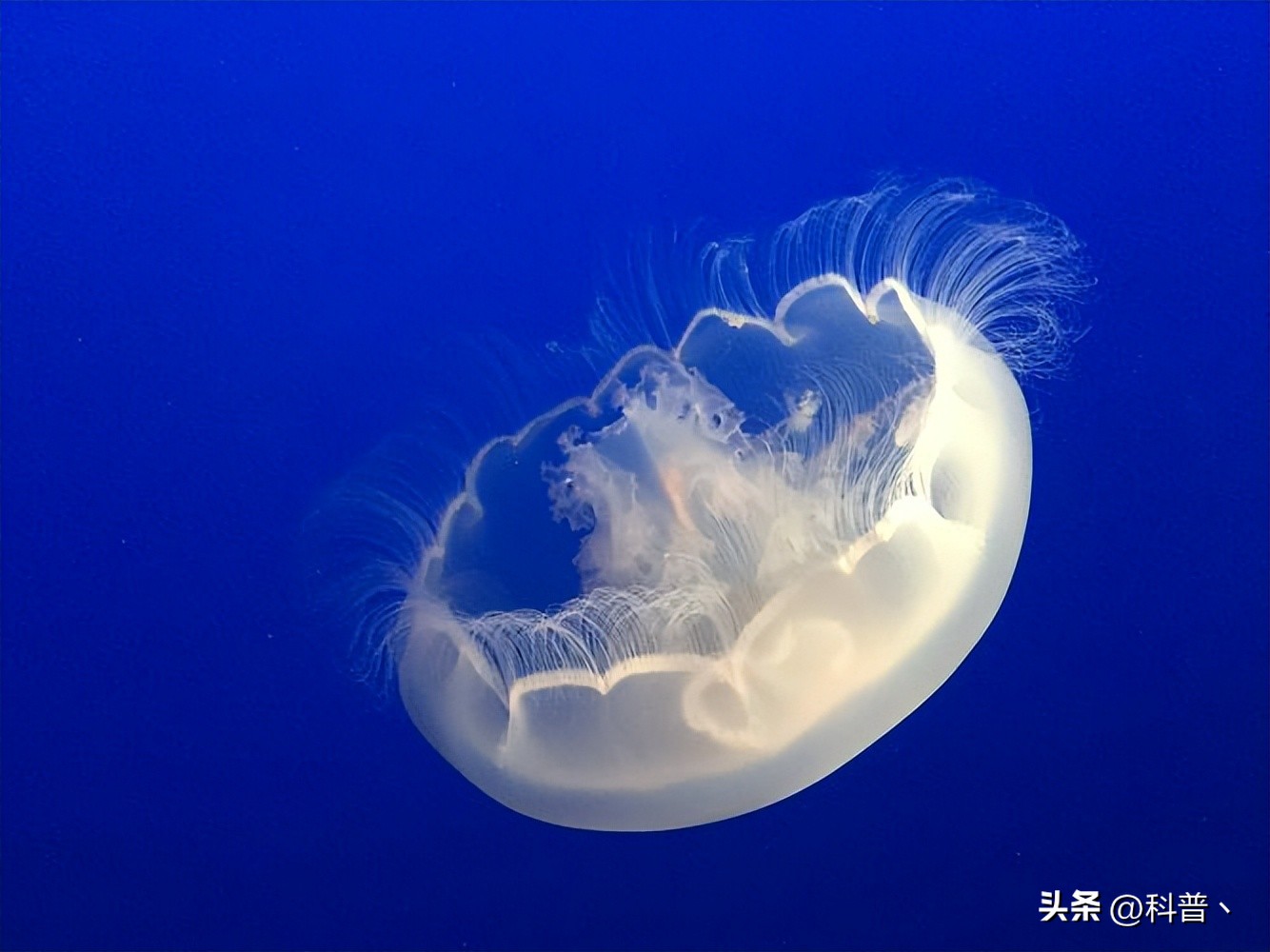
It is a common misconception that jellyfish are "poisonous." In biological terms, they are venomous. A poison is something that must be ingested, inhaled, or absorbed to cause harm, whereas venom must be injected, typically through a puncture wound or sting. The intensity of this venom varies wildly between species. For many common jellyfish, such as the Moon Jellyfish (Aurelia aurita), the nematocysts are too weak to penetrate thick human skin, leading to little more than a mild sensation of tingling or no reaction at all. Conversely, species like the Australian Box Jellyfish (Chironex fleckeri) possess toxins that can induce cardiac arrest in humans within minutes.
Categorizing Risk by Species and Geography
Evaluating the risk of a jellyfish encounter requires an understanding of regional biodiversity. Not every coastline hosts lethal species, and "jellyfish season" is often a predictable period linked to water temperatures and reproductive cycles.
High-Risk Species
- Box Jellyfish (Class Cubozoa): Often considered the most venomous marine animals, these species—particularly Chironex fleckeri and Carukia barnesi—are predominantly found in the coastal waters of Northern Australia and throughout the Indo-Pacific. Their venom contains a complex cocktail of neurotoxins, cardiotoxins, and dermatonecrotic toxins.
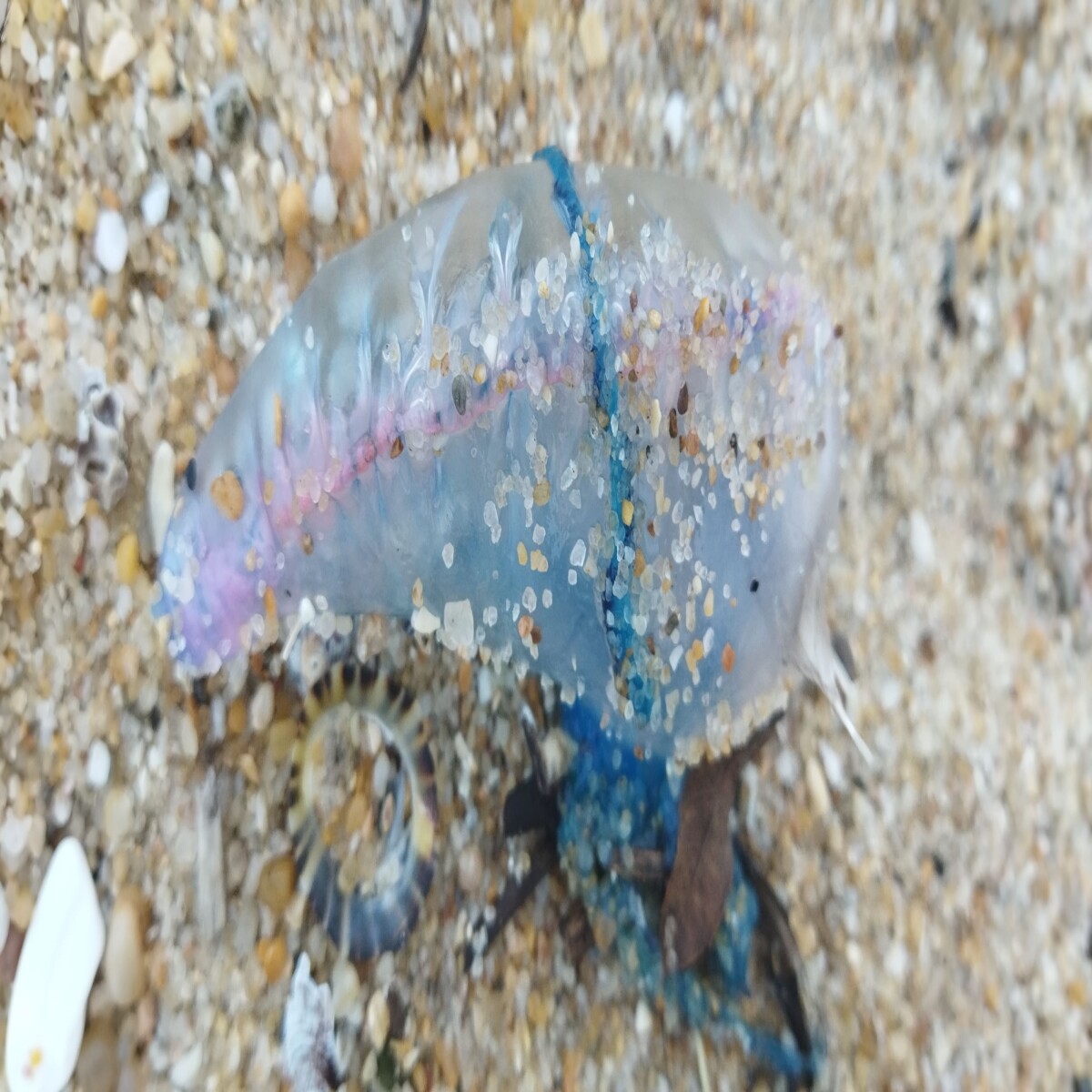
- Portuguese Man o' War (Physalia physalis): While technically a siphonophore (a colony of organisms) rather than a true jellyfish, it is frequently grouped with them. Found in tropical and subtropical waters worldwide, their long tentacles can deliver an excruciatingly painful sting that leaves whip-like, red welts on the skin.
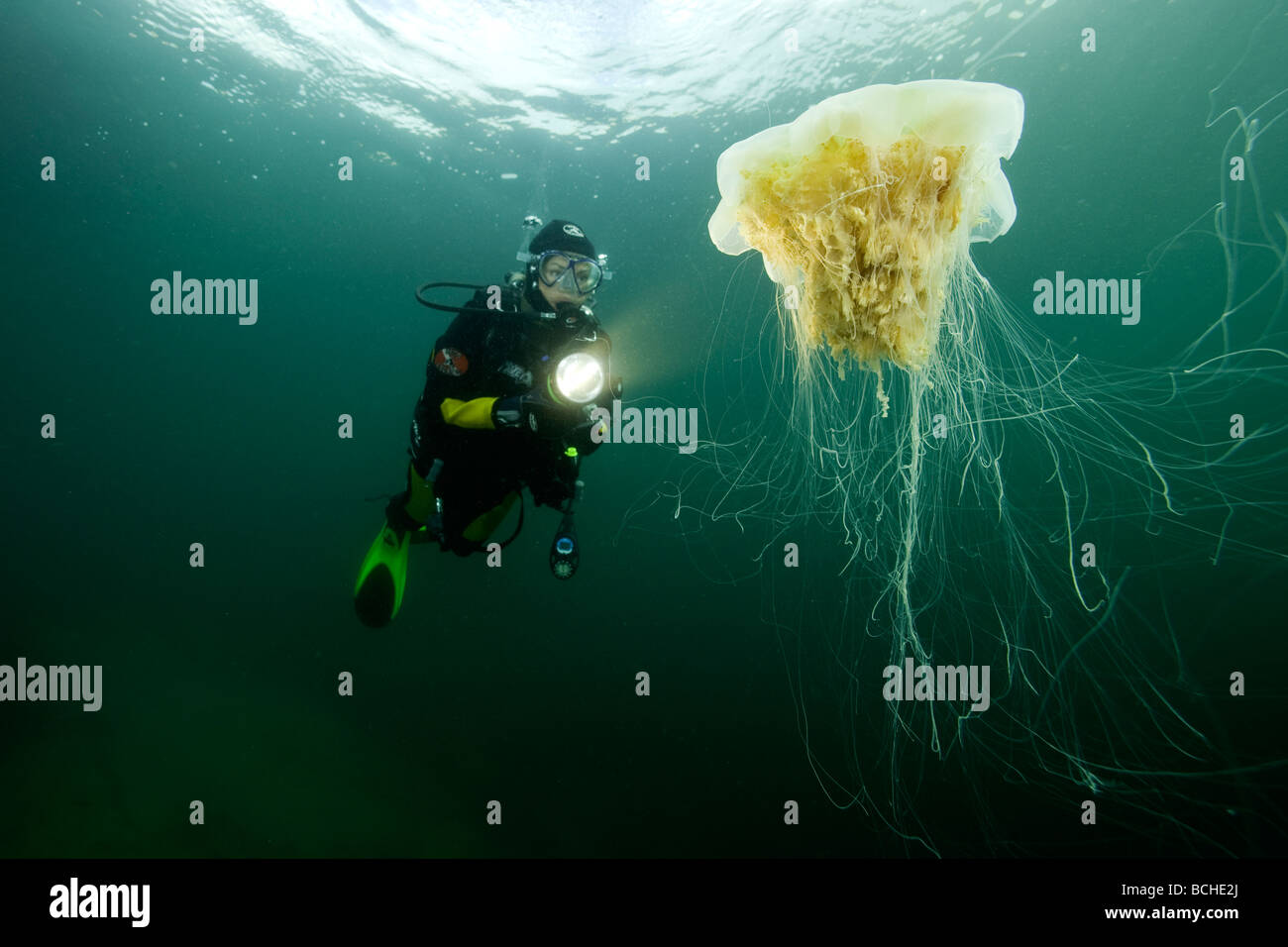
- Lion’s Mane Jellyfish (Cyanea capillata): Common in colder northern waters, including the North Atlantic and Pacific, these massive jellies can reach significant sizes. While rarely fatal to healthy adults, their stings can cause severe allergic reactions and localized pain.
Low-Risk Species
- Moon Jellyfish: These translucent, saucer-shaped creatures are ubiquitous globally. Their stings are generally harmless to humans, though individuals with highly sensitive skin may experience minor contact dermatitis.
- Crystal Jelly (Aequorea victoria): Often studied for their bioluminescence, these jellyfish possess a very mild sting that is virtually imperceptible to the average human.
Clinical Impact and Severity
When a sting occurs, the human body reacts to the introduction of foreign proteins. The severity of the reaction is determined by the total surface area of the sting, the sensitivity of the victim, and the specific composition of the venom.
Localized Reactions Most jellyfish stings result in immediate pain, burning, or itching. Visible signs include redness, swelling, and the appearance of raised welts or patterns that mimic the contact points of the tentacles. In most cases, these symptoms subside within a few hours to a few days, provided the area is treated correctly and not further irritated.
Systemic Reactions In more severe cases, or with particularly potent species, the venom can enter the bloodstream. This can trigger a systemic reaction, which may include nausea, vomiting, headaches, muscle spasms, and difficulty breathing. In rare instances of high-level envenomation (often associated with box jellyfish), the victim may suffer from cardiovascular collapse, leading to cardiac arrest.
Anaphylactic Shock Regardless of the jellyfish species, there is always a risk of an allergic reaction. Much like a bee sting, an individual can have an extreme, life-threatening allergic response (anaphylaxis) to the proteins in the venom. This is a medical emergency that requires immediate intervention with epinephrine and professional medical care.
Standardized Comparison of Common Jellyfish Threats
| Species | Primary Habitat | Sting Severity | Medical Risk |
|---|---|---|---|
| Moon Jelly | Global | Minimal | Negligible |
| Lion's Mane | Northern Waters | Moderate/High | Pain, potential allergy |
| Man o' War | Tropical/Subtropical | High | Intense pain, shock |
| Box Jellyfish | Indo-Pacific | Extreme | Life-threatening (cardiac) |
Immediate First Aid and Triage
If you suspect a jellyfish sting, the primary goal is to prevent further discharge of unfired nematocysts and to manage the pain. Misinformation regarding treatment—such as the "urine treatment"—can actually exacerbate the situation by changing the osmotic pressure and causing more venom to discharge.
- Exit the Water Safely: Calmly exit the water to prevent further contact.
- Rinse with Seawater: Use seawater to rinse the area. Do not use freshwater, as the osmotic change can trigger undischarged nematocysts to fire.
- Remove Tentacles: Use tweezers or a gloved hand to carefully remove any remaining tentacles. Do not rub the area with a towel or sand, as this can force more toxins into the skin.
- Heat Application: For many species, immersing the affected area in hot water (ideally 42–45°C or 108–113°F) for 20 to 40 minutes helps to denature the protein-based venom and significantly reduce pain.
- Seek Professional Help: If the sting covers a large area of the body, if the victim is a child or elderly, or if there is any sign of systemic distress (difficulty breathing, confusion, nausea), seek emergency medical services immediately.
Understanding Your Personal Vulnerability
The biological response to a sting is often idiosyncratic. Individuals with pre-existing skin conditions, such as eczema or psoriasis, may experience higher levels of discomfort. Furthermore, individuals with known allergies to other stings, such as Hymenoptera (bees and wasps), should exercise extreme caution, as there can sometimes be cross-reactivity between different animal proteins.
During the 2026 season, local beach patrols and lifeguards are the most reliable source of information regarding current jellyfish activity. Always observe signage at public beaches. If flags are posted indicating the presence of dangerous marine life, do not enter the water. Protective gear, such as "stinger suits" or full-body lycra rash guards, provides a highly effective physical barrier against the majority of jellyfish tentacles.
Frequently Asked Questions
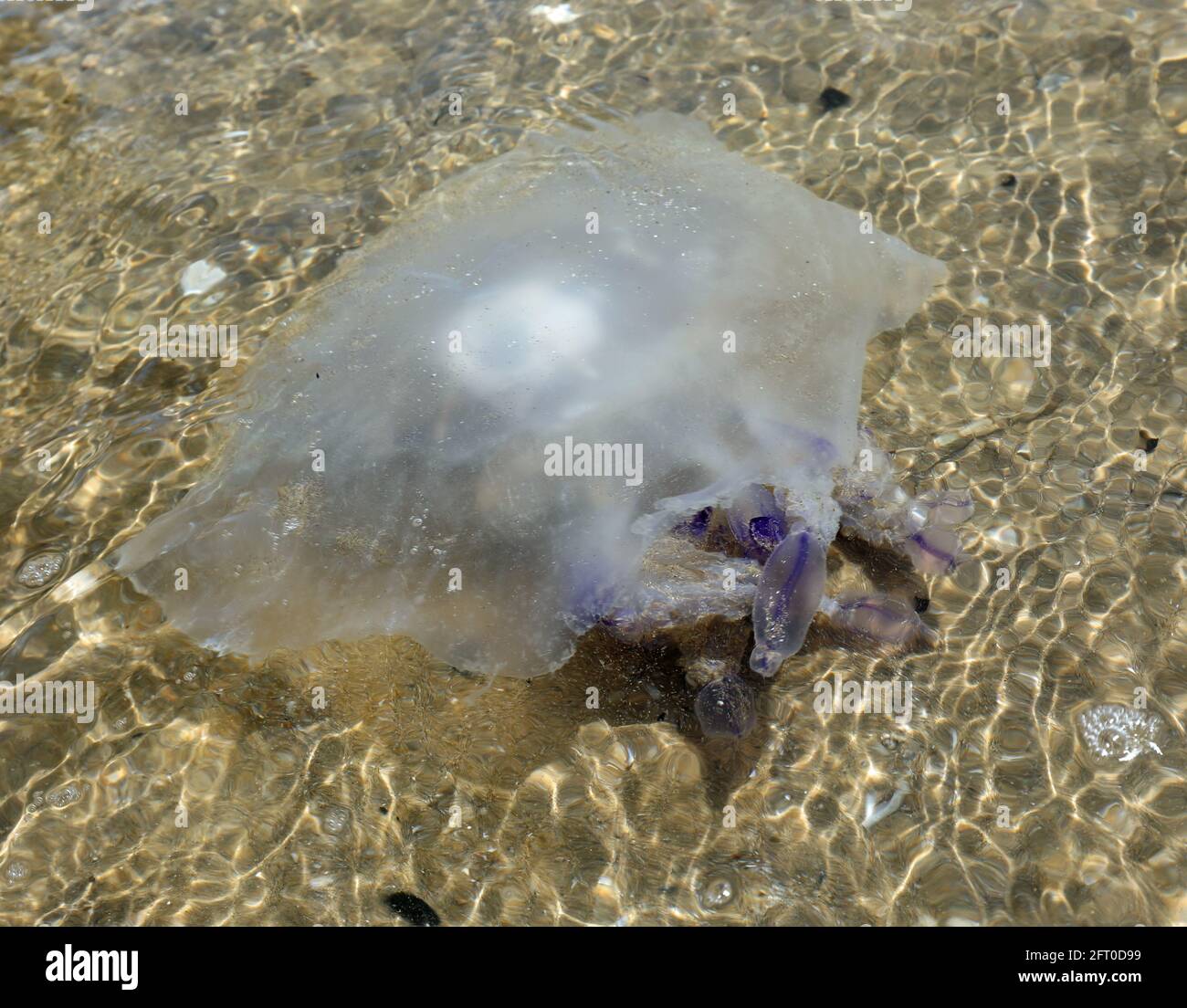
Can I get stung by a jellyfish that has washed up on the beach? Yes. Even if a jellyfish appears dead or has been dried out by the sun, the nematocysts remain functional and can still fire upon contact with skin. Never touch or attempt to pick up a beached jellyfish.
Does vinegar stop all jellyfish stings? No. While vinegar is highly effective for some species—notably the box jellyfish—it can actually cause more venom discharge in other species, such as the Portuguese Man o' War. Unless you are in a specific region where lifeguards explicitly recommend vinegar, stick to rinsing with seawater and applying heat.
Are there long-term health effects from a severe jellyfish sting? In most cases, the skin heals fully. However, severe stings can lead to localized skin necrosis (death of tissue), scarring, or post-inflammatory hyperpigmentation. In rare cases, some victims report localized sensory changes or chronic pain, though these are uncommon.
How do I know if I am having an anaphylactic reaction? Signs of anaphylaxis include swelling of the throat or tongue, difficulty breathing, a rapid or weak pulse, dizziness, or loss of consciousness. If these symptoms occur, it is a medical emergency; use an epinephrine auto-injector if available and call for an ambulance immediately.
Should I wear protective clothing to avoid stings? Yes. A full-body swimsuit, stinger suit, or wetsuit provides an effective physical barrier between your skin and the jellyfish tentacles. Since the nematocysts require mechanical pressure to trigger, a thin layer of fabric is often sufficient to prevent the sting from reaching your skin.
Recommendation for Coastal Safety
When visiting unfamiliar coastal regions, prioritize safety by researching local marine hazards before entering the water. In areas known for venomous jellyfish, the best practice is to wear a protective suit and follow local guidance regarding water access. Always carry a basic first-aid kit, and ensure that those you are swimming with know the signs of severe envenomation. When in doubt regarding the severity of a reaction, treat it as a medical emergency and prioritize professional evaluation at a hospital or clinic.