Transforming a dedicated space into a home stadium requires a blend of personal passion, structural planning, and thematic consistency. The goal is to curate an environment that honors your favorite teams and sporting traditions while maintaining the functional requirements of a comfortable living area. By balancing visual impact with spatial utility, you can create an immersive environment that enhances your viewing experience and serves as a personalized sanctuary for game day.
Establishing Your Thematic Foundation
Before acquiring memorabilia or installing lighting, you must decide on the scope of your project. The most successful man caves avoid clutter by adhering to a cohesive vision. You should first determine if your space will focus on a single team, a single sport, or a general celebration of athletic history.
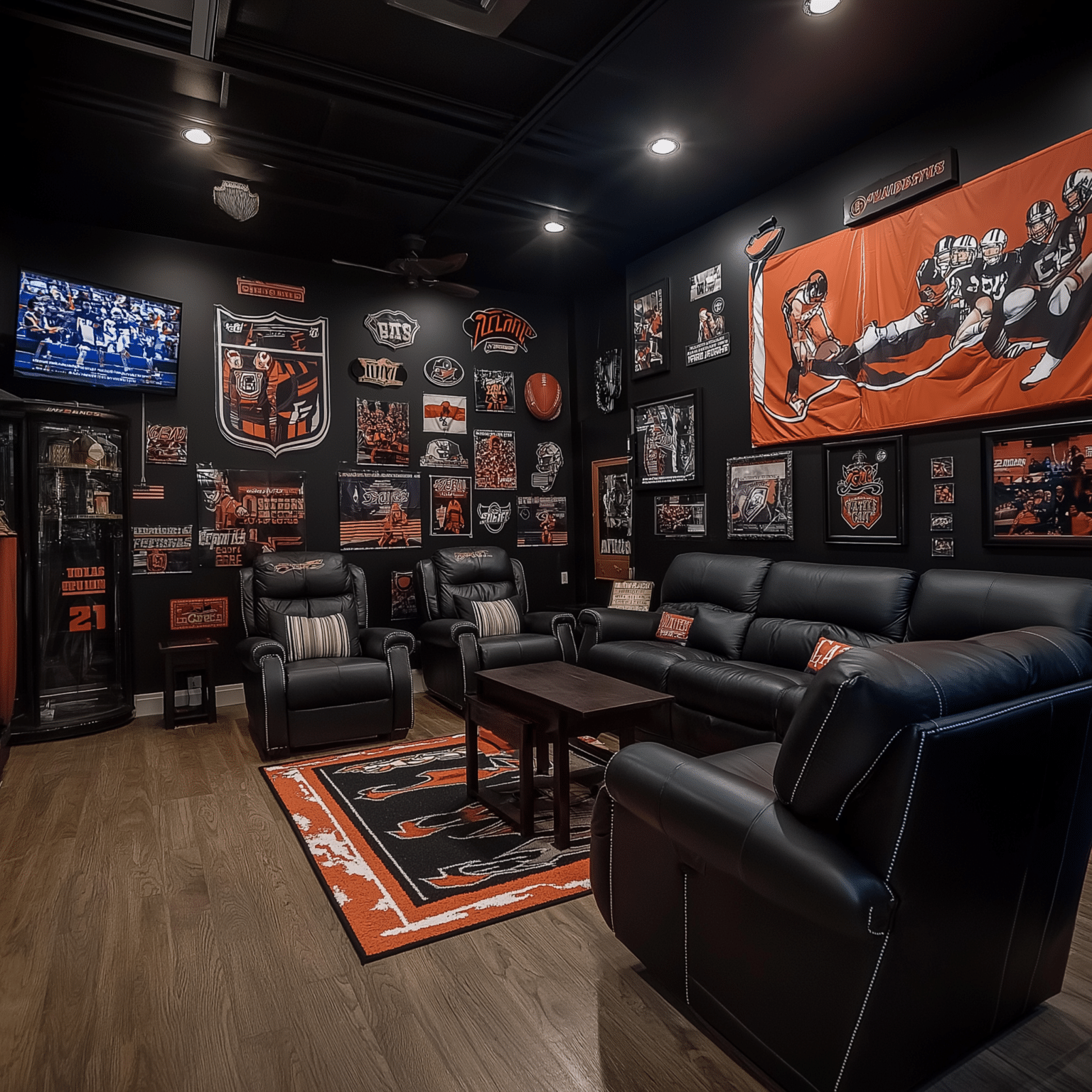
A single-team focus allows for deep immersion, utilizing the team’s primary and secondary color palettes for wall paint, seating, and lighting. Conversely, a general sports theme offers more flexibility, allowing you to showcase equipment like vintage jerseys, signed baseballs, or framed ticket stubs from various venues. Once you define the scope, draft a floor plan that identifies the "focal point"—usually the primary television or projection surface—and arrange your decor to complement this area rather than compete with it.
Wall Treatments and Visual Anchors
Walls represent the largest surface area in your man cave and serve as the canvas for your sports narrative. Effective wall decor goes beyond simple posters; it involves professional-grade mounting and thoughtful composition.
Professional Framing Techniques
Do not use off-the-shelf plastic frames for high-value memorabilia. Invest in conservation-grade glass with UV protection to prevent sunlight from fading signatures or fabrics. Jerseys should be mounted in shadow boxes with acid-free backing to ensure the integrity of the textile. For photographs, consider matte finishes to reduce glare from the room's lighting, which is often a significant issue in rooms with multiple screens.
Murals and Specialty Wall Coverings
If you want to simulate the atmosphere of an actual arena, consider large-scale wall decals or custom vinyl murals. These can replicate the texture of stadium turf, the iconic views of a specific ballpark, or the grand scale of a professional locker room. When installing these, ensure the wall surface is clean and primed, as textured drywall can cause peeling in the adhesive backing over time.
Lighting Design for Game Day
Lighting in a sports-themed room must be versatile enough to transition from high-intensity game viewing to relaxed social gatherings. Relying on a single overhead light source often leads to harsh glare on screens and "dead zones" in the room.
- Ambient Lighting: Utilize recessed dimmable LEDs that provide a neutral base. These allow you to control the room’s brightness without creating hot spots.
- Task/Accent Lighting: Install directed track lighting to highlight specific displays, such as a jersey wall or a trophy case. Ensure these lights are tilted away from your primary viewing screen.
- Thematic Lighting: Neon or LED signs featuring team logos provide that classic tavern aesthetic. However, ensure these are placed on a separate circuit so they can be switched off during the main event to prevent visual distraction.
Selecting Furniture for Comfort and Utility
The furniture in your man cave must withstand extended periods of use. Ergonomics is just as important as aesthetics. Prioritize seating that offers high-density foam support and durable upholstery, such as top-grain leather or performance fabrics that resist spills.
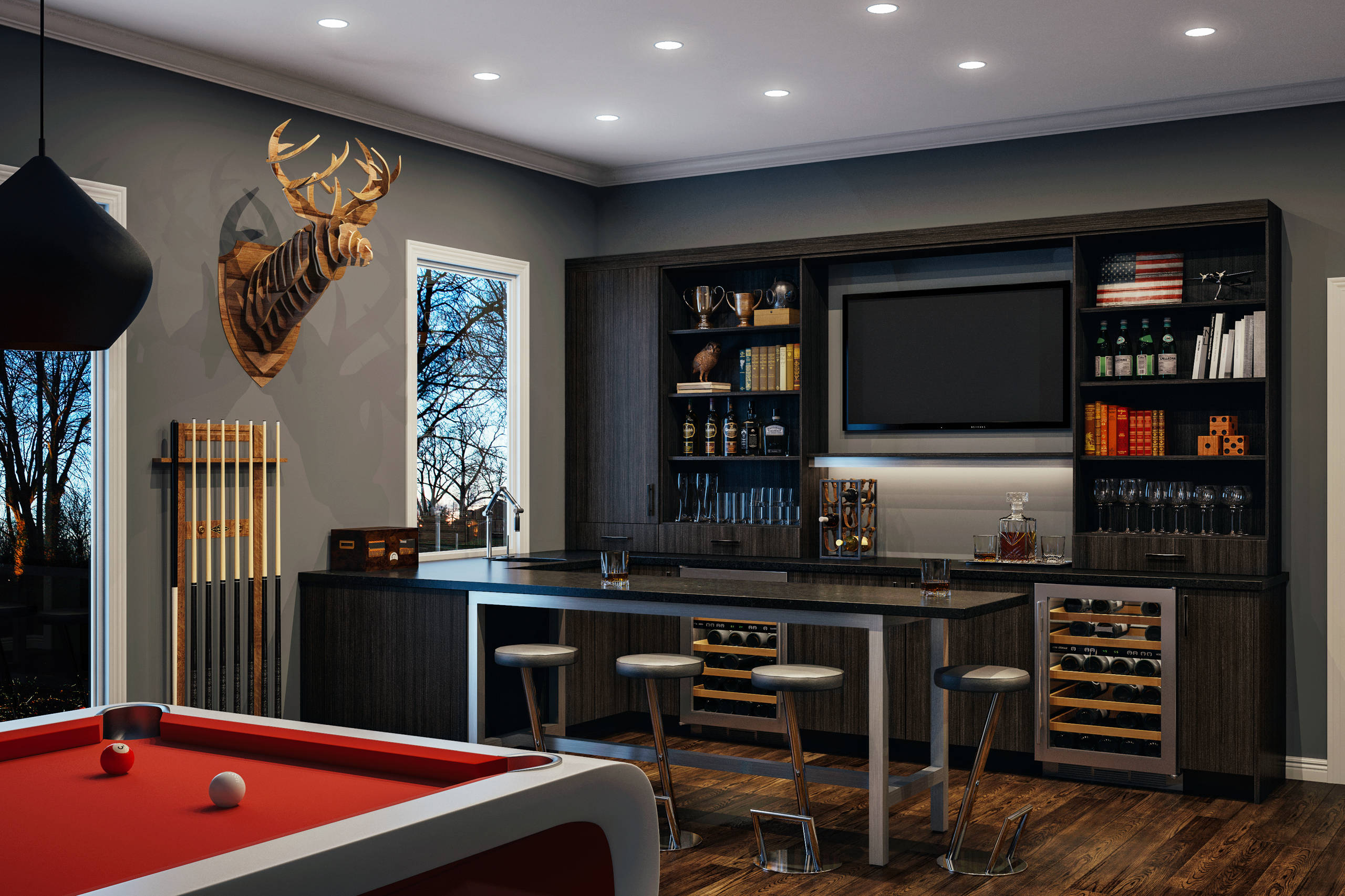
For smaller spaces, sectional sofas with integrated storage are ideal for keeping controllers, remotes, and coasters out of sight. If your room permits, a dedicated bar area or "concession stand" corner with high-top stools can add a layer of authenticity to the experience. When selecting furniture, measure your clearance paths; you need at least 30 to 36 inches of walking space behind seating areas to prevent the room from feeling claustrophobic.
Integrating Authentic Memorabilia
Authenticity is the soul of a sports-themed room. The distinction between a "themed room" and a "sports memorabilia gallery" lies in the curation.
- Signed Items: Always prioritize items that come with a certificate of authenticity (COA) from reputable authentication services. Keep these records organized in a digital folder or a physical binder kept on-site.
- Equipment Display: Instead of hanging bats or sticks directly on the wall, use clear acrylic stands that provide a floating effect. This makes the items appear more like artifacts than hardware.
- Historical Context: If you own items with historical significance, print small, elegant placards that detail the date, location, and importance of the event associated with that item. This transforms your decor into a conversation piece rather than just a collection of objects.
Comparative Overview of Display Options
| Display Method | Best For | Pros | Cons |
|---|---|---|---|
| Shadow Box | Jerseys, patches | Protects from dust/damage | Takes up significant wall space |
| Acrylic Stand | Bats, balls, helmets | Minimalist, modern aesthetic | Items are exposed to dust |
| Floating Shelves | Bobbleheads, trophies | Easy to rearrange frequently | Potential for items to fall |
| Wall-to-Wall Mural | Atmospheric backdrops | High impact, immersive | Difficult to remove or update |
Managing Technology and Cabling
No matter how high-quality your decor is, an untidy setup can ruin the ambiance. Exposed cables are the enemy of a professional-looking space. Use in-wall cable management kits to run power and HDMI cords behind the drywall. If you are unable to open the walls, use paintable cable raceways that match your trim color.
Furthermore, ensure your network infrastructure is robust. If you are streaming multiple games simultaneously, verify that your router placement is central and not blocked by thick metal cabinets or sports memorabilia that could interfere with the signal.
Common Mistakes to Avoid
- Overcrowding: Do not feel pressured to display every piece of memorabilia you own. Rotate items seasonally to keep the room feeling fresh.
- Ignoring Acoustics: Large, empty rooms with hard surfaces can create an echoing effect that degrades audio quality. Add area rugs and acoustic foam panels behind decorative wall art to absorb sound.
- Poor Lighting Angles: The most common mistake is installing light sources that reflect directly onto your television screen. Always test your lighting layout in the dark before permanent installation.
- Neglecting Maintenance: Sports equipment, particularly fabrics and wood, can degrade. Dust your displays at least once a month and monitor the room's humidity levels to prevent damage to paper items or wood-based memorabilia.
Frequently Asked Questions
How do I safely clean signed sports memorabilia?
Never use chemical cleaners on autographed items. Use a dry, lint-free microfiber cloth to gently dust protective glass or acrylic cases. If the item itself is dusty, use a very soft, dry brush to lightly flick away debris. Avoid direct contact with the ink of the autograph.
Can I mix decor from different sports in the same room?
Yes, but do so by grouping them into "zones." Create a baseball section on one wall and a football section on another. Use neutral color schemes for the room’s backdrop, such as charcoal gray or navy blue, to bridge the gap between different team color palettes.
What is the best way to display a signed jersey?
The best method is a high-quality, UV-protected shadow box. Ensure the jersey is pinned or supported with an archival-safe hanger inside the frame so the weight of the fabric doesn't cause it to stretch or slump over time.
How do I verify the authenticity of sports memorabilia?
Only purchase items that come with a tamper-evident holographic sticker from recognized third-party authenticators (TPA). You can usually verify the serial number of the sticker on the authenticator's official website to confirm the item's history.
How can I make my man cave feel like a real stadium?
Focus on the sensory experience. Beyond visual decor, incorporate stadium-style sound systems, subtle lighting that mimics arena effects, and a concession-style snack area. The more consistent the details, the more "stadium-like" the atmosphere will feel.
Final Recommendation for Implementation
Start by mapping out your "anchor items"—the largest or most important pieces of memorabilia you intend to feature. Once these are placed, build the rest of your decor around them. Prioritize lighting and cable management before adding smaller decorative touches. By focusing on the structural foundation of the room first, you ensure that your sports decor enhances, rather than overwhelms, the space. Regularly audit your collection to ensure that the pieces displayed align with your current passion for the sport, keeping the environment dynamic and personal.