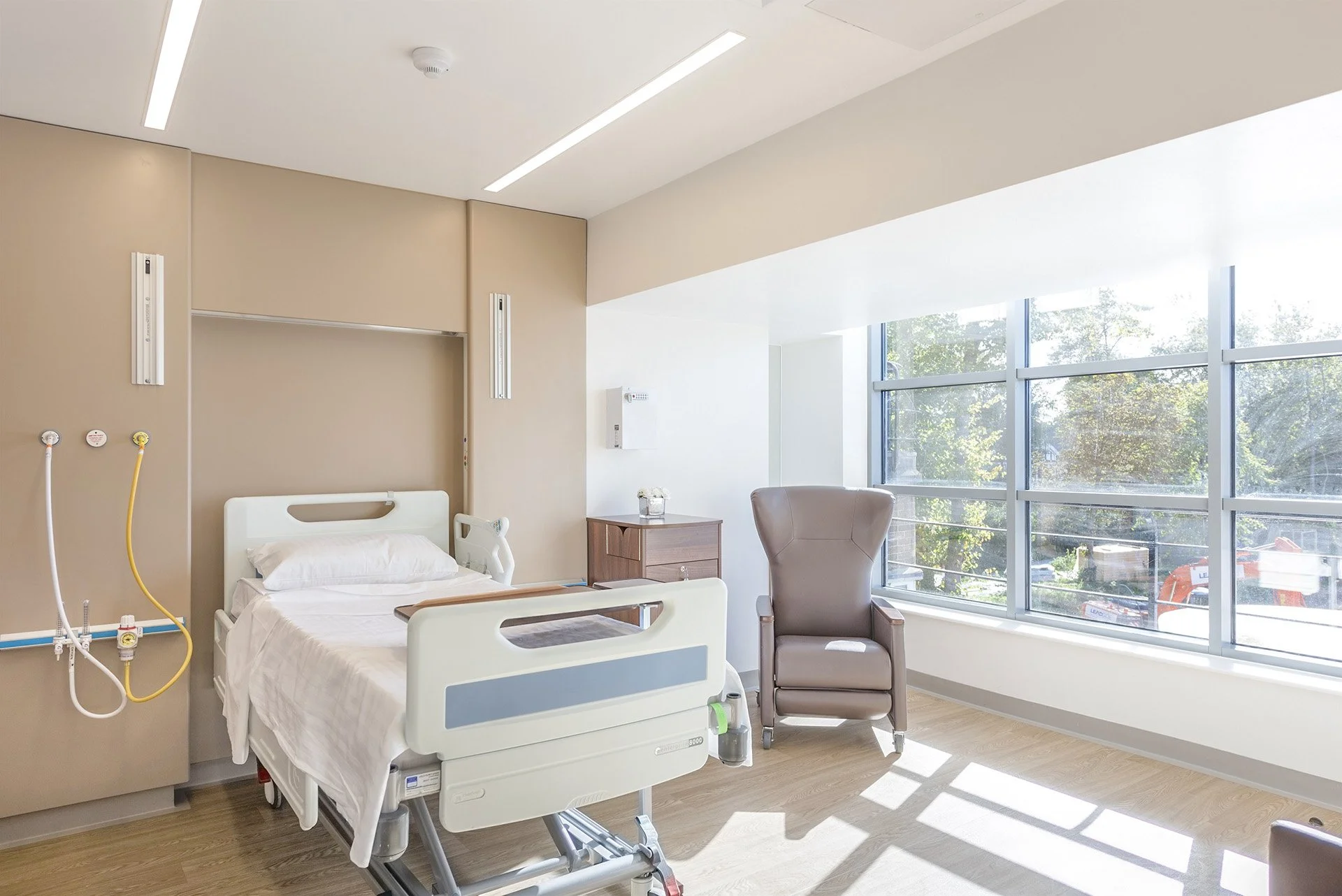
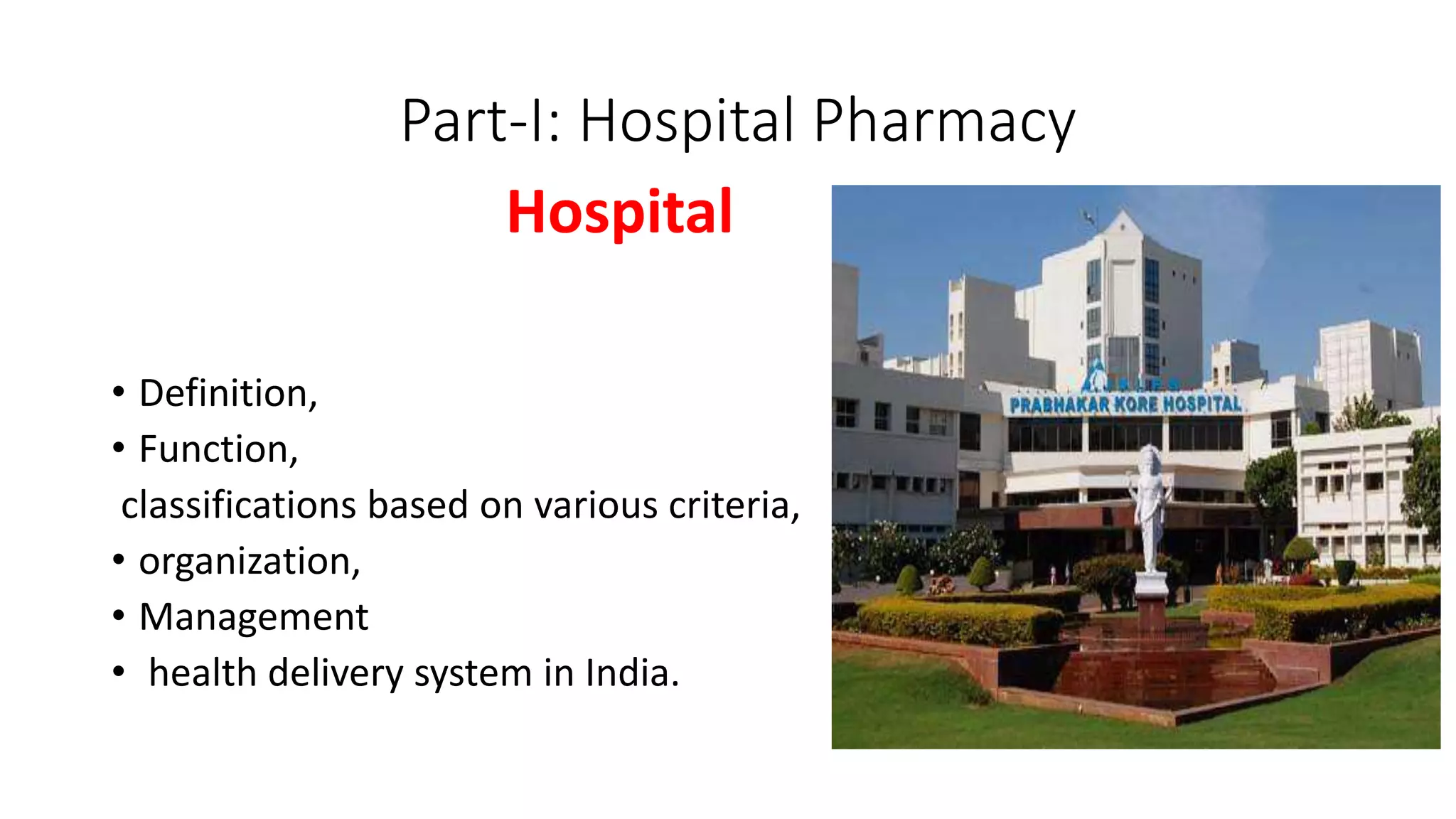
A hospital is a complex healthcare institution designed to provide specialized medical and nursing care and diagnostic services to patients. It functions as a centralized hub for acute treatment, surgery, and emergency services, utilizing a multidisciplinary team of professionals and advanced technology to manage illnesses, injuries, and chronic health conditions.
In the landscape of 2026, the hospital has evolved beyond a mere physical building into a technologically integrated ecosystem. While its primary mission remains the preservation of life and the restoration of health, the modern hospital serves as a nexus for clinical research, professional education, and public health management. Understanding the description of a hospital requires an analysis of its classification, physical infrastructure, staffing models, and the intricate technological systems that sustain its operations.
The Functional Classification of Hospitals
Hospitals are not monolithic; they are categorized based on their funding, the scope of services provided, and their specific medical missions. Identifying the type of hospital is essential for understanding its capabilities and the level of care a patient can expect to receive.
General Hospitals
The most common type is the general hospital, which handles a broad spectrum of diseases and injuries. These facilities typically feature an emergency department (ED) to deal with immediate threats to health and various inpatient beds for long-term recovery. General hospitals are equipped to handle everything from maternity care and routine surgeries to the management of pneumonia or fractures.
Specialized Hospitals
Specialized hospitals focus on specific medical needs, age groups, or disease categories. Examples include pediatric hospitals (children's healthcare), psychiatric hospitals (mental health disorders), and oncology centers (cancer treatment). By concentrating resources on a single specialty, these institutions often achieve higher levels of expertise and better outcomes for complex cases. For instance, a dedicated orthopedic hospital will possess specialized surgical suites and rehabilitation equipment specifically tailored for bone and joint recovery that a general hospital might not maintain at the same scale.
Teaching and Research Hospitals
Often affiliated with universities or medical schools, teaching hospitals serve a dual purpose: providing patient care and training the next generation of healthcare professionals. These institutions are frequently at the forefront of medical innovation, conducting clinical trials and utilizing experimental therapies. In 2026, teaching hospitals are often the first to integrate AI-driven diagnostic tools and robotic surgical systems, serving as testing grounds for new medical protocols.
Public vs. Private Institutions
The distinction between public and private hospitals usually relates to ownership and funding. Public hospitals are government-funded and often serve as the "safety net" for the community, providing care regardless of a patient's ability to pay. Private hospitals may be for-profit or non-profit; they often rely on insurance reimbursements and private payments. While private hospitals may offer more amenities or shorter wait times for elective procedures, public hospitals often house the region’s highest-level trauma centers due to their public mandate.
Physical and Organizational Infrastructure
A hospital’s physical layout is meticulously engineered to optimize patient flow, minimize the spread of infection, and ensure that life-saving equipment is always within reach. The modern hospital is divided into distinct zones, each serving a specific clinical or administrative function.
Clinical Departments and Units
The heart of the hospital consists of various clinical units, each specialized for a level of intensity:
- Emergency Department (ED): The entry point for unplanned medical needs. It utilizes a triage system to prioritize patients based on the severity of their condition.
- Intensive Care Units (ICU): Specialized wards for critically ill patients who require constant monitoring and life support. Modern ICUs in 2026 are often "closed" units, meaning they are staffed by dedicated intensivists.
- Surgical Suites (Operating Rooms): Sterile environments equipped for invasive procedures. These areas require advanced HVAC systems to maintain positive air pressure and high-efficiency particulate air (HEPA) filtration.
- Inpatient Wards: General housing for patients who are stable but require nursing care, intravenous (IV) medications, or observation.
Diagnostic and Ancillary Services
A hospital cannot function without the "engine room" of diagnostic services. This includes the Pathology Laboratory, where blood, tissue, and fluid samples are analyzed, and the Radiology Department, which houses imaging technologies such as MRI, CT scans, X-rays, and PET scans. In 2026, these departments are heavily digitized, with images and results instantly accessible to physicians via encrypted hospital networks.
Support and Logistics
Behind the clinical scenes are the logistics teams. The Hospital Pharmacy manages complex medication regimens and automated dispensing cabinets. Central Sterile Supply ensures that every surgical instrument is decontaminated. Furthermore, environmental services (housekeeping) play a critical role in "bio-containment," using UV-C light disinfection and specialized chemical agents to prevent healthcare-associated infections (HAIs).
The Interdisciplinary Healthcare Team
A hospital is defined more by its people than its walls. The delivery of care relies on a "matrix" staffing model where different professionals collaborate on a single patient’s case.
- Medical Staff: Includes attending physicians, specialists (like cardiologists or neurologists), and residents. They are responsible for diagnosis and the overarching treatment plan.
- Nursing Staff: The backbone of hospital operations. Registered Nurses (RNs) provide 24-hour bedside care, administer medications, and serve as the primary advocates for the patient. Specialized nurses, such as Nurse Practitioners (NPs), often take on advanced diagnostic roles.
- Allied Health Professionals: This diverse group includes respiratory therapists (managing ventilators), physical therapists (rehabilitation), radiologic technologists, and pharmacists.
- Administrative and Support Staff: Hospital administrators manage the "business" of healthcare, including finance, human resources, and compliance. Social workers and case managers assist with "discharge planning," ensuring patients have the necessary support once they leave the hospital.
Comparison of Hospital Care Tiers
To understand where a specific hospital fits within the healthcare system, it is helpful to look at the "tiers" of care.
| Feature | Primary Care/Clinic | Secondary Care (Community Hospital) | Tertiary Care (Major Medical Center) |
|---|---|---|---|
| Scope of Service | Routine check-ups, vaccinations. | General surgery, ED, maternity. | Specialized surgery, transplants, trauma. |
| Specialization | General practitioners. | Basic specialists (General Surgery, OBGYN). | Sub-specialists (Neurosurgeons, Neonatologists). |
| Technology | Basic diagnostics. | CT, MRI, standard labs. | PET-CT, Robotic surgery, ECMO. |
| Duration of Stay | Minutes to hours. | Days. | Weeks to months. |
| Patient Volume | High volume, low acuity. | Moderate volume, moderate acuity. | Low volume, high acuity. |
Technological Integration and Digital Transformation
By 2026, the description of a hospital must include its digital footprint. The "Smart Hospital" model has replaced the traditional paper-based systems of the past.
Electronic Health Records (EHR) and Interoperability
The EHR is the digital nervous system of the hospital. It contains a patient's entire medical history, which is updated in real-time. Crucially, modern EHRs are interoperable, meaning if a patient is transferred from a rural clinic to a major hospital, their data arrives before they do. This reduces diagnostic errors and prevents the duplication of expensive tests.
Artificial Intelligence and Decision Support
AI is no longer a futuristic concept but a standard tool in 2026 hospitals. AI algorithms monitor patient vitals in the ICU to predict "coding" events (cardiac or respiratory arrest) hours before they happen. In radiology, AI assists in flagging subtle fractures or early-stage tumors on scans, allowing human doctors to focus on the most critical findings.
Telemedicine Hubs
Many modern hospitals now feature dedicated telemedicine wings. These are not for treating patients on-site, but for "beaming" expertise to smaller, remote hospitals or to patients at home. This "hospital-at-home" movement uses remote monitoring devices (wearables) to allow patients to recover in their own beds while remaining under the constant digital supervision of hospital staff.
Economic and Legal Frameworks
Hospitals operate within a strict framework of regulation and economic reality. In the United States and many other regions, hospitals must be accredited by organizations such as The Joint Commission to ensure they meet safety and quality standards.
Revenue Cycles and Insurance
Hospitals are expensive to run. Revenue is typically generated through a mix of private insurance, government programs (like Medicare or Medicaid), and direct patient payments. In 2026, many hospitals have shifted toward "value-based care" models, where they are reimbursed based on patient outcomes (e.g., successful recovery without readmission) rather than just the number of tests performed.
Patient Rights and Ethics
Every hospital must adhere to ethical guidelines regarding patient autonomy, informed consent, and privacy (governed by laws like HIPAA in the US). Ethics committees exist within hospitals to help families and doctors navigate difficult decisions, such as end-of-life care or the use of experimental treatments.
Patient Safety and Quality Control
A primary goal of the modern hospital is the mitigation of risk. Because hospitals house the sickest individuals, they are inherently high-risk environments.
- Infection Control: Protocols like "hand hygiene" audits and antimicrobial stewardship programs are vital to prevent the rise of "superbugs."
- Medication Safety: Using barcode medication administration (BCMA), nurses scan a patient's wristband and the medication's packaging to ensure the "five rights": right patient, right drug, right dose, right route, and right time.
- Sentinel Event Reporting: Hospitals maintain a "no-blame" culture where errors are reported and analyzed to prevent systemic recurrences.
Medical Disclaimer: This article is for informational and educational purposes only and does not constitute medical advice, diagnosis, or treatment. Always seek the advice of a physician or other qualified health provider with any questions you may have regarding a medical condition. In the event of a medical emergency, contact your local emergency services immediately.
Frequently Asked Questions
What is the difference between a clinic and a hospital?
A clinic generally focuses on outpatient care, meaning patients visit for appointments and leave the same day. Hospitals are designed for inpatient care, equipped with beds for overnight stays, operating rooms for complex surgeries, and 24/7 emergency services that clinics typically lack.
How do hospitals prioritize patients in the Emergency Room?
Hospitals use a process called "triage." Specially trained nurses assess patients upon arrival based on the severity of their symptoms rather than the time they arrived. A patient with chest pain or a severe head injury will be seen before a patient with a minor laceration or a cold, regardless of who arrived first.
What is a "Teaching Hospital"?
A teaching hospital is a healthcare facility that provides clinical education and training to medical students, residents, and other health professionals. These hospitals are usually affiliated with a medical school and often provide access to advanced treatments and clinical trials not found in community hospitals.
Why are hospital bills so complex?
Hospital billing is complex because it accounts for various "line items," including room and board, nursing care, medications, diagnostic tests, surgical supplies, and professional fees for physicians. Additionally, the final amount often depends on negotiated rates between the hospital and the patient's insurance provider.
What should I bring if I am being admitted to a hospital?
If you have a planned admission, you should bring a list of your current medications, your insurance information, a form of ID, and personal items like a robe or slippers. It is generally advised to leave jewelry, large amounts of cash, and other valuables at home.
Summary of Next Actions
For those seeking to navigate a hospital environment effectively in 2026, consider the following steps:
- Verify Coverage: Before an elective procedure, contact both your insurance provider and the hospital’s billing department to confirm the facility is "in-network."
- Access Portals: Register for the hospital's patient portal to view your lab results, schedule follow-ups, and communicate with your care team.
- Prepare an Advance Directive: Ensure the hospital has a copy of your living will or healthcare proxy on file so your medical wishes are known if you cannot speak for yourself.
- Inquire about Specialization: If you have a complex condition, research whether a specialized "Center of Excellence" or a teaching hospital is more appropriate for your specific diagnosis than a general community hospital.