Ashley Johnson’s interviews reveal a career defined by profound emotional intelligence, a transition from child stardom to industry leadership, and a mastery of narrative performance. By examining her discussions regarding The Last of Us, Critical Role, and Blindspot, readers can understand her unique approach to character development, motion capture technology, and the evolving landscape of 2026 media.
The Evolution of a Narrative Icon
In the landscape of 2026, Ashley Johnson stands as a bridge between traditional television and the high-fidelity world of narrative gaming. Her interviews often serve as a masterclass for aspiring performers, detailing how a child actor from the era of Growing Pains successfully navigated the complexities of the industry to become one of its most respected voices and producers.
When analyzing an Ashley Johnson interview, the recurring theme is the search for authenticity. Whether she is discussing the gritty realism of a post-apocalyptic survivor or the high-fantasy antics of a tabletop roleplaying game, Johnson emphasizes the necessity of finding a character's "internal pulse." This philosophy has allowed her to sustain a multi-decade career without becoming pigeonholed into a single genre or medium.
The Last of Us: Redefining Performance Capture
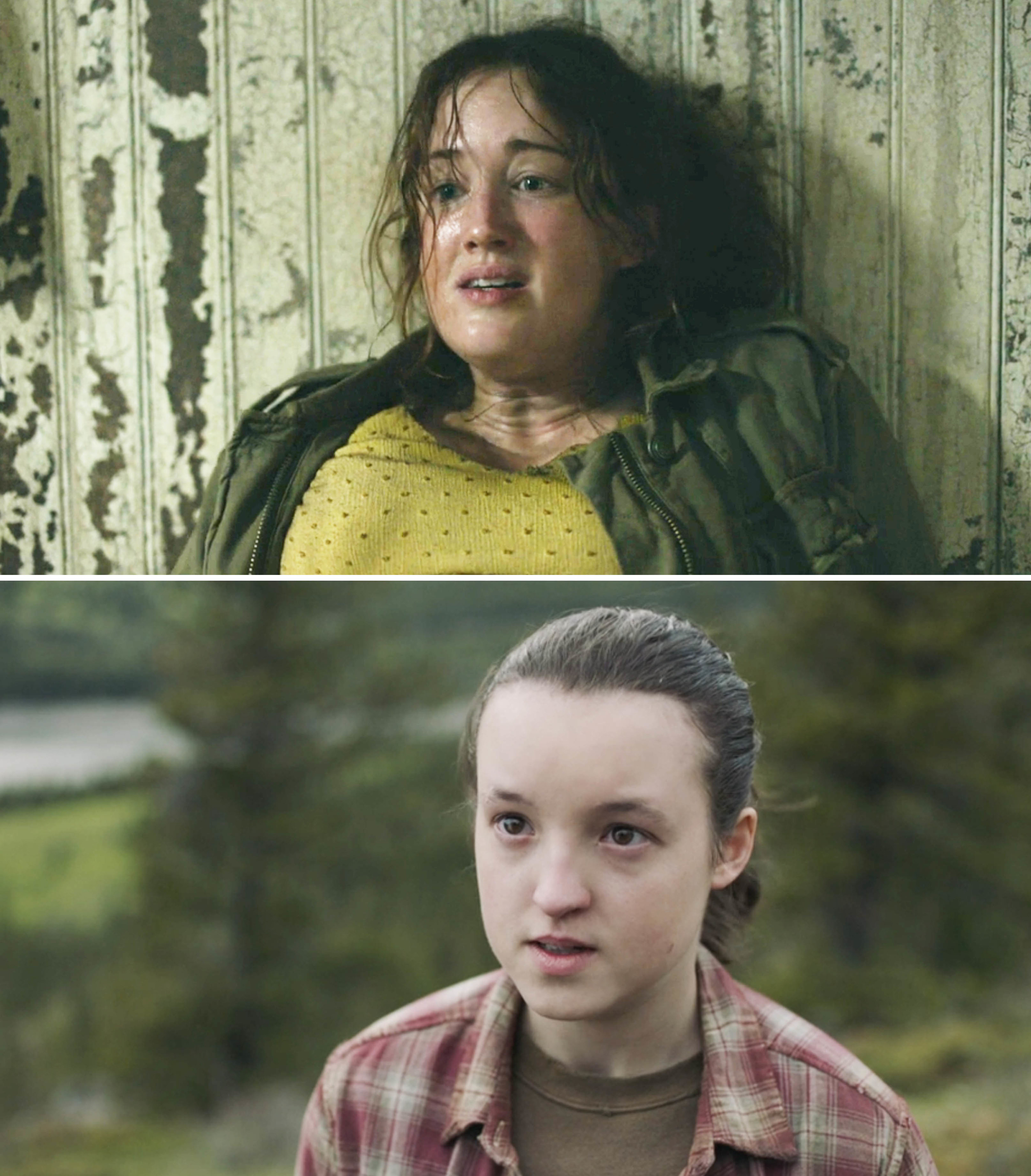
One of the most significant bodies of work in Johnson's career is her portrayal of Ellie in Naughty Dog’s The Last of Us series. Her interviews following the release of the original game in 2013, the sequel in 2020, and the HBO adaptation provide a comprehensive look at the evolution of motion capture (mocap).
The "Grounded" Experience
In the "Grounded" making-of documentaries and subsequent press junkets, Johnson frequently discusses the technical and emotional hurdles of working in a "Volume"—the empty stage where motion capture occurs. She describes the challenge of performing intense, life-altering scenes while wearing a spandex suit covered in reflective markers and a head-mounted camera.
Johnson’s insights into her chemistry with co-star Troy Baker (who played Joel) are pivotal. She often recounts how their improvisations and organic interactions influenced the game’s script. This collaborative process is a hallmark of her work; she views the actor not just as a vessel for lines, but as a co-creator of the story’s emotional architecture.
Transitioning to the HBO Series
By 2026, the legacy of The Last of Us has been further cemented by the success of the HBO television adaptation. In interviews surrounding the series, Johnson speaks about the "meta" experience of playing Anna, Ellie’s mother, in the show's first season. This role allowed her to pass the torch to Bella Ramsey, and her interviews during this period focus on the protective, almost maternal bond she feels toward the character of Ellie. She notes that seeing the character interpreted by another artist provided her with a new perspective on the vulnerabilities she first explored over a decade ago.
Critical Role and the Rise of the TTRPG Professional
Perhaps no project has changed Johnson’s career trajectory more than Critical Role. What began as a private home game among voice actor friends evolved into a global media empire. Johnson’s interviews throughout the 2020s highlight her dual role as a performer and the President of the Critical Role Foundation.
Navigating Long-Form Character Growth
Unlike traditional television, where a season might consist of 10 to 22 episodes, Critical Role campaigns span hundreds of hours. In various "Talks Machina" and "4-Sided Dive" interviews, Johnson discusses the unique stamina required for this format. She has spoken extensively about her characters—Pike Trickfoot, Yasha Nydoorin, and her Campaign 3 character—detailing how their growth is often a reflection of her own personal journeys and interests.
For instance, her portrayal of Yasha, a shy and traumatized barbarian, was a frequent topic of discussion regarding mental health and representation. Johnson’s interviews emphasize that the improvisational nature of the show allows for a level of vulnerability that scripted media rarely affords. She often mentions how the safety of the table—surrounded by her real-life best friends—enables her to take creative risks that would be impossible in a high-pressure studio environment.
The Impact of the Critical Role Foundation
As the President of the Critical Role Foundation, Johnson’s 2026 interviews often pivot toward philanthropy and community building. She discusses the importance of using a massive platform for social good, focusing on literacy, environmental conservation, and disaster relief. This shift from "actor" to "executive and philanthropist" marks a new chapter in her professional life, one where she leverages her influence to create tangible real-world impact.
The Technical Craft: Voice and Motion
In technical interviews with publications like Variety and The Hollywood Reporter, Johnson breaks down the mechanics of her craft. There is a common misconception that voice acting is "easier" than screen acting, a notion Johnson has consistently debunked.
The Nuance of Vocal Performance
She explains that without the benefit of facial expressions or physical proximity (in traditional voice-over), the voice must carry the entirety of the character's subtext. For her role as Patterson on NBC’s Blindspot, she had to balance high-speed technical jargon with a relatable human core. Interviews from that era reveal her meticulous preparation process, which involved researching the scientific concepts her character discussed to ensure the delivery felt natural rather than rehearsed.
Comparative Table of Career Milestones
The following table summarizes key projects and the primary insights Johnson shared during their respective interview cycles.
| Project | Medium | Key Interview Theme | Core Insight |
|---|---|---|---|
| The Last of Us | Video Game | Performance Capture | The physical "Volume" stage enhances emotional intimacy between actors. |
| Blindspot | Television | Technical Dialogue | Authenticity in "genius" characters requires understanding the logic behind the jargon. |
| Critical Role | Livestream | Long-form Improv | TTRPGs allow for organic character growth that spans years, mirroring real life. |
| The Legend of Vox Machina | Animation | Adaptation | Translating improv to scripted animation requires preserving the "soul" of the original chaos. |
| The Last of Us (HBO) | Television | Legacy & Passing the Torch | Playing the mother of your most famous character provides a full-circle emotional closure. |
Themes of Consistency and Mental Health
A recurring thread in an Ashley Johnson interview is her advocacy for mental health awareness. Having spent almost her entire life in the public eye, she is candid about the pressures of the industry. She often discusses the importance of setting boundaries and the therapeutic nature of storytelling.
In more recent 2024-2026 discussions, she has been vocal about the "parasocial" relationships that develop in modern fandom. She encourages fans to find their own creative outlets and emphasizes that while she is grateful for the support, maintaining a private life is essential for her creative longevity. This transparency has made her a role model for many in the gaming and acting communities who struggle with the intersection of public visibility and personal well-being.
Preparing for the Future of Narrative Media
As we look at Johnson's career from the vantage point of 2026, it is clear that she is positioning herself as a leader in the next generation of storytelling. Her interviews suggest an interest in directing and further production work. She has hinted at projects that continue to push the boundaries of how stories are told, potentially exploring VR (Virtual Reality) and AI-integrated narratives, provided they maintain the human element she prizes.
For those researching Ashley Johnson, the most valuable interviews are often the long-form podcasts or "in-conversation" series. These formats allow her to move past the standard promotional soundbites and explore the "Why" behind her choices. She frequently cites her love for the collaborative environment of a set—be it a soundstage, a mocap volume, or a gaming table—as the primary driver of her work.
Frequently Asked Questions
Where can I find the most in-depth Ashley Johnson interviews?
The most comprehensive interviews are typically found in long-form formats such as BAFTA’s "In Conversation" series, the Critical Role: Between the Sheets episode featuring her, and the Grounded: Making The Last of Us documentaries. These sources provide deep dives into her childhood career, her transition into voice acting, and her personal creative philosophy.
How does Ashley Johnson describe her approach to playing Ellie?
Johnson describes her approach as "finding the light in the darkness." In multiple interviews, she has stated that Ellie is not just a survivor, but a person defined by her capacity to love and her fear of being alone. She emphasizes that she never viewed Ellie as a "video game character," but as a real girl with complex, often contradictory emotions.
What has Ashley Johnson said about her role in the Critical Role Foundation?
She has described her work as President of the Critical Role Foundation as some of the most rewarding of her career. She views the foundation as a way to "leave the world better than we found it," focusing on transparency and direct action. Her interviews on this topic often highlight the generosity of the "Critter" community and the responsibility she feels to steward their donations effectively.
Did Ashley Johnson attend acting school?
While she has been acting since she was a young child, Johnson has mentioned in interviews that she took various classes and sought mentorship from veteran actors throughout her career. However, she often attributes her greatest lessons to "on-the-job" training, having worked on sets like Growing Pains and The Help alongside seasoned professionals.
What is her perspective on the evolution of women in gaming?
Johnson is a frequent advocate for complex, multifaceted female characters. In interviews with outlets like Polygon and IGN, she has praised the industry's shift toward more realistic portrayals of women. She often cites Ellie and her Critical Role characters as examples of women who are allowed to be messy, powerful, and vulnerable simultaneously.
Practical Recommendation for Fans and Researchers
To truly understand the depth of Ashley Johnson’s contributions to the arts, one should watch the "Grounded II: Making The Last of Us Part II" documentary. It offers an unfiltered look at her performance process during some of the most grueling narrative sequences in gaming history. For those interested in her leadership and personality, the Critical Role Foundation annual reports and associated video updates provide a clear picture of her values and her vision for the future of the entertainment community.