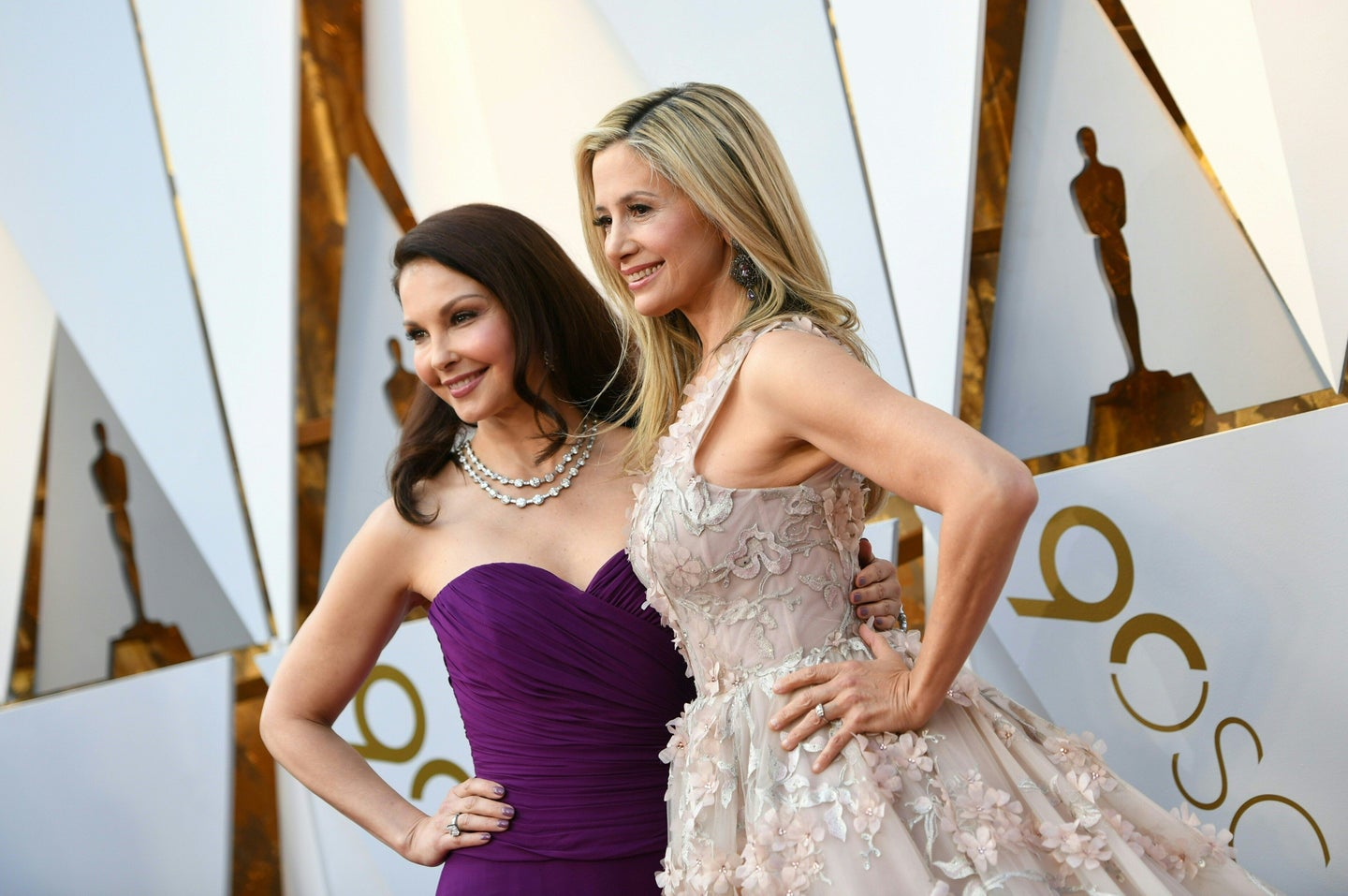
Ashley Judd’s decision to go on the record against Harvey Weinstein in 2017 acted as the primary catalyst for the global #MeToo movement. Her actions transformed a long-standing "open secret" into a legal and systemic revolution, leading to landmark legislation against non-disclosure agreements and establishing new professional standards for workplace safety that remain the industry benchmark in 2026.
The Spark: Judd’s Role in the 2017 Exposure
In October 2017, the landscape of the global entertainment industry shifted permanently. While Tarana Burke had founded the "Me Too" movement over a decade earlier to support survivors in marginalized communities, it was the investigative reporting of The New York Times and The New Yorker—fueled by the testimony of high-profile actresses like Ashley Judd—that brought the issue to the forefront of global consciousness. Judd was one of the first A-list stars to go on the record, detailing a 1997 incident at the Peninsula Beverly Hills hotel where Weinstein allegedly pressured her into uncomfortable situations under the guise of a business meeting.
Judd’s involvement was critical because it lent immediate credibility and "star power" to the allegations, making it impossible for the industry to look away. Her testimony served as a shield for others; once a figure of her stature spoke out, it created a "domino effect" where hundreds of other women felt empowered to share their own experiences. This initial courageous act did more than just take down one powerful producer; it exposed the structural rot of "casting couch" culture and the complicity of talent agencies, legal teams, and production studios that had enabled such behavior for decades.
By 2026, historians and industry analysts view Judd’s decision not just as an act of personal bravery, but as a strategic strike against a systemic imbalance of power. Her refusal to remain silent about the professional retaliation she faced—specifically, being blacklisted from major franchises like The Lord of the Rings—provided the necessary evidence to prove that sexual harassment was inextricably linked to economic and career sabotage.
Legal Milestones: Judd v. Weinstein and the Expansion of Harassment Law
One of the most enduring technical impacts of Ashley Judd’s advocacy is found in the legal precedents set by her subsequent litigation. Judd filed a civil lawsuit against Harvey Weinstein, alleging that he defamed her and damaged her career after she rejected his advances. The legal journey of Judd v. Weinstein became a roadmap for how harassment laws needed to evolve to protect independent contractors and freelancers.
Initially, a lower court dismissed Judd’s sexual harassment claim, arguing that the relationship between an actress and a producer did not fit the traditional definition of an "employer-employee" relationship under then-current California law. However, in 2020, the Ninth Circuit Court of Appeals overturned this decision. The court ruled that the power imbalance between a producer and a potential hire was indeed subject to harassment statutes. This ruling was monumental. It expanded the scope of California Civil Code Section 51.9, ensuring that professionals such as directors, producers, and even talent agents could be held liable for harassment even if a formal employment contract had not yet been signed.
As of 2026, this legal standard has been adopted or mirrored in various jurisdictions across the United States. It closed a massive loophole that had previously allowed powerful figures in "gig-based" industries to harass subordinates with impunity. The "Judd Precedent" now serves as a foundational element of entertainment law, protecting thousands of performers, crew members, and freelancers who operate outside of traditional corporate structures.
The Evolution of Workplace Safety and Intimacy Coordination
The impact of Ashley Judd’s advocacy reached beyond the courtroom and directly onto film and television sets. One of the most visible changes in the "post-Me Too" era is the institutionalization of the Intimacy Coordinator. Prior to 2017, scenes involving nudity or simulated sex were often handled haphazardly, leaving actors vulnerable to pressure or unplanned physical contact.
Today, in 2026, the presence of an intimacy coordinator is a mandatory requirement for nearly all SAG-AFTRA (Screen Actors Guild - American Federation of Television and Radio Artists) sanctioned productions. These professionals act as liaisons between the actors and the production team, ensuring that every movement is choreographed and consented to in writing before cameras roll. This shift represents a move toward "informed consent" in the workplace, a concept that Judd and her contemporaries championed during the height of the movement.
Furthermore, the "Me Too" impact led to the widespread adoption of anonymous reporting hotlines and the appointment of third-party HR compliance officers on sets. These measures were designed to bypass the traditional "gatekeepers"—such as high-level producers or agency heads—who might have previously suppressed complaints to protect a production's bottom line. The culture of the "closed set" has been replaced by a culture of documented accountability.
Legislative Legacy: From the Speak Out Act to 2026 Standards
The cultural momentum generated by Judd and the #MeToo movement translated into significant federal and state legislation. One of the most critical developments was the passage of the Speak Out Act in 2022, which prohibited the judicial enforcement of non-disclosure agreements (NDAs) in cases involving sexual assault or harassment that were signed before a dispute arose.
For decades, NDAs were used as weapons to silence survivors, often bundled into standard employment contracts or "hush money" settlements. Because of the advocacy of survivors like Judd, the legal system recognized that these agreements were contrary to public interest. By 2026, the landscape regarding NDAs has shifted even further:
- The "Silenced No More" Acts: Multiple states have expanded on federal law to prevent NDAs from covering not just sexual harassment, but all forms of workplace discrimination (race, age, disability, etc.).
- Ending Forced Arbitration: In 2022, President Biden signed the "Ending Forced Arbitration of Sexual Assault and Sexual Harassment Act." This prevented companies from forcing survivors into private, secret arbitration proceedings, allowing them instead to seek justice in open court.
These legislative victories have fundamentally altered the risk-assessment models for major corporations. Companies can no longer "budget" for harassment by simply paying off victims and forcing them into silence. The threat of public litigation and the inability to enforce secrecy have forced a genuine shift toward prevention rather than just damage control.
Comparative Industry Protections: 2016 vs. 2026
To understand the magnitude of the "Me Too" impact initiated by voices like Ashley Judd's, it is helpful to compare the industry standards from a decade ago to the current 2026 landscape.
| Feature | Pre-2017 Industry Standard (2016) | Current Industry Standard (2026) |
|---|---|---|
| Non-Disclosure Agreements | Routinely used to silence survivors of workplace abuse. | Unenforceable in harassment cases under federal law. |
| Legal Standing | Independent contractors often lacked harassment protections. | "Judd Precedent" protects freelancers and contractors. |
| Intimacy on Set | Often unscripted or "worked out" by actors and directors. | Mandatory Intimacy Coordinators for SAG productions. |
| Dispute Resolution | Often forced into secret, company-funded arbitration. | Survivors have the right to pursue public jury trials. |
| Reporting Mechanisms | Reporting usually required going through the chain of command. | Third-party anonymous reporting and external HR audits. |
| Career Retaliation | "Blacklisting" was common and difficult to prove legally. | Retaliation is highly litigated and carries massive penalties. |
The Economic Impact of the #MeToo Movement
The "Me Too" movement also forced an economic reckoning. Ashley Judd’s lawsuit specifically highlighted the "lost wages" and "lost opportunities" resulting from Weinstein’s interference in her career. This brought to light the massive economic toll of sexual harassment. When talented individuals are pushed out of an industry due to a hostile environment, it results in a "brain drain" and a loss of creative diversity that is difficult to quantify but deeply felt.
By 2026, the "S" (Social) in ESG (Environmental, Social, and Governance) investing has become a primary focus for institutional investors. Shareholders now demand transparency regarding a company’s history of harassment claims and settlements. The economic cost of a toxic culture is no longer just seen in legal fees, but in stock price volatility and the inability to attract top-tier talent. Judd’s insistence on highlighting her loss of work in The Lord of the Rings proved that harassment is a form of economic anti-trust—an unfair business practice that limits competition and stifles careers based on non-meritocratic factors.
Addressing the Challenges and the "Backlash" Era
It is important to acknowledge that the impact of the #MeToo movement has not been without controversy or challenge. Between 2022 and 2026, the movement faced a period often described as the "backlash era," where concerns about due process and "cancel culture" dominated public discourse. High-profile defamation cases and a shifting political climate led some to question if the pendulum had swung too far.
However, the core tenets of the movement—accountability, transparency, and safety—have proven resilient. The focus in 2026 has moved away from the "trial by social media" and toward robust, internal institutional reforms. The goal is no longer just the "ouster" of bad actors, but the creation of environments where bad behavior cannot take root in the first place. Ashley Judd herself has remained a vocal advocate for this institutional approach, emphasizing healing and systemic change over mere punishment.
Frequently Asked Questions
What was the specific outcome of Ashley Judd's lawsuit against Harvey Weinstein?
While the criminal cases against Weinstein moved through the New York and California systems, Judd’s civil suit focused on defamation and sexual harassment. A critical victory occurred in 2020 when the Ninth Circuit ruled she could pursue a sexual harassment claim despite not being an "employee." The case eventually reached a settlement, but its primary value was the legal precedent it established for independent contractors in the entertainment industry.
How did the #MeToo movement change the way NDAs are used?
The movement led to the passage of the federal Speak Out Act and various state laws like California’s Silenced No More Act. These laws make it illegal to enforce NDAs that were signed before a dispute arose in cases of sexual harassment or assault. This means survivors can no longer be legally silenced from sharing their stories, even if they signed a standard confidentiality agreement upon being hired.
Who is credited with starting the Me Too movement?
The "Me Too" phrase and movement were originally created in 2006 by activist Tarana Burke to help survivors of sexual violence, particularly in underprivileged communities. The movement went global in October 2017 after actress Alyssa Milano used the hashtag on Twitter (now X) following the revelations about Harvey Weinstein, which included the testimony of Ashley Judd.
What are intimacy coordinators, and why are they important now?
Intimacy coordinators are trained professionals who ensure the well-being of actors during scenes involving nudity or sexual intimacy. They serve as a bridge between the director’s vision and the actor's comfort, ensuring that all physical contact is consensual and choreographed. Their presence is now a standard safety requirement on most professional sets in 2026.
Did the movement actually reduce harassment in Hollywood?
While no movement can entirely eliminate misconduct, data from 2024–2026 industry surveys suggests a significant increase in the reporting of incidents and a decrease in "high-level" systemic abuse. The "casting couch" is no longer an accepted industry norm, and the legal and financial risks associated with harassment have made it a "non-starter" for major studios and production houses.
Moving Forward: Next Actions for Industry Professionals
For those working in the entertainment, media, or corporate sectors in 2026, the "Me Too" impact serves as a framework for professional conduct. It is no longer enough to merely avoid "bad behavior"; there is an active requirement to foster an environment of safety.
1. Review All Employment Contracts: Ensure that any confidentiality or non-disclosure clauses comply with the latest federal and state "Speak Out" regulations. Standard "boilerplate" NDAs from a decade ago are often legally void in 2026.
2. Implement Mandatory Training: Annual harassment prevention training must go beyond "check-the-box" exercises. Modern training focuses on Bystander Intervention, empowering witnesses to speak up before behavior escalates.
3. Appoint Neutral Compliance Officers: Small to mid-sized production companies should utilize third-party HR services to handle complaints, ensuring that there is no conflict of interest when an allegation involves a high-ranking executive or creative lead.
4. Support Legislative Updates: Stay informed on evolving labor laws. The "Me Too" impact is a living movement, and staying compliant requires a proactive approach to the legal shifts initiated by advocates like Ashley Judd.
By continuing to prioritize transparency and legal accountability, the industry honors the courage shown by those who first broke the silence in 2017, ensuring that the progress made over the last decade remains a permanent fixture of the modern workplace.