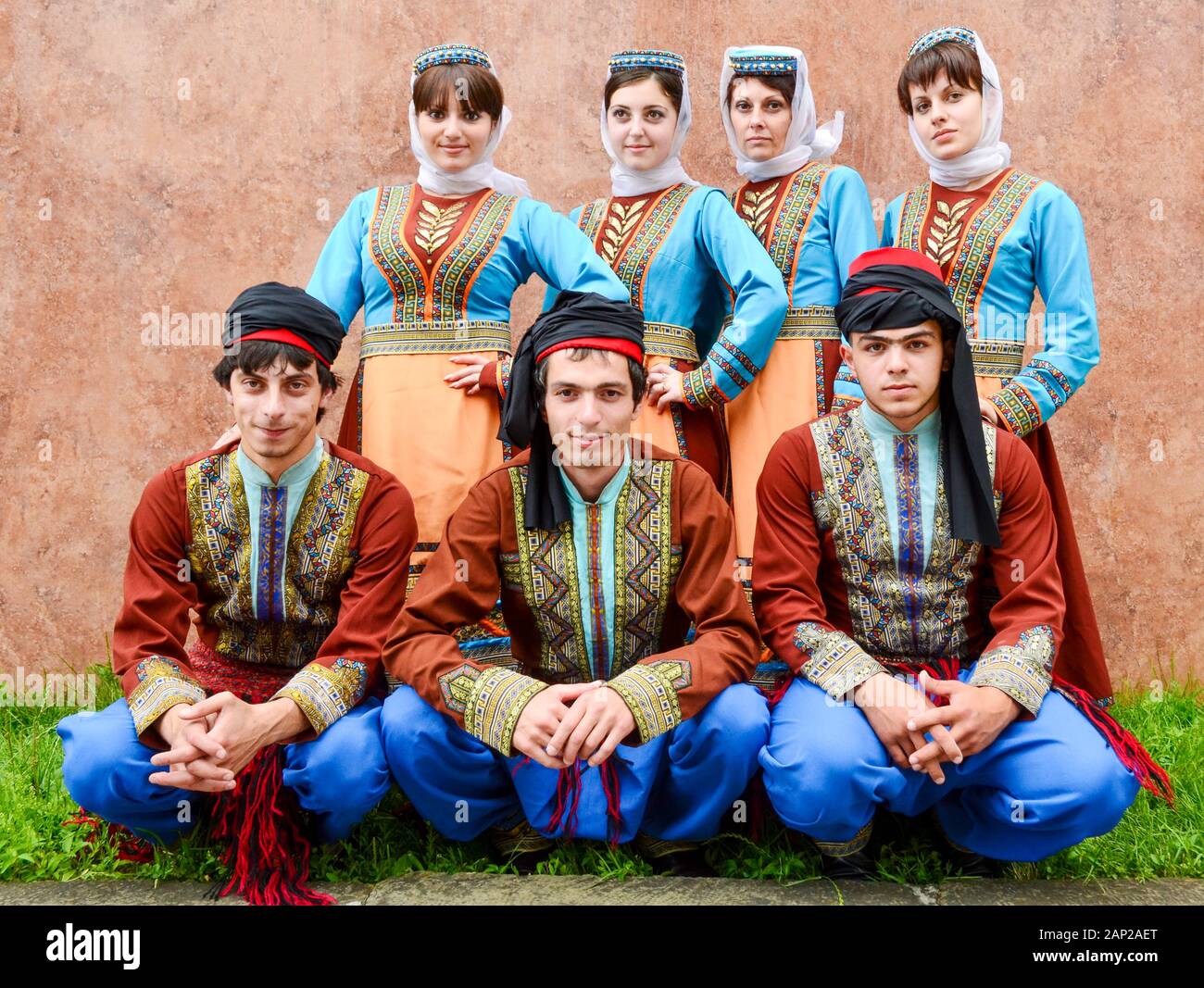
Armenian Independence Day, celebrated annually on September 21, serves as the cornerstone of modern Armenian statehood and national consciousness. It marks the 1991 referendum where the Armenian people voted overwhelmingly to secede from the Soviet Union, transforming the date into a symbol of self-determination, democratic will, and the transition from a Soviet republic to a sovereign nation.
The Historical Genesis of September 21, 1991
To understand how this specific date shapes identity, one must analyze the legal and social atmosphere of the late 20th century. While many nations achieved independence through conflict or decree, Armenia’s path in 1991 was defined by a democratic mandate. Following the Declaration of Independence on August 23, 1990, the Armenian leadership opted for a nationwide referendum held on September 21, 1991.
During this vote, 95% of the eligible population participated, and a staggering 99.5% voted in favor of independence. This near-unanimous consensus is a critical element of the Armenian identity; it provides a shared narrative of unity that transcends political affiliation. In the context of 2026, looking back over 35 years, this date remains the primary reference point for the "Third Republic." It signifies a break from the "Second Republic" (the Soviet era) and an attempt to reclaim the sovereignty lost after the "First Republic" (1918–1920).
The date also carries the weight of the "Parade of Sovereignties" that occurred during the collapse of the USSR. For Armenians, September 21 is not just an anniversary of a political transition but a validation of the nation's right to exist as a distinct entity on the global stage. It moved the national focus from being a subject of a larger empire to being an architect of its own destiny.
Disambiguating National Holidays: September 21 vs. May 28
A common point of confusion for those outside the Armenian culture—and even a subject of internal debate—is the distinction between Independence Day (September 21) and First Republic Day (May 28). Both dates are essential to the national identity, but they shape it in different ways.
May 28, 1918, marks the formation of the First Republic of Armenia following the battles of Sardarapat, Bash-Aparan, and Karakilisa. This day represents survival and the miraculous birth of a state against all odds following the Armenian Genocide. In contrast, September 21, 1991, represents the restoration and the legal consolidation of that statehood.
While May 28 is often associated with the preservation of the Armenian gene and historical memory, September 21 is focused on the modern administrative and democratic state. By having both holidays, the Armenian calendar creates a dual-layered identity: one rooted in historical survival and the other in modern international legitimacy. This "dual identity" allows the nation to honor its ancient roots while simultaneously participating in the 21st-century global community.
The Role of Symbols and Statehood in Identity Construction
The date of September 21 acts as a catalyst for the renewal of national symbols. Every year, the celebration reinforces the importance of the Tri-color flag (Red, Blue, Orange), the Coat of Arms, and the national anthem, "Mer Hayrenik."
For a nation that was stateless for centuries, the presence of these symbols on Independence Day is a profound psychological anchor. National identity is often fragile in the face of geopolitical pressures; however, the ritualistic celebration of September 21 provides a sense of permanence. It shifts the collective psyche from a "diaspora-centric" mindset (focusing on what was lost) to a "state-centric" mindset (focusing on what is being built).
In 2026, the emphasis has increasingly moved toward "Institutional Identity." This means that the date is no longer just about the act of leaving the Soviet Union, but about the strengthening of the institutions—the military, the educational system, and the diplomatic corps—that protect that independence. The date serves as an annual audit of the state’s progress, where the citizens evaluate their role in the ongoing project of nation-building.
The Global Armenian Identity: September 21 in the Diaspora
One of the most unique aspects of Armenian Independence Day is its impact on the global Armenian Diaspora, which is significantly larger than the population of the Republic itself. For Armenians living in Los Angeles, Paris, Beirut, or Moscow, September 21 is the day that bridges the gap between their host country and their ancestral homeland.
The date shapes identity by providing a unified timeline for Armenians worldwide. Across different time zones, communities hold festivals, flag-raising ceremonies, and educational forums. This global synchronicity reinforces the concept of a "Transnational Nation." Even for those who have never visited Armenia, the date of September 21 serves as a point of pride and a tangible link to a sovereign "center."
Furthermore, the date has influenced how the Diaspora interacts with the Republic. Since 1991, Independence Day has often been a time for major announcements regarding "Repatriation" and "Pan-Armenian" funds. It transforms the identity of a Diaspora member from a "refugee descendant" to a "stakeholder" in a modern state. This psychological shift is perhaps the most significant long-term effect of the date on the global Armenian consciousness.
| Feature | First Republic Day (May 28) | Independence Day (Sept 21) |
|---|---|---|
| Year Established | 1918 | 1991 |
| Primary Theme | Survival and Rebirth | Sovereignty and Democracy |
| Historical Context | Post-Genocide / WWI | Collapse of the Soviet Union |
| Legal Basis | Declaration of Independence | National Referendum (99.5% Yes) |
| Identity Focus | Historical Resilience | Modern Statehood/Citizenship |
| Symbolic Center | Sardarapat Memorial | Republic Square, Yerevan |
Modern Challenges and Resilience in 2026
As of 2026, the meaning of Independence Day has taken on a more somber and resilient tone. Given the regional conflicts and shifts in the South Caucasus over the last several years, the date is now viewed through the lens of "Security and Sovereignty." The national identity is no longer just about the joy of being independent; it is about the grit required to maintain that independence in a volatile neighborhood.
This evolution has led to a "Securitized Identity," where the date is used to honor the sacrifices of the military and the resilience of border communities. Public discourse on September 21 now frequently revolves around the concept of "Real Independence"—the idea that true sovereignty requires economic self-reliance, technological advancement, and robust alliances.
The celebrations in 2026 reflect this shift. While there are still concerts and parades, there is a heavy emphasis on "Tech-driven Armenia" and "Educational Reform." The date has become a deadline for national goals, pushing the identity toward a more forward-looking, pragmatic direction. It asks the question: "We chose independence in 1991, but what are we doing to deserve it today?"
Rituals, Traditions, and Public Spaces
The physical geography of Armenia plays a massive role in how the date shapes identity. Republic Square in Yerevan becomes the "beating heart" of the nation every September 21. The architecture of the square, with its neoclassical tuff-stone buildings, provides a grand backdrop for military parades or civic gatherings.
The rituals of the day—ranging from the President awarding medals of honor to the lighting of the "Eternal Flame"—serve to sanctify the state. These traditions are essential for the youth, who did not experience the 1991 referendum. For the younger generation, September 21 is the primary vehicle through which they learn "Civic Patriotism." Unlike "Ethnic Patriotism," which is based on blood and history, Civic Patriotism is based on the shared laws, responsibilities, and future of the Republic.
In schools across the country, the weeks leading up to the date are filled with "Independence Lessons." These lessons emphasize that the date was a choice made by their parents and grandparents. This narrative of "Choice" is fundamental to the Armenian identity; it teaches that the state is not an accident of history but a conscious decision by the people.
Socio-Economic Impact of the Independence Narrative
The date also influences the economic identity of the nation. For many years, September 21 has been a preferred date for the inauguration of large-scale infrastructure projects, such as new highways, schools, or high-tech centers. By linking economic progress to the date of independence, the state reinforces the idea that prosperity is a fruit of sovereignty.
In the business sector, "Made in Armenia" branding often reaches its peak around this time. There is a concerted effort to promote local manufacturing and services as a form of "Economic Independence." This shapes a national identity that values self-sufficiency and innovation. In 2026, this is particularly evident in the IT sector, which sees itself as the "digital backbone" of Armenian sovereignty.
Frequently Asked Questions
Why is September 21 significant for the Armenian Republic?
September 21 is significant because it marks the day in 1991 when the Armenian people voted in a national referendum to become a sovereign, independent state. It represents the legal and democratic transition from the Soviet Union to the modern Republic of Armenia. This date is the foundation of the current constitutional order and international standing of the country.
How does Independence Day differ from Republic Day on May 28?
Republic Day (May 28) celebrates the 1918 formation of the first modern Armenian state after centuries of foreign rule and the horrors of the Genocide. Independence Day (September 21) celebrates the 1991 restoration of statehood following the Soviet era. While the former focuses on survival and historical rebirth, the latter focuses on the modern, democratic will and legal sovereignty of the people.
How does the Armenian Diaspora celebrate September 21?
The Diaspora celebrates the date through community events, cultural festivals, and political advocacy. For the Diaspora, the date acts as a unifying force that connects them to the current Republic. It is a day to reaffirm their identity and contribute to the growth and security of the homeland through various organizations and cultural exchange programs.
Is September 21 a public holiday in Armenia?
Yes, September 21 is a non-working public holiday in the Republic of Armenia. It is observed with official state ceremonies, cultural performances, and public gatherings. In 2026, it continues to be one of the most important dates on the national calendar, often involving high-level diplomatic visits and national awards ceremonies.
What symbols are most associated with Armenian Independence Day?
The primary symbols are the Tri-color flag (Red, Blue, Orange), the Coat of Arms, and the national anthem "Mer Hayrenik." Additionally, the 1991 referendum ballot and the Declaration of Independence are treated as sacred historical documents that define the day's symbolic weight.
How has the meaning of the date changed since 1991?
Originally, the date was a celebration of liberation from the Soviet system. Over the decades, and particularly by 2026, the meaning has evolved to include a focus on national security, economic resilience, and the responsibility of statehood. It has shifted from a celebration of an event to a celebration of the ongoing process of nation-building and the protection of sovereignty.
Recommendation for Further Action
To fully appreciate the depth of Armenian national identity, one should engage with both the historical and the modern expressions of the state. If you are a visitor or a member of the Diaspora, planning a visit to Republic Square in Yerevan during the September celebrations provides an unparalleled look into the country's civic pride. For those interested in the legal history, reviewing the Declaration of Independence is essential for understanding the principles upon which the modern state was founded. Finally, supporting local Armenian initiatives and businesses during this time is a practical way to contribute to the "Economic Independence" that the holiday celebrates.