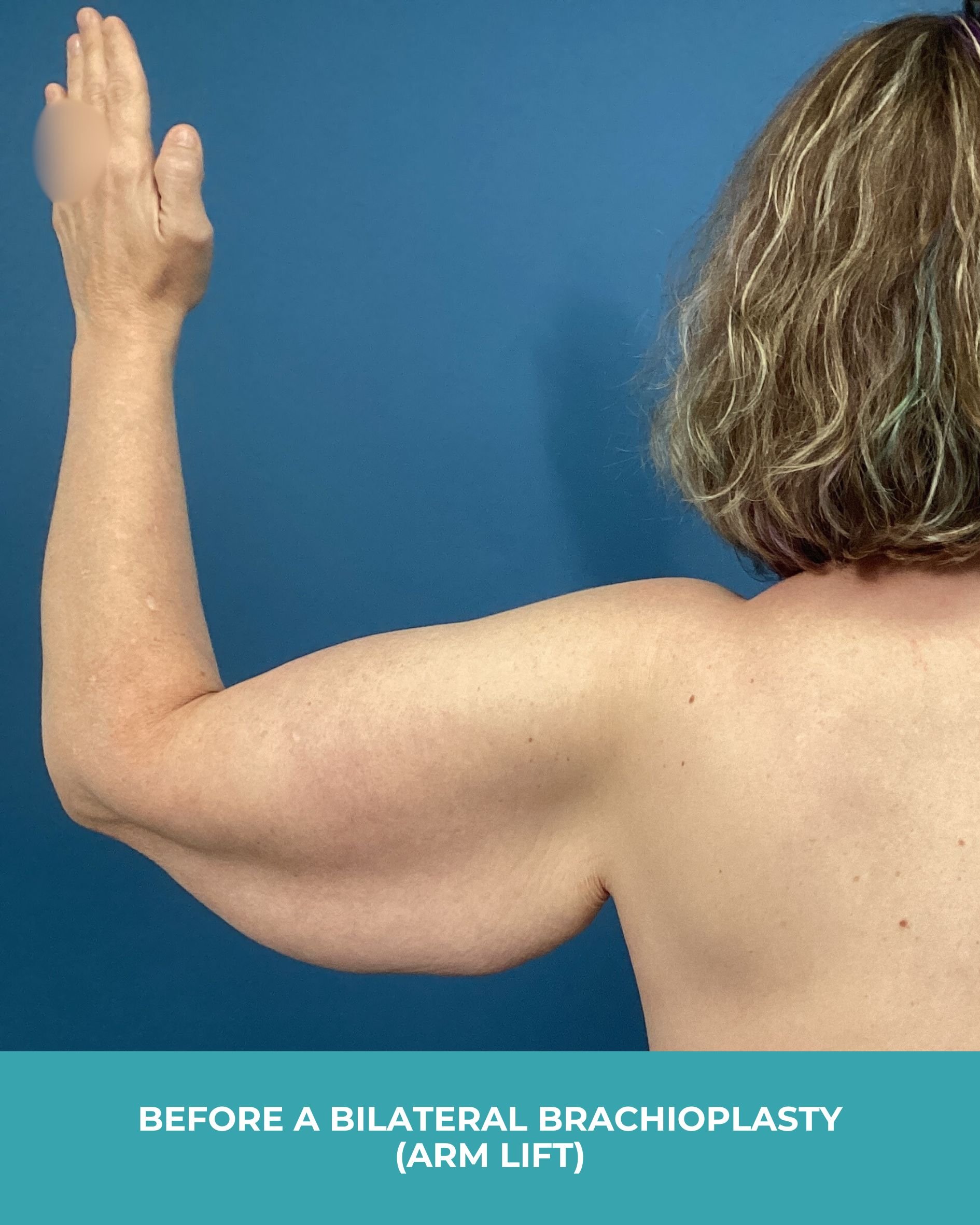
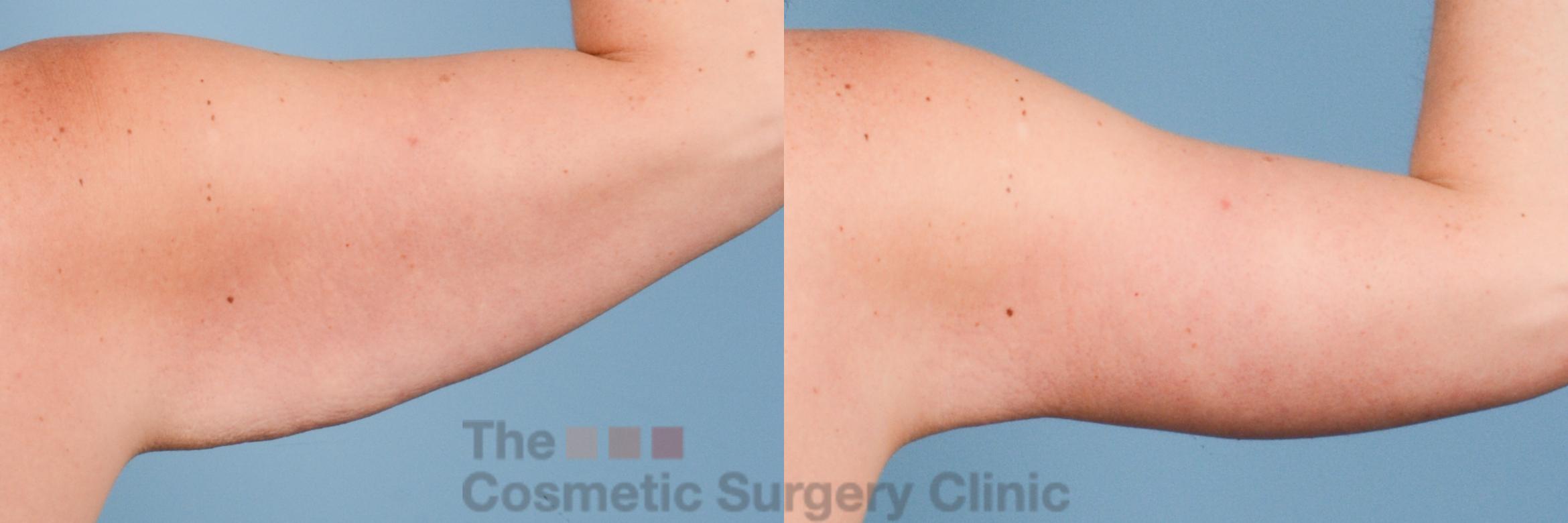
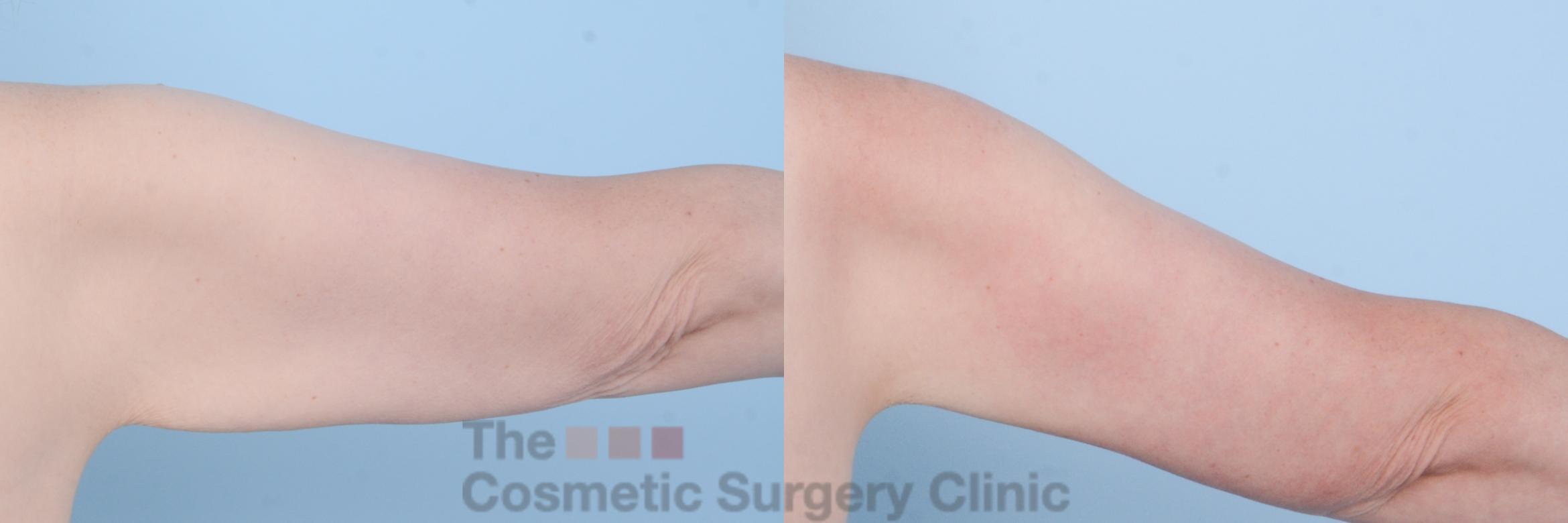
In 2026, the average cost of an arm lift in California ranges from $8,500 to $16,000, depending on the complexity of the case and regional pricing. This surgical procedure, medically termed brachioplasty, removes redundant skin and adipose tissue from the upper arms to restore a contoured, youthful appearance.
An arm lift is a significant surgical undertaking that addresses the "batwing" effect often caused by massive weight loss, natural aging, or genetic predispositions. In California—a global hub for aesthetic surgery—patients have access to some of the world's most experienced board-certified plastic surgeons. However, navigating the variables of cost, surgical techniques, and recovery protocols requires a detailed understanding of the current medical landscape.
Understanding Brachioplasty: The Purpose and Anatomy
The primary goal of a brachioplasty is to address skin laxity that cannot be corrected through exercise or diet. While strength training can build the triceps and biceps muscles, it cannot shrink overstretched skin or remove stubborn localized fat deposits effectively once the skin's elasticity has been compromised.
The procedure targets the area between the axilla (armpit) and the elbow. During the surgery, the surgeon reshapes the under portion of the upper arm to reduce excess skin folds and smooth the remaining tissue over the underlying muscle. In many California practices in 2026, surgeons utilize advanced "deep plane" techniques that anchor the underlying fascia to ensure longer-lasting results and reduced tension on the skin incisions, which helps in minimizing scar widening.
Who is a Candidate for an Arm Lift?
Ideal candidates for an arm lift in 2026 generally meet the following criteria:
- Stable Weight: Patients should be at or near their goal weight for at least six months. Fluctuations in weight after surgery can compromise the aesthetic outcome.
- Significant Skin Laxity: Individuals with a noticeable "drape" of skin on the underside of the arms.
- Non-Smokers: Smoking significantly impairs blood flow and delays wound healing, increasing the risk of skin necrosis or infection.
- Realistic Expectations: Understanding that an arm lift involves a visible scar, usually located on the inside or back of the arm.
Detailed Breakdown of Arm Lift Costs in California (2026)
California remains one of the most expensive states for elective surgery due to high overhead costs, stringent safety regulations, and a high concentration of specialized practitioners. When evaluating a quote, it is essential to distinguish between the surgeon's fee and the total out-of-pocket cost.
Total Cost Components
A comprehensive price quote for an arm lift in California typically includes:
- Surgeon’s Fee: This reflects the doctor’s experience, reputation, and the complexity of the specific technique used.
- Anesthesia Fees: Usually billed by an anesthesiologist or a Certified Registered Nurse Anesthetist (CRNA). In 2026, many high-end California clinics prioritize board-certified anesthesiologists for enhanced safety.
- Operating Room/Facility Fees: Costs associated with the use of an accredited ambulatory surgical center (ASC) or hospital.
- Pre-operative Testing: Blood work, EKG, and medical clearances.
- Post-operative Garments: Specialized compression sleeves required for the first 4–6 weeks.
- Medications: Antibiotics, pain management, and anti-nausea prescriptions.
Regional Cost Variations within California
Pricing is not uniform across the state. Urban centers with higher cost-of-living metrics generally command higher surgical fees.
| Region | Estimated Total Cost Range (2026) | Factors Influencing Price |
|---|---|---|
| Los Angeles / Beverly Hills | $11,000 – $18,000 | High demand; world-renowned specialist premiums. |
| San Francisco / Bay Area | $10,500 – $17,500 | High facility overhead and administrative costs. |
| San Diego | $9,000 – $15,000 | Competitive market with numerous accredited centers. |
| Sacramento / Central Valley | $8,500 – $13,000 | Lower real estate and operational overhead. |
| Orange County (Newport Beach) | $10,000 – $16,500 | High density of luxury boutique surgical suites. |
The Surgical Procedure: Step-by-Step Overview
The modern brachioplasty has evolved to prioritize scar concealment and lymphatic preservation. The procedure typically takes two to three hours and is performed under general anesthesia or deep intravenous sedation.
Step 1: Anesthesia
Safety is paramount. In 2026, most California surgeons perform arm lifts in accredited surgical centers where patients are monitored by dedicated anesthesia providers. General anesthesia is the standard for full brachioplasty to ensure patient comfort and muscle relaxation.
Step 2: The Incision
The incision pattern depends on the amount of excess skin.
- Inner Arm Incision: The most common approach, extending from the armpit to just above the elbow. This is often preferred because the scar is hidden against the body when the arms are at the sides.
- Back of Arm Incision: Sometimes used if the surgeon feels the contour will be more symmetrical, though the scar is more visible from behind.
- Minimal Incision (Mini-Lift): A crescent-shaped incision limited to the armpit area, suitable for patients with mild laxity near the upper third of the arm.
Step 3: Tissue Reshaping and Liposuction
Surgeons often use tumescent liposuction in conjunction with the excision. Liposuction removes the stubborn fat layer, making it easier to redrape the skin smoothly. The surgeon then trims the excess skin and tightens the underlying supportive tissues (fascia) using internal dissolvable sutures.
Step 4: Closing the Incisions
Precision suturing is critical to minimizing scars. Many California surgeons now utilize barbed sutures or multi-layered closure techniques that distribute tension away from the skin's surface. In some cases, skin glue or surgical tape is applied over the stitches to provide an additional barrier against bacteria.
Comparison of Arm Lift Techniques
Choosing the right technique is a balance between the desired aesthetic result and the resulting scar length.
| Technique | Ideal Candidate | Incision Location | Recovery Time |
|---|---|---|---|
| Mini Arm Lift | Mild sagging near the axilla. | Axilla (armpit) only. | 1–2 weeks |
| Standard Brachioplasty | Moderate to severe "batwing" sagging. | Armpit to elbow. | 2–3 weeks |
| Extended Brachioplasty | Post-weight loss with skin extending to the chest. | Elbow to armpit, extending to the lateral chest wall. | 3–4 weeks |
| Lipo-Brachioplasty | Good skin elasticity but significant fat. | Small punctures for cannula access. | 1 week |
Recovery and Post-Operative Care
Recovery in the first 48 hours is the most intensive phase. Patients in California often utilize "aftercare" nursing services or recovery retreats, particularly in the Los Angeles area.
The First Week
Initial swelling and bruising are normal. Patients must wear compression sleeves 24/7 to reduce fluid buildup (seroma) and support the new contours. Arms should be kept elevated on pillows to encourage lymphatic drainage. Most patients can manage discomfort with prescribed oral medications.
Weeks Two through Six
Stitches are typically monitored or removed (if not dissolvable) by the second week. Light walking is encouraged to prevent blood clots, but heavy lifting (anything over 5–10 lbs) and vigorous upper-body exercise are strictly prohibited. By week six, most patients are cleared to resume normal activities, though the scars will remain pink or firm for several months.
Long-Term Scar Management
California's sunny climate necessitates strict UV protection for surgical scars. Surgeons recommend medical-grade silicone sheets or gels and high-SPF sunscreen for at least 12 months post-op to prevent the scar from darkening (hyperpigmentation).
Risks and Safety Considerations
While brachioplasty is generally safe when performed by a qualified professional, it is a major surgery. According to the Medical Board of California, patients should always verify that their surgeon’s license is in good standing and that the surgical facility is accredited by organizations like the AAAASF or the Joint Commission.
Potential risks include:
- Seroma: A collection of fluid under the skin, which may require aspiration with a needle.
- Lymphedema: Chronic swelling if lymphatic vessels are damaged during surgery.
- Asymmetry: Slight differences in the contour of the left and right arms.
- Hypertrophic Scarring: Thick or raised scars, more common in patients with certain skin types or those who put tension on the wound too early.
Selecting a Surgeon in California
In 2026, the proliferation of "cosmetic surgeons" (a term that can be used by any MD regardless of residency training) makes it vital to seek a Board-Certified Plastic Surgeon. Certification by the American Board of Plastic Surgery (ABPS) ensures the physician has completed specific training in plastic surgery of the entire body, including the extremities.
When consulting with a surgeon, ask to see "Before and After" photos specifically of patients with a similar body type to yours. Discuss their specific protocol for minimizing nerve damage and their approach to scar placement.
Frequently Asked Questions
Does medical insurance cover an arm lift in California?
Typically, no. Brachioplasty is considered an elective cosmetic procedure. However, if the excess skin causes chronic infections, intertrigo (rashes), or significant functional impairment after massive weight loss, some private insurers may offer partial coverage. Patients should consult with their provider and a plastic surgeon who specializes in post-bariatric reconstruction.
How long do the results of an arm lift last?
The results are generally permanent, provided the patient maintains a stable weight. While the natural aging process will continue and skin may lose some elasticity over the decades, the significant "batwing" fold will not return.
Can liposuction alone achieve the same results?
Liposuction only removes fat; it does not tighten skin. If a patient has good skin elasticity (usually younger patients), liposuction may suffice. However, for most patients seeking an arm lift in 2026, the issue is skin redundancy, which requires surgical excision.
What is the "hidden" scar technique?
The "hidden" scar usually refers to the mini-brachioplasty where the incision is tucked into the natural fold of the armpit. For a full arm lift, "hidden" refers to placing the incision on the innermost part of the arm so it is not visible from the front or back when the arms are resting at the sides.
When can I return to work after an arm lift?
Most patients with desk jobs return to work within 10 to 14 days. Those with physically demanding jobs requiring heavy lifting may need 4 to 6 weeks of recovery time before returning to full duties.
Final Recommendation
For residents or medical tourists in California, the decision to undergo an arm lift should begin with a consultation with at least two board-certified plastic surgeons to compare surgical approaches and facility safety standards. While the 2026 costs are significant, the high level of surgical expertise available in California offers a pathway to safe and transformative results. Prioritize the surgeon's experience and the accreditation of the surgical suite over the lowest price point to ensure the best possible aesthetic and functional outcome.