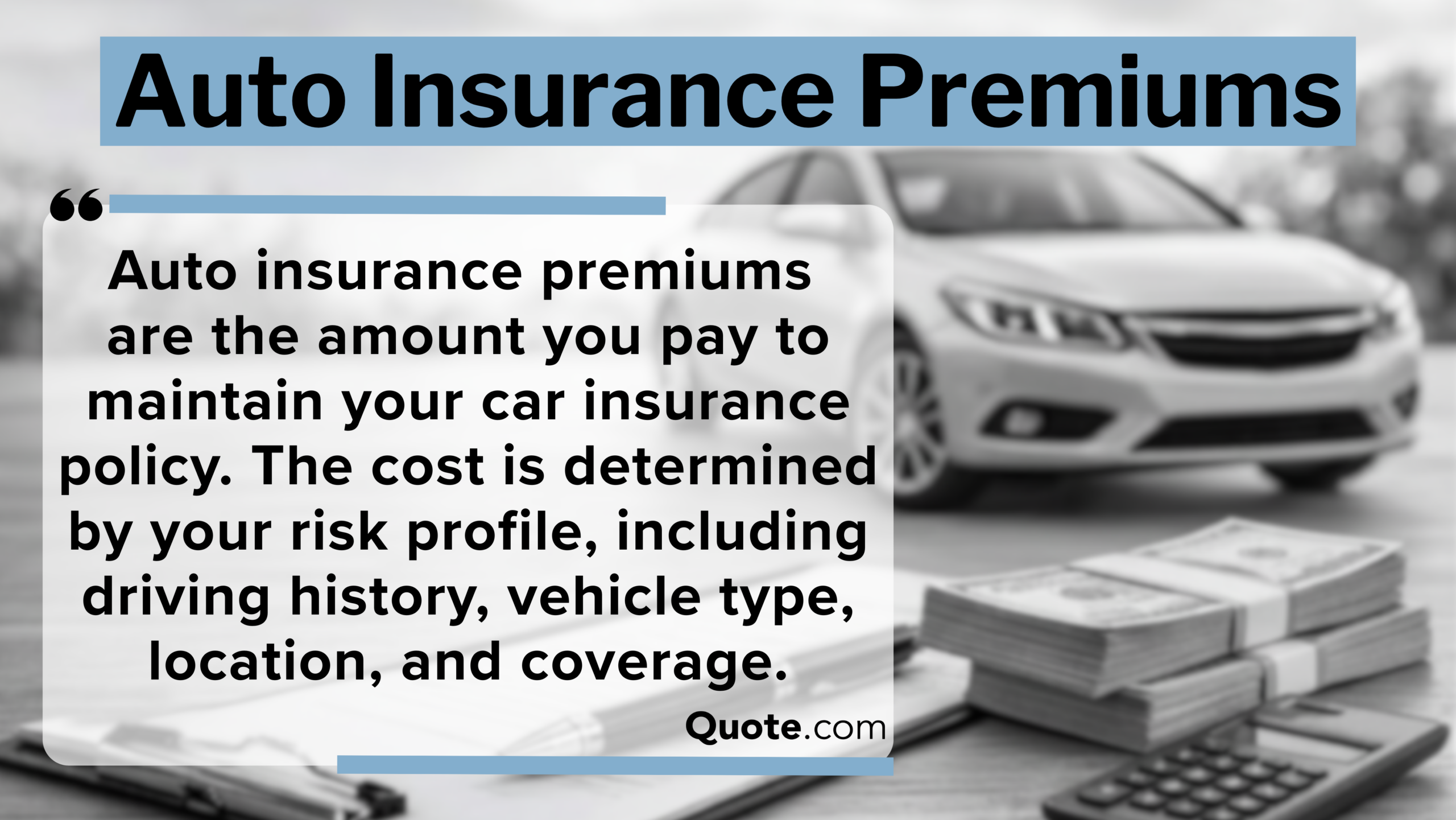
Arizona drivers often face higher-than-average auto insurance premiums due to a combination of high urban density in the Phoenix metro area, extreme weather patterns, and a significant percentage of uninsured motorists. By understanding local risk factors, leveraging state-specific discounts, and optimizing coverage limits, drivers can significantly reduce their annual insurance expenses.
The State of Arizona Auto Insurance in 2026
As we navigate 2026, Arizona continues to be one of the more expensive states for automotive coverage in the Southwest. While the extreme inflationary spikes seen in the early 2020s have largely stabilized, the baseline cost for a standard policy in the Grand Canyon State remains elevated compared to many of its neighbors. This pricing disparity is not the result of a single factor but rather a "perfect storm" of geographic, demographic, and economic conditions unique to Arizona.
For many residents, the monthly insurance bill has become a significant portion of their household budget. However, "paying too much" is often a relative term. In Arizona, the premium you pay is a reflection of the risk the insurance company assumes. In 2026, that risk is influenced by more advanced vehicle technology, which is costlier to repair, and a legal environment that places the financial burden on the at-fault party in an accident. Understanding these mechanics is the first step toward reclaiming control over your premiums.
Why Arizona Premiums Are Historically High
To address the feeling that you are overpaying, it is essential to look at the underlying drivers of Arizona’s insurance market. Insurance companies use complex algorithms to determine rates, and several Arizona-specific variables consistently push these numbers upward.
Urban Congestion and the "Valley of the Sun" Factor
A vast majority of Arizona’s population is concentrated in the Phoenix-Mesa-Chandler and Tucson metropolitan areas. In 2026, these regions continue to experience rapid growth, leading to increased traffic density. More cars on the road naturally lead to a higher frequency of collisions. Unlike rural states where accidents are fewer and further between, Arizona’s urban centers create a high-frequency claim environment that insurers offset with higher premiums for all residents in those zip codes.
Extreme Weather and Environmental Hazards
Arizona’s climate poses unique risks to vehicles that are not present in milder regions. The extreme summer heat, which frequently exceeds 110 degrees, causes accelerated wear on batteries, tires, and cooling systems, leading to mechanical breakdowns that can result in accidents. Furthermore, the "monsoon season" brings unpredictable flash flooding and severe dust storms (haboobs). These events cause massive multi-vehicle pileups and significant comprehensive claims for wind and water damage, which are factored into the statewide base rates.
The Uninsured Motorist Problem
Arizona has historically struggled with a high percentage of uninsured drivers. When an uninsured driver causes an accident, the financial burden often falls back on the insured population or their insurance providers. To protect themselves, many Arizona drivers are forced to purchase Uninsured/Underinsured Motorist (UM/UIM) coverage. While this is a prudent financial move, it adds another layer of cost to the monthly premium that drivers in states with higher compliance rates might not have to bear.
Vehicle Theft and Vandalism Rates
While law enforcement efforts have improved, certain parts of Arizona remain hotspots for vehicle theft and catalytic converter larceny. Because Arizona is a border state and features large, sprawling parking lots in shopping hubs, the statistical likelihood of a vehicle being stolen or tampered with is higher than the national median. This risk is baked into the "Comprehensive" portion of an Arizona auto policy.
Arizona’s Legal Framework: Tort and Liability
Arizona operates under a traditional tort system. This means that in the event of an accident, someone must be found at fault. The person at fault—and their insurance company—is responsible for paying the damages. This differs from "no-fault" states where each driver’s insurance pays for their own medical bills regardless of who caused the crash.
The tort system in Arizona allows for "comparative negligence." This means if you are 20% at fault and the other driver is 80% at fault, your recovery is reduced by your percentage of fault. While this system is generally considered fair, it leads to higher legal and administrative costs for insurance companies as they investigate fault and litigate disputes. These legal overheads are ultimately passed down to policyholders in the form of higher premiums.
Minimum Coverage Requirements in 2026
To legally operate a vehicle in Arizona, drivers must meet the 25/50/15 minimum liability requirements:
- $25,000 for bodily injury liability per person.
- $50,000 for bodily injury liability per accident.
- $15,000 for property damage liability.
While these are the minimums, most financial experts in 2026 suggest that these limits are outdated and insufficient to cover the costs of a modern multi-vehicle accident or a serious medical claim. Increasing these limits slightly can offer much better protection, often for a surprisingly small increase in the monthly premium.
Comparing Top Insurers in the Arizona Market
Not all insurance companies view Arizona's risks the same way. Some companies specialize in high-risk drivers, while others offer the best rates to those with pristine credit and driving records. Below is a comparison of how major carriers typically position themselves in the Arizona market as of 2026.
| Insurer | Known For | Best For | Typical Arizona Discount |
|---|---|---|---|
| State Farm | Largest local agent network | Personal service and bundling | Multi-policy (Home + Auto) |
| GEICO | Competitive digital platforms | Tech-savvy drivers on a budget | Federal employee/Military |
| Progressive | Comparison tools | Drivers with a prior accident | Snapshot (Telematics) |
| AAA Arizona | Roadside assistance integration | Mature drivers and commuters | Member loyalty discounts |
| USAAs | High customer satisfaction | Military members and families | Exclusive military-only rates |
| American Family | Robust localized coverage | Homeowners in suburban AZ | Steer Into Savings program |
Strategies for Reducing Your Arizona Premium
If you feel you are paying too much for auto insurance, there are several actionable steps you can take in 2026 to lower your costs without sacrificing essential coverage.
1. Leverage Telematics and "Pay-Per-Mile"
In 2026, telematics technology has become highly sophisticated. Programs like Progressive’s Snapshot or State Farm’s Drive Safe & Save use a mobile app or a plug-in device to monitor your actual driving habits. If you avoid hard braking, don't drive late at night, and stay off your phone, you can earn discounts of up to 30%. For those who work from home or use the Valley Metro system and drive less than 8,000 miles a year, "pay-per-mile" insurance (like Metromile or Allstate Milewise) can be significantly cheaper than a traditional policy.
2. Improve Your Insurance Score (Credit-Based)
Arizona allows insurance companies to use your credit history to help determine your premium. This is known as a credit-based insurance score. Insurers have found a high correlation between financial responsibility and driving safety. If you take steps to lower your debt-to-income ratio and ensure all bills are paid on time, you may see your insurance rates drop at your next renewal.
3. Adjust Your Deductibles
The deductible is the amount you pay out of pocket before insurance kicks in for comprehensive or collision claims. If you have a healthy emergency fund, raising your deductible from $500 to $1,000 can lower your premium by 15% to 25%. In Arizona, where cracked windshields are common due to road debris, many drivers opt for "Full Glass Coverage." While convenient, skipping this and paying for the occasional chip repair yourself can also lower your monthly bill.
4. Search for Arizona-Specific Professional Discounts
Many insurers offer discounts for members of specific organizations or professions. In Arizona, this often includes:
- Certified teachers and educators.
- First responders (Police, Fire, EMT).
- Active duty and retired military personnel.
- Alumni of Arizona State University (ASU), University of Arizona (U of A), or Northern Arizona University (NAU).
5. Review Coverage for Older Vehicles
If you are driving a vehicle that is over 10 years old and has significant mileage, the cost of "Collision" and "Comprehensive" coverage might exceed the actual book value of the car. In the event of an accident, the insurer will only pay the Actual Cash Value (ACV). If your car is worth $3,000 and your premium for these coverages is $600 a year with a $1,000 deductible, you may be better off dropping those coverages and "self-insuring" the vehicle.
Common Mistakes Arizona Drivers Make
When trying to save money, it is easy to fall into traps that can cost more in the long run. Avoiding these mistakes is crucial for maintaining financial stability.
- Shopping only once a year: The Arizona insurance market is dynamic. A company that was the cheapest for you two years ago might have raised its rates statewide. It is recommended to shop your rate every six months.
- Ignoring the "Uninsured Motorist" selection: While it adds cost, opting out of UM/UIM in a state like Arizona is extremely risky. Ensure you have at least 25/50 limits for UM/UIM.
- Lying about mileage: While it might lower your rate temporarily, if you have an accident and the adjuster sees your odometer is 20,000 miles over what you reported, they could deny the claim for material misrepresentation.
- Not reporting safety features: Ensure your agent knows about every safety feature on your car, from lane-departure warnings to aftermarket anti-theft devices. In 2026, many of these "Advanced Driver Assistance Systems" (ADAS) qualify for specific discounts.
Frequently Asked Questions
Does my zip code really matter that much in Arizona?
Yes. Your zip code is one of the primary factors in determining your rate. For example, a driver in a high-traffic, high-theft area of Phoenix (like 85008) will almost always pay more than a driver with the same record in a quieter suburb like Gilbert (85297) or a rural town like Prescott.
Is glass coverage mandatory in Arizona?
No, it is not mandatory by law, but it is a very common add-on. Arizona law (A.R.S. § 20-263) requires insurers to offer a $0 deductible option for safety equipment (glass), but you are not required to purchase it. If you are looking to cut costs, moving to a deductible-based glass policy is an option.
How does a "Desert Risk" affect my car insurance?
While not a formal term in your policy, "Desert Risk" refers to the comprehensive hazards of the Southwest: heat damage, flash floods, and sandstorms. Insurance companies in Arizona weigh "Comprehensive" coverage differently than those in the Midwest because they expect more environmental damage claims than snow-related collision claims.
Can I be canceled for too many windshield claims?
In Arizona, insurers generally cannot cancel your policy or increase your premium solely for a glass-only claim. However, having an excessive number of claims (including glass) in a short period can sometimes affect your "Tier" placement with an insurer, which might lead to higher rates or non-renewal if other risk factors are present.
Does Arizona have a "Grace Period" for insurance payments?
Arizona law does not mandate a specific grace period for auto insurance payments. If you miss a payment, the insurer can cancel your policy, though they must provide notice. Always contact your insurer immediately if you cannot make a payment to avoid a "lapse," which will cause your rates to skyrocket later.
Final Recommendation for Arizona Drivers
To stop paying too much for auto insurance in 2026, your first action should be to request a "Comprehensive Insurance Report" (CLUE report) to ensure there are no errors in your claims history. Once verified, use an independent agent who can shop across multiple carriers—not just the big national brands—to find a policy that accounts for Arizona’s unique environmental and legal risks. Moving to a telematics-based "pay-how-you-drive" model currently offers the single largest potential discount for the average Arizona commuter.