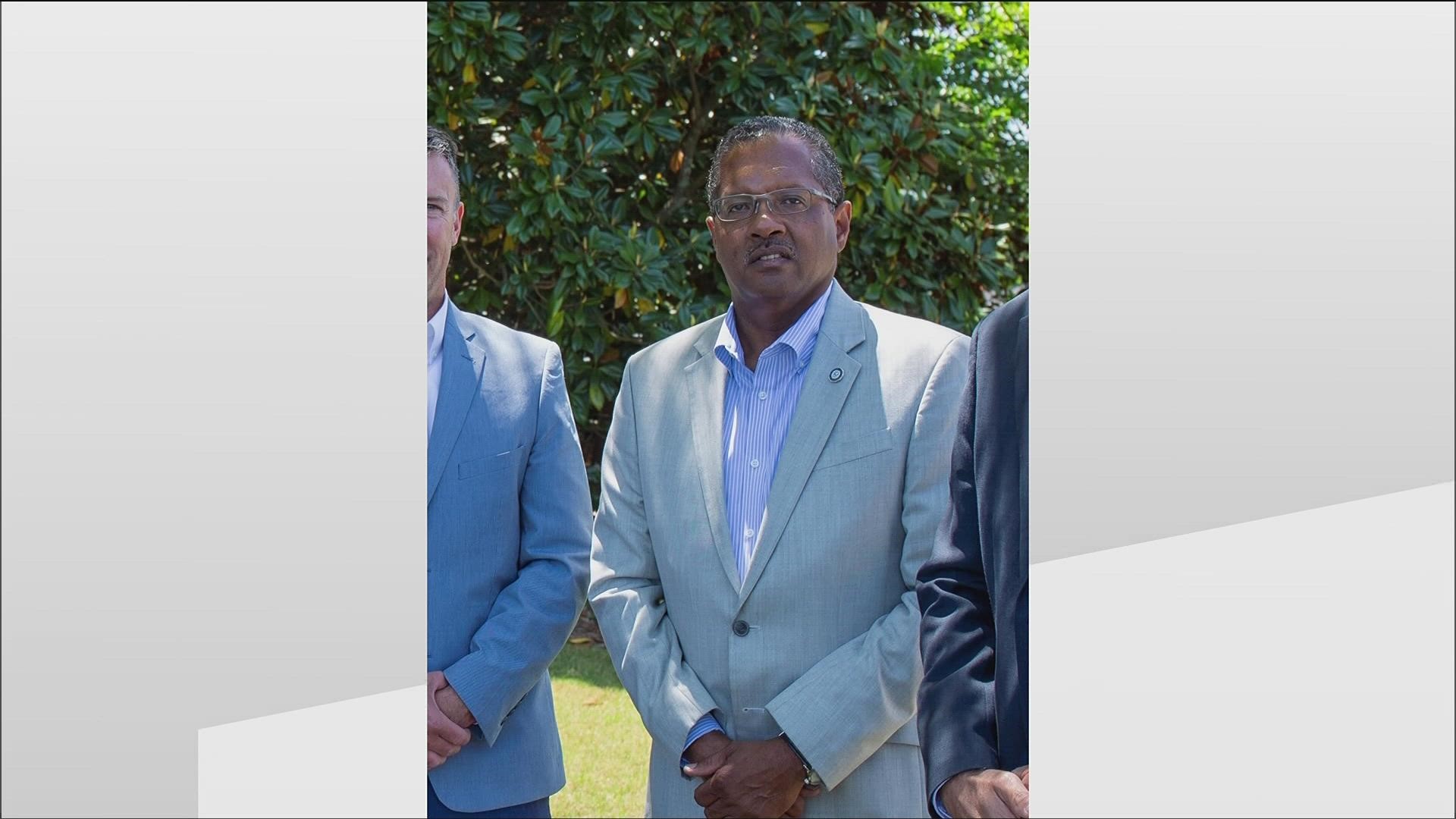
Victor Rjesnjansky is a private individual whose presence in public records is primarily tied to localized legal, professional, and civic documentation rather than mainstream media or celebrity status. As of 2026, there are no verifiable public reports or official records indicating that he is deceased; therefore, he is presumed to be living.
The search for information regarding the status of individuals who are not public figures often stems from curiosity about local community members, genealogical research, or the pursuit of public records related to past business or legal dealings. Because Victor Rjesnjansky is not a public figure or a globally recognized entity, verifying his status requires an understanding of how public records are maintained, how they differ from media reporting, and why "lack of evidence" is the standard status for private citizens.
Distinguishing Private Individuals from Public Figures
In the context of information retrieval, the term "public figure" refers to individuals who have achieved widespread fame, hold significant political office, or occupy a position of such notoriety that their lives are subject to constant public interest. For such individuals, major news outlets often provide immediate confirmation of status changes, including death, through formal obituaries or breaking news coverage.
Victor Rjesnjansky does not fall into this category. Consequently, there is no centralized database or news archive that tracks his life events for public consumption. When an individual has a limited digital footprint, the absence of an obituary, death notice, or memorial service listing in national databases does not necessarily confirm they are alive, but it does mean there is no public record to suggest otherwise. In the United States and many other jurisdictions, the death of a citizen is a legal event filed with state or county health departments; however, these records are often restricted to immediate family members and those with a documented "legal interest," such as executors of an estate or creditors.
Navigating Public Record Systems
To determine the status of any private individual, researchers typically turn to public record databases. Understanding what these databases do and do not contain is essential for managing expectations.
Vital Records and Death Indices
The primary source for verifying a death is the Social Security Death Index (SSDI) in the United States, or equivalent national registries in other countries. The SSDI historically included death information for individuals who held a Social Security number and whose deaths were reported to the Social Security Administration. However, access to these records has become increasingly restricted over the years to protect personal privacy and prevent identity theft.
Probate and Court Records
If an individual has passed away, their estate often goes through a process called probate. Probate records are generally considered public records. If a researcher believes an individual might be deceased, searching the clerk of court’s database in the county or jurisdiction where the person last resided is a standard procedure. If no probate case has been filed, it does not prove the person is alive—as not all estates require formal probate—but it is a significant indicator that no legal process concerning their death has occurred.
Property and Tax Assessments
Local government tax assessor offices maintain records of property ownership. If Victor Rjesnjansky has historically been associated with property, checking the status of those deeds can provide a lead. If a property is still under the same ownership or has been transferred via a trust or inheritance, it may offer clues. In 2026, most of these records are accessible through municipal online portals.
Challenges in Information Retrieval
When searching for individuals with unique surnames or specific regional ties, several factors can hinder the search process.
- Data Fragmentation: Information is rarely consolidated. A death might be recorded in a local newspaper obituary but never reach a national aggregator.
- Privacy Protections: Many jurisdictions have enacted stricter privacy laws, removing birth dates and middle names from publicly searchable internet databases to combat identity fraud.
- The "Silent" Life: Many people live long, productive lives with little to no digital footprint. The absence of a social media presence or professional biography is not a reflection of an individual’s status but rather a reflection of the digital age's bias toward documented activity.
Verification Methods Table
If you are attempting to verify the status of a private individual for personal or legal reasons, the following table outlines the efficacy of various information sources.
| Source Type | Information Provided | Reliability | Accessibility |
|---|---|---|---|
| Social Security Death Index | Confirmed deaths | High | Restricted |
| County Probate Records | Estate/Legal status | Very High | Public/County Clerk |
| Local Newspaper Obituaries | Reported deaths | High | Archives/Digital |
| Property Tax Records | Ownership status | Medium | Public/Assessor |
| Social Media Platforms | Activity indicators | Low | Public/Restricted |
The Role of Genealogy and Research Services
For individuals seeking information about someone like Victor Rjesnjansky for genealogical or historical reasons, professional record search services may be more effective than general search engines. These services often aggregate data from multiple public sources, including cemetery records, marriage licenses, and voter registrations.
It is important to note that many "people search" websites operate by scraping data from public directories. These sites are notorious for displaying outdated information. It is common to see individuals listed as "active" at an address they moved from a decade ago, or conversely, to see them listed as having a different status entirely due to data matching errors. Always prioritize information retrieved directly from government or official municipal portals over third-party data aggregators.
Ethics and Legal Considerations
When investigating the status of an individual, it is important to adhere to ethical standards and legal boundaries. Using non-public or "private" data obtained through hacking, data breaches, or unauthorized access to private accounts is illegal. Even when information is technically "public," such as property deeds or court filings, it should be used for legitimate purposes only.
Harassment or "doxing" (the act of publishing private information about an individual) is a serious concern in the digital age. If you are researching an individual for personal reasons—such as a former colleague or acquaintance—respecting their right to privacy is paramount. If a person has chosen to live their life outside the public eye, that preference should be honored.
Frequently Asked Questions
1. Is there a public obituary for Victor Rjesnjansky?
No. There are no widely publicized obituaries or death notices associated with this name in major regional or national databases. The absence of such a record is the most common reason for the assumption that a private citizen is still alive.
2. Can I use a social media search to verify if someone is alive?
Social media is not a reliable tool for this purpose. Many users maintain profiles that are inactive for years, or they may have profiles set to private. Conversely, memorialized accounts on platforms like Facebook or Instagram can indicate a death, but these are updated by family members and are not official legal records.
3. What should I do if I have a legal need to know someone's status?
If you have a legitimate legal interest, such as an inheritance, a pending legal claim, or a contractual obligation, consult an attorney. Legal professionals can issue formal inquiries to vital records offices or request information through the discovery process in court, which is the only way to obtain official, legally binding confirmation of a person's status.
4. Why are some people hard to find in public records?
Public records are often tied to specific geographic locations. If an individual has moved frequently, or if their name is common, it becomes difficult to link records together. Furthermore, people who do not own property or have not been involved in civil litigation may simply not appear in many of the databases that third-party search tools use.
Recommended Next Actions
If your interest in Victor Rjesnjansky is based on a specific, non-legal reason, the best approach is to stop searching public archives. The current lack of information is, in itself, a reflection of the fact that he is not a public figure.
If your inquiry is related to a legal, financial, or genealogical matter:
- Identify the last known location: Narrow your search to the county or state where the individual was last known to reside.
- Contact the County Clerk: Reach out to the Clerk of Court or the Office of Vital Statistics in that jurisdiction to inquire about how to access public records or estate filings.
- Consult a professional: For genealogy, a professional researcher can help navigate the nuances of local history. For legal matters, an attorney is essential to ensure you are acting within the bounds of the law regarding privacy and data access.
By following these formal channels, you ensure that any information gathered is accurate, verifiable, and obtained through ethical means.