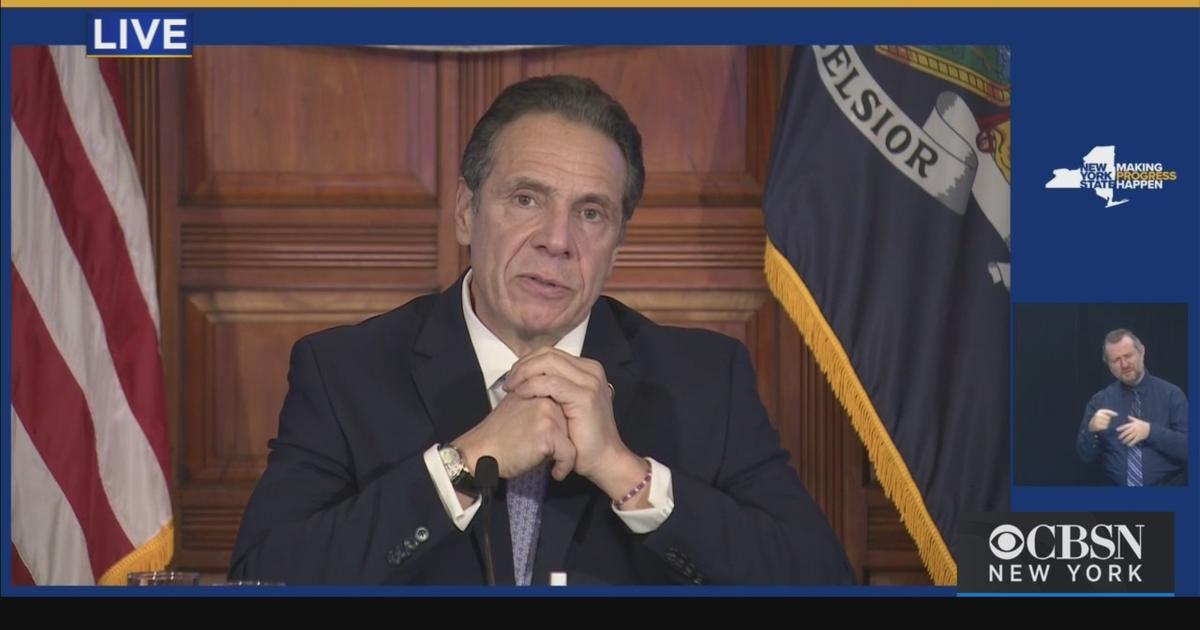
The allegations brought forward by Lindsey Boylan, a former economic development advisor to Andrew Cuomo, served as the initial catalyst for a series of events that eventually led to the Governor’s resignation in 2021. Boylan accused Cuomo of a pattern of sexual harassment, including an unwanted kiss and suggestive comments about "strip poker," which were later corroborated by an independent investigation.
The Origin of the Allegations (December 2020 – February 2021)
The public discourse surrounding Andrew Cuomo’s conduct changed significantly on December 13, 2020. Lindsey Boylan, who served as the Deputy Secretary for Economic Development and special advisor to the Governor from 2015 to 2018, posted a series of tweets alleging that Cuomo had sexually harassed her for years. At the time, Boylan noted that many people witnessed the behavior but stayed silent. While the initial tweets were brief, they sent shockwaves through the New York political establishment, as Cuomo was then at the height of his national profile due to his televised COVID-19 briefings.
In February 2021, Boylan expanded on these claims in a detailed essay published on Medium. She described a workplace culture defined by fear, intimidation, and inappropriate sexual overtones. Boylan’s account was the first time a former staffer had provided a specific, written narrative of misconduct against the Governor. She detailed how her promotion to a more senior role in 2015 came with increased proximity to Cuomo, which she alleged resulted in frequent uncomfortable interactions.
The importance of Boylan’s decision to go public cannot be overstated. It effectively broke a seal of silence that had surrounded the Executive Chamber for over a decade. Her detailed essay provided the framework for what would become a much larger investigation, emboldening other women—both within and outside the administration—to come forward with their own accounts of similar behavior.
Detailed Allegations and Specific Incidents
Boylan’s allegations were not limited to general workplace toxicity; they included specific instances that would later be scrutinized by investigators and the public alike. Two primary incidents formed the core of her public testimony and subsequent legal filings.
The "Strip Poker" Incident
According to Boylan, during a flight on a taxpayer-funded jet in October 2017, Cuomo suggested they play "strip poker." Boylan was seated across from the Governor, with a press aide and a New York State Trooper present on the plane. She described the comment as a calculated attempt to humiliate her and assert dominance. While the Governor’s legal team later argued that the comment was meant as a joke or never happened, investigators found contemporaneous evidence, including emails and texts from Boylan to her husband and friends, that supported her version of events.
The Unwanted Kiss
The most serious physical allegation involved an incident in Cuomo’s Manhattan office in 2018. Boylan alleged that as she was leaving a one-on-one meeting, Cuomo stepped in front of her and kissed her on the lips. She described being in a state of shock and immediately leaving the office. This incident, Boylan argued, was the culmination of years of "grooming" behavior, where the Governor would allegedly touch her lower back, arms, and legs during meetings.
The "Double" Standard and Workplace Environment
Beyond physical contact, Boylan described an environment where her professional worth was frequently tied to her appearance. She claimed that the Governor made comparisons between her and a former girlfriend and that senior staff members encouraged her to "look her best" when meeting with him. This aspect of the allegations highlighted a broader issue within the Cuomo administration regarding the treatment of female staffers and the blurred lines between professional mentorship and personal harassment.
The New York State Attorney General’s Investigation
Following Boylan’s essay and the emergence of other accusers, including Charlotte Bennett and Anna Ruch, New York Attorney General Letitia James launched an independent investigation. The probe was led by former Acting U.S. Attorney Joon Kim and employment discrimination attorney Anne Clark. The resulting 165-page report, released in August 2021, was a turning point in New York political history.
The investigation concluded that Governor Cuomo had sexually harassed 11 women, including Lindsey Boylan. The report stated that the Governor’s actions violated both state and federal laws. Crucially, the investigators found Boylan’s testimony to be credible and corroborated by documentary evidence and witness statements. They noted that the Executive Chamber was a "toxic" workplace that enabled harassment and retaliated against those who spoke out.
The report also detailed the extent to which the Governor’s inner circle went to discredit Boylan. This included the unauthorized release of her confidential personnel files to the media shortly after her initial tweets in December 2020. This move was characterized by investigators as a deliberate act of retaliation intended to smear her character and discourage other victims from coming forward.
Retaliation Claims and the "Smear Campaign"
One of the most complex aspects of the Boylan case involves the alleged retaliation she faced after going public. Retaliation is a distinct legal violation under the New York State Human Rights Law, and the evidence regarding the Cuomo administration's response to Boylan was extensive.
In late 2020, as Boylan began speaking out, senior members of the Governor’s staff—including top aide Melissa DeRosa—coordinated the distribution of Boylan’s personnel records to various news outlets. These records included details about Boylan’s departure from the administration, which the Governor’s team used to suggest she was a "disgruntled" employee with performance issues.
However, the Attorney General’s investigation found that this effort was directed by the Governor himself. The investigation revealed that Cuomo had drafted a letter intended to be signed by former staffers that attacked Boylan’s credibility. While the letter was never published in its original form, the intent to intimidate was clear. This pattern of behavior became a central pillar of the civil litigation that followed Cuomo’s resignation. In the legal context of 2026, these retaliation claims remain a significant hurdle for Cuomo as he attempts to navigate post-gubernatorial life.
Key Events Timeline: 2020–2026
The following table outlines the progression of the allegations and the subsequent legal and political fallout.
| Date | Event | Significance |
|---|---|---|
| December 2018 | Boylan Resigns | Boylan leaves the administration, later citing a toxic environment. |
| December 2020 | Initial Tweets | Boylan first publicly alleges sexual harassment by Cuomo. |
| February 2021 | Medium Essay | Detailed account of the "strip poker" comment and unwanted kiss is released. |
| August 2021 | AG Report Released | Letitia James confirms 11 credible accusers, including Boylan. |
| August 24, 2021 | Cuomo Resigns | Facing certain impeachment, Cuomo leaves office. |
| 2022–2023 | Civil Litigation | Boylan and other accusers file civil suits against Cuomo and his aides. |
| 2024–2025 | Discovery & Depositions | Legal proceedings unearth further internal communications from the Executive Chamber. |
| 2026 | Current Status | Civil trials and settlements continue to shape the legal precedent for workplace harassment in NY. |
Impact on New York Politics and Cuomo’s Resignation
The political impact of Lindsey Boylan’s allegations was swift and absolute. Before her essay, Cuomo was seen as a potential presidential contender or a long-term fixture in New York politics. Within six months of her detailed account, he had lost the support of the New York State Legislature, the state’s congressional delegation (including Senators Chuck Schumer and Kirsten Gillibrand), and President Joe Biden.
The New York State Assembly’s Judiciary Committee began an impeachment inquiry shortly after the AG report was released. The evidence provided by Boylan, particularly regarding the use of state resources to facilitate a toxic environment and the subsequent retaliation, made the Governor’s position untenable. On August 10, 2021, Andrew Cuomo announced his resignation, effective two weeks later.
Boylan’s actions also led to significant legislative changes in New York. The state passed laws to further strengthen protections against workplace harassment and expanded the statute of limitations for survivors to bring civil claims. The "Boylan effect" is often cited by political analysts as the moment the "Me Too" movement truly held one of the most powerful executives in the United States accountable.
Legal and Professional Outcomes as of 2026
As of 2026, the legal battles stemming from these allegations have not entirely concluded. While several district attorneys in New York (including those in Albany, Westchester, and Manhattan) declined to pursue criminal charges—citing the difficulty of meeting the "beyond a reasonable doubt" standard for certain harassment statutes—the civil courts have remained active.
Lindsey Boylan filed a federal lawsuit against Andrew Cuomo and his top aides, alleging sexual harassment and illegal retaliation. In the years following the 2021 resignation, this lawsuit has moved through the discovery phase. Cuomo, for his part, has filed his own legal challenges, including a suit against the New York State Ethics Commission and attempts to have the state pay for his legal defense.
In 2026, the focus has shifted toward the accountability of the aides who facilitated the alleged harassment. The question of "executive privilege" and whether staff members can be held personally liable for participating in a "smear campaign" has become a landmark legal issue in New York employment law. For Boylan, the journey has transitioned from public whistleblowing to a long-term legal battle for damages and systemic reform.
The Broader Cultural and Policy Legacy
The allegations against Andrew Cuomo transformed how workplace harassment is handled in high-level political offices. Before Boylan went public, the Executive Chamber was often viewed as a "black box" where internal complaints were handled by loyalists rather than independent HR professionals.
In response to the scandal, New York implemented:
- Mandatory Independent Reporting: New requirements for reporting harassment directly to independent bodies rather than internal political appointees.
- Transparency in Settlements: Stricter rules regarding the use of non-disclosure agreements (NDAs) in cases involving public officials.
- Expansion of the Human Rights Law: Ensuring that all state employees, including those in the executive and legislative branches, are fully covered by modern harassment protections.
For Lindsey Boylan, her role as the first person to speak out has defined her public identity. She has remained an advocate for workplace reform, often speaking about the personal and professional costs of whistleblowing. While she faced significant pushback from Cuomo’s remaining supporters, her allegations are widely credited with ending an era of unchecked executive power in Albany.
Frequently Asked Questions
Did Andrew Cuomo face criminal charges for the allegations?
No, Andrew Cuomo did not face criminal convictions related to the allegations made by Lindsey Boylan or the other women mentioned in the Attorney General’s report. While several District Attorneys investigated the claims, they ultimately decided that the conduct described, while "credible" and "deeply troubling," did not meet the specific technical requirements for criminal prosecution under New York law at that time.
What was the specific evidence corroborating Lindsey Boylan’s claims?
Investigators cited several pieces of corroborating evidence, including contemporaneous emails where Boylan described the "strip poker" incident to her husband. They also interviewed other staffers who witnessed the Governor's suggestive behavior and found that Boylan’s description of the office layout and the timing of her meetings matched official records.
How did the Cuomo administration retaliate against Boylan?
The retaliation primarily involved the leaking of Boylan's confidential personnel files to the media. The goal was to portray her as someone who had been disciplined for workplace issues, thereby undermining her credibility. The Attorney General’s report found that this effort was coordinated at the highest levels of the Governor’s office.
Is Lindsey Boylan still involved in politics in 2026?
By 2026, Lindsey Boylan has primarily focused on advocacy and legal proceedings related to her case. While she previously ran for Manhattan Borough President, her recent work has centered on supporting survivors of workplace harassment and pushing for legislative reforms that protect whistleblowers in the public sector.
What is the current status of the civil lawsuit in 2026?
As of 2026, civil litigation remains ongoing. These suits seek damages for emotional distress, lost wages, and violations of civil rights. The cases have reached the stage where internal documents and depositions are being analyzed to determine the exact extent of the Cuomo administration's coordination in the alleged harassment and retaliation.
Practical Recommendation for Workplace Compliance
For organizations and public offices looking to avoid the systemic failures seen in the Cuomo administration, the Boylan case offers a stark lesson. It is essential to establish a neutral, third-party reporting mechanism that exists outside the direct chain of command. When human resources departments report directly to the person accused of misconduct, the system inherently fails. Employers should also conduct regular "culture audits" to identify patterns of "grooming" or "toxic" behavior before they escalate into legal liabilities. For employees, documenting interactions and maintaining contemporaneous records—as Boylan did—remains the most effective way to support a claim of harassment in a legal setting.