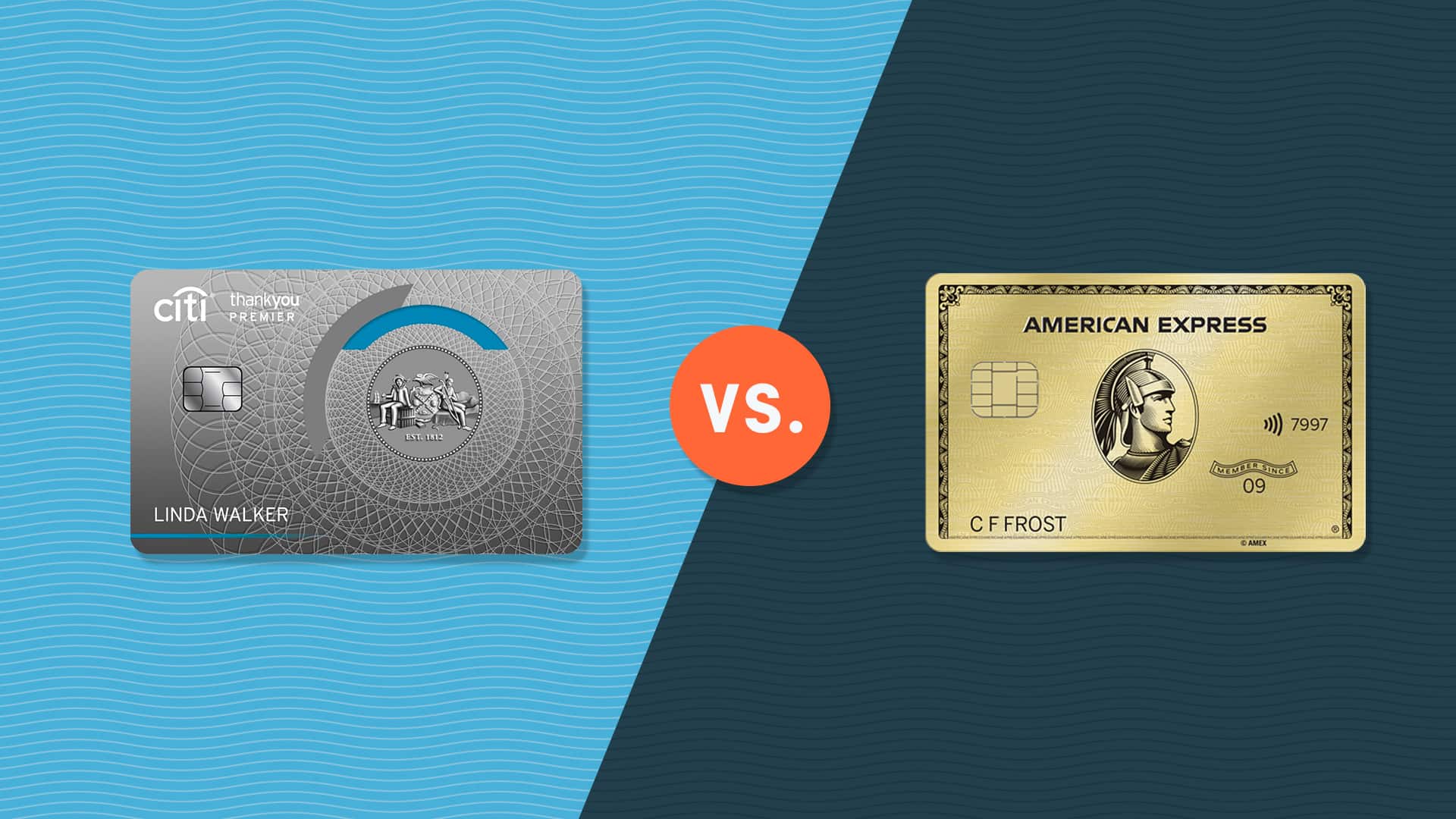
Choosing between the American Express Gold and Platinum cards depends primarily on your lifestyle spending. The Platinum Card is the premier choice for frequent travelers who prioritize luxury perks and lounge access, while the Gold Card is the superior "daily driver" for those who spend heavily on dining and groceries.
Deciding between these two heavyweights of the credit card world is a common dilemma for consumers looking to enter the Membership Rewards ecosystem. Both cards offer substantial value, but they serve distinct purposes. As we look at the financial landscape in 2026, the distinction between a "lifestyle" card and a "travel" card has never been more pronounced. While the Platinum Card carries a higher price tag and offers elite travel benefits, the Gold Card often yields a higher return on investment for the average household's monthly expenses.
Understanding the Core Identity of Each Card
To choose the right card, you must first understand the "persona" American Express has built for each. The American Express® Gold Card is designed for the epicurean—the individual who views dining out and cooking at home as their primary discretionary expenses. It focuses on high-velocity point accumulation on everyday necessities.
Conversely, the The Platinum Card® from American Express is designed for the global nomad. It is less of a spending tool and more of a "membership" tool. Its value is derived not necessarily from the points you earn on a sandwich at the local deli, but from the lounge access, hotel elite status, and comprehensive travel protections it provides when you are thousands of miles from home.
The Annual Fee Battle: Cost vs. Value
In 2026, the annual fees for these cards represent a significant commitment. The Platinum Card typically commands a premium annual fee of $695, while the Gold Card sits at a more moderate $325. However, viewing these numbers in isolation is a mistake. To find the right fit, you must calculate the "effective annual fee" by subtracting the value of the credits you will actually use.
Platinum Card Credits
The Platinum Card is famous (or perhaps infamous) for its "coupon book" approach. It offers over $1,500 in potential annual value through various credits, including:
- $200 Hotel Credit: Valid on prepaid Fine Hotels + Resorts® or The Hotel Collection bookings via American Express Travel.
- $200 Airline Fee Credit: For incidental charges like baggage fees or in-flight refreshments on a selected airline.
- $240 Digital Entertainment Credit: Monthly credits for services like Disney+, Hulu, or The New York Times.
- $200 Uber Cash: Distributed monthly for rides or Uber Eats in the U.S.
- $199 CLEAR® Plus Credit: Covers the annual membership for expedited airport security.
- $100 Saks Fifth Avenue Credit: Split into two $50 semi-annual credits.
Gold Card Credits
The Gold Card offers a more streamlined set of credits totaling over $400, which are easier for most people to exhaust without changing their behavior:
- $120 Dining Credit: Monthly $10 credits for participating partners like Grubhub, The Cheesecake Factory, and select Shake Shack locations.
- $120 Uber Cash: Monthly $10 credits for U.S. Uber rides or Uber Eats.
- $100 Resy Credit: Semi-annual $50 credits for use at eligible U.S. Resy restaurants.
- $84 Dunkin' Credit: Monthly $7 credits for use at Dunkin' locations.
If you already use Uber and Grubhub, the Gold Card's effective fee drops significantly. If you are a frequent traveler who already pays for CLEAR and stays at high-end hotels, the Platinum Card can theoretically pay for itself before you even factor in the points.
Earning Rates: Accumulating Membership Rewards
The primary reason to carry an American Express card is the Membership Rewards (MR) program. These points are highly flexible and can be transferred to various airline and hotel partners. However, the two cards earn these points at very different speeds depending on the category.
The Gold Card: The Points Machine
For most consumers, the Gold Card is the faster earner. It offers:
- 4x points at restaurants worldwide (up to $50,000 in purchases per year).
- 4x points at U.S. supermarkets (up to $25,000 in purchases per year).
- 3x points on flights booked directly with airlines or on amextravel.com.
- 1x points on all other purchases.
Because food is a major budget item for most families, the 4x multiplier on dining and groceries is exceptionally powerful. If you spend $1,000 a month on food, you are earning 48,000 MR points a year just on those categories.
The Platinum Card: The Travel Specialist
The Platinum Card is surprisingly weak as a daily spending tool. Its earning structure is:
- 5x points on up to $500,000 per calendar year on flights booked directly with airlines or via American Express Travel.
- 5x points on prepaid hotels booked through American Express Travel.
- 1x points on all other purchases.
Note the glaring absence of dining or grocery multipliers. If you use your Platinum Card at a restaurant, you are earning 1 point per dollar—meaning you are essentially "losing" 3 points per dollar compared to using the Gold Card. The Platinum Card is meant to be pulled out of your wallet only when booking travel or paying for high-value items where purchase protection is required.
Luxury Travel Perks: Where the Platinum Card Shines
The area where the Gold Card cannot compete is in travel infrastructure and luxury "soft" benefits. For the frequent flyer, the Platinum Card transforms the airport experience.
Global Lounge Collection
The Platinum Card provides access to more than 1,400 airport lounges globally. This includes the prestigious Centurion Lounges, which offer high-end dining and cocktails, as well as Delta Sky Clubs (when flying Delta), and Priority Pass Select lounges. For a traveler who flies 10 or more times a year, the value of quiet space, reliable Wi-Fi, and free food/drinks in lounges easily justifies the higher annual fee.
Elite Status
Platinum cardholders receive complimentary Gold Status with Marriott Bonvoy and Gold Status with Hilton Honors. These statuses typically require staying dozens of nights per year at hotels. Benefits include room upgrades (when available), late checkout, and bonus points on stays.
Comprehensive Insurance
In 2026, travel volatility remains a concern. The Platinum Card offers robust Trip Cancellation and Interruption Insurance, as well as Trip Delay Insurance. If your flight is delayed by more than 6 hours for a covered reason, you can be reimbursed for expenses like meals and lodging up to $500 per trip. The Gold Card offers more limited protections, making the Platinum the safer choice for booking expensive international itineraries.
Detailed Comparison Table: 2026 Specifications
| Feature | American Express® Gold Card | The Platinum Card® from American Express |
|---|---|---|
| Annual Fee | $325 | $695 |
| Dining Multiplier | 4x (U.S. and International) | 1x |
| Grocery Multiplier | 4x (U.S. Supermarkets) | 1x |
| Flight Multiplier | 3x (Direct or Amex Travel) | 5x (Direct or Amex Travel) |
| Lounge Access | None | Centurion, Delta, Priority Pass, etc. |
| Hotel Status | None | Marriott Gold, Hilton Gold |
| Main Credit Suite | Uber, Dining, Resy, Dunkin' | Uber, Hotel, Airline, Digital, CLEAR |
| Foreign Transaction Fee | None | None |
| Best For | Everyday lifestyle spending | Frequent, luxury-focused travel |
Eligibility and Application Strategy
Both cards are premium products and generally require a "Good" to "Excellent" credit score—typically 700 or higher. However, American Express uses its own internal metrics, and if you already have an Amex relationship, they often use a soft credit pull to determine eligibility for a new card.
A critical consideration in 2026 is the Amex "Once per Lifetime" Rule and the "Family Language" in applications. American Express often prevents you from getting a welcome bonus on the Gold Card if you already have or have had the Platinum Card. Therefore, the most efficient strategy is often to apply for the Gold Card first to secure its welcome bonus, and then apply for the Platinum Card later.
Can You Have Both? The "Amex Trifecta"
Many high-earners choose to carry both cards simultaneously. This strategy allows you to maximize the "earn" on the Gold Card (using it for all food and grocery purchases) while utilizing the "perks" of the Platinum Card (using it for lounge access and booking flights).
When combined with a third card, like the Blue Business® Plus Credit Card (which earns 2x on all purchases up to a limit), you create what is known as the "Amex Trifecta." This ensures that you never earn fewer than 2 points per dollar on any purchase, 4 points on food, and 5 points on travel. While this results in a high total annual fee, the sheer volume of Membership Rewards points generated can often fund several international business-class vacations per year.
Frequently Asked Questions
Is the Amex Gold or Platinum harder to get?
Generally, the Platinum Card has a slightly higher barrier to entry due to its higher credit limit potential (though both are technically cards with no preset spending limit). However, the credit score requirements are similar. If you qualify for one, you are very likely to qualify for the other. The main difference is the income level American Express expects to see to ensure you can manage the higher fee and spending requirements.
Which card is better for groceries?
The American Express Gold Card is objectively better for groceries. It earns 4x Membership Rewards points at U.S. supermarkets on up to $25,000 in spend per year. The Platinum Card only earns 1x point per dollar at supermarkets. For a family spending $800 a month on groceries, the Gold Card would earn 38,400 points annually, while the Platinum would only earn 9,600.
Does the Platinum Card's Uber credit work for Uber Eats?
Yes, the monthly Uber Cash provided by both the Gold and Platinum cards can be used for both Uber rides and Uber Eats orders within the United States. You simply need to add the card as a payment method in your Uber app, and the credit will automatically deposit into your "Uber Cash" balance at the start of each month.
Do Membership Rewards points expire?
Membership Rewards points do not expire as long as you have at least one active card open that earns MR points. If you decide to cancel both your Gold and Platinum cards, you must transfer your points to a partner (like an airline) or open a no-annual-fee card that earns MR points (like the Amex EveryDay® Credit Card) to keep your points balance alive.
Is the Platinum Card annual fee worth it in 2026?
The "worth" of the $695 fee depends on your travel frequency. If you fly at least four times a year and use the lounge access, CLEAR Plus credit, and digital entertainment credits, the card usually pays for itself. If you do not value airport lounges or high-end hotel perks, the card is likely a net loss regardless of the points earned.
Final Recommendation: Which Should You Choose?
Choose the American Express Gold Card if: Your highest monthly expenses are dining out, ordering in, and buying groceries. You want a card that rewards your actual lifestyle rather than a lifestyle you only lead a few times a year. The Gold Card is arguably the best "all-around" points earner in the 2026 market for the average professional.
Choose the The Platinum Card from American Express if: You travel frequently for business or leisure and view the airport as a place of stress that needs to be mitigated. If you value the "VIP" experience—concierge services, room upgrades, and expedited security—the Platinum Card is a tool that provides status and comfort.
If you are still undecided, start with the Gold Card. Its lower fee and high earning potential on daily necessities provide a lower-risk entry point into the American Express ecosystem, and you can always "upgrade" or add the Platinum Card later as your travel needs evolve.
Disclaimer: Financial decisions should be made based on your individual circumstances. Annual fees, credit terms, and reward structures are subject to change by the issuer. Ensure you review the current terms and conditions on the official American Express website before applying.