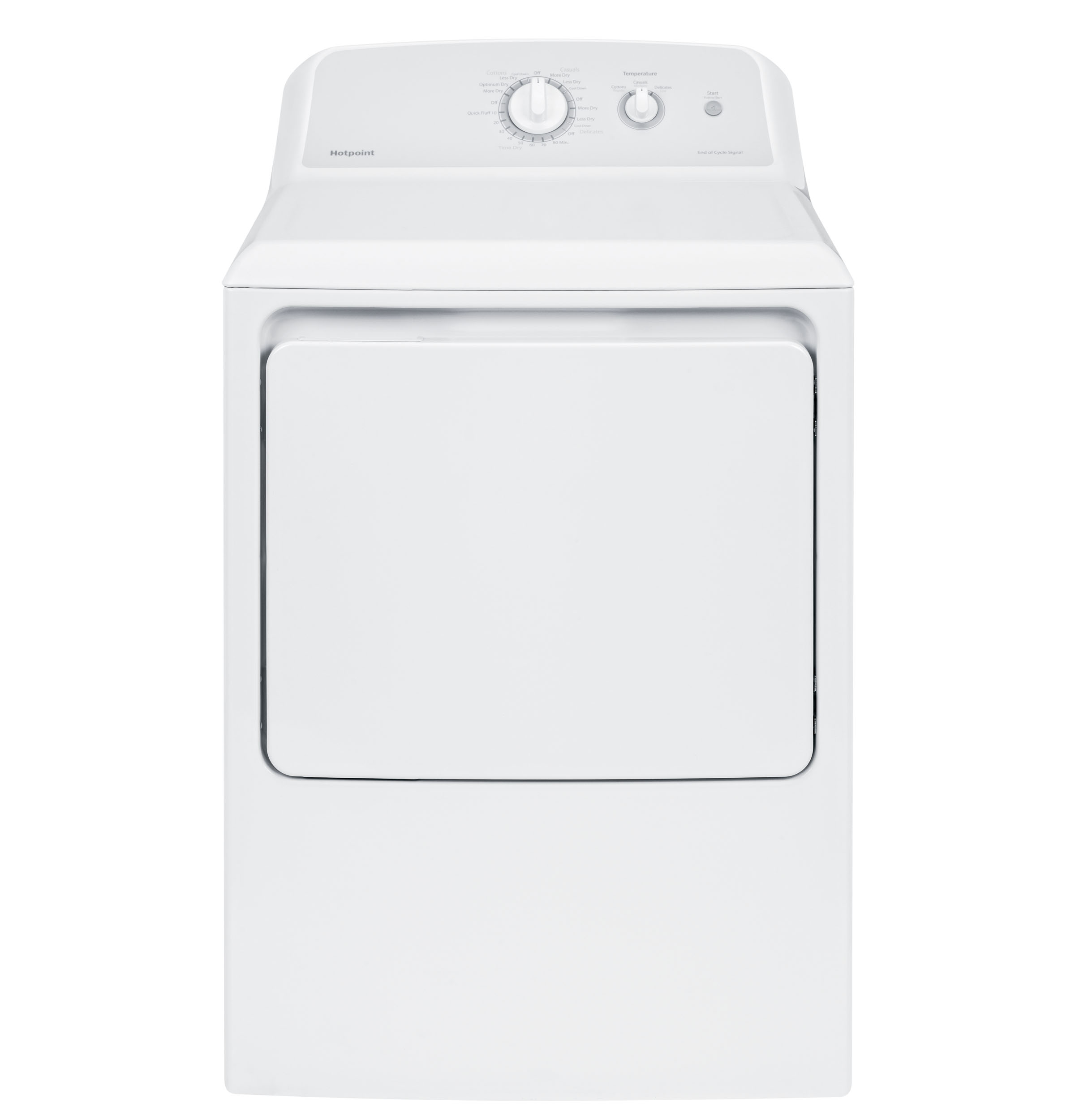
American Dryer Company (ADC) is a premier manufacturer of commercial and industrial laundry equipment, recognized globally for its innovations in drying technology. Now part of the Whirlpool Corporation family, ADC provides high-efficiency dryers and washers designed for vended laundromats, on-premise laundry (OPL) facilities, and heavy-duty industrial applications.
Understanding the American Dryer Company Legacy
The American Dryer Company, formally known as American Dryer Corporation (ADC), has been a cornerstone of the commercial laundry industry for over 50 years. Founded in the 1960s and headquartered in Fall River, Massachusetts, the company built its reputation on a single-minded focus: creating the most durable, efficient, and technologically advanced drying tumblers in the world.
While often confused with companies producing hand dryers, the "American Dryer Company" discussed in professional laundry circles refers to the industrial giant that revolutionized how hotels, hospitals, and laundromats process textiles. In 2015, the company was acquired by Whirlpool Corporation, a move that integrated ADC’s specialized engineering with Whirlpool’s massive global distribution and research resources. As of 2026, ADC remains a flagship brand within the Whirlpool Commercial Laundry portfolio, continuing to manufacture products that emphasize "Made in the USA" quality and rigorous engineering standards.
Core Innovations: Why ADC Leads the Market
ADC did not just build dryers; they engineered solutions for common industrial problems, such as energy waste, fire hazards, and mechanical downtime. Several proprietary technologies define the ADC experience.
The S.A.F.E. System (Sensor Activated Fire Extinguishing)
Perhaps the most significant contribution to laundry safety is ADC’s S.A.F.E. system. Spontaneous combustion in laundry facilities—often caused by residual chemicals or oils on linens—is a leading cause of industrial fires. The S.A.F.E. system uses sophisticated infrared sensors to monitor the temperature inside the drum. If a fire is detected, the system automatically activates a water-vaporizing nozzle to extinguish the flames before they can spread to the building’s ductwork or structure.
Advanced Microprocessor Controls
ADC was a pioneer in moving away from mechanical timers toward computer-controlled drying. Their Phase 7 and Phase 8 controllers allow operators to program exact drying cycles based on fabric type, moisture levels, and temperature. By 2026, these systems have evolved into cloud-connected interfaces that allow facility managers to monitor machine health and energy usage from a remote dashboard.
Residual Moisture Control (RMC)
Over-drying is a primary cause of fabric degradation and high utility bills. ADC’s Residual Moisture Control (RMC) technology senses when the load has reached a specific percentage of dryness and automatically terminates the heat cycle. This prevents "bone-dry" conditions that lead to static, wrinkling, and shortened linen life.
Product Portfolio: Solutions for Every Scale
American Dryer Company categorizes its equipment based on capacity and the specific needs of the environment. Whether it is a small-town laundromat or a massive industrial uniform processing plant, ADC provides a specialized machine.
Vended Laundry (Laundromats)
In the vended sector, reliability is the key to profitability. ADC’s vended dryers are built with heavy-duty cabinets and coin/card-ready interfaces. Popular models include the "stack" units, which house two independent drying pockets in the footprint of one, maximizing the revenue per square foot for store owners.
On-Premise Laundry (OPL)
OPL environments, such as hotels, nursing homes, and athletic facilities, require "non-vended" machines designed for high-frequency use by staff. ADC’s OPL line ranges from 20-pound capacity "boutique" dryers to 170-pound high-capacity tumblers. These units are often equipped with larger door openings to facilitate fast loading and unloading, reducing labor costs.
Industrial and Large Capacity Tumblers
For industrial linen services, ADC offers massive tumblers with capacities exceeding 400 pounds. These machines utilize Variable Frequency Drives (VFDs), which allow the drum to start and stop gradually, reducing mechanical stress on the motor and belts and significantly extending the machine's lifespan.
| Model Series | Typical Capacity | Heat Sources Available | Key Feature |
|---|---|---|---|
| AD-20/30 | 20-30 lbs | Gas, Electric, Steam | Compact footprint for small OPL |
| AD-75/78 | 75 lbs | Gas, Electric, Steam | Industry standard for hotel laundry |
| i-Series (EcoDry) | 30-50 lbs | Gas, Electric | High-efficiency axial airflow |
| AD-202 | 200 lbs | Gas, Steam | Industrial-grade tilting for easy unloading |
| AD-464 | 464 lbs | Gas, Steam | Maximum throughput for linen plants |
Technical Engineering: Airflow and Efficiency
A dryer’s efficiency is determined by how it moves air. ADC utilizes two primary airflow patterns: Axial and Radial.
- Axial Airflow: This system directs air from the back of the drum through the load to the front. It is highly efficient for smaller loads because the air must pass through the clothes to exit. This technology is featured prominently in the EcoDry series, which can reduce energy consumption by up to 25% compared to traditional models.
- Radial Airflow: Used in larger industrial units, radial airflow pulls air from the top and pushes it across the circumference of the drum. This ensures that even massive, heavy loads are dried evenly without "wet spots" in the center of the textile mass.
Electrical and Ducting Requirements
Installing ADC equipment requires careful adherence to engineering specifications. Most commercial units operate on three-phase power to handle the high torque required to tumble heavy, wet laundry. Furthermore, proper ducting is essential. ADC machines are designed to operate within specific static pressure limits. If the exhaust ducting is too long or has too many bends, the backpressure will cause the machine to overheat and shut down via the high-limit thermostat.
Maintenance and Troubleshooting Guide
To maintain the performance of an American Dryer Company unit in 2026, a regular maintenance schedule is mandatory. Neglect is the primary cause of component failure in commercial laundry.
Daily and Weekly Tasks
- Lint Screen Cleaning: The lint screen must be cleaned every few cycles. A clogged screen restricts airflow, increases drying time, and places unnecessary strain on the blower motor.
- Visual Inspections: Check the door gasket for seals and the drum for any debris (like pens or coins) that could damage the porcelain or stainless steel finish.
Common Error Codes and Resolutions
ADC’s microprocessor controllers provide diagnostic codes that simplify troubleshooting:
- E101 / E102: Usually indicates a failure in the thermistor (temperature sensor) or a disconnected sensor wire.
- Burner Ignition Failure: On gas models, if the burner fails to ignite after three attempts, the machine will lock out. This is often due to a blocked gas line, a faulty igniter, or a malfunctioning gas valve.
- Sail Switch Issues: The "sail switch" is a safety device that ensures the blower fan is moving enough air before the heater activates. If this switch is stuck, the dryer will not heat.
Longevity and Parts Availability
One of the advantages of the Whirlpool acquisition is the continued availability of genuine ADC parts. Even for machines built twenty years ago, components like rollers, belts, and bearings are generally kept in stock through authorized distributors. Using OEM (Original Equipment Manufacturer) parts is critical for maintaining the UL (Underwriters Laboratories) safety rating of the equipment.
Industry Applications: Beyond the Laundromat
While laundromats are the most visible users of ADC products, the brand’s reach extends into several specialized sectors:
- Fire Departments: ADC manufactures specialized gear dryers for "turnout gear." High-heat drying can damage the protective fibers of firefighting suits; ADC’s specialized cycles use high-volume, low-heat air to dry gear safely according to NFPA standards.
- Correctional Facilities: High-security environments require "prison-package" dryers with tamper-resistant fasteners and reinforced cabinets.
- Cruiselines: Marine-grade dryers from ADC are built with specialized coatings to resist salt-air corrosion and are designed to operate on the specific electrical frequencies found on ships.
Selecting the Right ADC Equipment in 2026
When choosing a dryer from the American Dryer Company lineup, facilities must balance throughput needs with utility costs. In 2026, the trend has shifted heavily toward heat pump technology and all-electric solutions in regions with strict natural gas regulations.
Gas vs. Electric vs. Steam
- Gas: Remains the fastest and most cost-effective heating method in most North American markets. It provides the high BTU (British Thermal Units) output required for rapid turnover.
- Electric: Ideal for facilities where gas lines cannot be run. While generally slower to heat than gas, modern ADC electric units use high-wattage heating elements to bridge the performance gap.
- Steam: Often found in hospitals or large hotels that already have a central steam boiler. Steam heat is "gentle" on fabrics and eliminates the risk of combustion from open flames.
Frequently Asked Questions
Is American Dryer Company the same as World Dryer?
No. American Dryer Company (ADC) specializes in commercial laundry tumblers and washers. World Dryer and "American Dryer, LLC" are brands primarily associated with restroom hand dryers. While the names are similar, the companies serve different industries and have different ownership structures.
Where is American Dryer Company equipment manufactured?
As of 2026, the primary manufacturing and engineering hub for ADC equipment remains in Fall River, Massachusetts. This facility handles the design, assembly, and testing of their commercial laundry line, maintaining a strong domestic manufacturing presence under the Whirlpool umbrella.
How long does an ADC commercial dryer last?
With proper maintenance, an ADC dryer is engineered to last between 15 to 20 years in a commercial environment. This lifespan is significantly longer than residential equipment due to the use of heavy-gauge steel, industrial-grade motors, and replaceable wear components like bearings and belts.
What is the advantage of a stack dryer?
The primary advantage is space efficiency. A stack dryer (such as the AD-330) provides two 30-pound drying pockets in the same floor space as a single 30-pound unit. This is essential for laundromats located in high-rent urban areas where every square foot must be optimized for revenue.
Can I convert my ADC gas dryer to electric?
While theoretically possible, it is rarely cost-effective. Converting a dryer requires changing the burner assembly, the wiring harness, and the control system. It is generally recommended to purchase the specific model designed for the intended power source to ensure compliance with local building codes and safety standards.
Strategic Recommendation
For business owners and facility managers looking to invest in new laundry infrastructure in 2026, the American Dryer Company represents a high-value choice due to its balance of durability and advanced safety features. When planning an installation, prioritize models equipped with the S.A.F.E. system to lower insurance premiums and protect your facility. Furthermore, always consult with a factory-authorized distributor to perform a "laundry room analysis," ensuring that your gas supply and exhaust ducting are sized correctly for the high-volume airflow these machines require.