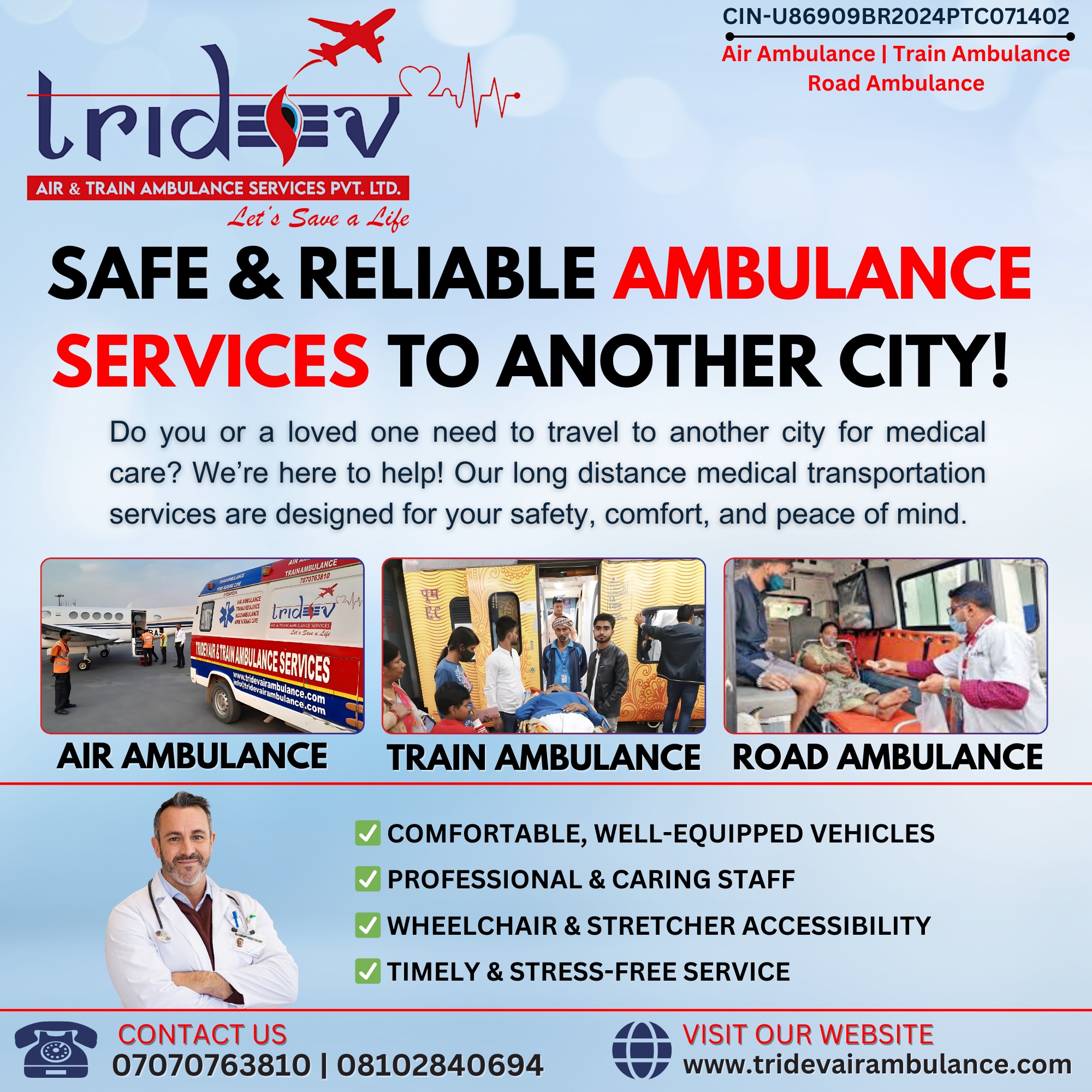
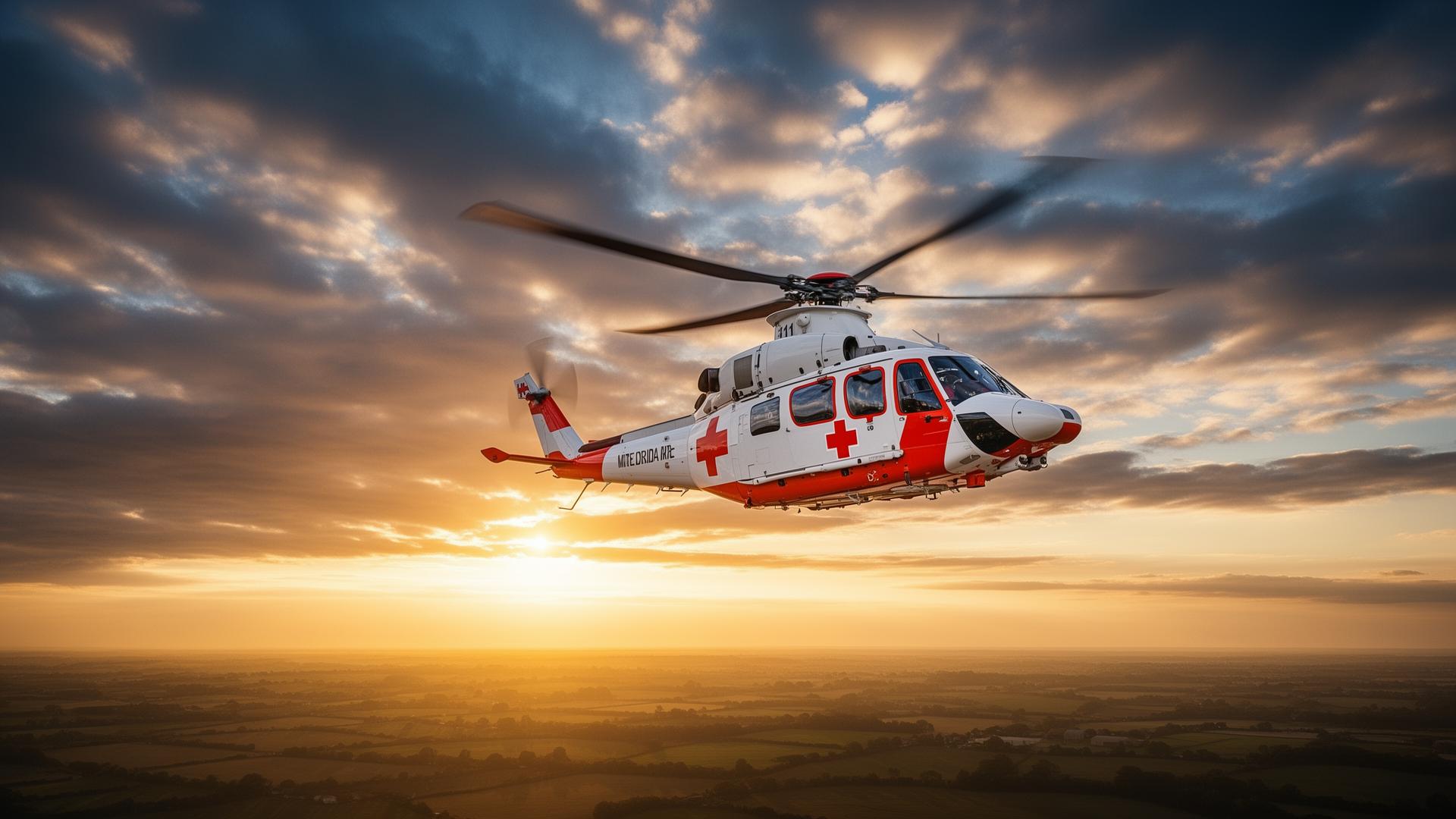
An ambulance flight provides specialized, rapid medical transport for critically ill or injured patients over long distances, combining advanced aviation technology with onboard intensive care units to stabilize and move patients when ground transport is impossible or too slow.
The Evolution of Medical Air Transport in Modern Healthcare
The concept of moving patients through the air has evolved from rudimentary military evacuations into an integrated, highly sophisticated pillar of modern emergency medicine. Modern emergency care relies heavily on the seamless coordination between ground emergency medical services (EMS) and specialized aviation units. When time is measured in minutes—such as during acute stroke progression, severe myocardial infarctions, massive trauma, or neonatal crises—the speed and vertical mobility of an ambulance flight can be the defining factor between survival and severe morbidity.
Air transport changes the landscape of emergency care by effectively shrinking geographic boundaries. Rural hospitals, remote industrial sites, and offshore facilities often lack the specialized surgical teams, advanced imaging suites, or sub-specialized intensive care units (ICUs) found in tertiary medical centers. An ambulance flight bridges this gap, bringing the specialized capabilities of a major medical center closer to the patient or swiftly extracting the patient to the facility equipped to handle their specific pathology.
Understanding how these missions operate requires an examination of the various aircraft types, the composition of medical flight crews, the physiological challenges of flight, and the regulatory frameworks governing aeromedical operations. As medical technology shrinks to fit inside aircraft cabins, air ambulances function less like simple taxi services and more like flying mobile ICUs.
Rotary-Wing vs. Fixed-Wing: Understanding the Aircraft Platforms
Aeromedical transport utilizes two primary classes of aircraft: rotary-wing (helicopters) and fixed-wing (airplanes). Each platform serves a distinct operational purpose, dictated by distance, urgency, weather conditions, and landing infrastructure.
| Operational Feature | Rotary-Wing (Helicopter) | Fixed-Wing (Airplane) |
|---|---|---|
| Primary Mission Range | Short to medium (0–150 miles) | Long distance (150+ miles) |
| Launch Speed | Rapid site-to-hospital pickup | Requires runway (airport-to-airport) |
| Onboard Cabin Space | Highly restricted; cramped ergonomics | Generally larger; allows easier patient access |
| Speed & Altitude | Slower; lower cruising altitude | Faster; higher cruising altitude |
| Weather Sensitivity | High vulnerability to fog, low ceilings, and high winds | Moderate vulnerability; can fly above many weather systems |
Rotary-Wing Operations (The Helicopter Ambulance)
Helicopters are the workhorses of pre-hospital emergency care and inter-facility scene responses. Their primary advantage is vertical takeoff and landing (VTOL) capability. This allows a helicopter to land directly at the scene of a highway collision, a remote wilderness area, or on the dedicated helipad of a community hospital that lacks an active runway.
However, rotary-wing aircraft face strict limitations. Cabin space inside a medical helicopter is notoriously tight. Medical crews must secure and manage advanced life support equipment in close quarters, making physical access to certain parts of the patient's body challenging during active resuscitation. Furthermore, helicopters are heavily constrained by adverse weather conditions, weight limits, and fuel capacity, restricting their economical operating range typically to distances under 150 miles.
Fixed-Wing Operations (The Air Ambulance Airplane)
Fixed-wing aircraft are deployed for long-distance inter-facility transports, international medical repatriations, and missions spanning multiple states or countries. Powered by turboprop or turbofan engines, fixed-wing air ambulances offer significantly higher cruising speeds and greater range than helicopters.
The cabin of a fixed-wing air ambulance is generally more spacious, allowing for multi-patient configurations or specialized pediatric incubators. Because airplanes require paved runways, fixed-wing missions inherently involve a "triple-transfer" logistics chain: a ground ambulance transports the patient from the initial hospital to the departure airport, the fixed-wing aircraft flies them to the destination city, and a second ground ambulance completes the journey to the receiving hospital. Despite the extra transfers, airplanes provide a smoother, more stable ride at higher altitudes, which is critical for patients with specific physiological vulnerabilities.
Inside the Flying ICU: Equipment and Specialized Medical Crews
The true differentiator of an ambulance flight is not the aircraft itself, but the intensive care environment maintained inside the cabin. Standard commercial aircraft or basic transport planes lack the specialized medical infrastructure required to sustain life support at high altitudes.
The Aeromedical Crew Configuration
An ambulance flight typically operates with a specialized medical crew tailored to the patient’s diagnosis. Standard staffing configurations include:
- Critical Care Flight Paramedics: Highly trained pre-hospital clinicians possessing advanced certifications in trauma care, invasive airway management, and critical care transport.
- Flight Nurses: Registered nurses with specialized backgrounds in emergency nursing, intensive care unit (ICU) management, and aeromedical physiology.
- Specialized Physicians: For extremely unstable patients, pediatric emergencies, or neonatal transports requiring ECMO (extracorporeal membrane oxygenation), a neonatologist, pediatric intensivist, or critical care physician may accompany the flight.
- Pilots: Dual-pilot operations are standard in fixed-wing and many rotary-wing operations to ensure high safety margins during instrument meteorological conditions (IMC).
Advanced Medical Technology Aloft
Every piece of equipment mounted or secured inside an ambulance flight must be certified for aviation use, capable of withstanding gravitational forces (G-forces), and resistant to electromagnetic interference that could disrupt aircraft avionics. Onboard medical suites typically feature:
- Advanced Ventilators: Capable of delivering precise mechanical ventilation, PEEP (positive end-expiratory pressure), and specialized modes for acute respiratory distress syndrome (ARDS).
- Multi-Parameter Monitors: Tracking continuous ECG, invasive arterial blood pressures, end-tidal carbon dioxide ($EtCO_2$), and cerebral oximetry.
- Infusion Pumps: Programmable, multi-channel smart pumps that ensure precise delivery of vasoactive medications (such as norepinephrine or epinephrine) without fluctuations caused by aircraft vibration or altitude shifts.
- Blood and Plasma Products: Many modern air ambulances carry pre-hospital blood products (such as low-titer O-positive whole blood or thawed plasma) to initiate life-saving transfusions en route.
Physiological Stressors of Flight and Clinical Adaptation
Transporting a patient through the air introduces unique physiological stressors that do not exist during ground transport. Changes in barometric pressure, altitude, cabin vibration, and noise exert profound effects on the human body, requiring flight medical crews to anticipate complications before they manifest.
The Physics of Altitude: Gas Expansion and Hypoxia
As an aircraft ascends, atmospheric barometric pressure decreases. According to Boyle’s Law, as pressure decreases, the volume of a trapped gas within a closed body cavity increases. This principle has immediate clinical consequences:
- Pneumothorax: A small, stable, or occult pneumothorax (collapsed lung) can rapidly expand into a life-threatening tension pneumothorax as altitude increases. Flight crews often place prophylactic chest tubes in trauma patients with suspected chest injuries prior to an ambulance flight.
- Trapped Air and Medical Devices: Air trapped in endotracheal tube cuffs, gastrointestinal tracts, or intraocular spaces expands. Crews regularly monitor and adjust cuff pressures using specialized manometers.
- Hypoxia: Higher altitudes result in lower partial pressure of oxygen. Even in pressurized fixed-wing cabins (which typically maintain a cabin altitude equivalent to 5,000 to 8,000 feet), the effective oxygen concentration is lower than at sea level. Patients with compromised cardiopulmonary function require supplemental oxygen and careful ventilator adjustments to prevent cellular hypoxia.
Environmental Stressors: Vibration, Noise, and Motion
The continuous acoustic roar and low-frequency vibration of aircraft engines create significant challenges. Noise levels inside helicopters and older turboprop planes can mask patient breath sounds, impede verbal communication among the crew, and contribute to patient anxiety. Flight crews utilize specialized noise-canceling headsets equipped with intercom systems. Furthermore, vibration and kinetic motion can cause motion sickness, accelerate fatigue, and complicate delicate procedures like peripheral IV placement or arterial line monitoring.
The Operational Workflow of an Ambulance Flight Mission
Executing a successful ambulance flight requires a rigorous, multi-step operational workflow that balances clinical urgency with aviation safety regulations.
- Mission Request & Activation: The process begins when a referring physician or regional emergency dispatch center contacts an air medical communication center. The requesting clinician provides a comprehensive clinical summary, detailing the patient's stability, airway status, medication requirements, and exact geographical location.
- Clinical Triage & Risk Assessment: A flight coordination team, often overseen by an operational medical director, reviews the request. They evaluate whether the clinical benefit of the flight outweighs the inherent risks of aviation. If weather conditions exceed safe operating minimums, or if the patient's condition is too unstable to survive the physiological stressors of flight, the mission may be delayed, routed via ground transport, or managed with enhanced clinical interventions on the ground.
- Flight Planning & Weather Check: Pilots and dispatchers analyze flight paths, fuel requirements, NOTAMs (Notices to Air Missions), and meteorological reports. Fixed-wing flights must file precise flight plans with air traffic control, while helicopter pilots assess landing zone coordinates and local obstacles such as power lines and cellular towers.
- Bedside Handover & In-Flight Care: Upon arrival at the referring facility, the flight team conducts a thorough bedside handover, packaging the patient into specialized aviation-compatible stretchers. Once airborne, continuous monitoring and clinical interventions are maintained until the aircraft touches down at the receiving medical center, where a seamless transfer of care occurs with the receiving specialty team.
Regulatory Compliance, Safety Standards, and Operational Oversight
Ambulance flight operations operate under some of the most stringent regulatory frameworks in global transportation. In the United States, air medical services are governed jointly by the Federal Aviation Administration (FAA) for aviation standards and state departments of health for clinical licensing.
Accreditation and Safety Culture
To maintain high standards of patient care and flight safety, reputable air medical programs seek independent accreditation from organizations such as the Commission on Accreditation of Medical Transport Systems (CAMTS). CAMTS accreditation evaluates every facet of an organization's operations, including:
- Minimum pilot flight hour requirements and recurrent simulator training.
- Strict maintenance schedules for aircraft airframes and avionics.
- Mandatory clinical competency standards and continuing education for medical staff.
- Comprehensive safety management systems (SMS) that encourage reporting of near-misses without punitive repercussions.
Financial Models and Accessibility
The cost of operating an ambulance flight is substantial, driven by high aircraft acquisition costs, specialized fuel, mandatory maintenance, insurance premiums, and 24/7 staffing of highly trained medical professionals. Patients and healthcare systems navigate a complex landscape of insurance coverage, federal regulations (such as the No Surprises Act in the United States, which protects patients from balance billing in emergency aeromedical transport scenarios), and specialized membership programs designed to mitigate out-of-pocket expenses.
Frequently Asked Questions About Ambulance Flights
What is the primary difference between a helicopter and fixed-wing air ambulance?
Helicopters are designed for short-range, rapid scene responses and point-to-point transfers where runway access is unavailable. Fixed-wing airplanes are utilized for long-distance inter-facility transports, offering faster speeds, greater range, and a more stable cabin environment for complex patients.
Are patients accompanied by medical professionals during an ambulance flight?
Yes. Every medical flight is staffed by specialized clinicians, typically including critical care flight paramedics, flight nurses, and occasionally physicians or respiratory therapists, depending on the patient's specific clinical acuity.
How do changes in altitude affect critically ill patients?
Decreasing barometric pressure at altitude causes trapped gases inside the body to expand, which can worsen conditions like pneumothorax or obstruct medical devices. Reduced atmospheric pressure also lowers available oxygen, requiring flight crews to adjust ventilators and provide supplemental oxygen to prevent hypoxia.
Can family members ride along on an ambulance flight?
In most cases, space and weight limitations inside the aircraft cabin restrict passenger transport. Fixed-wing aircraft occasionally permit one family member to accompany the patient if payload calculations and patient stability allow, but rotary-wing flights rarely accommodate family members.
How is the cost of an ambulance flight determined?
Costs are calculated based on the type of aircraft used (fixed-wing vs. rotary-wing), distance traveled (hourly flight rates), fuel prices, landing fees, and the level of specialized medical staffing and equipment required to safely manage the patient's specific condition.
Conclusion and Next Actions
Ambulance flights represent a critical intersection of advanced aviation and intensive care medicine, transforming how healthcare systems manage geographical isolation and acute medical emergencies. By combining high-speed transport with the sophisticated capabilities of a flying ICU, air medical services ensure that definitive, life-saving care remains accessible regardless of distance. For healthcare administrators, clinicians, and patients navigating emergency transport needs, verifying program accreditation, understanding logistical prerequisites, and maintaining open communication with aeromedical dispatch centers remain essential steps in ensuring safe and timely patient outcomes.