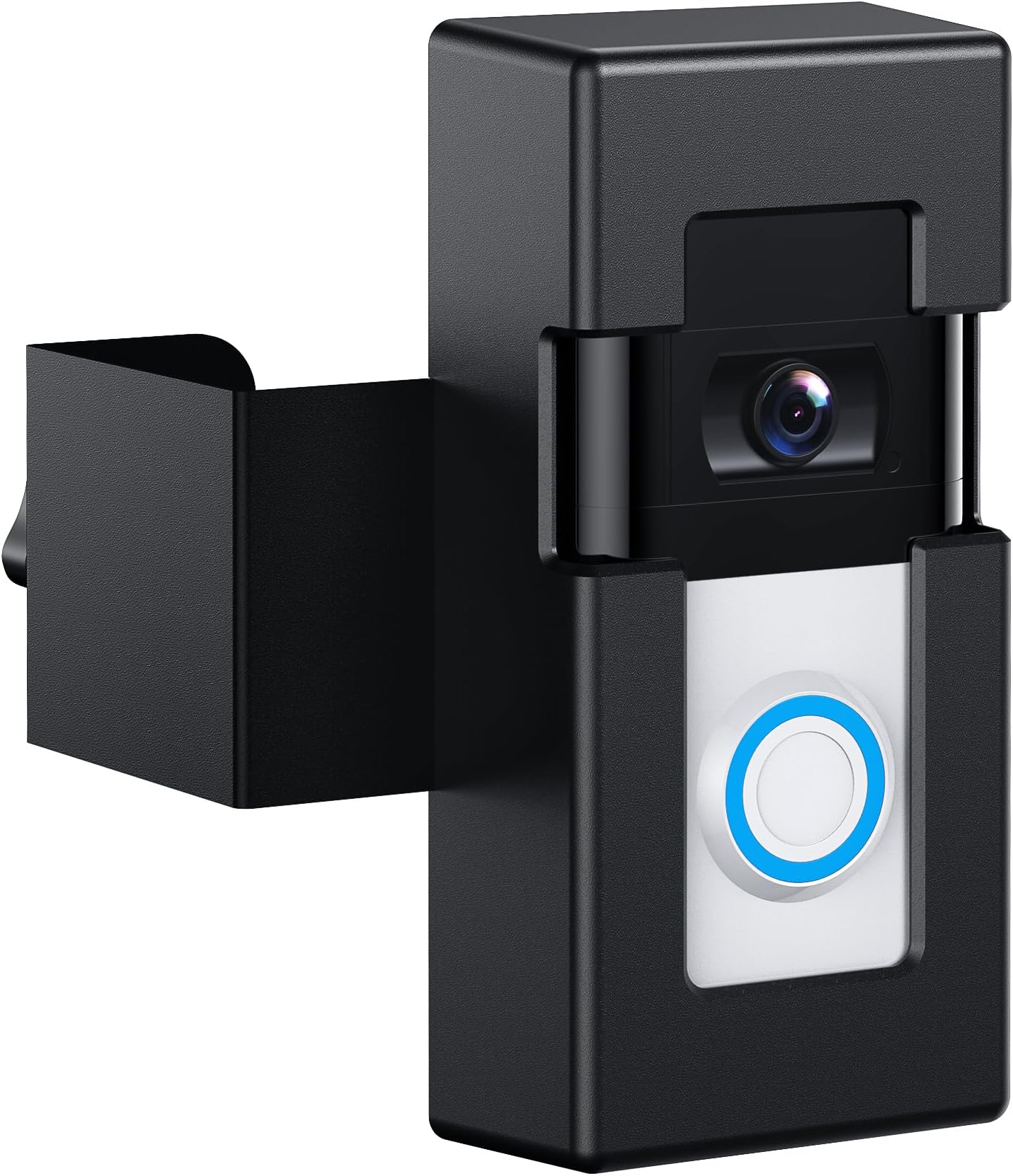
In February 2018, Amazon officially acquired Ring, the home security company renowned for its video doorbells. This strategic move integrated Ring’s smart doorbell technology and home security ecosystem into Amazon’s broader portfolio of smart home devices, significantly expanding the company’s influence over residential security monitoring and consumer-facing surveillance technology.
The Context of the Acquisition
To understand why Amazon purchased Ring, one must look at the state of the "smart home" industry in early 2018. At that time, Amazon was already heavily invested in the connected home sector through its Echo line of smart speakers and the Alexa voice assistant. By acquiring Ring, Amazon sought to solve a specific logistical and consumer-engagement problem: package security and smart home integration.
The acquisition was finalized in early 2018 for a reported sum of approximately $1 billion, though the exact terms were not publicly disclosed in granular detail. This purchase came shortly after Amazon had acquired Blink, another home security camera startup, signaling a deliberate and aggressive pivot toward owning the residential entry point.
The Strategic Motivation: Why Ring?
For Amazon, the acquisition was not merely about hardware. It was about creating a cohesive ecosystem where the front door serves as a hub for both security and commerce.
- Logistics and Package Security: A primary motivator for Amazon was the reduction of package theft, often referred to as "porch piracy." By integrating Ring doorbells with its delivery operations, Amazon aimed to increase customer trust in their delivery services, potentially offering features that allow for more secure package handling.
- Expanding the Ecosystem: Ring had already established a dominant market share in the video doorbell category. By bringing Ring under the Amazon umbrella, the company effectively locked in a large user base that was already accustomed to using smart devices, providing a seamless pathway to upsell other Amazon services, such as cloud storage for video recordings (Ring Protect plans).
- Data and AI Training: Like many technology acquisitions, the data generated by Ring devices—specifically video footage and motion detection patterns—provided Amazon with a massive dataset to train its computer vision and machine learning algorithms. This, in turn, refined the capabilities of both Ring devices and other future smart home products.
The Transformation of the Smart Home Landscape
Following the acquisition, the relationship between Ring and the wider Amazon ecosystem deepened. The integration allowed for "Alexa Greetings," where the virtual assistant could interact with visitors when a homeowner was unavailable. It also enabled live video feeds to be streamed directly to Echo Show devices and Fire TV sticks, creating a unified user experience that was difficult for competitors to match without a similarly integrated hardware-software stack.
Comparative Table: Integration Features
The following table outlines how the acquisition changed the functionality of Ring devices through integration with Amazon services.
| Feature | Pre-Acquisition State | Post-Acquisition Integration |
|---|---|---|
| Voice Control | Limited third-party support | Native, deep integration with Alexa |
| Display Connectivity | Mobile app only | Direct streaming to Echo Show & Fire TV |
| Delivery Interaction | Independent notification | Key by Amazon / Package detection alerts |
| Security Ecosystem | Isolated security focus | Linked to Amazon Sidewalk / Neighbors app |
| Storage Infrastructure | Independent cloud storage | AWS-backed cloud storage infrastructure |
Challenges and Regulatory Scrutiny
The acquisition was not without controversy. Almost immediately following the purchase, critics and privacy advocates raised concerns regarding how Amazon would handle the vast amount of video data collected by millions of households.
These concerns primarily focused on the "Neighbors" app—a platform owned by Ring that allows users to share footage with one another and, critically, with local law enforcement. Critics questioned the lack of oversight in how law enforcement agencies requested footage from users and the role Amazon played in facilitating these interactions. Furthermore, the expansion of Amazon’s surveillance capabilities led to legislative discussions regarding the balance between consumer convenience and individual privacy rights in residential neighborhoods.
Operational Changes Since 2018
Since the acquisition, Ring has transitioned from an independent startup to a core pillar of Amazon's "Devices and Services" division. Several key operational changes have occurred:
- Standardization of Hardware: Ring products became the standard-bearer for Amazon’s smart home hardware, often being featured in major sales events like Prime Day.
- Infrastructure Shift: Ring migrated its backend operations to Amazon Web Services (AWS), which provided the scale necessary to handle the millions of video streams processed daily.
- Subscription Models: The "Ring Protect" subscription service, which is essential for saving, reviewing, and sharing video clips, became a recurring revenue engine for Amazon, mirroring the model used for other subscription-based Amazon services like Prime.
Privacy and Security Guidelines for Users
As a user of a Ring device in 2026, it is important to be aware of the settings that govern your privacy. Amazon provides several controls to manage how your data is handled:
- Privacy Zones: Users can define specific areas in the camera’s field of view that should not be recorded or detected by motion sensors.
- End-to-End Encryption: For those concerned about data access, Ring offers advanced end-to-end encryption for video recordings, ensuring that only the owner can view the footage.
- Law Enforcement Request Opt-Out: Users can opt out of receiving requests from law enforcement agencies through the Neighbors app, giving them full control over whether they share their data with authorities.
Frequently Asked Questions
Did Amazon buy Ring to spy on users? Amazon purchased Ring to grow its footprint in the smart home market and provide integrated security solutions. While privacy concerns have been raised by advocacy groups regarding the data collected, Amazon maintains that user privacy is a priority and provides various settings for owners to control their data, including privacy zones and encryption options.
Can I use a Ring doorbell without an Amazon account? While you need an account to set up and manage your device through the Ring app, your Ring account is distinct from your Amazon shopping account, though they can be linked to enable specific features like "Login with Amazon" or voice commands through Alexa.
How does the acquisition affect my video storage? Since the acquisition, Ring video storage is managed through AWS infrastructure. To access recorded videos, you typically need a Ring Protect subscription. Without it, you are generally limited to live viewing and real-time notifications.
What happens if I stop using the Ring app? If you stop using the app or the service, your device will lose its smart functionality. Video recordings will cease to be saved to the cloud, and you will not receive notifications on your smartphone. It is recommended to factory reset any device before disposing of or selling it to ensure your personal data is removed.
Conclusion and Next Steps
Amazon’s acquisition of Ring was a transformative event that redefined the residential security market. For the average consumer, this integration provides a powerful, highly connected home security system that is significantly more accessible than traditional, hard-wired security setups.
If you are currently using a Ring device, your next step should be to audit your privacy settings. Navigate to the "Control Center" within your Ring app to ensure your privacy zones are correctly configured, verify your two-factor authentication settings, and confirm your preferences regarding law enforcement data requests. By actively managing these settings, you can enjoy the benefits of a connected home while maintaining control over your personal security and data.