The aluminum trade in the United States in 2026 is defined by a strategic reliance on high-volume imports from North American partners and a growing domestic emphasis on secondary, recycled production. While the U.S. remains a net importer of primary aluminum, trade policies and sustainability mandates have shifted focus toward low-carbon "green" aluminum and regional supply chain resilience.
The Structural Framework of the U.S. Aluminum Market
Aluminum is a critical material for the United States, serving as a cornerstone for the aerospace, automotive, construction, and packaging industries. To understand the trade dynamics of 2026, one must distinguish between the two main types of aluminum: primary and secondary. Primary aluminum is produced from bauxite ore through an energy-intensive smelting process, while secondary aluminum is produced by recycling scrap.
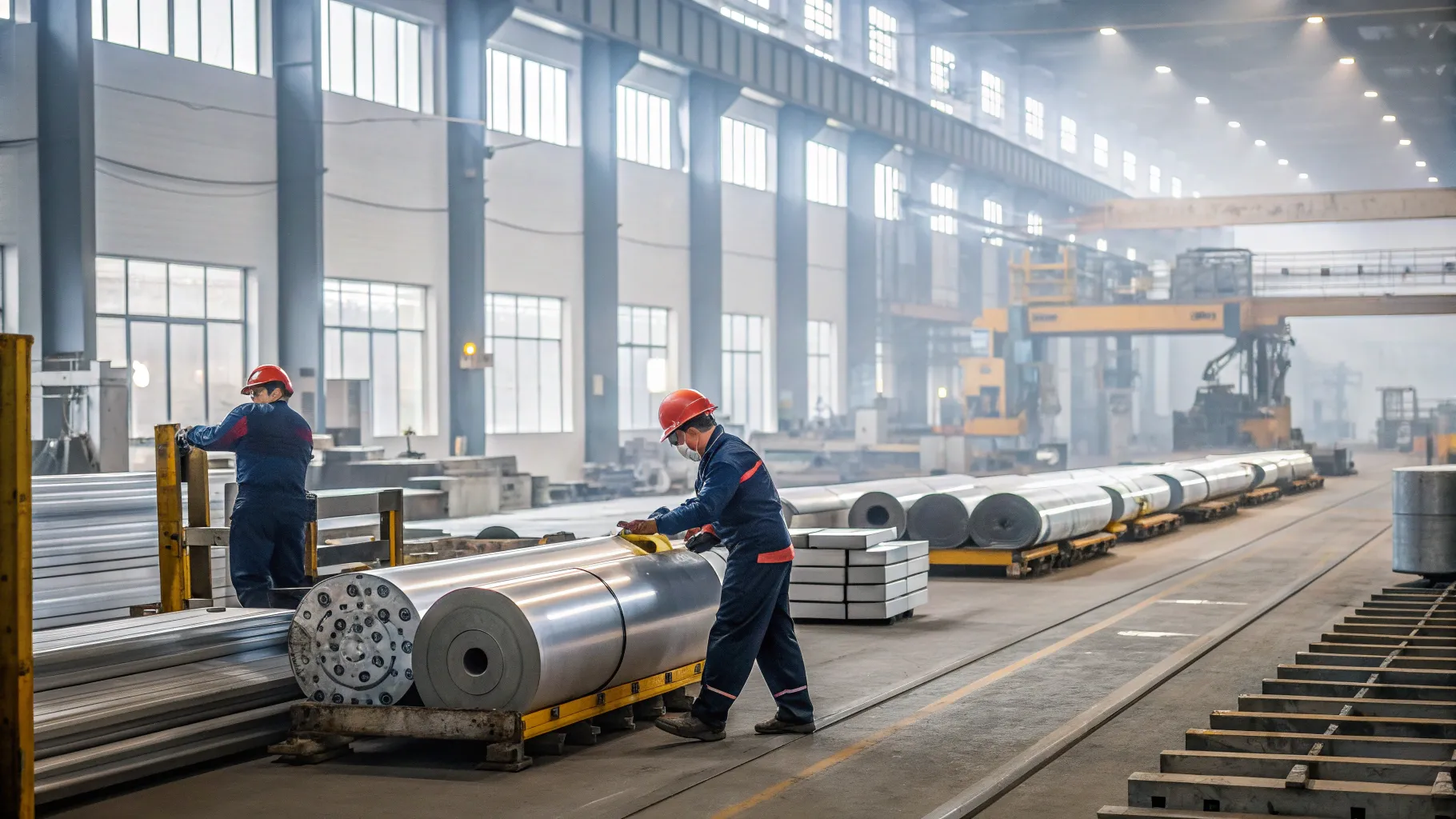
As of 2026, the United States continues to face a structural deficit in primary aluminum production. This gap is primarily due to the high cost of industrial electricity, which represents roughly one-third of the cost of smelting. Consequently, the U.S. has transitioned from a global leader in smelting to a sophisticated hub for aluminum recycling and high-value-added manufacturing. This shift necessitates a robust international trade strategy to secure the raw metal required for domestic fabrication.
The Role of Secondary Production and Scrap Trade
The U.S. is one of the world's largest producers and exporters of aluminum scrap. In 2026, the trade balance for scrap remains a vital economic indicator. While the U.S. exports significant quantities of scrap to global markets, domestic policy has increasingly incentivized keeping this "circular" resource within the country to feed secondary smelters. This domestic retention is driven by the lower energy requirements—recycling aluminum uses only about 5% of the energy needed for primary production—making it essential for meeting corporate and federal carbon-reduction targets.
Key Trading Partners and Regional Integration
The United States does not operate in a vacuum; its aluminum trade is deeply integrated with global partners, primarily those within the North American sphere.
The Canada-U.S. Relationship
Canada remains the most significant trading partner for aluminum. Under the United States-Mexico-Canada Agreement (USMCA), Canadian aluminum enters the U.S. market largely duty-free, provided it meets specific "smelt and cast" requirements. Canada’s reliance on hydroelectric power allows it to produce primary aluminum with a much lower carbon footprint than many other global producers, making Canadian metal highly desirable for U.S. manufacturers facing 2026's stricter environmental disclosure rules.
Diversification Beyond North America
While Canada provides the bulk of imports, the U.S. maintains diverse trade flows with other regions to ensure supply security:
- The United Arab Emirates (UAE) and Bahrain: These nations remain key suppliers of high-quality primary aluminum, leveraging their low energy costs and modern smelting infrastructure.
- Australia: A major source of alumina (the intermediate product between bauxite and aluminum metal), which feeds the remaining operational U.S. smelters.
- Argentina and Brazil: Strategic partners for semi-finished products and specific alloys used in the automotive sector.
Trade Policy and Regulatory Oversight in 2026
The regulatory environment for aluminum trade in 2026 is a complex mix of national security protections and environmental standards. The evolution of these policies has significantly altered how aluminum is sourced and priced.
Section 232 Tariffs and Exemptions
The legacy of Section 232 of the Trade Expansion Act of 1962 continues to influence the market. Originally implemented in 2018 to protect domestic smelting capacity, these 10% tariffs on aluminum imports have evolved into a system of "Tariff-Rate Quotas" (TRQs) for several key allies. In 2026, these quotas require rigorous documentation. Importers must use the Aluminum Import Monitoring and Analysis (AIM) system, managed by the International Trade Administration, to report the country of origin where the aluminum was smelted and cast. This transparency is designed to prevent "transshipment," where metal from sanctioned or high-tariff countries (such as China or Russia) is routed through a third country to evade duties.
The Impact of Green Trade Barriers
By 2026, "carbon accounting" has become as important as price in the aluminum trade. The U.S. has begun implementing its own versions of carbon border adjustments, modeled loosely after the European Union’s CBAM. These mechanisms apply costs to imported aluminum based on the carbon intensity of its production. This has created a bifurcated trade market:
- Low-Carbon Aluminum: Sourced from hydro-powered or renewable-powered smelters (e.g., Canada, Norway), often commanding a "green premium" in trade contracts.
- Standard Aluminum: Sourced from coal-powered grids, subject to higher tariffs or limited entry into specific high-end manufacturing sectors.
Supply Chain Resilience and Federal Incentives
The trade of aluminum in 2026 is heavily influenced by domestic industrial policy, specifically the long-term effects of the Inflation Reduction Act (IRA) and the Bipartisan Infrastructure Law (IIJA).
These legislative frameworks have provided grants and tax credits to modernize U.S. aluminum manufacturing. This has resulted in a "near-shoring" effect, where U.S. companies prefer to trade with partners who are geographically close and geopolitically aligned. The focus has shifted from "just-in-time" delivery to "just-in-case" resilience, leading to larger stockpiles of imported primary metal and increased investment in domestic billet and slab casting facilities.
Technical Specifications in Trade
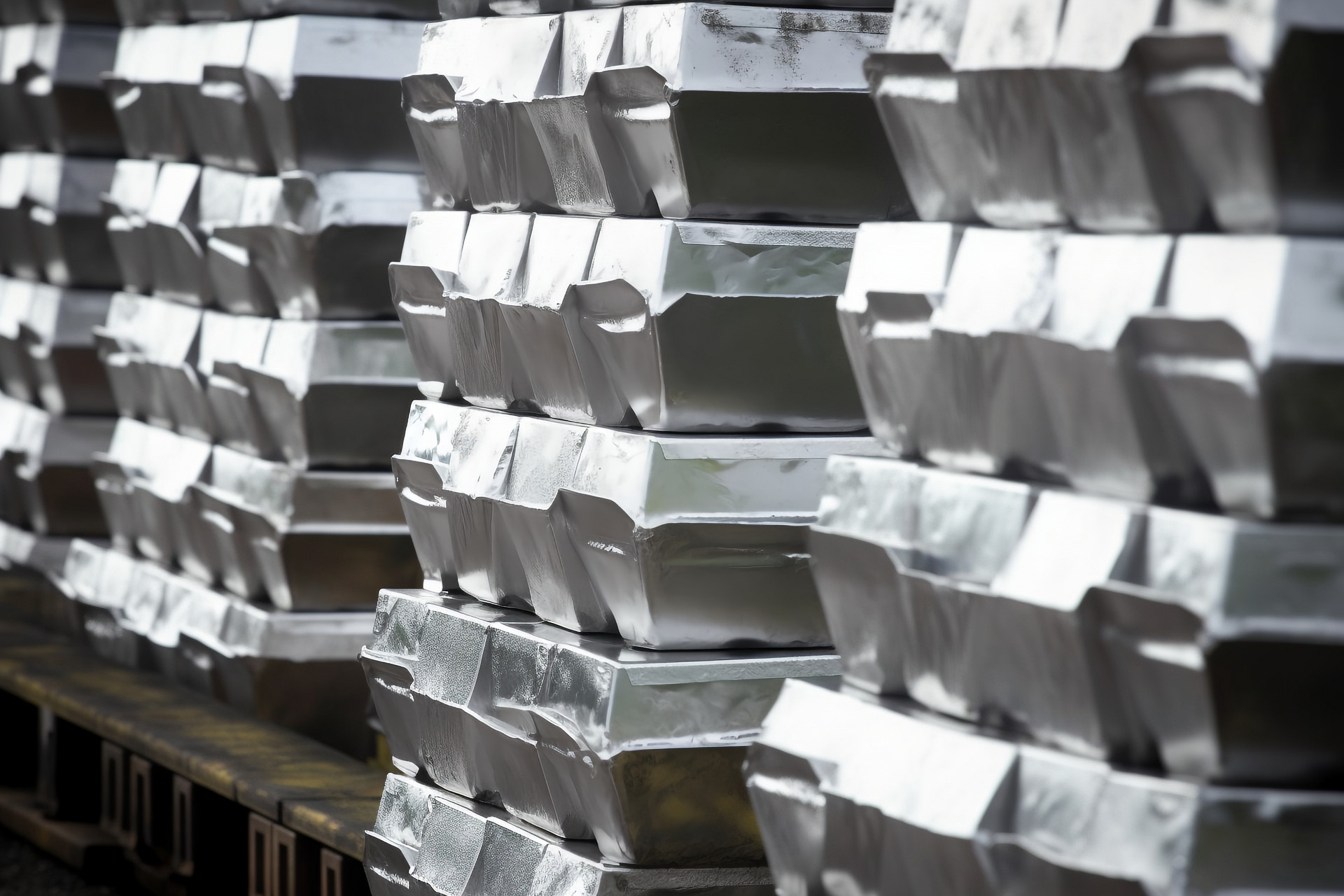
Trading aluminum is not just about the raw metal; it involves specific alloys and forms. The U.S. trade balance is often skewed by the import of high-purity primary ingots and the export of sophisticated aerospace-grade plate and automotive sheet.
- P1020 Aluminum: This is the standard grade of primary aluminum traded on the London Metal Exchange (LME) and used as a benchmark for U.S. Midwest Premium pricing.
- Series 6000 Alloys: Heavily traded for architectural and automotive applications.
- Series 2000 and 7000 Alloys: High-strength grades essential for the U.S. aerospace industry, where the U.S. maintains a strong export position.
Comparison of U.S. Aluminum Import Sources (2025-2026 Trends)
The following table outlines the primary sources of aluminum imports into the United States, highlighting the dominant role of North American integration.
| Trading Partner | Primary Product Category | Estimated Market Share | Trade Status / Agreement |
|---|---|---|---|
| Canada | Primary Ingot, P1020, Billets | 60% - 65% | USMCA / Duty-Free (within quotas) |
| United Arab Emirates | High-Purity Primary Metal | 10% - 12% | Section 232 Tariffs Apply |
| Bahrain | Primary Aluminum & Foundry Alloys | 5% - 7% | Free Trade Agreement (FTA) |
| Mexico | Scrap, Secondary Alloys, Extrusions | 4% - 6% | USMCA / Highly Integrated Supply Chain |
| Australia | Alumina & Primary Aluminum | 3% - 5% | FTA / Section 232 Exemptions |
| Others (Norway, Argentina) | Specialty Alloys & Low-Carbon Metal | 5% - 8% | Mixed / Case-by-Case Exemptions |
Source: Analysis based on International Trade Administration (ITA) and U.S. Geological Survey (USGS) historical data extrapolated to 2026.
Economic Factors Influencing Trade Costs
Several macroeconomic variables dictate the cost of trading aluminum in the U.S. market.
- The Midwest Premium: This is a regional surcharge added to the base LME price of aluminum. It reflects the cost of physical delivery, logistics, and the impact of domestic supply-demand imbalances. In 2026, the Midwest Premium remains sensitive to trucking costs, port congestion, and changes in Section 232 policy.
- Energy Prices: While the U.S. imports most of its primary metal, the cost of global energy affects the "all-in" price of imported goods. High natural gas prices in Europe or coal prices in Asia can lead to sudden shifts in trade flows as producers elsewhere become more or less competitive.
- Logistics and Freight: Most aluminum enters the U.S. through major ports like New Orleans, Baltimore, and Detroit (via rail from Canada). Port efficiency and maritime freight rates are critical for the competitiveness of overseas suppliers.
Navigating the Future: Risks and Opportunities
The aluminum trade in 2026 is not without its challenges. The industry must navigate a landscape of geopolitical volatility and technical evolution.
Market Risks:
- Sanctions and Geopolitics: Continued restrictions on Russian aluminum and trade tensions with China can cause sudden supply shocks, forcing U.S. importers to find alternative sources at short notice.
- Regulatory Compliance: The increasing complexity of the AIM system and "smelt and cast" tracking requires significant administrative overhead for small-to-medium-sized importers.
Market Opportunities:
- EV Battery Foils: The shift to electric vehicles (EVs) has created a massive demand for ultra-thin aluminum foils for battery cathodes. This is a burgeoning segment of the trade market, with domestic producers and allies racing to build capacity.
- Aluminum Substitution: As carbon costs rise for other materials like steel or plastic, aluminum’s recyclability makes it a preferred choice, potentially increasing the total volume of metal traded in the U.S.
FAQs about U.S. Aluminum Trade
Why does the U.S. import so much aluminum if it has its own resources?
The U.S. has the technical capability to produce aluminum, but primary smelting requires immense amounts of cheap electricity. In the current global market, many other nations offer lower energy costs, making it more economical for the U.S. to import primary ingots and focus domestic energy and labor on high-value fabrication and recycling (secondary production).
What is the "smelt and cast" requirement?
This is a trade rule used to identify the true origin of aluminum. To qualify for certain tariff exemptions (like those under USMCA), the aluminum must not only be shaped in a member country but also originally smelted there. This prevents countries outside the agreement from "laundering" their metal through a member country to avoid U.S. duties.
How do Section 232 tariffs affect the price of aluminum in the U.S.?
Section 232 tariffs add a 10% duty to imports from countries not covered by exemptions or quotas. This generally keeps the domestic price of aluminum higher than the global LME price, which is intended to encourage domestic production but also increases costs for U.S. manufacturers who use aluminum as a raw material.
Is "Green Aluminum" a different product?
Physically, green aluminum is identical to standard aluminum. The difference lies in the production process—specifically, using renewable energy like hydro or solar instead of coal. In 2026, this distinction is handled through "Green Certificates" or carbon-intensity scores that accompany the trade documentation.
What role does the London Metal Exchange (LME) play in U.S. trade?
The LME is the global benchmark for aluminum pricing. Most U.S. trade contracts are priced as "LME + Midwest Premium + Alloy Surcharges." While the physical metal might come from Canada or the UAE, the financial terms are usually tied to the LME’s daily price discovery.
Summary and Next Actions for Stakeholders
The 2026 aluminum trade in the United States is a sophisticated ecosystem balancing the need for raw material imports with the goal of domestic industrial revitalization. For businesses and analysts operating in this space, success depends on a deep understanding of both trade policy and the shift toward sustainability.
Key Recommendations:
- Monitor the AIM System: Importers should ensure their supply chains are fully transparent to meet the stringent "smelt and cast" reporting requirements.
- Invest in Secondary Supply: Domestic manufacturers should prioritize scrap collection and secondary aluminum sourcing to mitigate the volatility of primary metal imports and meet carbon-reduction goals.
- Diversify Supplier Portfolios: Given the potential for geopolitical shifts, maintaining relationships with both USMCA partners and overseas suppliers (e.g., Middle East or Australia) is essential for supply chain security.
- Stay Informed on Carbon Policy: As carbon border adjustments become more prevalent, understanding the carbon footprint of your aluminum source will be as critical as negotiating the price.
For more detailed regulatory guidance, stakeholders should consult the International Trade Administration's Aluminum Import Monitoring page and the U.S. Geological Survey's Mineral Commodity Summaries.