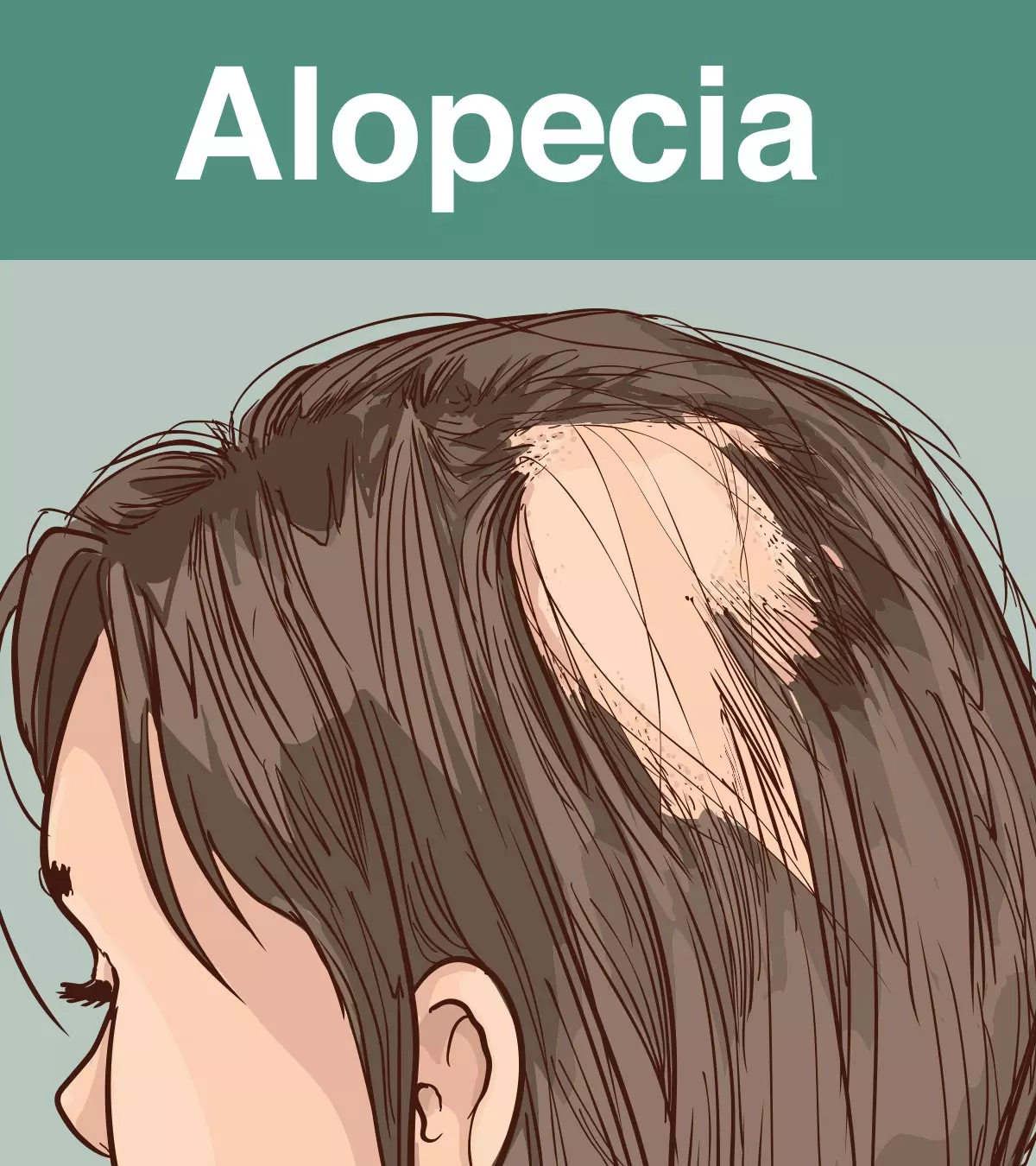
Alopecia shots, primarily consisting of intralesional corticosteroid injections, commonly cause localized side effects such as temporary skin thinning (atrophy), small indentations at the injection site, and lightened skin color (hypopigmentation). While systemic side effects are rare, patients may experience mild discomfort or redness immediately following the procedure, which typically resolves within a few days.
Understanding Intralesional Corticosteroids for Hair Loss
By 2026, intralesional corticosteroid injections remain the "gold standard" first-line treatment for localized alopecia areata, an autoimmune condition where the body’s immune system attacks hair follicles. These "alopecia shots" work by delivering a concentrated dose of anti-inflammatory medication—most commonly triamcinolone acetonide—directly into the dermis, the layer of skin where hair bulbs reside.
The primary objective of these injections is to suppress the localized immune response. In alopecia areata, T-cells cluster around the hair follicle, creating a "swarm of bees" effect that forces the hair into a premature resting phase (telogen). The steroid injection halts this T-cell activity, allowing the follicle to re-enter the growth phase (anagen). While highly effective for patchy hair loss, the concentrated nature of the medication is precisely what leads to the most common side effects.
Dermatologists typically administer these shots every four to six weeks. The concentration of the steroid is carefully calibrated based on the area being treated; for example, the scalp can usually tolerate higher concentrations (5 to 10 mg/mL) than more sensitive areas like the eyebrows (2.5 mg/mL). Understanding this calibration is essential for managing the risk of adverse reactions.
Common Localized Side Effects
The most frequent side effects associated with alopecia shots are localized to the site of injection. Because the medication is designed to remain in the skin for an extended period, it affects not just the immune cells but also the surrounding structural tissues.
Skin Atrophy and Dermal Indentations
The most characteristic side effect of steroid injections is skin atrophy. This manifests as a visible "dent" or "divot" in the scalp or skin surface. This occurs because corticosteroids inhibit the activity of fibroblasts—cells responsible for producing collagen and hyaluronic acid. When fibroblast activity drops, the dermal layer thins, and the underlying fat may diminish.
In 2026, clinical data suggests that atrophy occurs in approximately 10% to 20% of patients, depending on the concentration used. While these indentations can be alarming, they are almost always temporary. As the medication wears off over several months, fibroblast activity resumes, and the skin typically returns to its original thickness.
Hypopigmentation (Skin Lightening)
Hypopigmentation refers to the lightening of the skin at or around the injection site. Corticosteroids can temporarily interfere with the function of melanocytes, the cells that produce skin pigment. This side effect is particularly noticeable in individuals with darker skin tones (Fitzpatrick scales IV-VI).
The lightened patches usually mirror the shape of the injection spread. Like atrophy, this is rarely permanent, but it can take six months to a year for the pigment to fully return. To minimize this risk, dermatologists often use lower concentrations and spread the injections more widely in patients with higher melanin levels.
Telangiectasia
Telangiectasia involves the appearance of small, dilated blood vessels near the surface of the skin, often looking like tiny red lines or webs. This happens because steroids can cause the walls of the capillaries to weaken and expand. While less common than atrophy, telangiectasia can persist longer and may occasionally require laser treatment if the patient finds them cosmetically bothersome.
Immediate Post-Injection Reactions
Beyond the long-term changes to the skin structure, patients should expect immediate, short-term reactions that are part of the body's natural response to a needle and the introduction of a foreign substance.
- Pain and Tenderness: Even with the use of 30-gauge "microneedles," the scalp is highly vascular and sensitive. Patients often describe a "pinching" or "burning" sensation during the fluid displacement.
- Localized Swelling (Edema): Small bumps, similar to mosquito bites, are common immediately after the procedure. These are caused by the volume of the liquid medication being forced into the tight dermal tissue.
- Minor Bleeding or Bruising: Because the scalp has a rich blood supply, a small amount of spotting is normal. Bruising is more common in patients taking blood thinners or those with thinner skin.
Rare and Systemic Considerations
While the goal of intralesional injections is to keep the medication localized, a small amount of the steroid inevitably enters the systemic circulation. In the vast majority of adult patients, this amount is negligible and does not cause "body-wide" steroid side effects.
However, in rare cases or when extremely large areas are treated with high volumes of steroids, patients may experience:
- Hormonal Fluctuations: In some women, high doses of injected steroids have been linked to temporary menstrual irregularities.
- Folliculitis: Occasionally, the suppression of the local immune system can allow bacteria or yeast to flourish in the hair follicles, leading to small whiteheads or "acne" on the scalp.
- Anaphylaxis: Though exceptionally rare, a patient may have an allergy to the carrier agents in the steroid suspension (such as carboxymethylcellulose).
Medical professionals in 2026 monitor for these signs especially in pediatric patients, where the ratio of medication volume to body mass is higher, increasing the risk of systemic absorption.
Comparing Side Effects by Treatment Area
The risk profile of alopecia shots changes significantly depending on where on the body they are administered. The skin thickness and proximity to vital structures dictate the likelihood of adverse events.
| Injection Site | Typical Concentration | Primary Side Effect Risk | Severity/Frequency |
|---|---|---|---|
| Scalp | 5.0 - 10.0 mg/mL | Dermal Atrophy (Dents) | Moderate / Common |
| Eyebrows | 2.5 mg/mL | Hypopigmentation | High / Moderate |
| Beard Area | 2.5 - 5.0 mg/mL | Folliculitis (Breakouts) | Low / Occasional |
| Body Hair | 5.0 - 10.0 mg/mL | Telangiectasia | Low / Rare |
The Procedure: What to Expect in the Clinic
To mitigate side effects, the 2026 clinical protocol involves several specific steps. The dermatologist will first clean the area with isopropyl alcohol. Many clinics now use vibration devices or "chilled air" blowers to distract the nerves and reduce the perception of pain.
The doctor will perform multiple small injections, usually spaced about 1 cm apart, across the entire bald patch. The "wheal" (the small bump formed by the liquid) should be shallow. If the injection is too deep, it enters the fat layer, significantly increasing the risk of deep atrophy. If it is too shallow, it may not reach the hair bulb and could cause more surface-level skin thinning.
After the procedure, patients are usually advised not to wash their hair for a few hours and to avoid heavy exercise that increases scalp blood flow for the remainder of the day. This helps keep the medication concentrated exactly where it was placed.
Efficacy and Realistic Expectations
While focusing on side effects is necessary for safety, it is equally important to understand the success rates that justify these risks. In 2026, intralesional corticosteroids remain highly effective for "patchy" alopecia areata, with studies showing significant regrowth in 60% to 80% of treated areas within 8 to 12 weeks.
Hair regrowth usually begins as "vellus" hair—fine, colorless, peach-fuzz-like strands. Over time, and with subsequent rounds of injections, these hairs transition into "terminal" hairs, which are thicker and pigmented. If no regrowth is seen after six months of treatment (approximately four to five sessions), dermatologists typically recommend pivoting to alternative therapies, such as JAK inhibitors or topical immunotherapy, to avoid unnecessary skin damage from repeated steroid exposure.
Managing and Minimizing Risks
Patients can take active steps to reduce the likelihood and impact of side effects:
- Concentration Rotation: Ask your dermatologist if they can "taper" the concentration as hair begins to grow back. Using a lower dose for maintenance reduces the risk of cumulative atrophy.
- Massage: Once the initial tenderness has faded (usually 48 hours post-injection), gentle scalp massage can help improve blood flow to the area, potentially speeding up the resolution of any minor atrophy.
- Sun Protection: If hypopigmentation occurs, the lightened skin is more susceptible to sunburn. Wearing a hat or applying scalp-specific SPF is vital to prevent permanent UV damage to the depigmented spots.
Medical Disclaimer: This information is for educational purposes and does not constitute medical advice. Always consult a board-certified dermatologist before beginning treatment for hair loss, as individual health factors significantly influence the risk and efficacy of corticosteroid therapy.
Frequently Asked Questions
How long do the "dents" from alopecia shots last?
Most dermal atrophy or "dents" caused by steroid injections resolve on their own within 3 to 6 months. This occurs as the medication is naturally metabolized by the body and the fibroblasts resume normal collagen production. In rare instances where the atrophy is deep or persistent, a dermatologist may use saline injections or dermal fillers to smooth the surface, though this is seldom necessary.
Can alopecia shots cause more hair to fall out?
Injections do not typically cause "shedding" or increased hair loss. However, if a patient is experiencing a very active flare-up of alopecia areata, hair may continue to fall out at the margins of the patch despite the treatment. This is usually a sign of the underlying disease progression rather than a side effect of the shots themselves.
Are the shots painful for children?
Because children have thinner skin and lower pain thresholds, many pediatric dermatologists in 2026 use topical numbing creams (like EMLA) applied 45 minutes before the procedure. They may also use lower concentrations of the steroid to ensure safety. While the "pinch" is still felt, most children tolerate the procedure well when proper numbing and distraction techniques are used.
Is there a limit to how many shots I can have?
There is no hard "limit," but dermatologists generally avoid continuous injections in the same spot for more than six to twelve months if no results are seen. Prolonged use increases the risk of permanent skin thinning and telangiectasia. If the condition is widespread (alopecia totalis or universalis), systemic treatments like JAK inhibitors are usually preferred over hundreds of individual injections.
Can I get these shots if I am pregnant?
Corticosteroid injections are generally approached with caution during pregnancy. While the systemic absorption is low, most dermatologists prefer to avoid elective cosmetic or non-emergency treatments during the first trimester. Always inform your specialist if you are pregnant or breastfeeding so they can adjust the dosage or timing of the treatment.
Practical Next Actions
If you are considering alopecia shots, your first step should be a consultation with a board-certified dermatologist to confirm a diagnosis of alopecia areata. Not all types of hair loss (such as male pattern baldness or scarring alopecia) respond to steroid injections. Before your appointment, document the timeline of your hair loss and any previous treatments you have used. During the visit, specifically ask your doctor about the concentration they intend to use and their protocol for monitoring skin atrophy. If you notice persistent "dents" or white spots after your first session, report them immediately so the dosage can be adjusted for your next visit.