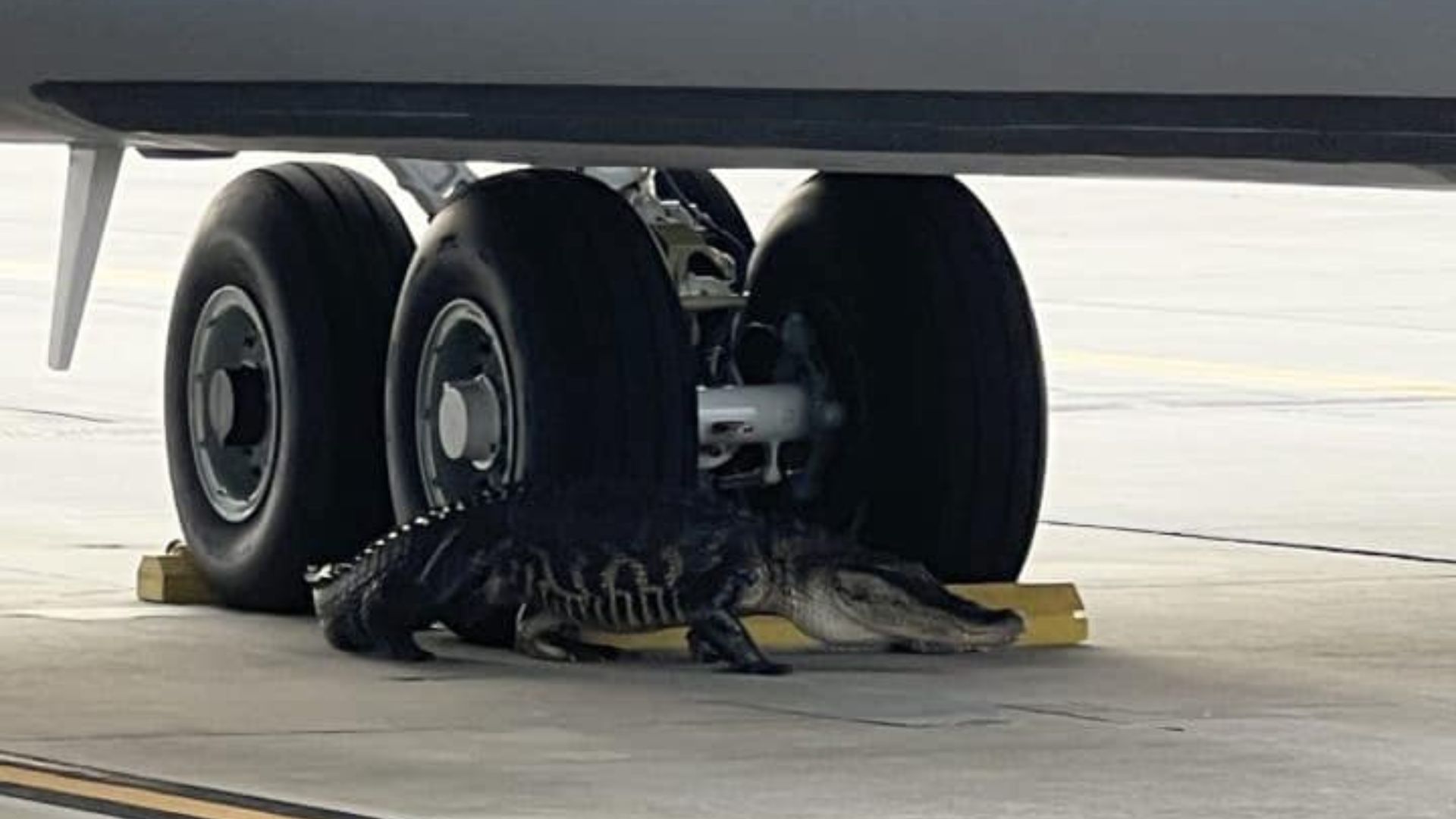
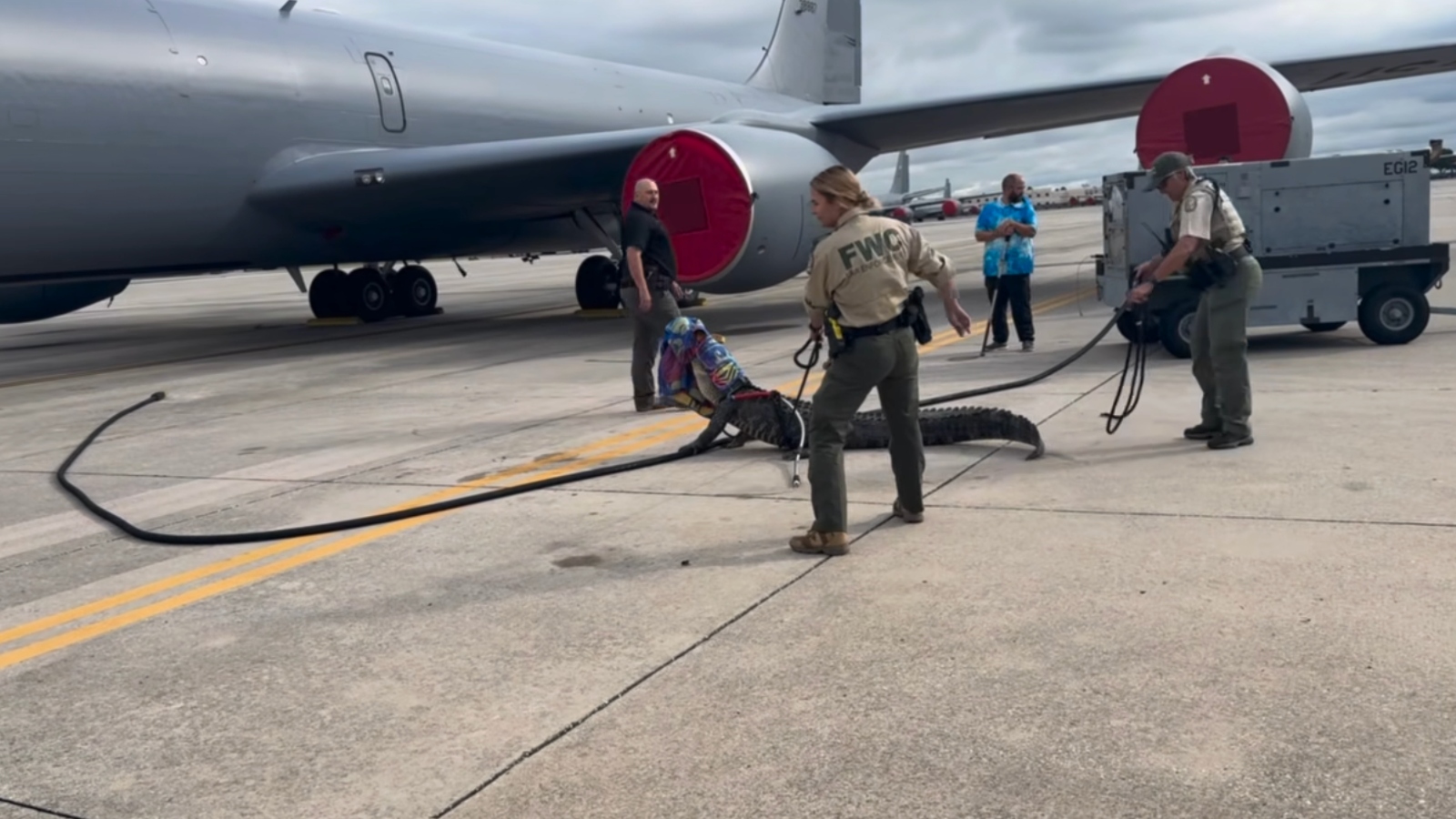
While the idea of an alligator on a plane sounds like the plot of a sensationalist thriller, it is a subject rooted in a tragic historical aviation accident and strictly defined transportation laws. In 2026, international aviation authorities and domestic carriers maintain rigorous prohibitions against carrying live crocodilians in passenger cabins to prevent weight-shift catastrophes and safety hazards.
The phrase "alligator on a plane" most frequently refers to a catastrophic 2010 aviation accident in the Democratic Republic of the Congo, where a smuggled reptile caused a fatal stampede within the cabin. Beyond this historical event, the topic encompasses the complex regulatory framework governing the transport of exotic reptiles, the aerodynamic principles of weight and balance, and the strict safety protocols enforced by the Federal Aviation Administration (FAA) and the International Air Transport Association (IATA).
The 2010 Filair Crash: A Case Study in Smuggling Hazards
To understand the severity of why an alligator on a plane is a critical safety concern, one must examine the 2010 Filair Let L-410 crash. On August 25, 2010, a small regional flight was traveling from Kinshasa to Bandundu in the Democratic Republic of the Congo. A passenger had successfully smuggled a small alligator into the cabin inside a large duffel bag, intended for sale or consumption.
According to the sole survivor and subsequent investigations, the alligator escaped the bag as the aircraft was beginning its final approach. The sudden appearance of the reptile in the cramped cabin caused an immediate and violent panic among the passengers. Despite the alligator's relatively small size, the collective reaction of the people on board created a localized stampede toward the cockpit.
This sudden movement of weight to the front of the aircraft caused a catastrophic shift in the center of gravity. The Let L-410, a twin-engine short-range transport aircraft, is highly sensitive to weight distribution. The shift exceeded the aircraft's aerodynamic limits, leading to a stall and a subsequent crash into a house just hundreds of meters from the runway. This incident serves as the primary technical reason why live animals—especially those capable of inducing panic—are strictly regulated.
The Aerodynamics of Weight and Balance
In aviation, the "Center of Gravity" (CoG) is a specific point where the aircraft would balance if suspended in the air. For an airplane to remain stable and controllable, the CoG must stay within a very narrow "envelope" defined by the manufacturer.
How Passenger Movement Affects Small Aircraft
In large commercial jets, like a Boeing 787 or an Airbus A350, a few people moving around has a negligible effect on the CoG because the overall mass of the aircraft is so high. However, in small regional aircraft (10–20 seats), the movement of just three or four people can drastically change the pitch of the plane.
When the passengers in the 2010 Filair incident rushed forward to escape the alligator, the CoG moved forward so rapidly that the pilots could no longer compensate with the elevators (the control surfaces on the tail). The nose of the plane dropped, the airspeed changed, and the wings lost lift, resulting in a stall from which there was insufficient altitude to recover.
Structural Integrity and Unsecured Loads
Beyond the panic-induced weight shift, a loose alligator on a plane poses structural risks. Reptiles are incredibly strong; a frightened alligator could potentially damage interior paneling, chew through exposed wiring under seats, or interfere with rudder pedals if it reaches the cockpit. Modern aviation safety relies on "secured loads," meaning every item and living being must be restrained during take-off, turbulence, and landing.
Regulatory Framework for Transporting Reptiles in 2026
As of 2026, the transportation of alligators and other crocodilians is governed by a hierarchy of international and domestic laws. You cannot simply purchase a ticket for an alligator or bring one on board as a "carry-on" item.
IATA Live Animals Regulations (LAR)
The International Air Transport Association (IATA) sets the global standard for transporting animals by air. Alligators fall under specific "Container Requirements" (usually Container Requirement 42). These containers must be:
- Escape-proof: Constructed of heavy-duty wood or metal that the animal cannot chew or claw through.
- Ventilated: Positioned so that airflow is not blocked even if other cargo is placed nearby.
- Sized Appropriately: The animal must be able to lie in a natural position, but the container must be narrow enough to prevent the animal from turning around and injuring itself during turbulence.
CITES and Legal Documentation
Alligators are protected under CITES (the Convention on International Trade in Endangered Species of Wild Fauna and Flora). Moving an alligator across international borders—or even across certain state lines—requires:
- CITES Permits: Verification that the animal was legally sourced.
- Health Certificates: Documentation from a licensed veterinarian confirming the animal is free from zoonotic diseases.
- Import/Export Licenses: Specifically required if the animal is being moved for commercial or research purposes.
Airline-Specific Policies
Even if you have the legal permits, most commercial airlines (such as Delta, United, or American Airlines) prohibit the transport of reptiles in the passenger cabin. They must be shipped as "Manifest Cargo." This means the animal is processed through a cargo terminal, held in a climate-controlled area of the plane's hold, and tracked with a specific air waybill.
Comparison of Animal Transport Methods on Aircraft
The following table outlines the differences in how various animals are handled to maintain flight safety and compliance with 2026 aviation standards.
| Feature | Service Animals (Dogs) | Small Pets (Cats/Small Dogs) | Reptiles (Alligators/Snakes) |
|---|---|---|---|
| Cabin Access | Allowed (Under DOT rules) | Limited (Carrier discretion) | Prohibited |
| Container Needed | No (Harness required) | Yes (Soft/Hard shell) | Yes (IATA CR42 standard) |
| Location | Floor at passenger's feet | Under the seat in front | Climate-controlled cargo hold |
| Weight Impact | Calculated in passenger load | Included in cabin baggage | Weighed as manifest cargo |
| Documentation | Training/Health forms | Health certificate | CITES/Permits/Vet clearance |
| Emergency Risk | Low (Trained behavior) | Moderate (Escape potential) | High (Panic/Biohazard) |
The "Emotional Support Animal" Loophole: 2026 Status
A common question is whether an alligator can be classified as an Emotional Support Animal (ESA) to gain cabin access. Following a series of incidents in the late 2010s involving non-traditional animals, the U.S. Department of Transportation (DOT) revised its rules.
In 2026, airlines are no longer required to recognize ESAs. They only recognize trained service dogs. Because an alligator cannot be trained to perform specific tasks related to a disability (and because of the inherent safety risks they pose to other passengers), they are categorically excluded from service animal status. Any attempt to bring an alligator into a cabin under the guise of an ESA will result in a denial of boarding and potential fines for violating TSA safety protocols.
Shipping an Alligator Safely: The Professional Process
If there is a legitimate need to move an alligator—for example, a zoo transfer or a specialized rescue operation—the process is highly technical and involves specialized logistics companies.
- Pre-Shipment Fasting: Alligators are typically not fed for several days before a flight to prevent them from fouling their transport container, which can lead to respiratory issues or skin infections in the enclosed space.
- Temperature Control: Alligators are ectothermic (cold-blooded). The cargo hold must be pressurized and heated to a specific range (usually between 65°F and 85°F). If the hold gets too cold, the alligator's metabolism slows dangerously; if it gets too hot, the animal can die of heatstroke.
- Taping the Jaws: For the safety of the handlers at the cargo terminals, it is industry practice to safely and humanely tape the jaws of the alligator closed during transit. This prevents accidental bites during loading and unloading.
- Specialized Carriers: Companies like FedEx or specialized animal shippers have "Animal Desks" that monitor the shipment from origin to destination, ensuring the animal is the last thing loaded and the first thing unloaded.
Common Mistakes and Legal Consequences
Attempting to bypass these rules is a federal offense in many jurisdictions. Smuggling an alligator on a plane leads to several severe consequences:
- Criminal Charges: Violating the Lacey Act (in the U.S.) or similar international wildlife trafficking laws can lead to imprisonment and massive fines.
- Civil Penalties: The FAA can levy fines exceeding $10,000 for interfering with flight crew or bringing prohibited hazardous materials (which live, unsecured animals are considered) on board.
- Confiscation: The animal will be seized by Fish and Wildlife services and likely permanently removed from the owner's care.
- Banned from Flying: Airlines maintain "no-fly" lists for passengers who create significant safety hazards. Smuggling a reptile that could cause a cabin panic is a guaranteed way to be permanently barred from a carrier.
FAQ
Can I fly with a baby alligator in a carry-on if it’s in a secure tank?
No. Even if the tank is secure, TSA and airline regulations prohibit reptiles in the cabin. Alligators are classified as potentially dangerous wildlife and must be transported via manifest cargo in the aircraft hold, regardless of the animal's size or the security of the container.
What happened to the alligator in the 2010 Filair crash?
Remarkably, the alligator survived the initial impact of the crash. However, it was later killed by local authorities who arrived at the scene. The crash itself claimed the lives of 20 people, including the pilots and the person who smuggled the animal.
Are there any airlines that allow reptiles in the cabin?
In 2026, no major commercial international carrier allows alligators or large reptiles in the passenger cabin. Some very small, specialized bush-pilot services in remote areas might have different local standards, but these operate outside the safety norms of commercial aviation and are generally considered high-risk.
How much does it cost to ship an alligator on a plane legally?
The cost is determined by the weight of the animal and the container, as well as the distance traveled. Because it requires manifest cargo handling and specialized climate control, shipping a medium-sized alligator domestically can cost between $500 and $2,000. International shipping is significantly higher due to permit fees and customs brokerage.
Is an alligator considered a "hazardous material" in aviation?
While not a "chemical" hazard, a live alligator is treated with similar caution because it is an "unsecured biological load." If it escapes, it poses a direct threat to the safety of the flight, the integrity of the aircraft's systems, and the physical safety of the passengers and crew.
Final Recommendation for Transporting Reptiles
If you must move an alligator in 2026, the only safe and legal route is through a professional live-animal cargo service. Never attempt to conceal an animal in your luggage or on your person. The risks to your freedom, the lives of your fellow passengers, and the life of the animal far outweigh any perceived convenience. Contact your airline's cargo department at least 30 days in advance to secure the necessary permits and ensure that the aircraft scheduled for your route has a compatible, climate-controlled hold.