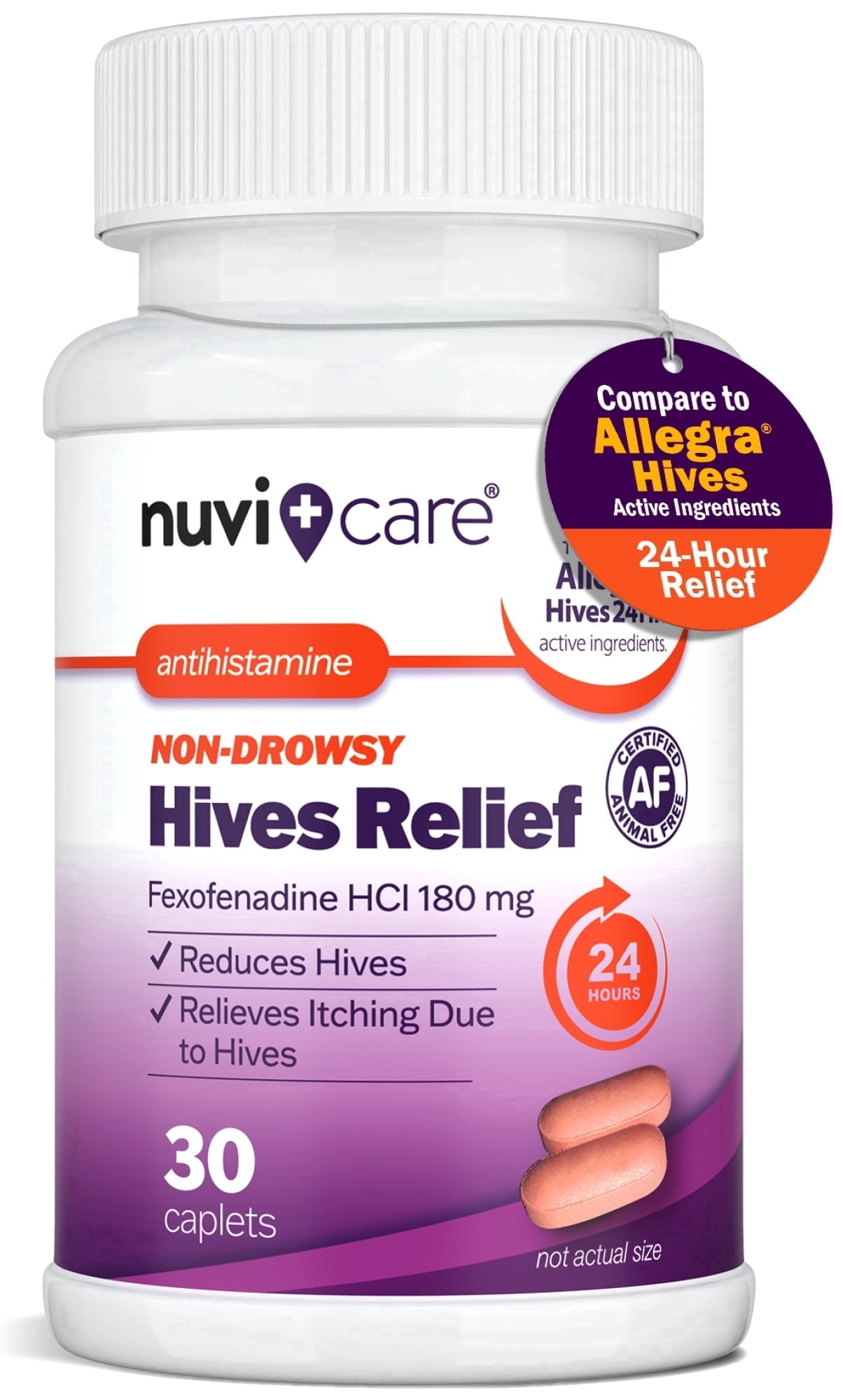
Allegra (fexofenadine) is widely considered one of the most effective over-the-counter (OTC) treatments for hives because it blocks histamine, the primary chemical responsible for the redness, swelling, and intense itching associated with urticaria. As a second-generation antihistamine, it provides 24-hour relief and is clinically proven to be non-drowsy, making it a preferred option for those needing daytime symptom management without cognitive impairment.
Understanding Hives and the Histamine Response
To understand why Allegra is effective, one must first understand the biological mechanism of hives, medically known as urticaria. Hives are localized, itchy, raised welts on the skin that can range in size from small spots to large blotches. They are typically the result of the body’s immune system overreacting to a trigger—whether that be an allergen, stress, heat, or an underlying infection.
When the body encounters a trigger, specialized immune cells called mast cells release a cocktail of chemicals, the most prominent being histamine. Histamine binds to H1 receptors located on the surface of blood vessels and nerve endings. This binding causes the blood vessels to leak fluid into the surrounding skin tissue (leading to the swelling or "wheal") and stimulates the nerves to send itch signals to the brain.
Allegra’s active ingredient, fexofenadine hydrochloride, is a potent H1-receptor antagonist. Unlike the triggers themselves, fexofenadine acts as a shield. It travels through the bloodstream and binds to the H1 receptors, effectively "parking" in the spot where histamine would otherwise attach. By preventing histamine from docking at these receptor sites, Allegra halts the inflammatory cascade, allowing the swelling to subside and the itching to vanish.
The Evolution of Antihistamines: Why Allegra Stands Out
In the landscape of allergy medication, Allegra belongs to the second generation of antihistamines. To appreciate its value in 2026, it is helpful to contrast it with first-generation medications like diphenhydramine (Benadryl).
First-generation antihistamines are lipophilic, meaning they easily cross the blood-brain barrier. Once in the brain, they interfere with histamine’s role as a neurotransmitter responsible for alertness, leading to significant sedation and "brain fog." For a hives sufferer, this often meant choosing between being itchy or being asleep.
Allegra was engineered to be more "peripherally selective." Its molecular structure prevents it from crossing the blood-brain barrier in significant quantities. Consequently, fexofenadine focuses its efforts on the skin and respiratory tract rather than the central nervous system. Clinical trials have consistently shown that even at higher-than-standard doses, fexofenadine does not cause more drowsiness than a placebo. This makes it an ideal choice for professionals, students, and drivers who require clear cognitive function while treating their skin condition.
Allegra for Chronic vs. Acute Urticaria
Medical professionals generally categorize hives into two types: acute and chronic.
- Acute Urticaria: These are hives that last for less than six weeks. They are often triggered by a specific food, medication, or insect bite. Allegra is excellent for acute cases as it can be taken at the onset of symptoms to provide rapid relief while the trigger works its way out of the system.
- Chronic Idiopathic Urticaria (CIU): This is defined as hives that persist for six weeks or longer without an easily identifiable cause. For millions of people, CIU is a debilitating condition that affects sleep and quality of life. Allegra is one of the few OTC medications specifically FDA-approved for the treatment of CIU symptoms. Because it is safe for long-term daily use (under medical supervision), it serves as a cornerstone for managing the daily flares of chronic hives.
Analyzing the Different Allegra Formulations
When browsing the pharmacy aisle in 2026, you will notice several versions of Allegra. Selecting the right one is critical for treating hives effectively.
- Allegra Allergy (24-Hour): This is the standard 180mg tablet. It is the primary recommendation for adults suffering from hives. It provides a steady release of fexofenadine to maintain receptor blockade for a full day.
- Allegra Hives: It is a common point of confusion among consumers, but "Allegra Hives" is chemically identical to "Allegra Allergy." The branding is specifically designed to help hives sufferers find the product, but both contain 180mg of fexofenadine. If you find one is cheaper than the other, you can safely choose the more affordable option.
- Allegra-D: This version contains a decongestant (pseudoephedrine) in addition to the antihistamine. While excellent for nasal congestion, Allegra-D is generally not recommended for hives. The decongestant can increase heart rate and blood pressure and provides no benefit for skin itching.
- Children’s Allegra: Available in liquid or orally disintegrating tablets, these are formulated in lower dosages (typically 30mg) suitable for younger populations.
Comparison of Common Hives Medications
| Medication | Active Ingredient | Duration | Drowsiness Level | Best For |
|---|---|---|---|---|
| Allegra | Fexofenadine | 24 Hours | Non-Drowsy | Daytime use; Chronic Hives |
| Zyrtec | Cetirizine | 24 Hours | Low (may cause some) | Fast-acting; Severe itching |
| Claritin | Loratadine | 24 Hours | Non-Drowsy | Mild symptoms; Very high safety profile |
| Xyzal | Levocetirizine | 24 Hours | Low (take at night) | Persistent, stubborn hives |
| Benadryl | Diphenhydramine | 4-6 Hours | High Sedation | Acute reactions; Sleep aid |
The "Juice Rule" and Maximum Efficacy
One of the most critical, yet often overlooked, aspects of taking Allegra for hives is the interaction with fruit juices. Fexofenadine relies on a specific transport protein in the gut called OATP1A2 to be absorbed into the bloodstream.
Compounds found in grapefruit, orange, and apple juice can inhibit these transporters. If you take Allegra with a glass of orange juice, the amount of medication that actually reaches your blood can be reduced by up to 40%. This significantly diminishes the drug's ability to stop the itching and swelling of hives. To ensure Allegra is "good" for your hives, always take it with plain water and avoid fruit juices for at least two hours before and after your dose.
Potential Side Effects and Safety Profile
While Allegra is remarkably safe for the vast majority of the population, no medication is without potential side effects. In clinical settings, the most commonly reported side effects include:
- Headache
- Dizziness
- Back pain
- Stomach upset
These side effects are generally mild and often dissipate as the body adjusts to the medication. Because fexofenadine is cleared by the kidneys, individuals with chronic kidney disease should consult a physician, as a lower dose or different dosing frequency (such as 60mg twice daily instead of 180mg once daily) may be required to prevent the drug from accumulating in the system.
When to See a Doctor
While Allegra is effective for standard hives, it is not a cure-all for severe allergic reactions. You should seek immediate medical attention if your hives are accompanied by:
- Swelling of the lips, tongue, or throat (angioedema).
- Difficulty breathing or wheezing.
- A drop in blood pressure or feeling of faintness.
- Nausea or vomiting following an allergen exposure.
These symptoms may indicate anaphylaxis, a life-threatening condition that requires epinephrine (EpiPen), not just an antihistamine like Allegra. Furthermore, if hives do not respond to OTC Allegra after a few days of consistent use, a dermatologist or allergist may need to prescribe a higher dosage or adjunct therapies like H2 blockers or leukotriene modifiers.
Practical Tips for Enhancing Allegra’s Effectiveness
Taking Allegra is the first step, but lifestyle adjustments can help the medication work more efficiently.
- Avoid Heat: Heat dilates blood vessels, which can worsen hives. Opt for lukewarm showers rather than hot baths.
- Loose Clothing: Friction from tight waistbands or straps can trigger a phenomenon known as dermatographism, where hives form in the shape of the pressure applied to the skin.
- Cool Compresses: While waiting for the Allegra to kick in (which usually takes about 60 to 90 minutes), applying a cool, damp cloth to the affected area can provide immediate, temporary relief from the burning sensation.
- Identify Triggers: Keep a food and activity diary. If hives appear consistently after eating certain foods or using specific detergents, eliminating those triggers will reduce the burden on the medication.
FAQ: Allegra and Hives Management
How long does it take for Allegra to work for hives?
Allegra typically begins to lower histamine levels within 60 to 90 minutes of ingestion. Peak levels in the bloodstream are usually reached within 2 to 3 hours. If you are experiencing an acute flare-up, you may notice the itch subsiding first, followed by a gradual flattening of the welts over several hours.
Can I take more than one Allegra a day if my hives are severe?
The standard OTC dose for adults is 180mg once every 24 hours. While allergists sometimes prescribe higher doses (up to 360mg or more) for difficult-to-treat chronic urticaria, you should never exceed the labeled dose without a direct instruction from a healthcare professional. Overdosing can increase the risk of side effects like dizziness and dry mouth.
Is Allegra safe to take during pregnancy for hives?
Fexofenadine is generally considered to have a good safety profile, but it is traditionally classified as a "Category C" medication by the FDA (using the older classification system). This means that while animal studies may have shown some risk, there are no adequate, well-controlled studies in pregnant women. Most doctors prefer loratadine (Claritin) as a first-line antihistamine during pregnancy, so consult your OB-GYN before starting Allegra.
Does Allegra interact with alcohol?
Unlike older antihistamines, Allegra does not significantly increase the sedative effects of alcohol. However, since both alcohol and hives can involve vasodilation (widening of blood vessels), drinking alcohol while experiencing a hives flare-up may worsen the redness and itching, regardless of the medication you take.
Can I take Allegra with other allergy meds like Flonase?
Yes. Flonase (fluticasone) is a nasal corticosteroid that works locally in the nose to reduce inflammation. It does not have a significant systemic interaction with fexofenadine. However, using two different oral antihistamines (like taking Allegra and Zyrtec together) is generally unnecessary and should only be done under a doctor's guidance.
Final Recommendation for Hives Sufferers
If you are dealing with the discomfort of hives in 2026, Allegra is an excellent first-line defense. Its combination of 24-hour potency and a true non-drowsy profile makes it superior for maintaining a normal lifestyle during an outbreak. For the best results, ensure you take the 180mg dose with water, avoid fruit juices, and give the medication at least two hours to reach full effectiveness. If symptoms persist for more than a few days or appear to be worsening, consult an allergist to explore a more comprehensive treatment plan.