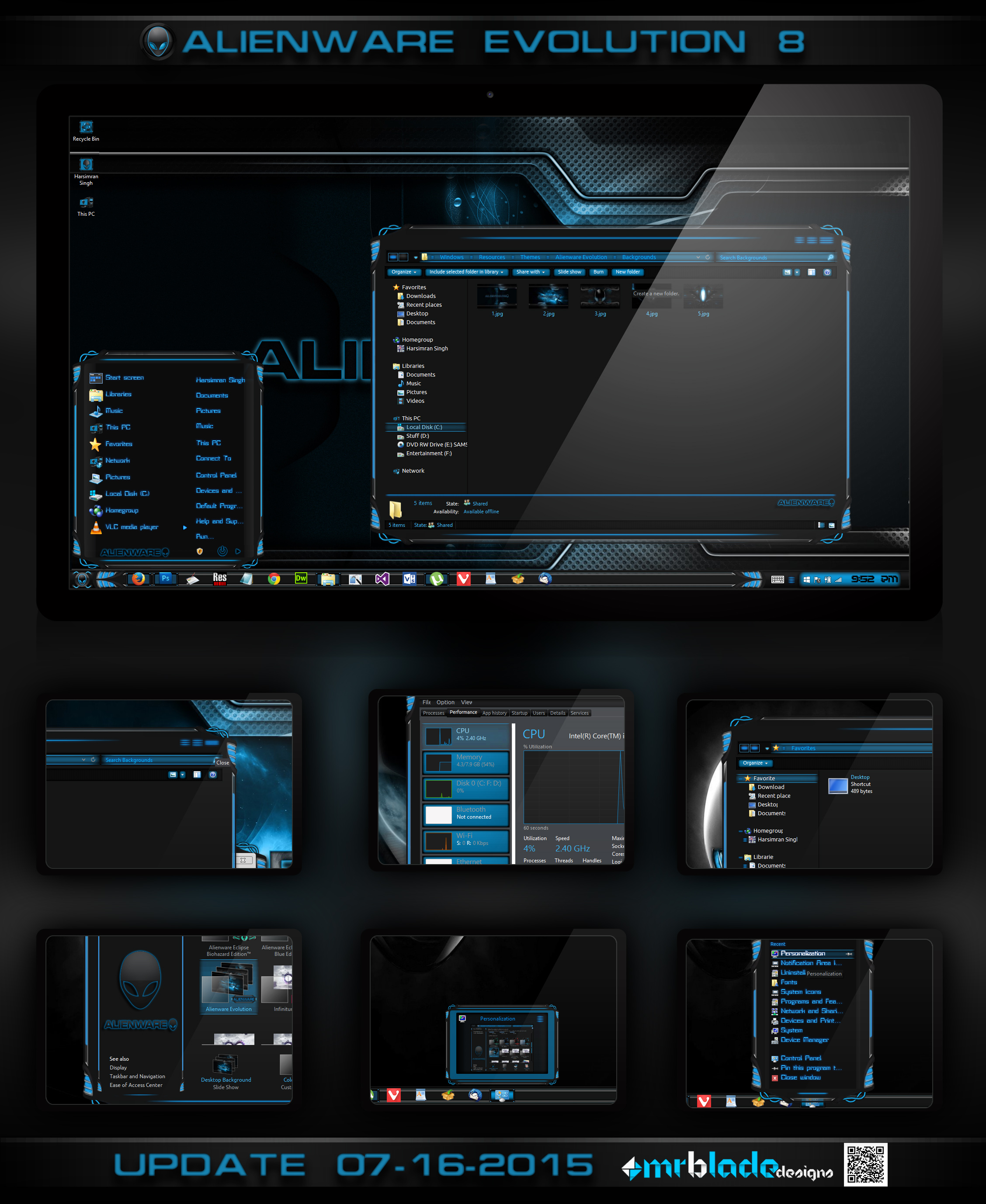
Alienware was founded in 1996 by Nelson Gonzalez and Alex Aguila in Miami, Florida, with the mission of creating high-performance computers specifically tailored for the burgeoning PC gaming market. Since its acquisition by Dell in 2006, the brand has evolved from a boutique, enthusiast-focused custom PC builder into a global leader in high-end gaming hardware, peripherals, and display technology.
The Genesis: A Boutique Vision for Gamers
In the mid-1990s, the computing landscape was dominated by beige, utilitarian boxes designed for productivity and office software. The specialized needs of the burgeoning 3D gaming community—specifically high-end graphics processing and raw CPU speed—were largely ignored by major manufacturers. In 1996, Nelson Gonzalez and Alex Aguila identified this gap and founded Alienware in their garage in Miami.
The name "Alienware" was chosen for its association with the "out of this world" performance the founders intended to deliver. Unlike mass-market competitors, Alienware’s core value proposition was simple: custom-built, high-performance machines that utilized the best available off-the-shelf components. The company differentiated itself by focusing on overclocking, premium thermal management, and aggressive, futuristic aesthetics that resonated with the burgeoning demographic of PC enthusiasts.
Growth and Brand Identity
During its early years, Alienware solidified its reputation through its "Area-51" desktop line. These systems were not merely computers; they were status symbols in the gaming community. By focusing on high-quality cooling solutions and modular designs that allowed users to upgrade components easily, Alienware fostered a cult-like following.
The brand’s aesthetic language—heavy use of metallic silver, black, and later, the iconic "Alien Head" logo—became instantly recognizable. As the company grew, it moved beyond the garage and into dedicated manufacturing facilities. By the early 2000s, Alienware had established a reputation for being the primary destination for gamers who required elite-tier performance and were willing to pay a premium for it. They shifted the consumer expectation from "a computer that plays games" to "a gaming-first architecture."
The Turning Point: The Dell Acquisition
By 2006, Alienware had become a titan of the boutique PC industry, but the company faced increasing pressure from larger manufacturers entering the gaming space. In March 2006, Dell announced its intention to acquire Alienware. The acquisition was completed later that year, marking a massive strategic shift for both companies.
For Dell, the acquisition was a move to capture the high-end gaming market—a demographic it had struggled to attract with its mainstream Inspiron and Dimension lines. For Alienware, the acquisition provided the supply chain, global distribution, and economies of scale necessary to transition from a boutique builder to a multinational hardware entity. While many fans initially feared the "Dell-ification" of the brand, the company maintained its design independence, keeping its headquarters in Miami and its design teams separate from Dell's mainstream operations for several years.
Modern Evolution and Technical Standardization
Post-acquisition, Alienware expanded its reach significantly. The evolution was not just in volume but in technological diversification. The company began to integrate advanced technologies such as custom-engineered copper-pipe cooling systems, programmable RGB lighting via their "AlienFX" software, and high-refresh-rate displays.
In 2026, the brand occupies a dominant position in the industry, offering a comprehensive ecosystem. The product catalog now spans from the flagship Aurora desktops to the ultra-portable and high-performance X-series and M-series laptops. Their evolution has led to a tighter integration with Dell’s engineering prowess, particularly in the realm of monitor technology and thin-and-light laptop thermals.
Key Milestones in Alienware History
| Era | Key Development | Significance |
|---|---|---|
| 1996 | Foundation | Launched in Miami by Gonzalez and Aguila. |
| 1997-2005 | Boutique Growth | Development of iconic chassis designs like Area-51. |
| 2006 | Dell Acquisition | Transition to global distribution and scale. |
| 2009-2015 | Laptop Focus | Introduction of M11x and high-end Alienware laptops. |
| 2016-2020 | Display Integration | Expansion into Alienware-branded gaming monitors. |
| 2021-Present | Ecosystem Expansion | Holistic focus on peripherals, headsets, and monitors. |
Engineering and Design Philosophy
Alienware’s evolution is defined by its commitment to solving specific hardware problems. One of the most significant shifts was the transition toward the "Legend" and "Lunar Light" design languages. These design shifts marked a departure from the purely aggressive, dark-themed chassis of the early 2000s toward a more sophisticated, ergonomic, and thermally efficient structure.
Technical depth is the hallmark of modern Alienware systems. This includes:
- Thermal Management: The use of vapor chamber cooling and high-density heat pipes to mitigate thermal throttling in thin-chassis laptops.
- Display Quality: The adoption of OLED and Mini-LED technologies, setting the benchmark for gaming monitor color accuracy and response times.
- Custom Software: Alienware Command Center (AWCC) serves as the centralized hub for system tuning, managing lighting, power profiles, and overclocking settings, bridging the gap between hardware and user control.
Challenges and Competitive Landscape
Despite its stature, the company has faced significant challenges. Throughout the 2010s, as competitors like ASUS (ROG), Razer, and MSI refined their own high-end gaming lines, Alienware faced criticism regarding price-to-performance ratios and proprietary components that limited user upgradability.
The integration with Dell also brought challenges regarding internal competition with Dell’s "G-Series" laptops, which serve as a more budget-conscious alternative. Alienware has responded by focusing on premium materials, such as magnesium alloys and high-grade plastics, and by prioritizing exclusive features that are not available in the wider Dell portfolio.
The Ecosystem Approach
In 2026, Alienware is no longer just a manufacturer of gaming PCs; it is a brand focused on the entire user environment. This includes high-fidelity mechanical keyboards, wireless gaming mice with ultra-low latency, and large-format monitors that utilize quantum dot technology. This ecosystem approach aims to ensure that every point of contact the user has with their system—from the display to the input devices—meets the "Alienware standard."
This evolution reflects a market shift where consumers expect seamless synchronization across all devices. By creating a unified software experience that manages not just the PC, but the keyboard, mouse, and headset, Alienware has successfully transitioned from a hardware-only company to a lifestyle brand for serious gaming.
Frequently Asked Questions
Why did Dell acquire Alienware in 2006?
Dell acquired Alienware to tap into the high-end gaming market, which required a specialized brand identity and specific engineering knowledge that Dell’s mainstream lines lacked. The acquisition allowed Dell to leverage Alienware’s design expertise while Alienware benefited from Dell’s supply chain and global manufacturing capabilities.
Are Alienware computers still built in Miami?
While the brand was founded in Miami, the manufacturing and operations have been integrated into Dell’s global supply chain over the last two decades. While engineering and design teams may retain specific regional footprints, the large-scale production is handled through Dell’s global logistics and assembly networks.
What is the "Legend" design language?
"Legend" is an aesthetic and functional design language introduced by Alienware to modernize their chassis. It emphasizes cleaner lines, premium materials, and better thermal management through innovative airflow pathing, moving away from the more cluttered "sci-fi" designs of the early 2000s.
How has Alienware changed its approach to laptop thermals?
Early gaming laptops were notorious for poor heat dissipation. Alienware evolved by incorporating vapor chamber technology and advanced liquid-crystal polymer fans. By focusing on how air moves through the chassis—moving heat away from the keyboard area toward the exhaust—they have successfully managed high-wattage components in smaller form factors.
Is Alienware considered a luxury brand?
Yes. Alienware occupies the premium tier of the gaming market. Their pricing reflects the use of high-end materials, custom-engineered components, and software support that is distinct from mass-market gaming PCs. The "Alienware" brand is positioned to compete with boutique builders while offering the reliability and warranty support of a major corporation.
Next Actions for Prospective Buyers
If you are considering an Alienware system, your first step should be to evaluate your performance requirements. Because Alienware offers a wide range of products, it is essential to distinguish between the X-series (ultra-thin for portability) and the M-series (maximum performance and thermal capacity). For desktop users, the Aurora line remains the gold standard, but you should verify if you require a pre-built ecosystem or if you intend to perform future third-party upgrades.
Always check the current specifications against the latest GPU and CPU generations, as the market moves rapidly. Review the specific monitor connectivity options to ensure they support the refresh rates you require for your display setup. By prioritizing your specific gaming needs—whether it is competitive esports or high-fidelity cinematic gaming—you can select the architecture that best suits your requirements.