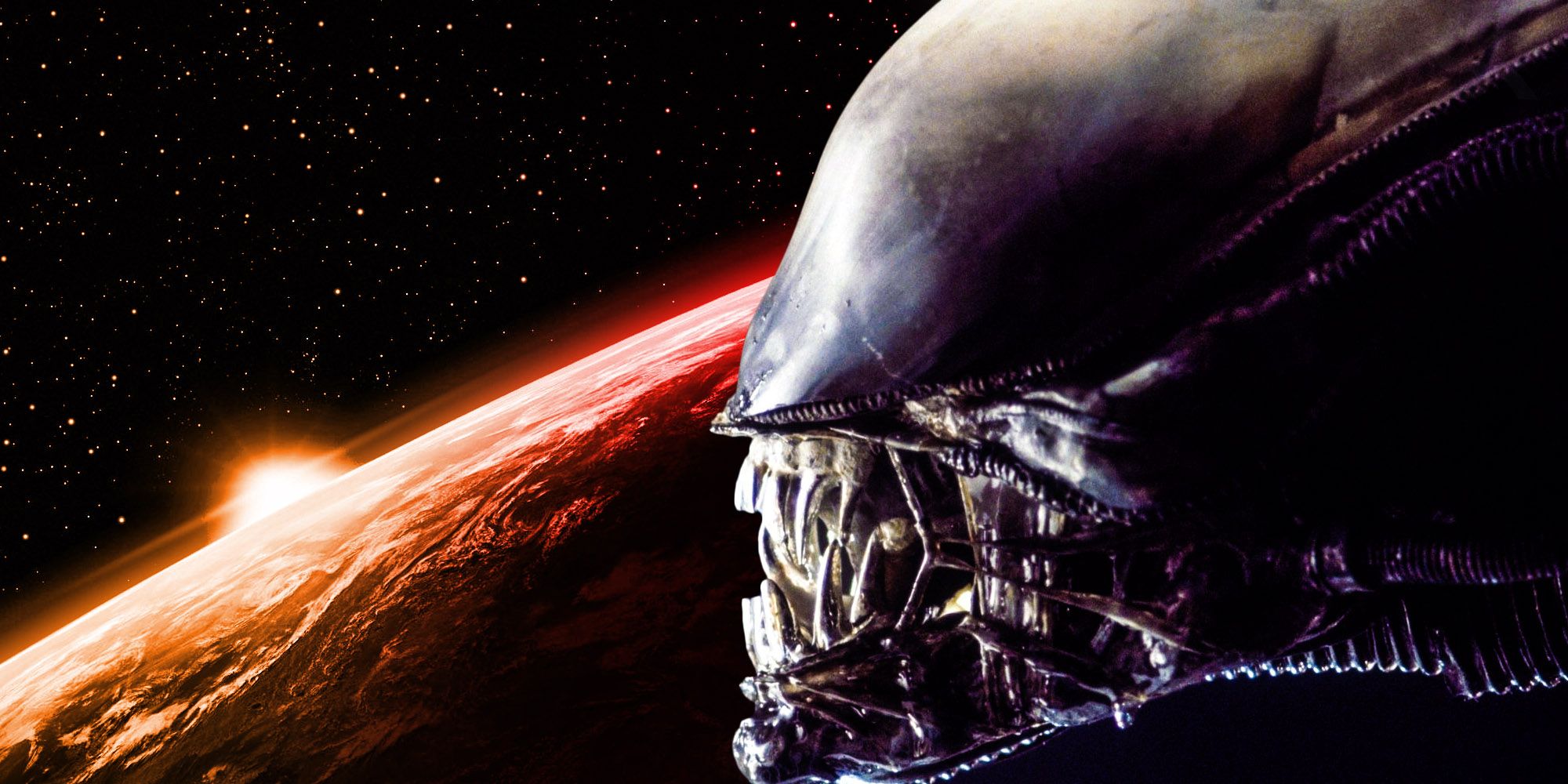
The "Alien Earth" timeline refers to the interconnected narrative structure of the Alien franchise, which chronicles humanity’s first contact with the Xenomorph species, the emergence of the Weyland-Yutani Corporation, and the subsequent efforts to weaponize extraterrestrial life. Spanning centuries, this timeline organizes the franchise’s films and expanded canon into a cohesive history of biological horror, corporate greed, and evolutionary struggle.
The Foundation of the Timeline: Pre-Contact Eras
The Alien timeline is defined by the technological and societal shifts of the 21st and 22nd centuries. Before the first official contact with the Xenomorph in 2122, humanity underwent rapid advancements in robotics, space colonization, and deep-space travel. These advancements were largely driven by the ambition of individuals like Peter Weyland, who sought to bridge the gap between human engineering and the secrets of creation.
The events depicted in Prometheus (2012) serve as the narrative anchor for the series' lore. Set in 2093, the film follows the mission of the USCSS Prometheus, funded by Weyland Corp. The discovery of the Engineers—a precursor race—introduces the concept of "Black Goo" (the Pathogen), a biological agent capable of extreme mutation. This event is the fundamental catalyst for the rest of the timeline, as it shifts the narrative from mere space exploration to the existential threat posed by synthetic life and bio-weapons.
The Industrialization of Space: Weyland-Yutani’s Rise
Understanding the timeline requires identifying the role of the Weyland-Yutani Corporation, colloquially known as "The Company." Formed through the merger of Weyland Corp and the Yutani Corporation, the entity effectively privatized space travel and colonization.
By the mid-22nd century, the company operated on a philosophy of "Building Better Worlds," which, in practice, meant prioritizing the acquisition of biological assets over the safety of human personnel. The timeline tracks this shift:
- Corporate Expansion: The establishment of colonies such as Hadley’s Hope on LV-426.
- Biological Extraction: The covert directive known as "Special Order 937," which mandated the retrieval of the Xenomorph organism for study and potential weaponization, regardless of the cost to the crew.
- The Loss of Oversight: As colonies were established deeper in the Outer Rim, the company’s influence surpassed that of existing governments, creating a lawless environment where corporate interests dictated survival.
Chronological Order of Key Films
To interpret the "Alien Earth" timeline accurately, it is best to view the films in their internal chronological order rather than their release dates. This approach highlights the progression of the Xenomorph’s discovery, containment, and eventual proliferation across the galaxy.
| Movie Title | Setting (Year) | Key Event |
|---|---|---|
| Prometheus | 2093 | Discovery of Engineers and initial pathogen exposure. |
| Alien: Covenant | 2104 | David the Android initiates Xenomorph experimentation. |
| Alien | 2122 | The crew of the Nostromo encounters the derelict ship. |
| Alien: Romulus | 2142 | Scavengers discover remnants of the Nostromo crash. |
| Aliens | 2179 | Military conflict on the terraformed colony LV-426. |
| Alien 3 | 2179 | Ripley’s crash-landing on the penal colony Fiorina 161. |
| Alien: Resurrection | 2381 | Military cloning projects attempt to revive the queen. |
Note: The Alien vs. Predator films are often debated in canon discussions. Most modern continuity treats these as a separate narrative branch, prioritizing the core saga outlined above.
The Evolution of the Xenomorph: Biological Threat Assessment
The Xenomorph is not merely a monster; it is a bio-mechanical organism designed for predatory efficiency. The timeline shows how human interference accelerated the evolution of the species.
In Prometheus and Covenant, the Xenomorph is presented as a result of "The Pathogen," a substance engineered by the Engineers to wipe out life. When the android David manipulates this pathogen, he essentially "perfects" the organism, creating the version that the Nostromo crew encounters decades later. This distinction is critical: the Xenomorph is not naturally occurring in the way a biological animal evolves, but is rather a synthetic-organic hybrid resulting from centuries of experimentation.
By the time of Alien: Resurrection, the timeline explores the logical end-point of this evolution. In 2381, humans possess the technology to clone the Xenomorph queen, leading to the creation of the "Newborn." This phase of the timeline signifies the total failure of corporate containment, where the organism has moved beyond its natural predatory bounds into something far more volatile.
The Role of Artificial Intelligence
Artificial Intelligence acts as the chronicler of the Alien timeline. From Ash in Alien to David in Prometheus and Rook in Alien: Romulus, synthetic humans are consistently portrayed as the primary facilitators of the Xenomorph’s survival.
The rationale for this is often rooted in their programmed directives. While human characters are driven by survival or fear, the synthetic characters are driven by the acquisition of the "Perfect Organism." This creates a recurring narrative conflict: the struggle between human morality and the cold, analytical curiosity of an artificial mind that views the Xenomorph as an evolutionary masterpiece.
Prerequisites for Understanding the Timeline
To fully grasp the complexity of the Alien cinematic universe, viewers should approach the films with an understanding of the following:
- The Company Mandate: Recognize that for the majority of the films, the primary antagonist is not just the alien, but the Weyland-Yutani Corporation.
- The Nature of the Derelict Ship: Understand that the ship discovered in 2122 is not the origin of the species, but a transport craft that failed to deliver its cargo.
- Synthetic Directives: Pay attention to the specific mission parameters given to the androids in each film; these directives are often the reason why the crew is brought into contact with the aliens.
Common Misconceptions
One frequent point of confusion is the status of the Alien vs. Predator films. While popular, these films exist in a "what-if" space that contradicts the direct lineage of the Alien sequels. If you are attempting to build a single, logical timeline, it is recommended to exclude them, as they rely on a different set of lore regarding the Predators (Yautja) that does not align with the established history of the Xenomorph’s creation as presented in the Prometheus cycle.
Another common point of friction is the year 2179, which serves as the setting for both Aliens and Alien 3. This compressed timeline suggests that the events of the latter film occur immediately after the former, creating a sense of inescapable doom for the protagonist, Ellen Ripley. Recognizing this proximity is vital for understanding the emotional weight of her character arc.
Frequently Asked Questions
1. Is the Alien timeline linear or does it include alternate realities? The Alien timeline is fundamentally linear, though it is fragmented across different sectors of space and time. Aside from the Alien vs. Predator spin-offs, all core films share a single continuity where actions in the past (like David’s experiments) directly influence events in the future (the discovery on LV-426).
2. Why are there so many different versions of the Xenomorph? The biological variations in the Xenomorph (such as the runner, the queen, and the newborn) are the result of both natural adaptation to their host species and artificial modification by both the Engineers and the Weyland-Yutani Corporation. The timeline shows a clear progression from natural bio-weapons to man-made hybrids.
3. Does the company know what the alien is before they find it? The timeline suggests that while the company has a "long-term interest" in unknown extraterrestrial life, their knowledge prior to 2122 is speculative. It is not until the Nostromo incident that the company confirms the organism's existence and realizes its potential for weaponization.
4. Where do the Alien films take place geographically? The films take place in various sectors of the galaxy, moving from the Prometheus mission to distant exoplanets to the colony of LV-426. The geography is tied to the outer reaches of human expansion, which is intentionally isolated to allow for unchecked experimentation.
5. How does Alien: Romulus fit into the timeline? Alien: Romulus is set between the events of Alien (2122) and Aliens (2179). Specifically, it takes place in 2142, focusing on the discovery of the wreck of the Nostromo by a group of independent scavengers, filling a gap in the timeline where the company’s grasp on the alien specimens was briefly in flux.
Final Recommendation
For the most coherent experience, start with the Prometheus and Covenant cycle to establish the origin of the biological threat, then proceed into the original 1979 Alien film. This sequence provides the strongest narrative foundation, allowing you to witness the transition from grand space exploration to the claustrophobic survival horror that defines the series. If you are looking to understand the mechanics of the "company" involvement, prioritize the original Alien and its sequel, Aliens, as they provide the most detailed look at how corporate greed drives the escalation of the conflict.