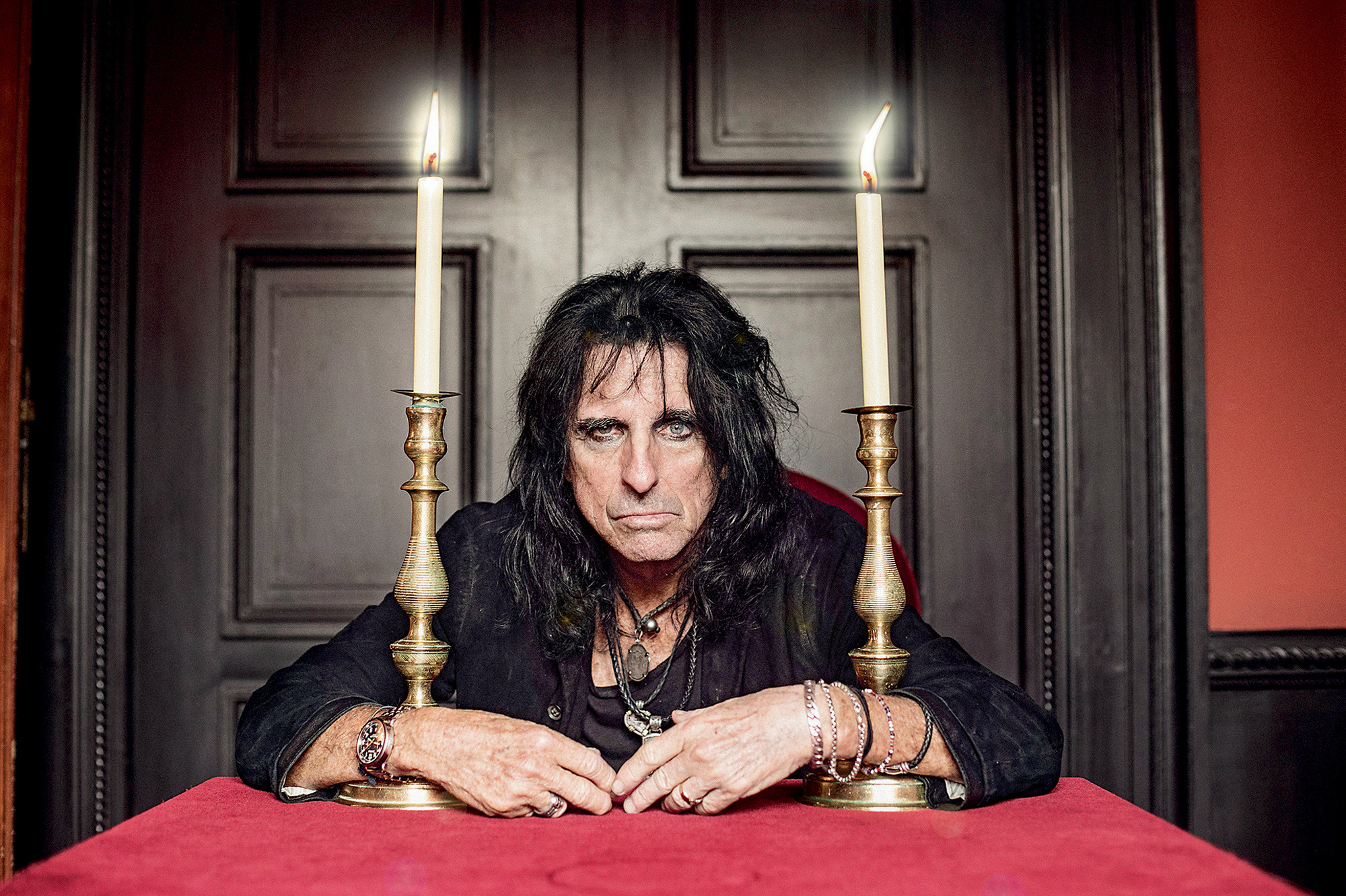
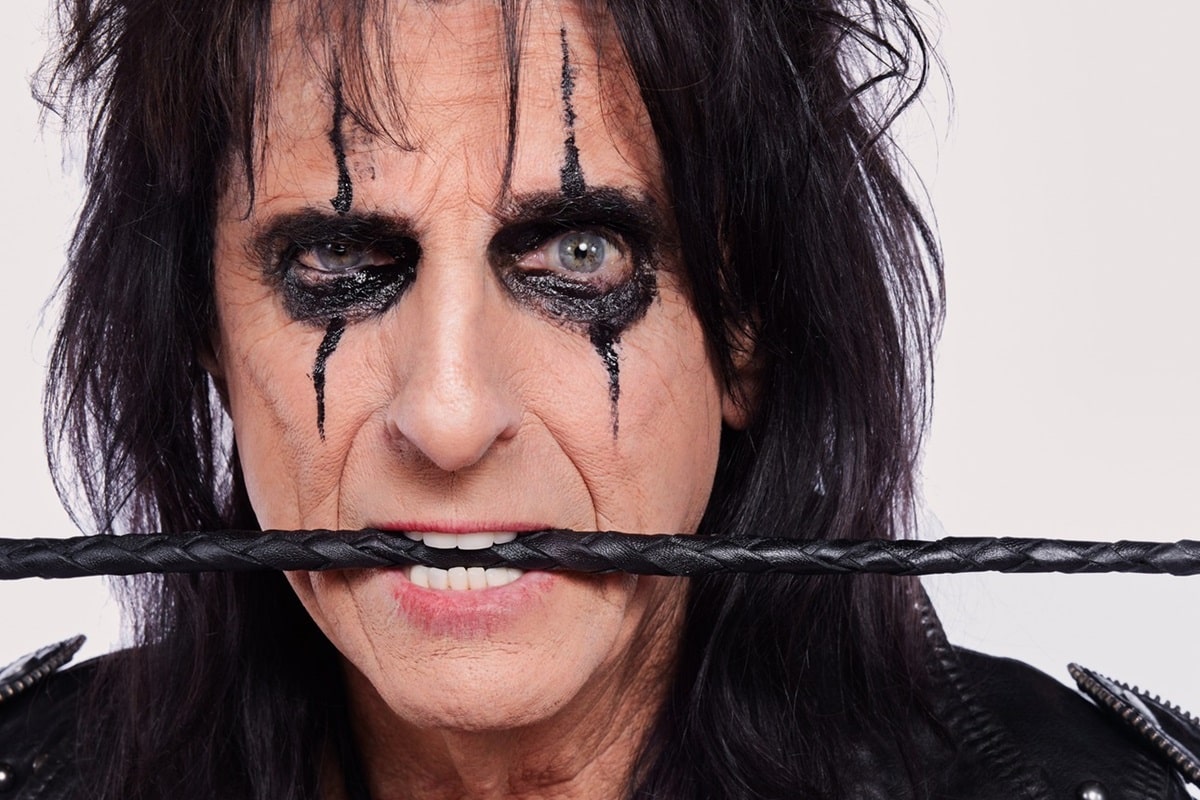
As of 2026, Alice Cooper remains in remarkably good health, continuing to tour and perform at 78 years of age. His physical vitality is attributed to four decades of sobriety, a rigorous daily golf regimen that serves as "replacement therapy" for past addictions, and a disciplined approach to cardiovascular maintenance that supports his high-energy stage shows.
Alice Cooper, born Vincent Damon Furnier, has become a living case study in successful aging and addiction recovery. While many of his contemporaries from the 1970s rock era have succumbed to the physical toll of the "rock star lifestyle," Cooper has transformed his health into a pillar of his professional longevity. To understand his current health status in 2026, one must examine the intersection of his historical medical challenges, his psychological shift toward sobriety, and the specific physical requirements of the "Shock Rock" persona he continues to embody on stage.
The Historical Health Battle: Overcoming Severe Alcoholism
The foundation of Alice Cooper’s current health journey began with a near-fatal struggle with alcohol during the mid-to-late 1970s. During the height of his fame, Cooper was consuming large quantities of Budweiser and whiskey, a habit that eventually led to significant internal damage. By 1977, his health had deteriorated to the point where he was vomiting blood and suffering from severe malnutrition, as the alcohol had replaced nearly all caloric intake.
His first major health intervention occurred when he checked into a sanitarium in New York in 1977, an experience he chronicled in the 1978 album From the Inside. However, recovery was not linear. Cooper experienced a significant relapse in the early 1980s, particularly during the recording of albums like Zipper Catches Skin and DaDa. This period is often referred to by Cooper as his "blackout years," during which he has admitted to having very little memory of recording or touring.
The permanent turning point for his health occurred in 1983. After a physician informed him that his liver would not survive another year of drinking, Cooper underwent a final detoxification process. Unlike many who struggle with lifelong cravings, Cooper has described his recovery as a "divine intervention" that removed the physiological desire for alcohol entirely. This shift allowed him to focus on physical rebuilding and the preservation of his vocal and motor skills.
Replacement Therapy: The Role of Golf in Cardiovascular Health
One of the most documented aspects of Alice Cooper’s health is his obsession with golf. Following his sobriety, he needed a way to channel the addictive energy that previously fueled his drinking. Golf became that outlet. In 2026, Cooper famously plays up to 36 holes of golf six days a week, regardless of his touring schedule.
From a medical perspective, this daily activity provides several key benefits:
- Low-Impact Cardiovascular Exercise: Walking the course (Cooper frequently avoids carts) provides sustained aerobic activity that strengthens the heart muscle without the joint strain associated with running or high-impact gym workouts.
- Neurological Sharpness: The technical demands of golf—coordination, spatial awareness, and focus—contribute to cognitive health and help prevent the mental decline often seen in the late 70s.
- Mental Well-being: Cooper has frequently cited the outdoors and the social aspect of the game as vital for his mental health, providing a stark contrast to the dark, enclosed environments of concert venues.
His book, Alice Cooper, Golf Monster, details how the sport transitioned from a hobby to a life-saving medical necessity. By maintaining a single-digit handicap for decades, Cooper has ensured that his body remains lean and his core strength stays intact, which is essential for carrying the heavy costumes and props required for his theatrical performances.
Touring Stamina and the Physical Demands of Shock Rock
Performing a two-hour Alice Cooper show is a significant physical feat. The production involves heavy leather costumes, carrying a 12-foot python (at times), and navigating complex stage sets that include guillotines and gallows. For a man in his late 70s, this requires a specific type of functional fitness.
Cooper’s health in 2026 is maintained through a combination of "show conditioning" and dietary discipline. He does not use traditional weightlifting; instead, he relies on the physical exertion of the tour itself to keep his muscles toned. He often describes the stage performance as an aerobic workout equivalent to a high-intensity interval training (HIIT) session.
To support this level of activity, Cooper adheres to a diet that emphasizes protein and minimizes processed sugars. While he is known to have a penchant for chocolate milk (which he uses as a quick recovery drink post-show for glucose and protein), his main meals are structured to provide sustained energy. His metabolism has remained high, partly due to the adrenaline of performance and the consistent physical movement of his daily life.
Respiratory Health and Vocal Maintenance
A critical component of Alice Cooper's health is his vocal longevity. Many rock vocalists lose their range or power as they age due to smoking or prior substance abuse. Cooper, however, stopped smoking decades ago and has worked consistently with vocal coaches to ensure he uses his diaphragm correctly.
In early 2021, Alice and his wife, Sheryl Goddard, contracted COVID-19. While the illness was a concern given his age, Cooper reported a full recovery with no lasting lung damage. This resilience is often attributed to his high baseline of cardiovascular fitness. In 2026, his respiratory health remains robust, allowing him to maintain the signature gravelly snarl of his voice without the need for backing tracks or lowered musical keys—a rarity in the classic rock genre.
Comparison of Alice Cooper’s Health Metrics: Past vs. Present
The following table outlines the transition of Cooper’s health markers from his "dark period" to his current status in 2026.
| Health Category | 1977–1983 (The Crisis Era) | 2026 (Current Status) |
|---|---|---|
| Primary Nutrition | Mostly liquid (Alcohol/Beer) | High protein, balanced solids |
| Physical Activity | Minimal, sedentary between shows | Daily golf (18–36 holes), Stage HIIT |
| Substance Use | Heavy alcohol, nicotine | Total sobriety since 1983 |
| Mental Health | Depression, "Blackouts," Anxiety | High cognitive function, active social life |
| Weight Management | Fluctuating, malnourished | Stable, lean muscle mass |
| Vocal Health | Strained, frequent laryngitis | Consistent power, professional maintenance |
The Role of Faith and Support Systems in Longevity
Medical research consistently shows that strong social support and a sense of purpose contribute to increased lifespan and better health outcomes in seniors. For Alice Cooper, his health is inextricably linked to his 50-year marriage to Sheryl Goddard and his return to his Christian roots.
Cooper has often stated that his spiritual life provides the mental "anchor" that prevents the stress of the entertainment industry from affecting his physical health. The stability of his home life acts as a buffer against the cortisol-spiking environment of global tours. This psychological equilibrium is a major factor in why he has not suffered from the "burnout" or stress-related illnesses that often plague older performers.
Potential Risks and Preventive Measures
While Alice Cooper is in excellent health for his age, the risks associated with being a 78-year-old touring musician are not ignored. His medical team focuses on several preventive areas:
- Dehydration: Touring in various climates puts him at risk for dehydration, especially under hot stage lights. He utilizes electrolyte replacement to prevent muscle cramping and fatigue.
- Joint Maintenance: Years of golf and stage movement can lead to osteoarthritis. Cooper utilizes physical therapy and stretching routines to maintain flexibility in his hips and back.
- Auditory Health: Decades of exposure to high-decibel music necessitates the use of advanced in-ear monitors to prevent further hearing loss and maintain balance (vestibular health).
FAQ: Alice Cooper Health and Lifestyle
Does Alice Cooper still have any health issues from his drinking days?
Remarkably, Cooper has reported no long-term liver or kidney damage from his years of heavy drinking. Doctors attribute this to his total cessation of alcohol early enough for the liver’s regenerative properties to function and his subsequent 40+ years of a clean lifestyle.
How does Alice Cooper maintain his energy for touring at 78?
His energy is largely a product of "replacement addiction." By substituting alcohol with golf and performance, he keeps his endorphin levels high. Additionally, he maintains a strict sleep schedule when not on stage, ensuring his body has time to recover from the physical rigors of the show.
Has Alice Cooper had any major surgeries?
Cooper has been fortunate to avoid major invasive surgeries common in his age group, such as hip or knee replacements. This is largely credited to the low-impact nature of golf and his avoidance of high-impact sports that damage joints over time.
Does he follow a specific diet in 2026?
While not following a named fad diet, he focuses on a "common sense" approach: low sugar, high protein, and portion control. He often drinks chocolate milk after a performance to replenish glycogen levels, a tactic used by many endurance athletes.
How did COVID-19 affect his long-term health?
Despite being in the high-risk age group when he contracted the virus in 2021, Cooper reported no "long COVID" symptoms. His respiratory capacity and cardiovascular endurance remained high, allowing him to return to a full touring schedule shortly after his recovery.
What is his "secret" to longevity?
Cooper frequently cites three things: total sobriety, a happy marriage, and playing golf every single day. He believes that "staying in motion" is the most important factor in preventing the body from "shutting down."
Practical Takeaways for Healthy Aging
Alice Cooper’s health journey offers several practical lessons for both fans and those interested in longevity:
- It is never too late to pivot: Cooper’s transition from a near-death alcoholic to a fitness enthusiast in his 30s saved his life.
- The Power of Consistency: His daily golf habit is a testament to the benefits of consistent, moderate exercise over sporadic, intense workouts.
- Mental and Spiritual Alignment: Addressing the psychological and spiritual aspects of health can have a direct impact on physical resilience and recovery.
- Professional Maintenance: Just as he maintains his stage props, Cooper maintains his body through professional vocal coaching and medical checkups, treating his health as a vital business asset.
For those looking to emulate his success, the focus should remain on finding a sustainable, enjoyable form of physical activity and maintaining a support system that fosters mental stability. Alice Cooper remains a testament to the idea that the "Golden Years" can be as productive and energetic as one's youth, provided the foundation of health is respected and maintained.