Albumin is primarily sourced from human plasma (Human Serum Albumin), bovine blood (Bovine Serum Albumin), and recombinant biotechnologies utilizing yeast or plant expression systems. While egg whites are the most recognizable dietary source of albumin (specifically ovalbumin), clinical and research applications rely on high-purity extracts to manage oncotic pressure and stabilize biochemical reactions.
Understanding the Role of Albumin
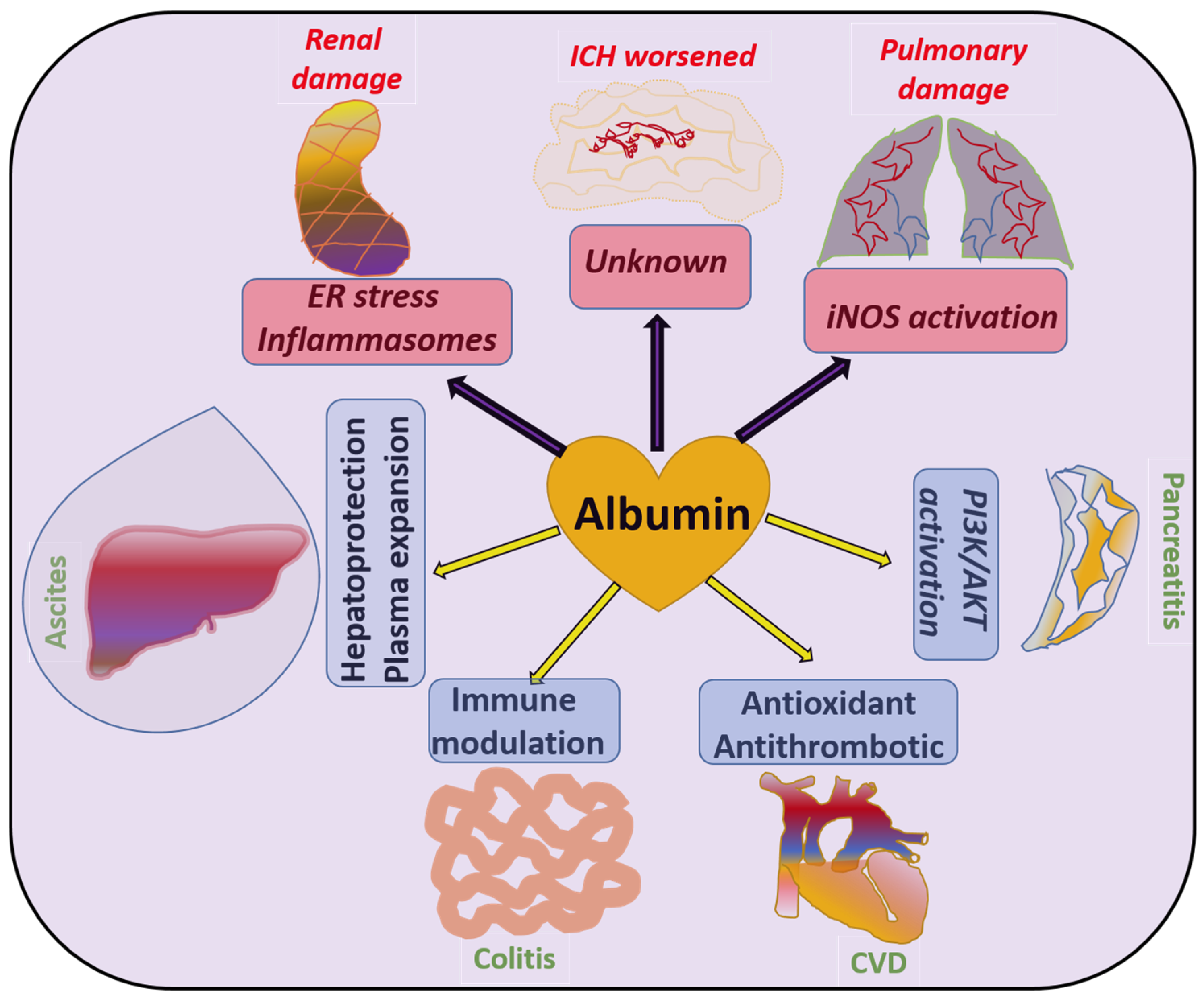
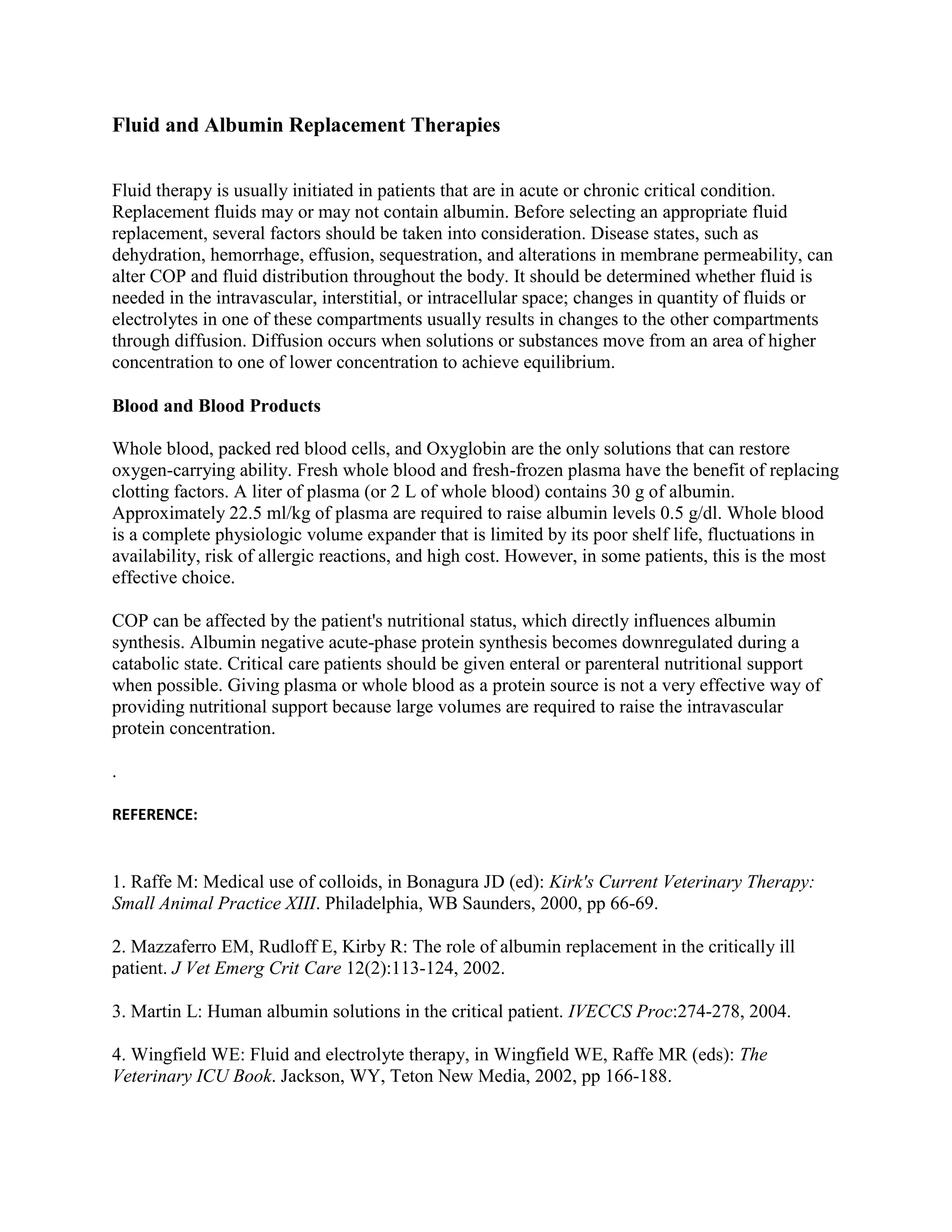
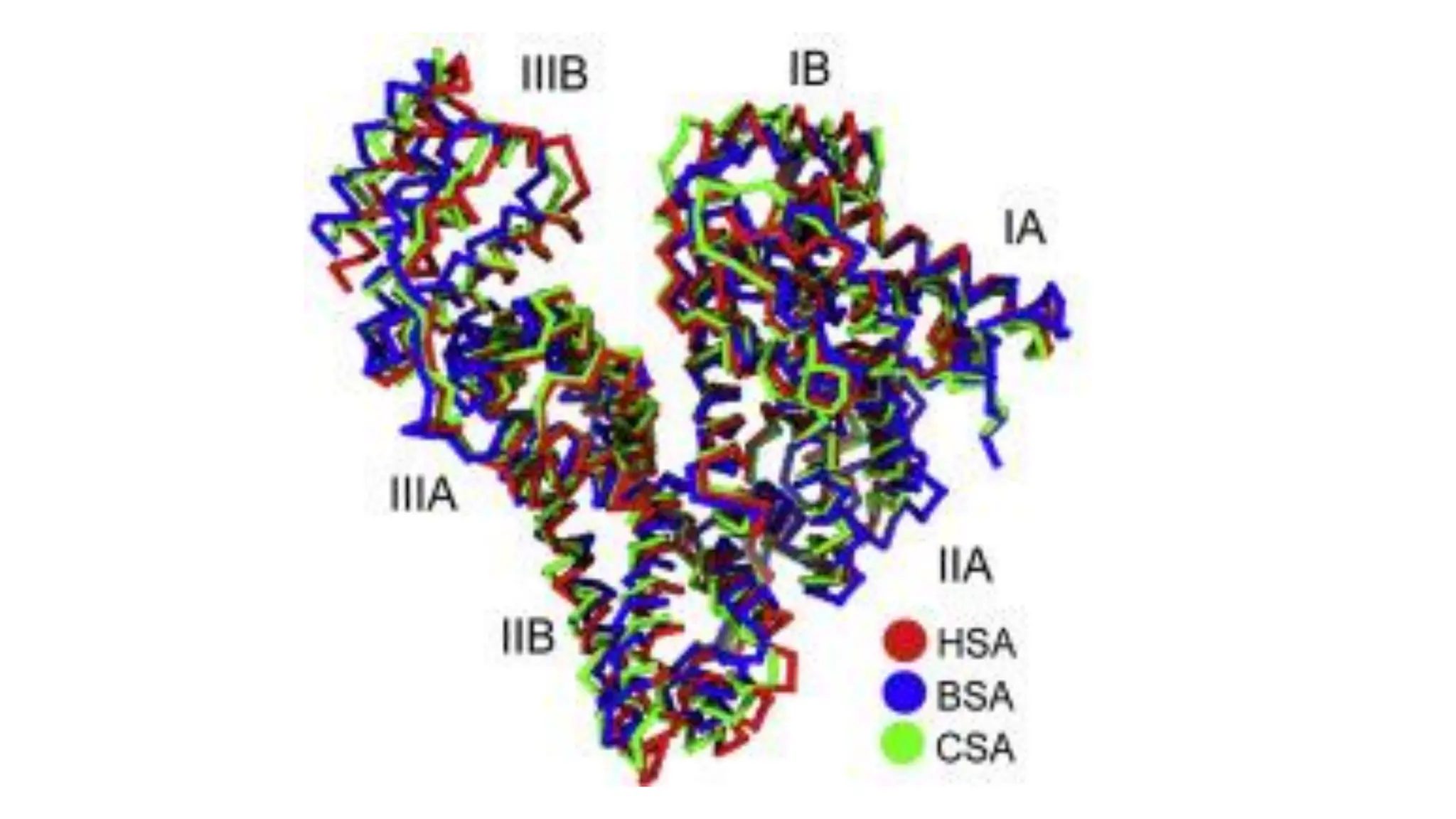
Before exploring specific sources, it is essential to understand why this protein is so highly sought after in medicine and industry. Albumin is a globular protein that constitutes approximately 50% to 60% of the total protein content in human plasma. Its primary physiological functions include maintaining colloid osmotic pressure (oncotic pressure)—which prevents fluid from leaking out of blood vessels into surrounding tissues—and serving as a versatile transport vehicle for hormones, fatty acids, bilirubin, and various medications.
In 2026, the demand for albumin continues to grow, driven by an aging global population requiring advanced surgical interventions and the expanding biopharmaceutical sector, which uses albumin as a stabilizer for vaccines and cell culture media. Because the protein is so multifunctional, the "source" of albumin dictates its purity, safety profile, and eventual application.
1. Human Serum Albumin (HSA): The Clinical Standard
Human Serum Albumin (HSA) remains the gold standard for clinical intravenous therapy. It is derived directly from human blood donations through a complex pharmaceutical process known as plasma fractionation.
Plasma Fractionation and the Cohn Process
The most common method for extracting albumin from human plasma is the Cohn cold ethanol fractionation process, originally developed during World War II. This method relies on manipulating the pH, ethanol concentration, and temperature of the plasma to precipitate different protein fractions.
- Collection: Plasma is collected through whole blood donation or plasmapheresis.
- Fractionation: The plasma is subjected to varying levels of ethanol. Albumin is typically found in "Fraction V," which is why commercial albumin is sometimes referred to as "Fraction V albumin."
- Purification: The extract undergoes rigorous chromatography to remove remaining impurities and ensure a concentration of 95% or higher.
- Viral Inactivation: To ensure patient safety, HSA undergoes heat treatment (pasteurization at 60°C for 10 hours) and sometimes solvent-detergent treatment to neutralize lipid-enveloped viruses such as HIV and Hepatitis B/C.
Clinical Indications for HSA
As of 2026, HSA is utilized in several critical medical scenarios:
- Hypovolemia and Shock: To rapidly restore blood volume after severe trauma or surgery.
- Liver Cirrhosis: Specifically for managing ascites (fluid accumulation in the abdomen) or preventing hepatorenal syndrome.
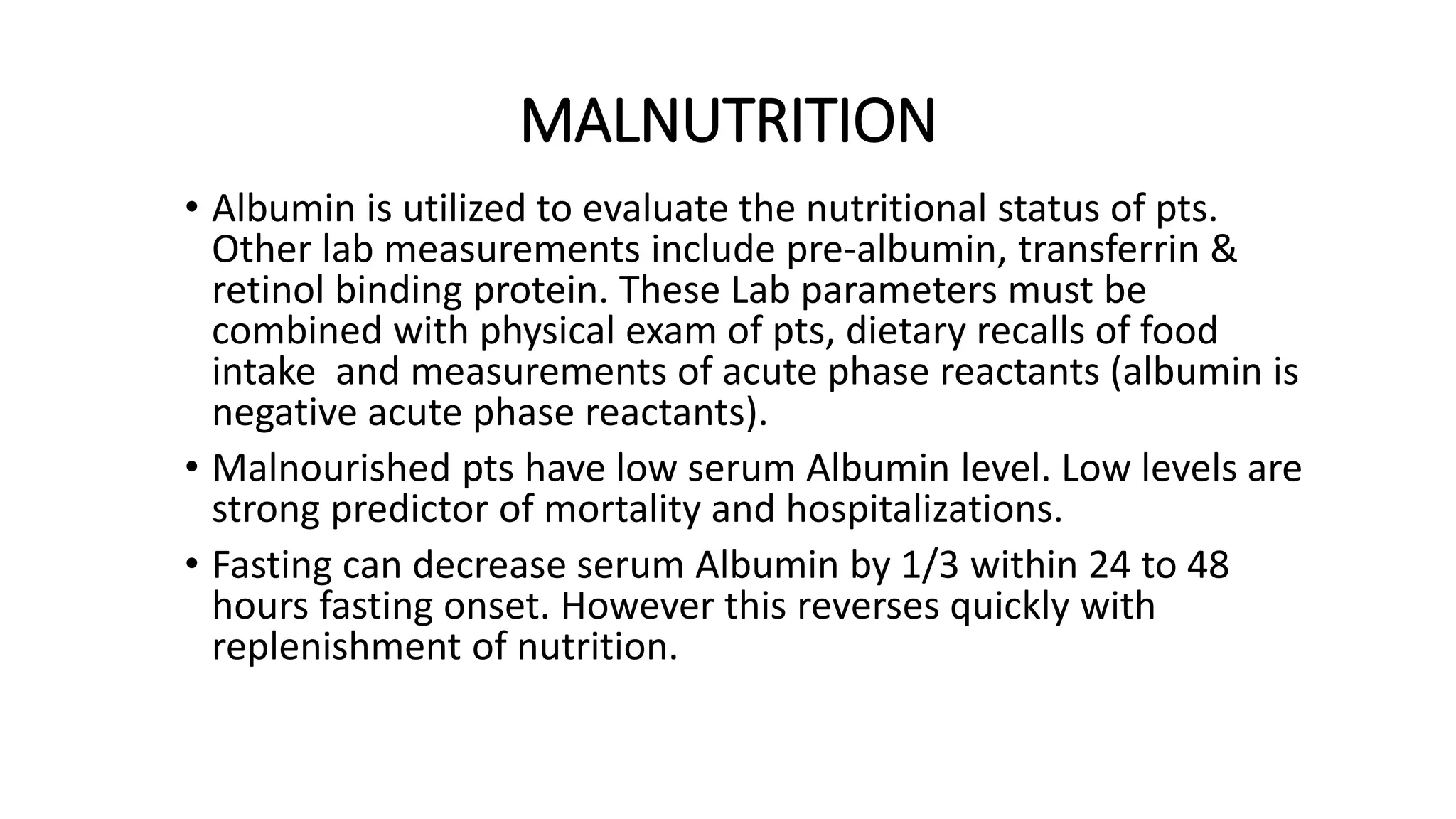
- Hypoalbuminemia: When a patient’s albumin levels drop dangerously low due to malnutrition, kidney disease, or severe burns.
2. Recombinant Human Albumin (rHSA): The Biotechnology Frontier
With the increasing need for ethical, animal-free, and pathogen-free alternatives, Recombinant Human Albumin (rHSA) has become a primary source for the pharmaceutical industry. Unlike plasma-derived albumin, rHSA is produced in controlled laboratory environments using genetic engineering.
Expression Systems
Scientists insert the human gene for albumin into the DNA of a host organism, which then "manufactures" the protein. Common hosts include:
- Yeast (Saccharomyces cerevisiae and Pichia pastoris): These are the most common hosts because they can secrete large amounts of high-purity protein that is structurally identical to human plasma albumin.
- Plant-based Systems: A significant development in recent years involves using genetically modified rice (Oryza sativa). Rice-derived rHSA is highly scalable and eliminates the risk of human-derived viral contamination.
Advantages of Recombinant Sources
Recombinant albumin is preferred in cell culture and vaccine manufacturing for several reasons. First, it offers a high degree of "lot-to-lot" consistency, which is difficult to achieve with biological plasma donations. Second, it is entirely free of human blood-borne pathogens, making it safer for the production of biologics. Finally, it meets the requirements for "Animal-Free Origin" (AFO) certifications, which are increasingly important for global regulatory compliance in 2026.
3. Bovine Serum Albumin (BSA): The Laboratory Workhorse
While HSA is the standard for human medicine, Bovine Serum Albumin (BSA) is the most widely used variety in research and diagnostic laboratories. Sourced from the blood of cows (usually as a byproduct of the cattle industry), BSA is favored for its structural similarity to human albumin and its relatively low cost.
Common Laboratory Grades
BSA is categorized by its purity and intended use:
- Standard Fraction V: Used as a general-purpose protein stabilizer.
- Protease-Free BSA: Essential for assays where the presence of proteolytic enzymes would degrade the sample.
- Fatty Acid-Free BSA: Used in studies involving lipid metabolism, where the presence of endogenous bovine fatty acids would interfere with results.
- IgG-Free BSA: Crucial for immunology experiments (like ELISA or Western blotting) where bovine antibodies might cross-react with the test antibodies.
Safety and Ethical Considerations
The use of BSA is strictly regulated by organizations like the World Organisation for Animal Health (WOAH) to prevent the transmission of Bovine Spongiform Encephalopathy (BSE). Laboratories must source BSA from countries certified as "negligible BSE risk" to ensure the safety of diagnostic products derived from it.
4. Dietary Albumin: Synthesis and Nutrition
From a nutritional perspective, "albumin sources" usually refer to foods that provide the necessary amino acids for the liver to synthesize its own albumin. However, one specific food item is chemically synonymous with the term: the egg.
Ovalbumin (Egg White Albumin)
Egg whites are approximately 10% protein, and of that protein, roughly 55% is ovalbumin. While ovalbumin is structurally different from human serum albumin, it is often referred to as "egg albumin" in the supplement industry. It is considered a "complete protein," meaning it contains all nine essential amino acids required for human health.
Internal Synthesis
It is a common misconception that eating albumin directly raises blood albumin levels. In reality, the body breaks down dietary proteins (from eggs, dairy, meat, and legumes) into individual amino acids. These amino acids are transported to the liver, where the body synthesizes its own Human Serum Albumin. Therefore, the "source" for your body's albumin is actually a combination of:
- Adequate Protein Intake: Sourcing enough amino acids through diet.
- Liver Health: The liver must be functioning correctly to assemble those amino acids into albumin.
- Inflammation Management: Chronic inflammation can suppress albumin production, regardless of how much protein is consumed.
5. Comparative Analysis of Albumin Sources
The following table compares the three primary commercial and medical sources of albumin available in 2026.
| Feature | Human Serum Albumin (HSA) | Recombinant Albumin (rHSA) | Bovine Serum Albumin (BSA) |
|---|---|---|---|
| Origin | Human Plasma Donations | Yeast or Plant Expression | Bovine (Cattle) Blood |
| Primary Use | Clinical IV Therapy | Bioproduction & Vaccines | Lab Research & Diagnostics |
| Safety Profile | Potential for Viral Pathogens | Pathogen-Free | Risk of BSE (Zoonotic) |
| Regulatory Status | Highly Regulated (FDA/EMA) | Approved for Specific Uses | Lab Use Only (Not for Human) |
| Cost | High (Supply Dependent) | High (Technology Dependent) | Low to Moderate |
| Consistency | Variable (Donor Dependent) | Extremely High | Moderate |
6. Technical Specifications and Quality Control
Regardless of the source, albumin must meet specific technical criteria to be effective. For clinical use, the purity is governed by the United States Pharmacopeia (USP) or the European Pharmacopoeia.
Key Quality Metrics
- Monomer Content: Albumin molecules naturally tend to form dimers or polymers. High-quality clinical albumin should have a high percentage of monomers (usually >95%) because polymers can trigger unwanted immune responses in patients.
- pH and Osmolality: For intravenous use, the pH is typically adjusted to 6.9 ± 0.5.
- Sodium Content: Since albumin is often used to treat fluid retention, the sodium concentration must be carefully controlled to prevent exacerbating edema.
- Stabilizers: To allow for heat pasteurization without denaturing the protein, stabilizers like sodium caprylate or N-acetyltryptophan are added.
7. Challenges in Albumin Sourcing in 2026
The global supply of albumin faces several hurdles. Since HSA is a blood-derived product, it is susceptible to fluctuations in blood donation rates. During public health crises or shifts in donor demographics, shortages can occur.
Furthermore, the "green" transition in 2026 has pushed manufacturers toward more sustainable sourcing. Recombinant albumin produced in rice or yeast is increasingly viewed as a more sustainable alternative to cattle-derived BSA, which has a higher environmental footprint due to the resources required for livestock farming.
Frequently Asked Questions
What is the best dietary source of albumin?
Egg whites are the most direct dietary source of albumin (ovalbumin). However, for the body to produce its own blood albumin, any high-quality protein source—such as lean meats, fish, soy, or dairy—will provide the necessary amino acids for liver synthesis.
Can vegans use albumin?
Traditionally, albumin was strictly animal or human-derived. However, in 2026, recombinant albumin produced from yeast or rice is a viable vegan-friendly option for researchers and pharmaceutical developers. Clinical IV albumin for medical emergencies remains human-plasma derived.
Why is Human Serum Albumin so expensive?
The cost is driven by the complexity of the "vein-to-vein" supply chain. This includes the cost of plasma collection, rigorous screening for infectious diseases, the cold-chain logistics required for transport, and the high-tech fractionation and purification processes required to meet safety standards.
Is there a difference between "Albumin" and "Total Protein" in blood tests?
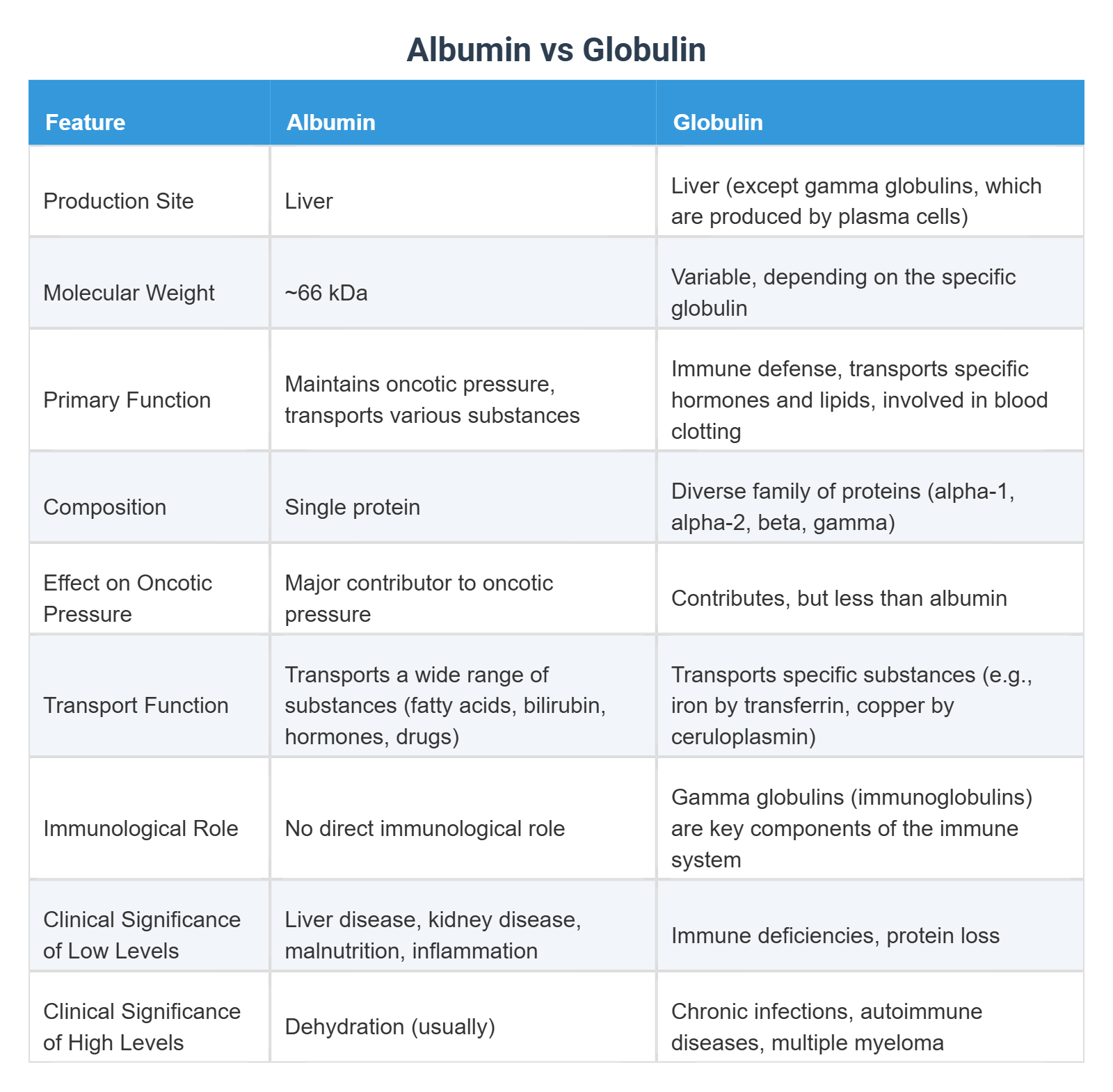
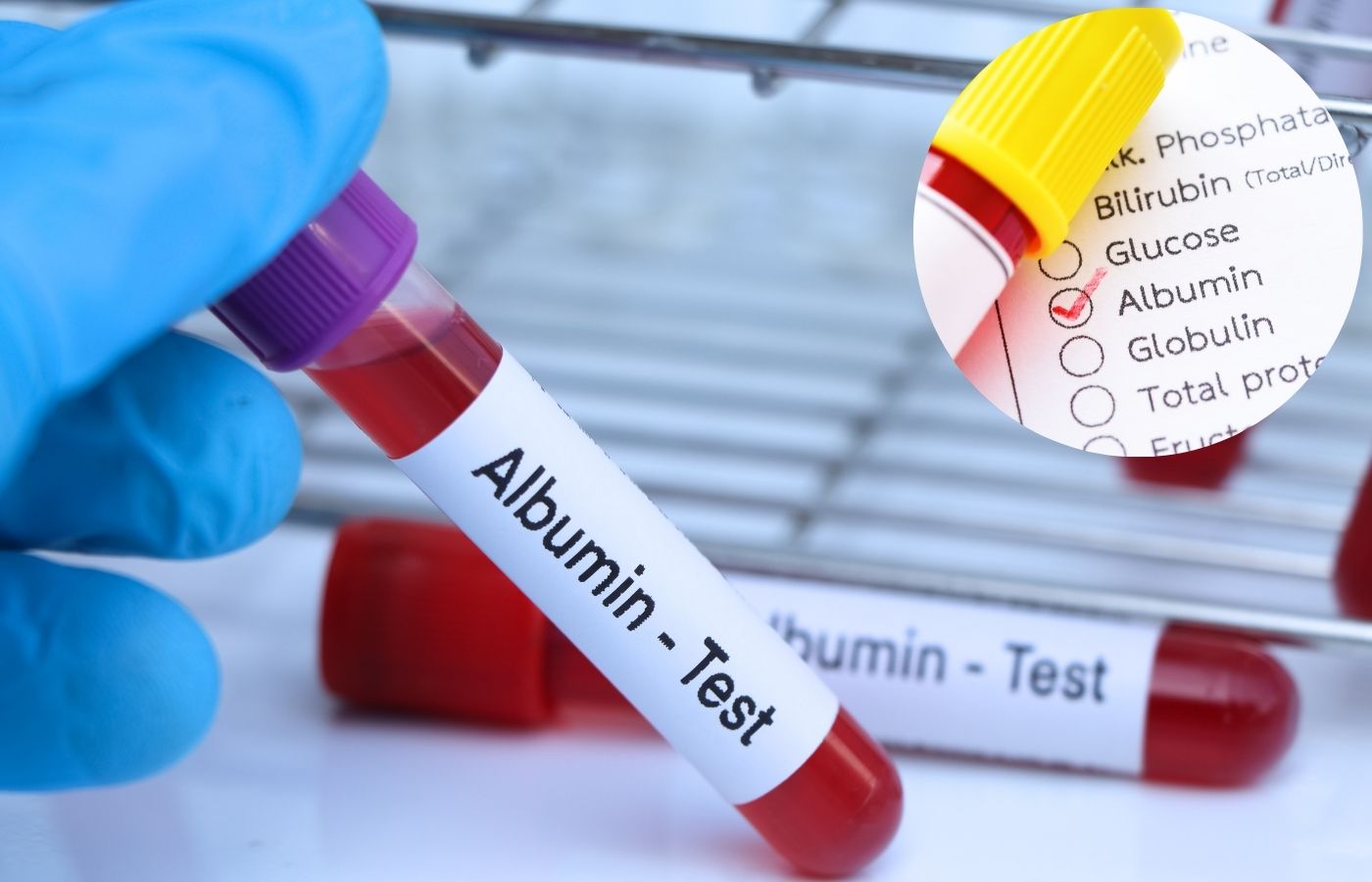
Yes. A "Total Protein" test measures both albumin and globulins (including antibodies). Albumin is a specific subset of that total. Doctors often look at the Albumin-to-Globulin (A/G) ratio to help diagnose kidney disease, liver disease, or nutritional deficiencies.
Is egg albumin the same as the albumin in my blood?
No. Egg albumin (ovalbumin) and human serum albumin (HSA) are different proteins with different amino acid sequences. While your body can use the amino acids from an egg to build HSA, you cannot simply substitute one for the other in a medical or laboratory setting.
Practical Recommendations for Selecting a Source
When determining which albumin source is appropriate for your needs, consider the following decision matrix:
- For Clinical Treatment: Always use Human Serum Albumin (HSA). Ensure the product is sourced from a reputable pharmaceutical provider and that the concentration (e.g., 5% vs. 25%) matches the patient’s fluid requirements.
- For Vaccine or Drug Formulation: Prioritize Recombinant Human Albumin (rHSA). Its animal-free status and high purity levels reduce regulatory hurdles and minimize the risk of immunogenicity.
- For Routine Lab Research: Bovine Serum Albumin (BSA) remains the most cost-effective choice. However, always verify that the grade (e.g., Fraction V, Protease-free) is compatible with your specific assay to avoid interference.
- For Nutritional Support: Focus on a diverse intake of complete proteins. If you are managing low albumin levels due to a medical condition, consult a healthcare provider about protein-rich diets or specialized amino acid supplements rather than relying on "albumin" powder alone.
The landscape of albumin sourcing in 2026 is a blend of traditional blood-derived products and cutting-edge biotechnology. By understanding the distinct properties of HSA, BSA, and recombinant alternatives, professionals can make informed decisions that prioritize safety, efficacy, and sustainability.