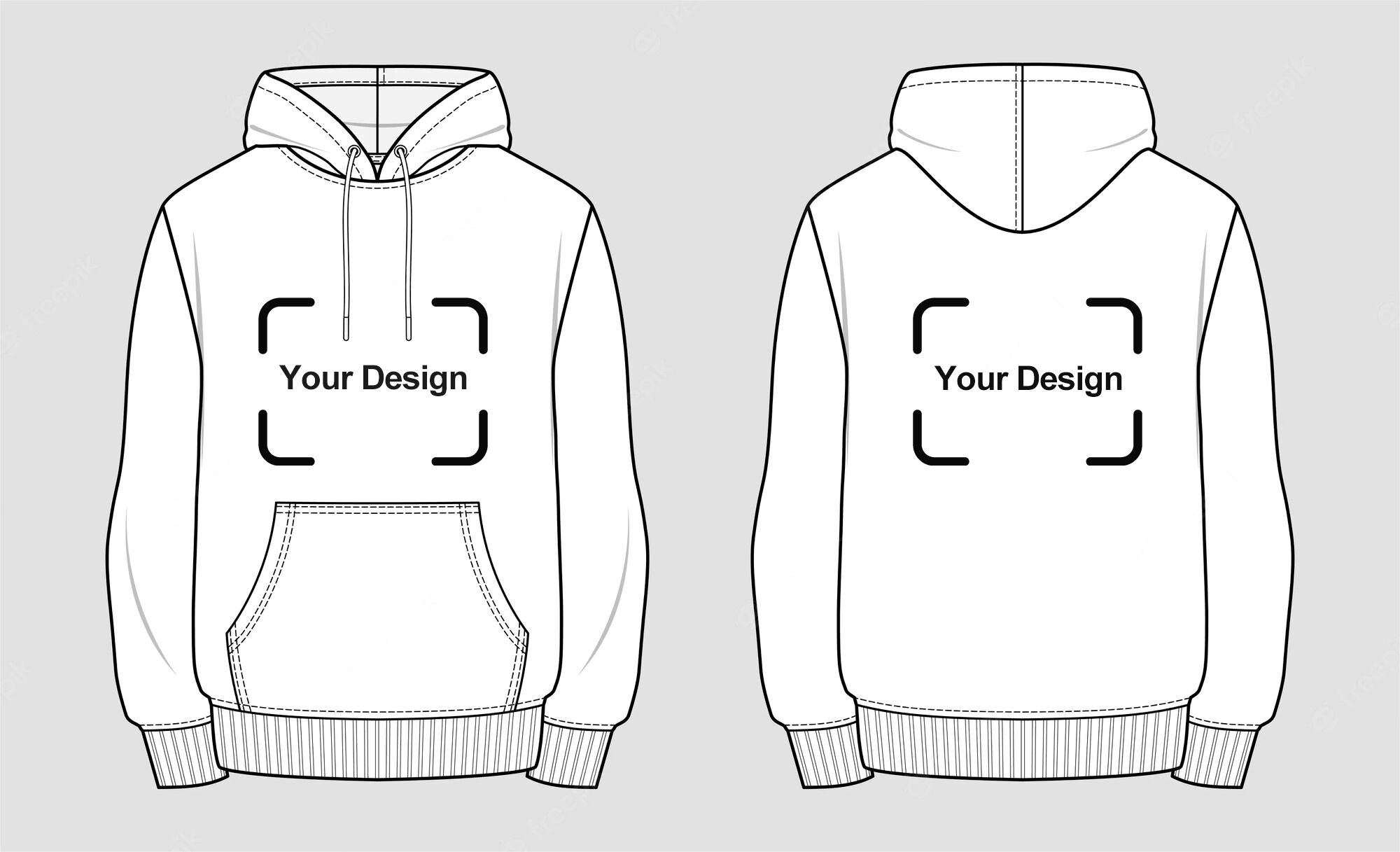
The design and production of an airport hoodie focus on optimizing passenger comfort, utility, and thermal regulation during long-haul travel. This specialized garment integrates features like oversized hoods for sleep, dedicated tech pockets, and wrinkle-resistant fabrics to streamline the transit experience while maintaining a professional aesthetic for modern travelers.
Understanding the Strategic Purpose of Airport Hoodie Design
As of 2026, the concept of "travel-wear" has evolved beyond simple athleisure. The airport hoodie is now considered a piece of technical equipment for the frequent flyer. Unlike a standard gym hoodie, the airport hoodie is engineered to solve specific pain points encountered in aviation environments: fluctuating cabin temperatures, limited storage for essential documents, and the need for privacy in crowded terminals.
The design process must prioritize the "seated ergonomic profile." Standard hoodies are often cut for standing or active movement; however, a traveler spends the majority of their time seated in confined spaces. This requires a specific focus on hem length, pocket accessibility while belted, and seam placement that avoids pressure points during extended periods of inactivity.
Furthermore, the "airport" designation implies a need for security-friendly features. Designers must consider how the garment interacts with TSA or international security screenings. This includes the use of non-metallic hardware and easily accessible pockets that allow travelers to remove electronics or liquids without stripping off the entire garment.
Material Science and Fabric Selection in 2026
The foundation of any high-quality airport hoodie lies in its textile composition. In the current 2026 manufacturing landscape, there is a heavy emphasis on "smart" natural-synthetic blends that offer the softness of organic fibers with the durability of engineered polymers.
The Scuba and Interlock Knit Revolution
Scuba fabrics—a double-knit construction made from polyester, spandex, and often rayon—have become the industry standard for premium travel-wear. These fabrics provide a "structured" look that resists the sagging often seen in traditional French Terry. Because scuba fabric holds its shape, the traveler looks polished even after an 11-hour flight.
Thermal Regulation and Breathability
Airplane cabins are notorious for inconsistent climate control. To address this, production now utilizes phase-change materials (PCMs) or high-density waffle knits that trap heat when the cabin is cold but allow for rapid moisture wicking when the traveler is rushing through a terminal.
- Merino Wool Blends: Highly valued for natural odor resistance and temperature regulation.
- Recycled Polyester: Essential for meeting 2026 sustainability standards, providing wrinkle resistance and quick-drying properties.
- Tencel/Lyocell: Added for a "cool-to-the-touch" feel and silk-like drape.
Durability and Pilling Resistance
Frequent friction against airplane seat upholstery (often made of abrasive synthetic blends) can cause low-quality hoodies to "pill" or develop fuzz. Production specifications for 2026 airport hoodies typically require a Grade 4 or 5 pilling resistance rating under the ISO 12945-2 standard.
Essential Ergonomic Design Features
Designing an airport hoodie requires a departure from standard fashion templates. Each element must serve a functional purpose for the transit cycle.
The Oversized "Privacy" Hood
The hood is the centerpiece of this garment. A standard hood is often too shallow to provide total light blockage. An airport-specific hood is designed with extra depth and a structured "brim" or "visor" effect. This allows the wearer to pull the hood over their eyes to act as a built-in sleep mask. Some advanced designs incorporate a "noise-dampening" lining—a mid-layer of acoustic foam or heavy-weight fleece—around the ear sections to reduce ambient engine hum.
Technical Pocket Architecture
The "stealth" pocket system is what separates a travel hoodie from leisurewear.
- The Passport/Boarding Pass Pocket: Typically located on the left forearm or high chest for easy scanning. This pocket should be RFID-blocking to protect digital data.
- Internal Tech Pockets: Dedicated internal mesh pockets for portable power banks, with integrated cord routing holes leading to the main hand pockets or the collar area.
- Secure Valuables Pocket: A hidden zippered compartment located at the small of the back or deep within the side seam to prevent pickpocketing in crowded airports.
Cuff and Hem Engineering
Standard ribbed cuffs can often feel restrictive during sleep. High-end airport hoodies utilize "extended cuffs" with thumbholes. This feature allows the sleeves to act as partial gloves, keeping the hands warm in cold cabins while preventing the sleeves from riding up during movement.
Technical Specifications Comparison
When moving into production, it is vital to distinguish between various tiers of garment quality. The following table outlines the technical differences between a standard retail hoodie and a professional-grade airport hoodie.
| Feature | Standard Leisure Hoodie | Premium Airport Hoodie (2026 Specs) |
|---|---|---|
| Fabric Weight | 250–300 GSM | 350–450 GSM (High-Density) |
| Fabric Composition | 80% Cotton / 20% Poly | 60% Scuba-Poly / 35% Rayon / 5% Spandex |
| Pockets | 1 Kangaroo Pocket | 5–7 Functional/Hidden Pockets |
| Hood Construction | Single Layer / Shallow | Double Layer / Deep / Acoustic Lining |
| Hardware | Metal Zippers (Standard) | Nylon/Polymer Zippers (Security Friendly) |
| Wrinkle Recovery | Low (Requires steaming) | High (Self-smoothing via Lycra content) |
| Anti-Odor Tech | None | Silver-ion or Zinc-based Finish |
The Production Lifecycle: From Tech Pack to Final QC
The production of a technical garment requires a more rigorous process than standard "fast fashion."
1. Tech Pack Development
The Tech Pack is the blueprint for the factory. For an airport hoodie, the tech pack must include detailed "call-outs" for reinforced stitching on pocket entries (which take significant stress from heavy phones/passports) and specific tolerances for the hood dimensions. Because of the multi-material nature (mesh linings, RFID fabrics, and main body fabric), the Bill of Materials (BOM) is significantly more complex than a basic sweatshirt.
2. Sourcing and Custom Dyeing
In 2026, sourcing involves verifying the Global Recycled Standard (GRS) certifications of all yarns. Custom dyeing is often necessary to achieve "travel-neutral" colors—charcoals, deep navies, and olives—which are preferred by travelers because they hide stains and scuffs better than lighter palettes.
3. Prototyping and Wear Testing
Before mass production, "wear testing" is non-negotiable. Samples are sent to testers who perform "static tests" (sitting for 4 hours) and "dynamic tests" (carrying luggage). This identifies if the pocket placement interferes with backpack straps or if the fabric loses its shape after a simulated flight.
4. Mass Production and Quality Control
During production, Quality Control (QC) must focus on "seam strength." The weight of a phone, passport, and wallet in the pockets can cause "seam slippage" in low-quality knits. Factories utilize four-needle six-thread flatlock stitching to ensure that the garment remains durable under the weight of the traveler's gear.
Cost Considerations and Budgeting
Producing a high-quality airport hoodie involves higher "Land Cost" due to the complexity of the assembly.
- Labor Costs: An airport hoodie has a higher "SAM" (Standard Allowed Minutes) value. While a basic tee might take 6 minutes to assemble, a multi-pocket technical hoodie can take 25–40 minutes.
- Material Costs: Technical scuba fabrics and RFID linings are significantly more expensive than standard fleece. In 2026, expect material costs to account for 40-50% of the total production cost.
- Minimum Order Quantities (MOQ): Because of the specialized fabrics, factories often require an MOQ of 300 to 500 units per colorway to offset the setup costs for specialized machinery.
Logistics and Compliance in 2026
When shipping the finished product from manufacturing hubs (such as Vietnam, Portugal, or Turkey), designers must ensure compliance with international labeling laws. This includes the Federal Trade Commission (FTC) requirements for fiber content disclosure and care instructions.
Furthermore, if the hoodie includes integrated electronics (like heated panels or NFC tags, which are emerging trends in 2026), it must meet FCC or CE certification standards to ensure it does not interfere with aircraft navigation systems.
Common Mistakes in Design and Production
- Excessive Metal Hardware: Using heavy metal zippers or decorative studs can trigger airport metal detectors, frustrating the user. Always opt for high-quality polymer zippers (e.g., YKK Vislon).
- Poor Weight Distribution: If all pockets are on the front, the hoodie will "sag" forward when loaded. Experienced designers distribute weight by placing heavier items (like battery packs) closer to the side seams or the lower back.
- Insufficient Neck Support: A common mistake is a hood that is too heavy, which pulls the front of the garment against the wearer's throat. Production must include "neck tape" reinforcement and balanced patterns to prevent this choking sensation.
Frequently Asked Questions
What is the best fabric weight for a year-round airport hoodie?
A weight of 350 to 400 GSM (grams per square meter) is ideal. This provides enough substance to keep the traveler warm in air-conditioned cabins while remaining light enough to be layered under a jacket in colder climates. Fabrics below 250 GSM often feel too flimsy and lack the structure needed for multiple pockets.
How do I ensure the integrated eye mask/hood doesn't look bulky?
The key is "low-profile" construction. Instead of using thick foam, use a high-density "spacer fabric" or double-layered microfleece for the hood lining. This provides the light-blocking benefits without the bulk. Additionally, a "darted" hood construction allows the fabric to contour to the head shape when pulled down.
Are RFID-blocking pockets really necessary for a travel hoodie?
Yes, in 2026, security-conscious travelers prioritize RFID protection. While modern passports have improved encryption, an RFID-blocking layer provides peace of mind and acts as a major selling point. The production cost of adding a small RFID-shielding fabric liner to a single pocket is minimal compared to the perceived value it adds to the garment.
How should an airport hoodie be sized compared to standard apparel?
The "Airport Fit" should generally be slightly oversized or "relaxed." A slim-fit hoodie is uncomfortable for sleeping and restricts movement when reaching for overhead bins. However, the sleeves should remain tapered to ensure they do not drag or get caught on armrests and luggage handles.
Can I include a built-in neck pillow in the design?
While possible, many designers are moving toward "pillow-compatible" hoods rather than built-in inflatable pillows. A built-in pillow can make the garment difficult to machine wash and can be prone to punctures. A better design choice is a hood with extra volume at the base of the neck to accommodate a separate travel pillow comfortably.
Practical Recommendation for Designers and Brands
For those entering the airport hoodie market in 2026, the most effective path forward is to focus on fabric performance first. A beautiful design will fail if the garment arrives at the destination wrinkled and smelling of cabin air. Invest in high-quality Scuba or Merino blends and prioritize "invisible" utility—pockets that disappear when empty but remain secure when full. Start with a rigorous prototyping phase that includes at least one long-haul flight test to verify that the pocket placement and hood depth meet the needs of a seated traveler.