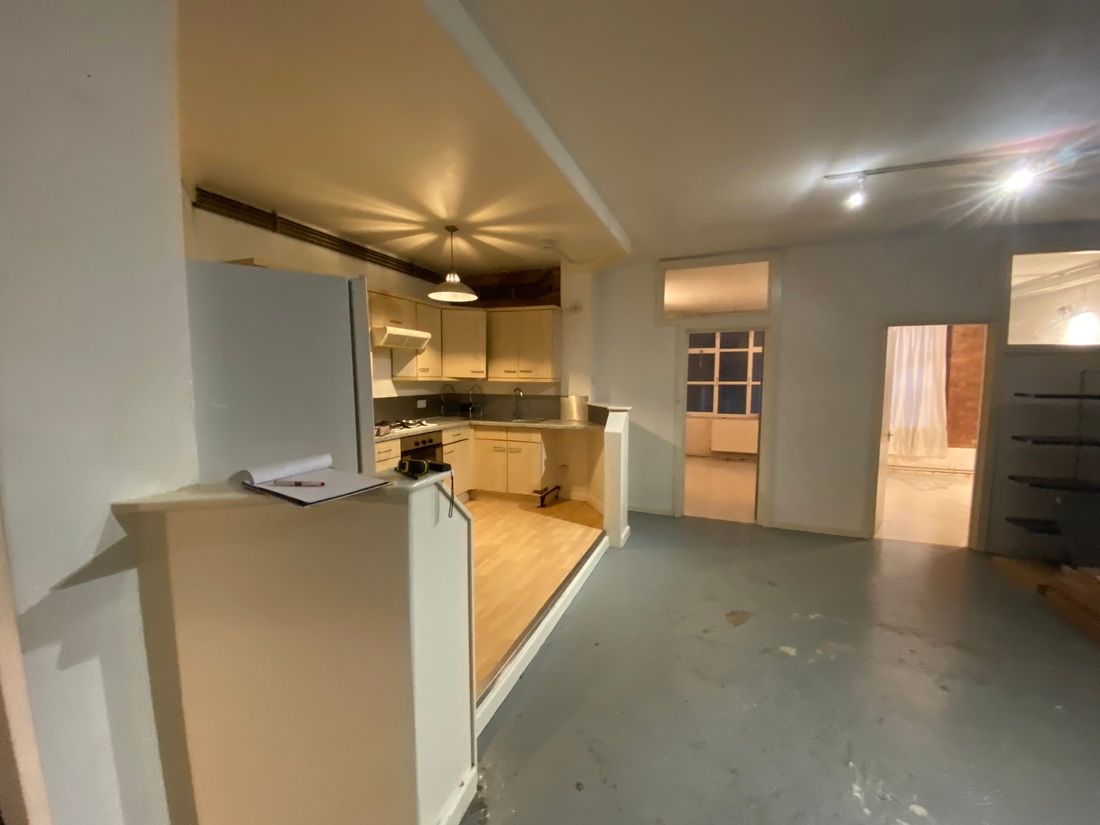
The "Airbnb of warehouses" refers to on-demand warehousing marketplaces that connect businesses needing storage or fulfillment services with providers who have underutilized space. This model allows for flexible, short-term arrangements without the burden of long-term leases, facilitating rapid scaling, seasonal inventory management, and regional distribution across global supply chains.
The logistics landscape has shifted dramatically over the last decade. As we navigate 2026, the rigid structures of twenty-year commercial leases are increasingly viewed as liabilities rather than assets. In their place, a more fluid, technology-driven ecosystem has emerged—often colloquially termed the "Airbnb of warehouses." This peer-to-peer and business-to-business marketplace model has democratized access to industrial space, allowing startups and Fortune 500 companies alike to pivot their inventory strategies in weeks rather than years.
The Evolution of On-Demand Warehousing
The concept of sharing warehouse space is not entirely new, but its digital transformation is. Historically, if a company needed extra space, they would engage in a laborious process of searching through brokers, negotiating multi-year contracts, and investing heavily in infrastructure. The "Airbnb" model replaces this friction with a digital interface where available pallet positions, square footage, and labor services are listed with transparent pricing.
By 2026, this sector has matured into two distinct categories:
- Industrial On-Demand Platforms: These connect retail and e-commerce brands with professional Third-Party Logistics (3PL) providers. The value here is not just the floor space, but the existing labor, equipment (forklifts, racking), and Warehouse Management Systems (WMS).
- Peer-to-Peer (P2P) Storage: This segment focuses on smaller-scale needs, where individuals or small businesses rent out garages, basements, or vacant commercial storefronts for basic storage. This is more akin to the original Airbnb model for residential property.
How the Marketplace Model Operates
The technical backbone of these platforms is a centralized software layer that standardizes how space is discovered and booked. Unlike traditional warehousing, where every facility might use a different reporting format, these marketplaces mandate a unified data structure.
The Listing and Discovery Process
Hosts (warehouse owners or operators) list their available capacity, specifying constraints such as ceiling height, dock door access, temperature control (ambient, chilled, or frozen), and security certifications (such as TAPA or AEO). Potential tenants use filters to find locations that minimize "last-mile" delivery costs or sit strategically near major ports and rail heads.
Transactional Workflow
Once a match is made, the platform facilitates the legal and financial exchange. In 2026, most top-tier platforms utilize standardized Master Service Agreements (MSAs), which eliminate the need for months of legal red tape. Payments are typically handled through the platform, often on a "pay-as-you-go" basis, where tenants are billed monthly based on the actual number of pallets stored or orders processed.
Leading Platforms in the 2026 Ecosystem
Several key players have defined the market, each carving out specific niches based on the complexity of the services offered.
- Flexe: A pioneer in the space, Flexe focuses on enterprise-level solutions. They aggregate thousands of warehouses into a single network, allowing massive retailers to add "pop-up" fulfillment centers during peak holiday seasons.
- Warehow: Primarily serving the European market, Warehow specializes in e-commerce fulfillment, providing a turnkey solution for small to mid-sized brands that need to outsource the entire pick-and-pack process.
- Flowspace: This platform provides the "Flowspace Network," which emphasizes visibility. Their software integrates directly with storefronts like Shopify and Amazon, making the warehouse location almost invisible to the merchant.
- Neighbor: On the P2P side, Neighbor allows residential and commercial property owners to monetize any idle space. While not suitable for high-volume e-commerce fulfillment, it is a dominant force in the self-storage and small-business inventory sectors.
Strategic Benefits for Modern Businesses
The move toward on-demand warehousing is driven by a need for agility that traditional real estate cannot provide.
Scalability and Elasticity
The most significant advantage is the ability to scale "up and out." A beverage company, for example, may see a 400% increase in demand during the summer months. Rather than paying for a massive warehouse that sits 75% empty in the winter, they can use an on-demand marketplace to secure temporary overflow space only when needed.
Risk Mitigation
Global supply chains are inherently volatile. Port strikes, geopolitical shifts, or natural disasters can leave inventory stranded. The "Airbnb of warehouses" allows companies to decentralize their stock. By spreading inventory across ten smaller locations rather than one massive hub, businesses reduce the "single point of failure" risk.
Capital Preservation
Traditional warehousing requires significant CAPEX (Capital Expenditure) for racking, security systems, and WMS software. The on-demand model shifts this to OPEX (Operating Expenditure). For a venture-backed startup in 2026, preserving cash for marketing and product development rather than warehouse deposits is a critical survival strategy.
Comparing Traditional Leases vs. On-Demand Warehousing
| Feature | Traditional Warehouse Lease | On-Demand Marketplace (Airbnb Model) |
|---|---|---|
| Contract Length | 3 to 10+ years | Month-to-month or seasonal |
| Upfront Cost | High (Security deposits, fit-out) | Low (Pay-as-you-go) |
| Setup Time | 3 to 9 months | 1 to 4 weeks |
| Scalability | Fixed square footage | Elastic (Pay for what you use) |
| Labor | Tenant must hire and manage | Usually provided by the host (3PL) |
| Technology | Tenant must implement WMS | Platform provides unified visibility |
| Maintenance | Tenant responsibility | Host responsibility |
Technical and Operational Requirements
To successfully utilize these platforms, businesses must meet certain technical prerequisites. It is not as simple as dropping off boxes at a residential home.
WMS Integration and Data Sovereignty
For industrial use, the tenant’s Order Management System (OMS) must communicate with the warehouse’s WMS. Leading marketplaces in 2026 provide proprietary APIs that act as a "translator" between different systems. This ensures that when an item is sold on a website, the warehouse receives a pick-ticket in real-time, and inventory levels are updated across the network simultaneously.
Insurance and Liability
The "bailment" relationship—where one party holds the property of another—carries specific legal weight. Standard general liability insurance often does not cover goods in transit or goods held in a third-party facility. Marketplace users must verify that the host carries "Warehouseman’s Legal Liability" insurance. Furthermore, many platforms now offer supplemental "cargo-at-rest" insurance to cover gaps in coverage for high-value electronics or pharmaceuticals.
Quality Control and Standard Operating Procedures (SOPs)
When a business uses multiple warehouses across a marketplace, maintaining a consistent "unboxing experience" for the customer is difficult. Companies must provide detailed SOPs to the host facilities, covering everything from how to fold tissue paper to which tape to use on the box. In 2026, many platforms allow for "digital SOPs" where video instructions are sent directly to the handheld scanners of the warehouse workers.
Challenges and Limitations
While the "Airbnb of warehouses" offers immense flexibility, it is not a universal panacea for every logistics problem.
- Unit Cost vs. Total Cost: On a per-pallet basis, on-demand warehousing is often more expensive than a long-term lease. The value lies in the flexibility and the avoidance of paying for empty space. If a business has 100% utilization of a facility year-round, a traditional lease remains more cost-effective.
- Cultural and Operational Alignment: Different warehouses have different cultures and levels of efficiency. A business might find that a facility in Ohio has a 99.9% shipping accuracy, while a facility in Florida—booked through the same platform—struggles with errors.
- Commoditization of Labor: Because the tenant does not manage the warehouse staff, they have little control over labor disputes or local staffing shortages that might affect their fulfillment speed.
Legal and Regulatory Considerations in 2026
The rapid growth of this sector has caught the attention of regulators. In many jurisdictions, zoning laws are being updated to clarify where "on-demand fulfillment" can occur. For example, using a residential garage for high-frequency commercial shipping may violate local traffic and noise ordinances.
Furthermore, data privacy laws (such as GDPR in Europe or various state-level acts in the US) apply to the shipping labels generated in these warehouses. The "Airbnb of warehouses" platform acts as a data processor, and businesses must ensure that their Data Processing Agreements (DPAs) cover the third-party warehouse hosts who will be handling customer names and addresses.
Frequently Asked Questions
Is the "Airbnb of warehouses" suitable for cold storage?
Yes, but the availability is significantly lower than for dry, ambient storage. Specialized marketplaces now exist specifically for "Cold Chain" logistics, connecting food and pharma companies with refrigerated (chilled) or frozen warehouse space. These facilities require much more stringent monitoring, and the platforms often include real-time temperature logging as part of the service.
How do I handle returns (Reverse Logistics)?
Most on-demand fulfillment platforms include a module for reverse logistics. When a customer initiates a return, the platform generates a label that directs the item back to the nearest warehouse in the network. The warehouse staff then inspects the item according to the tenant’s guidelines and either restocks it, refurbishes it, or disposes of it.
Are there minimum inventory requirements?
This depends entirely on the platform. Enterprise-focused marketplaces like Flexe or Stord may require a minimum of 50 to 100 pallets to make the integration worthwhile. However, peer-to-peer platforms like Neighbor or smaller 3PL aggregators may have no minimums at all, making them accessible to hobbyists and micro-businesses.
How is security handled in a shared warehouse?
In a professional 3PL environment, security includes 24/7 CCTV, gated access, and often background-checked personnel. In a "shared" environment where multiple tenants' goods are in the same room, products are usually cordoned off into specific zones. For high-security needs, tenants can request "caged storage" or dedicated "vault" areas within the host facility.
Can I visit the warehouse before booking?
Most marketplaces discourage or limit physical site visits to maintain the efficiency of the host's operations. Instead, they provide "virtual tours," detailed photographs, and verified reviews from previous tenants. For enterprise-level contracts, a "site audit" may be permitted as part of the onboarding process, but this is usually a paid service or reserved for long-term commitments.
Practical Recommendation: Navigating the Market
For businesses looking to enter the on-demand warehousing space in 2026, the first step is a logistical audit. Analyze your inventory fluctuations over the past 24 months. If your "peak" inventory is more than 30% higher than your "trough," you are an ideal candidate for a hybrid model: maintain a small, fixed-lease central hub for your core stock and use an "Airbnb of warehouses" platform to manage the seasonal overflow.
Before committing, ensure your internal tech stack is API-ready. The true power of on-demand warehousing is not just the physical space, but the digital visibility that allows you to manage inventory across the globe from a single dashboard. Start with a pilot program—one SKU in one regional location—to test the host’s responsiveness and accuracy before migrating your entire supply chain to a decentralized marketplace.