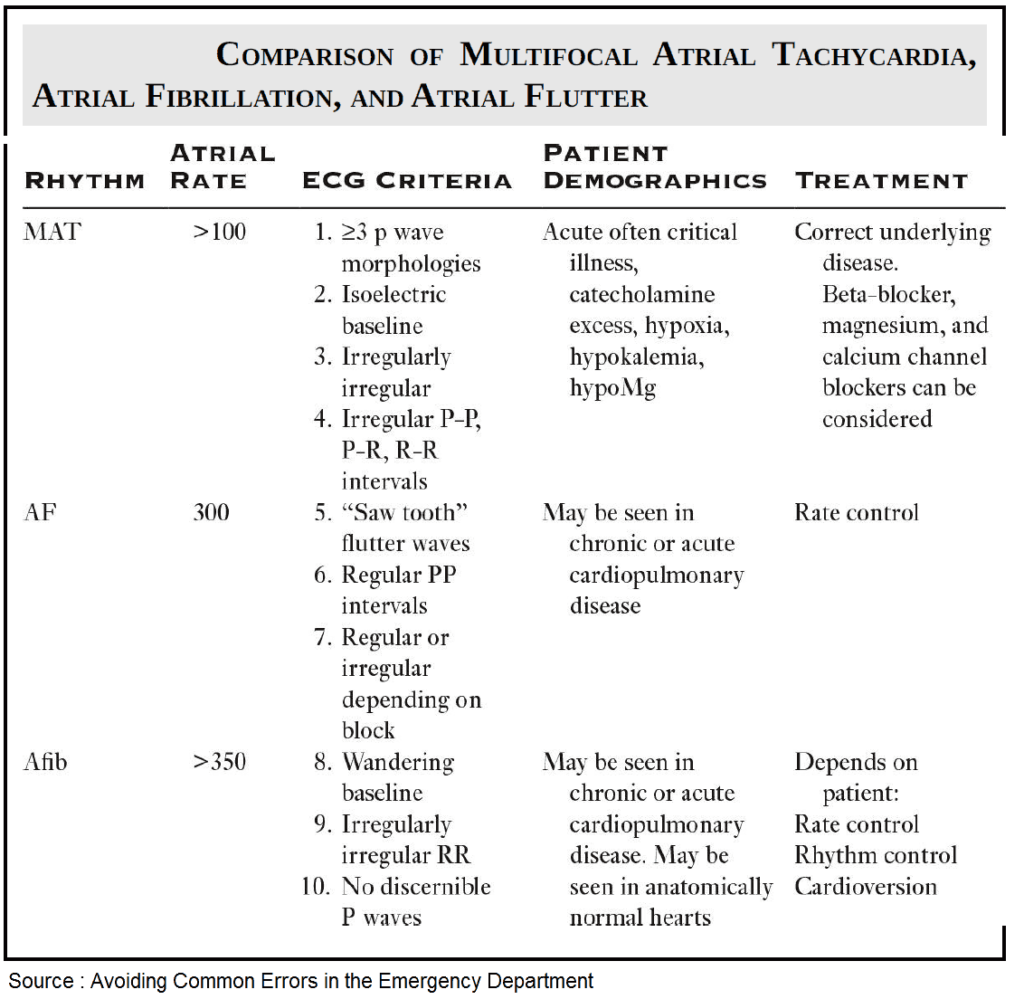
Atrial fibrillation with rapid ventricular response (Afib with RVR) is a cardiac condition defined by an irregular and often fast heart rhythm where the heart's upper chambers (atria) quiver, causing the lower chambers (ventricles) to beat at a rate typically exceeding 100 beats per minute. Clinical management focuses on two primary goals: rate control to stabilize the heart’s workload and rhythm control or cardioversion to restore normal sinus rhythm, all while prioritizing the prevention of stroke through anticoagulation therapy.
Understanding the Mechanism of Afib with RVR
Atrial fibrillation (Afib) occurs when electrical impulses in the atria become chaotic and disorganized. In a healthy heart, the sinoatrial node acts as the natural pacemaker, sending steady signals to the atrioventricular (AV) node. In Afib, the AV node is bombarded with these chaotic signals. When the AV node allows too many of these impulses to pass through to the ventricles, the heart beats rapidly and inefficiently—this is the "rapid ventricular response" (RVR).
This condition places significant stress on the myocardium. The shortened time between beats, known as the diastolic filling period, means the heart chambers do not have sufficient time to fill with blood before contracting. Over time, this can lead to cardiac fatigue, worsening heart failure, and reduced cardiac output. Management strategies must therefore be executed with urgency, particularly in patients presenting with symptoms of hemodynamic instability such as hypotension, chest pain, or altered mental status.
Initial Assessment and Stabilization
The priority when a patient presents with Afib with RVR is determining their hemodynamic stability. Stability is assessed by monitoring blood pressure, neurological status, skin perfusion, and the presence of acute chest pain or respiratory distress.
- Hemodynamic Instability: If a patient is unstable—exhibiting signs such as a precipitous drop in blood pressure, signs of shock, or acute pulmonary edema—the primary intervention is typically synchronized electrical cardioversion. This procedure delivers a controlled electric shock to the heart to reset the electrical system.
- Hemodynamic Stability: If the patient is stable, the clinical focus shifts to rate control. The goal is to slow the ventricular response to a resting heart rate, usually aiming for a rate of less than 110 beats per minute, though specific targets vary based on underlying comorbidities.
Pharmacological Approaches to Rate Control
Pharmacological intervention is the cornerstone of managing stable Afib with RVR. Several classes of medication are utilized to increase the "refractory period" of the AV node, effectively slowing the number of impulses allowed to reach the ventricles.
- Beta-Blockers: Agents such as metoprolol or esmolol are frequently the first line of treatment. They work by blocking the effect of adrenaline on the heart, which decreases the speed at which the AV node conducts impulses. They are particularly effective in patients who have high sympathetic tone or coexisting ischemic heart disease.
- Calcium Channel Blockers (Non-Dihydropyridines): Diltiazem and verapamil are highly effective for rate control. These agents work by slowing the movement of calcium into the cells of the heart, which decreases the speed of conduction. They are often preferred for patients who have contraindications to beta-blockers, such as those with certain types of reactive airway disease.
- Digoxin: While less commonly used as a first-line agent for acute management because of its slow onset of action, digoxin is sometimes added to beta-blockers or calcium channel blockers in patients with heart failure or in sedentary patients where other drugs have failed to provide adequate rate control.
- Amiodarone: This is typically reserved for cases where other standard rate-control medications are ineffective or contraindicated, particularly in patients with severe heart failure. It serves both as a rate-control agent and a potential rhythm-control agent.
Comparative Overview of Common Rate Control Agents
| Medication Class | Primary Mechanism | Clinical Utility | Main Precaution |
|---|---|---|---|
| Beta-Blockers | Sympathetic inhibition | First-line in ischemia | Avoid in severe asthma |
| Non-DHP CCBs | Calcium entry blockade | Highly effective rate control | Avoid in HFrEF |
| Digoxin | Vagal stimulation | Adjunct in heart failure | Narrow therapeutic index |
| Amiodarone | Ion channel blockade | Refractory cases | Long-term toxicity risks |
Note: HFrEF refers to Heart Failure with reduced Ejection Fraction.
Rhythm Control Strategies
While rate control focuses on managing the ventricular rate, rhythm control aims to restore and maintain normal sinus rhythm. This approach is generally reserved for patients whose symptoms persist despite adequate rate control or for those in whom Afib is a relatively new diagnosis.
- Electrical Cardioversion: As mentioned, this is the standard for unstable patients. In stable patients, it may be performed electively if anticoagulation protocols are met to ensure no thrombus (clot) has formed in the heart.
- Pharmacological Cardioversion: Antiarrhythmic drugs like flecainide, propafenone, or amiodarone may be used to chemically restore sinus rhythm. This requires careful selection based on the patient’s structural heart disease profile to avoid pro-arrhythmic risks.
- Catheter Ablation: For patients who suffer from recurrent episodes of Afib despite medication, catheter ablation is a procedure where an electrophysiologist creates small scars in the heart tissue to block abnormal electrical pathways. This is often a definitive treatment strategy for those seeking to avoid long-term antiarrhythmic medication.
The Role of Anticoagulation
A critical aspect of Afib management—regardless of whether the strategy is rate or rhythm control—is the reduction of stroke risk. During Afib, blood can pool in the left atrial appendage, leading to clot formation. If a clot breaks off, it can travel to the brain, causing a stroke.
Clinical teams use scoring systems, such as the CHA₂DS₂-VASc score, to determine a patient’s stroke risk. If the score is elevated, the patient will typically be prescribed long-term anticoagulation therapy. These may include Direct Oral Anticoagulants (DOACs) like apixaban, rivaroxaban, or edoxaban, or traditional vitamin K antagonists like warfarin. These medications are not rhythm treatments but are essential for preventing catastrophic embolic events.
Addressing Underlying Triggers
Afib with RVR is often a symptom of an underlying issue rather than an isolated electrical problem. Effective management requires identifying and treating the "trigger." Common triggers include:
- Hyperthyroidism: An overactive thyroid gland can drive the heart into rapid, irregular rhythms.
- Electrolyte Imbalances: Low potassium or magnesium levels can exacerbate cardiac electrical instability.
- Infection and Sepsis: The physical stress of systemic infection often causes the heart rate to surge.
- Alcohol or Substance Use: Certain stimulants or acute alcohol withdrawal are well-documented triggers for Afib.
- Pulmonary Embolism: A clot in the lungs can cause sudden tachycardia and atrial fibrillation.
FAQ: Common Questions Regarding Afib with RVR
1. Is Afib with RVR always an emergency? It requires prompt medical evaluation. While not every case is a life-threatening emergency, the rapid heart rate can lead to complications such as blood pressure drops or heart failure. If you experience dizziness, fainting, or severe chest pain, seek emergency care immediately.
2. Can I manage Afib with RVR at home? No. Management requires medical supervision, typically involving ECG monitoring to verify the rhythm and safe dosing of medications that affect heart conduction. Sudden changes in medication can lead to dangerous bradycardia (too slow) or other rhythm disturbances.
3. What is the difference between rate and rhythm control? Rate control focuses on slowing the ventricular response to keep the heart rate in a safe range, even if the Afib rhythm continues. Rhythm control involves attempts to convert the heart back to a normal, steady heartbeat.
4. Why is anticoagulation necessary if my heart rate is now normal? Anticoagulation is for stroke prevention. The presence of Afib, even if the rate is controlled, poses a persistent risk for clot formation within the atria. The decision to stop anticoagulation should only be made by a cardiologist.
5. Are there lifestyle changes that help manage Afib? Yes. Managing blood pressure, reducing excessive alcohol intake, treating sleep apnea, and maintaining a healthy weight can significantly reduce the frequency and severity of Afib episodes over time.
Conclusion and Next Actions
Managing atrial fibrillation with rapid ventricular response is a nuanced clinical process that balances immediate stabilization with long-term prevention. If you or a loved one has been diagnosed with this condition, the most critical next step is to establish a comprehensive management plan with a cardiologist or electrophysiologist.
Ensure your medical team has a complete list of your current medications, as many drugs interact with common rate-control agents. If you are prescribed an anticoagulant, adhere strictly to the dosing schedule; skipping doses can lead to an immediate spike in stroke risk. Finally, keep a symptom diary to track the frequency of episodes, which will help your provider determine if your current management strategy needs adjustment or if more advanced interventions like ablation should be considered.