Finding affordable health insurance in Connecticut involves understanding the state-based marketplace, accessing financial assistance programs, and evaluating plan tiers to match your medical and financial needs. Through Connecticut's official health exchange, residents can access subsidies, Medicaid options, and specialized plans designed to reduce out-of-pocket costs.
Accessing affordable health insurance in Connecticut centers around Access Health CT, the state's official health insurance marketplace established under the Affordable Care Act (ACA). Unlike states that rely on the federal healthcare.gov platform, Connecticut operates its own exchange, allowing for localized customer service, specialized state-funded financial assistance, and seamless integration with state healthcare programs like Medicaid.
Navigating the marketplace successfully requires understanding open enrollment windows, income eligibility thresholds for financial subsidies, health plan metallic tiers, and alternative coverage options available to residents. Whether you are self-employed, an independent contractor, an employee looking for individual options, or a low-income resident seeking safety-net coverage, Connecticut provides structured pathways to secure medical, dental, and vision protection.
Disclaimer: This guide is for informational purposes and does not constitute formal legal, medical, or financial advice. Health insurance regulations and financial thresholds are subject to change based on federal and state policy adjustments.
Understanding Access Health CT: Connecticut’s Official Marketplace
Access Health CT is the gateway for individuals and families purchasing private health insurance within the state. Because Connecticut operates a state-based exchange, residents must use this platform to access federal tax credits and state-specific premium assistance programs.
The marketplace features plans from major carriers authorized to operate within the state, such as ConnectiCare and Anthem Blue Cross and Blue Shield. Every plan offered through Access Health CT complies with ACA regulations, meaning they cannot charge higher rates or deny coverage based on pre-existing health conditions. Furthermore, all plans include ten essential health benefits, including preventive care, maternity care, mental health services, and prescription drug coverage.
Purchasing coverage outside the marketplace means you forfeit eligibility for federal Advance Premium Tax Credits (APTCs) and state-level savings programs, making off-exchange plans significantly more expensive for most households.
Open Enrollment vs. Special Enrollment Periods
Understanding when you can enroll in health insurance is critical to maintaining continuous coverage:
- Open Enrollment Period (OEP): Typically running from November 1 through January 15 each year (with specific deadlines for January 1 or February 1 effective dates), the OEP allows any eligible Connecticut resident to sign up for or change their health plan without needing a qualifying life event.
- Special Enrollment Period (SEP): Outside of the standard OEP, you can only enroll if you experience a qualifying life event (QLE). These events include losing job-based insurance, moving to Connecticut from another state, getting married, having a baby, or experiencing a significant change in household income that impacts your eligibility tier. You generally have a 60-day window from the date of the event to select a plan.
Financial Assistance and Subsidy Programs
For most residents, affordability is directly tied to financial assistance. The federal government and the State of Connecticut offer distinct programs to lower monthly premiums and out-of-pocket costs.
Advance Premium Tax Credits (APTC)
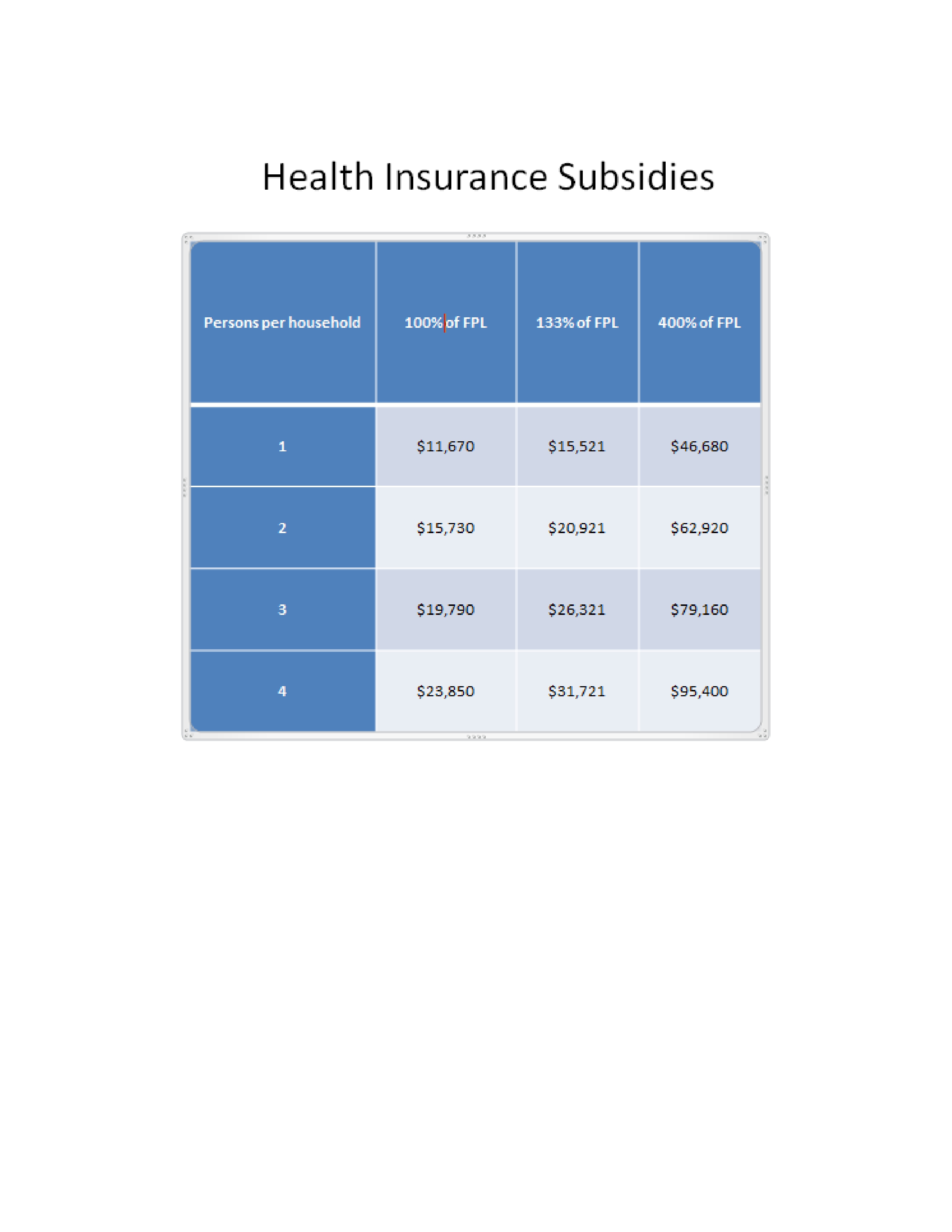
Federal tax credits are calculated based on your Modified Adjusted Gross Income (MAGI) and household size relative to the Federal Poverty Level (FPL). These credits are applied directly to your monthly premium, lowering your out-of-pocket payment immediately. If your income changes during the year, you must report it to Access Health CT to adjust your tax credits and avoid a surprise tax liability when filing your federal return.
Connecticut Health Insurance Premium Subsidy (HUSKY Health and State Programs)
In addition to federal subsidies, Connecticut administers programs aimed at closing coverage gaps for low- and middle-income residents.
- HUSKY A (Medicaid): Provides free or low-cost coverage for children, parents, relative caregivers, and pregnant individuals who meet specific income guidelines.
- HUSKY B: Connecticut’s Children’s Health Insurance Program (CHIP), offering affordable health coverage for children in families whose income is too high for Medicaid but who still need assistance.
- HUSKY C and D: Programs tailored for adults with disabilities, older adults, and low-income adults without dependent children.
Cost-Sharing Reductions (CSRs)
If you enroll in a Silver-tier plan through Access Health CT and your income falls between 100% and 250% of the FPL, you may qualify for Cost-Sharing Reductions. CSRs lower the amount you pay out-of-pocket for deductibles, copayments, and coinsurance when you visit a doctor or hospital.
| Plan Metallic Tier | Premium Cost | Out-of-Pocket Costs (Deductibles/Copays) | Best Suited For |
|---|---|---|---|
| Bronze | Lowest | Highest | Young, healthy individuals wanting catastrophic protection |
| Silver | Moderate | Moderate (Eligible for CSRs) | Individuals wanting balanced costs and eligibility for extra savings |
| Gold | High | Low | People with regular medical needs and frequent prescriptions |
| Platinum | Highest | Lowest | Individuals with high medical utilization seeking predictable expenses |
Choosing the Right Plan: Metallic Tiers and Network Types
Selecting affordable health insurance requires balancing your monthly premium against your expected medical expenses. Access Health CT organizes private plans into four metallic tiers: Bronze, Silver, Gold, and Platinum.
Evaluating Your Medical Needs
- High utilization: If you manage a chronic condition, take regular prescription medications, or anticipate surgery, a Gold or Platinum plan often provides greater overall value despite higher monthly premiums, because the lower deductibles and copays reduce total annual spending.
- Low utilization: If you rarely see a doctor outside of annual preventive checkups, a Bronze or Silver plan keeps your fixed monthly costs to a minimum.
Network Types: HMOs vs. PPOs
Insurance carriers in Connecticut structure their provider networks in specific ways that impact where you can seek care:
- Health Maintenance Organization (HMO): Generally require you to see doctors within a specific network and obtain referrals from a primary care physician (PCP) to see specialists. HMOs are typically more affordable.
- Preferred Provider Organization (PPO): Offer greater flexibility to see out-of-network providers without a referral, though seeing network doctors remains significantly cheaper. PPO plans usually carry higher monthly premiums.
Before selecting a plan on Access Health CT, use the integrated provider directory tool to verify that your preferred doctors, specialists, and local hospitals participate in the network.
Step-by-Step Guide to Enrolling in Connecticut Coverage
Securing coverage through the state marketplace follows a straightforward procedural sequence. Preparing the necessary documentation in advance streamlines the application process.
- Gather Required Information: Collect Social Security numbers (or legal immigration documents) for all household members, tax returns or W-2 forms documenting household income, and details of any current employer-sponsored insurance options available to you.
- Create an Account: Visit the official Access Health CT website to set up a secure user profile.
- Complete the Application: Enter your household, income, and residency details into the portal. The system will immediately evaluate your eligibility for HUSKY Health (Medicaid/CHIP) or private qualified health plans with financial assistance.
- Compare Plans: Review the available options based on monthly premiums, deductibles, out-of-pocket maximums, and provider networks. Utilize the filtering tools to sort plans by tier or carrier.
- Enroll and Pay: Select your chosen plan and complete the enrollment submission. To effectuate your coverage, you must pay your first month's premium directly to the insurance carrier by their specified deadline.
Common Mistakes to Avoid When Buying Health Insurance
Navigating health insurance options can lead to costly errors if certain details are overlooked. Keep these pitfalls in mind to maximize your savings:
- Ignoring Total Cost of Care: Focusing exclusively on the lowest monthly premium can backfire if the plan carries a massive deductible that you cannot afford when an unexpected medical emergency occurs.
- Failing to Update Income Changes: If you secure a new job, experience a salary increase or decrease, or experience household size changes, failing to report these updates to Access Health CT can result in owing money back during tax season or losing vital subsidies.
- Overlooking Prescription Formularies: Not all plans cover every medication equally. Always check the carrier's drug list (formulary) to ensure your specific prescriptions are covered at an affordable tier.
- Assuming Employer Coverage is Always Better: While employer-sponsored plans are heavily subsidized, review the cost of covering spouses and dependents against purchasing an individual plan through Access Health CT, as family coverage models vary widely.
Frequently Asked Questions
Can I enroll in Access Health CT coverage at any time of the year?
No. Enrollment is generally restricted to the annual Open Enrollment Period (November 1 through January 15). However, you can enroll anytime during the year if you experience a qualifying life event, such as losing job-based health insurance, moving to Connecticut, getting married, or having a child. Low-income residents who qualify for HUSKY Health (Medicaid) can enroll year-round.
What documents do I need to prove my income on Access Health CT?
You can verify your income using recent federal tax returns, W-2 forms, 1099 forms, recent pay stubs covering the last 30 days, or a formal statement of earnings if self-employed. Access Health CT uses these documents to calculate your eligibility for Advance Premium Tax Credits.
Are dental and vision benefits included in standard health plans?
Adult dental and vision coverage are not automatically bundled into all ACA-compliant medical plans. However, you can purchase standalone pediatric or adult dental plans directly through Access Health CT during enrollment periods.
What happens if I miss the Open Enrollment deadline in Connecticut?
If you miss the Open Enrollment deadline and do not experience a qualifying life event, you generally cannot purchase marketplace health insurance until the next Open Enrollment cycle. Missing this window means you would have to rely on short-term insurance plans (which have limited consumer protections and do not qualify for subsidies) or remain uninsured until the following year.
How do I check if my doctor accepts a marketplace plan?
Access Health CT provides a "Shop and Compare" tool that includes provider directory search functions. Additionally, you can visit the specific insurance carrier’s website (such as ConnectiCare or Anthem) to cross-reference their provider network directories before finalizing your plan selection.
Next Steps and Action Plan
To secure affordable health insurance in Connecticut, begin by reviewing your household's projected income and checking key dates for the upcoming enrollment cycle. Visit Access Health CT to utilize their anonymous "Shop and Compare" tool, which estimates your financial assistance and displays available options without requiring a full account setup. If you need personalized assistance, connect with a local certified broker or navigator through the state exchange who can guide you through plan selection at no additional cost.