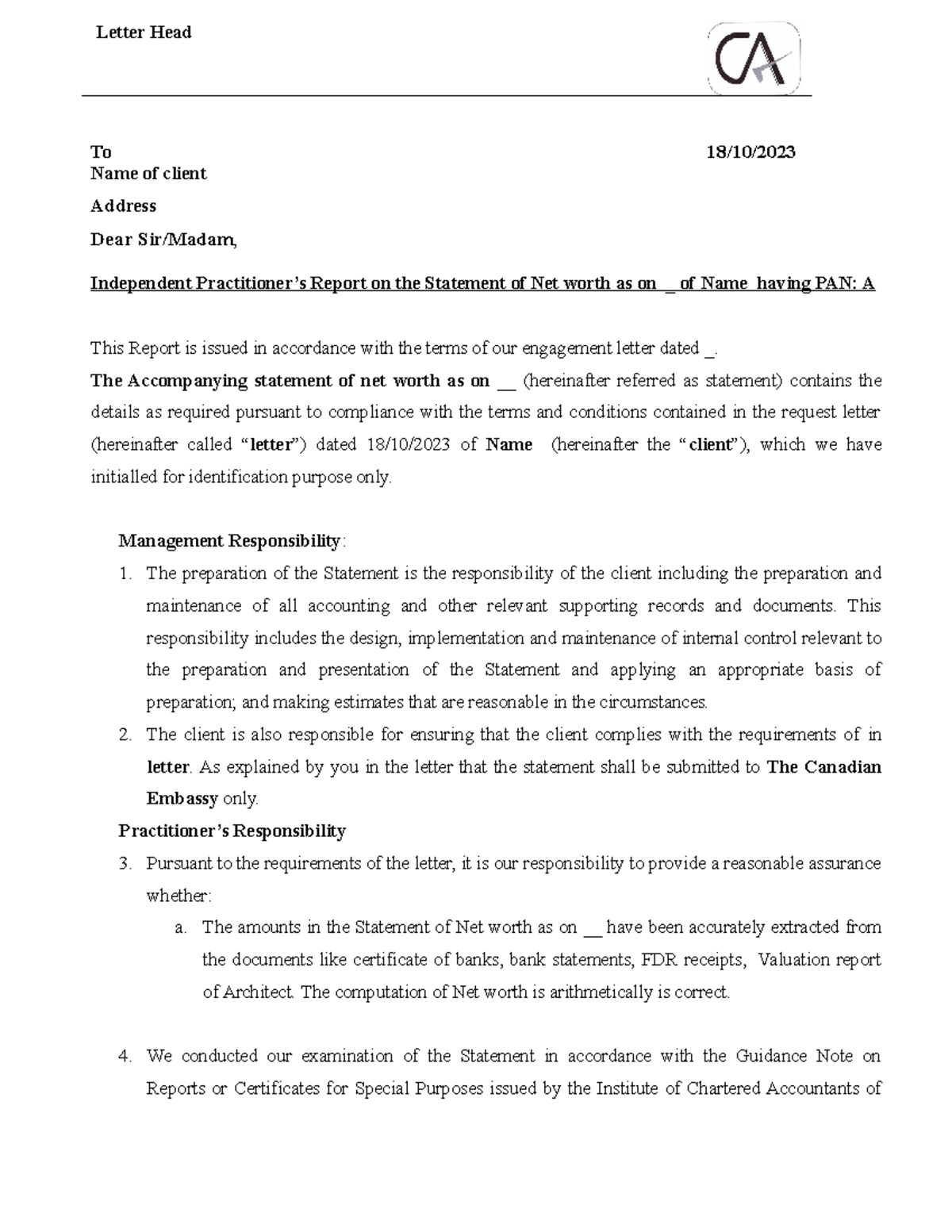
An affidavit affirming statement of net worth is a sworn legal document used primarily in matrimonial and family law to provide a complete, verified disclosure of a party's financial condition. It requires an individual to attest, under penalty of perjury, to the accuracy of their assets, liabilities, income, and expenses.
In the legal landscape of 2026, the statement of net worth remains the cornerstone of financial discovery in divorce proceedings, child support disputes, and spousal maintenance negotiations. Because courts rely on this data to make equitable distribution decisions, the affidavit serves as the formal "vouching" for the data's integrity. If a party submits a statement of net worth without the accompanying affirmation or affidavit, it is generally considered incomplete and may be rejected by the court or lead to legal sanctions.
The Purpose of Financial Disclosure in Litigation
The primary goal of the affidavit affirming statement of net worth is to ensure "compulsory financial disclosure." In jurisdictions like New York, where Domestic Relations Law § 236 is the standard, both parties in a contested matrimonial action must provide a full accounting of their financial status. This transparency is intended to prevent one spouse from hiding assets or underreporting income to gain an unfair advantage during the division of property.
Beyond mere transparency, the document serves several critical functions:
- Establishing a Baseline: It provides the court with a snapshot of the marital estate at the time of commencement.
- Calculating Support: It allows for the accurate calculation of child support and maintenance (alimony) based on actual income and needs.
- Identifying Separate Property: It helps distinguish between marital assets (acquired during the marriage) and separate property (acquired before or via inheritance).
- Evidence for Trial: The sworn statement can be used as evidence during a trial or to impeach a witness if their testimony contradicts their written disclosure.
Core Components of the Statement of Net Worth
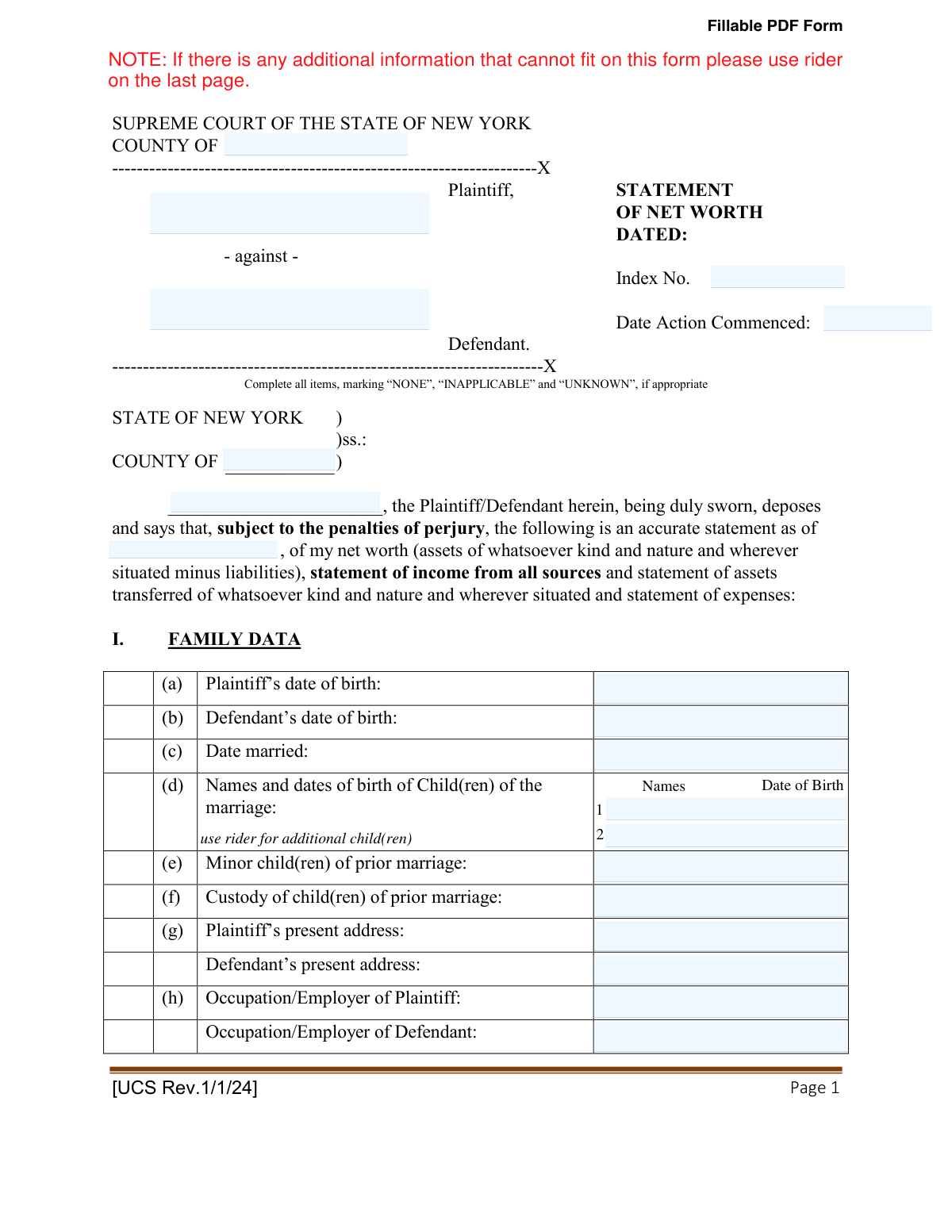
The "Statement of Net Worth" itself is often a lengthy, multi-page form. The "Affidavit" is the final section or a separate page where the individual signs their name before a notary public. To prepare an accurate document in 2026, one must meticulously categorize financial data into four primary pillars.
1. Income and Employment
This section requires a detailed breakdown of all sources of revenue. This includes traditional W-2 wages, but also encompasses:
- Bonuses, commissions, and tips.
- Dividends and interest income.
- Rental income from real estate holdings.
- Social Security or disability benefits.
- Income from digital assets, such as staking rewards or cryptocurrency dividends.
- Business perquisites (e.g., company cars or travel reimbursements).
2. Expenses and Cost of Living
The expenses section is often where the most errors occur. It requires an itemized list of monthly or annual costs. The court looks for a realistic "standard of living" established during the marriage. Key categories include:
- Housing: Mortgage, rent, property taxes, and insurance.
- Utilities: Heat, electricity, water, and high-speed internet/streaming services.
- Food: Groceries and dining out.
- Healthcare: Insurance premiums, co-pays, and unreimbursed medical costs.
- Children: Tuition, extracurricular activities, and childcare.
3. Assets and Property
Parties must list every item of value they own, regardless of whether they believe it is "marital" or "separate." This includes:
- Real Estate: Primary residences, vacation homes, and investment properties.
- Financial Accounts: Checking, savings, and money market accounts.
- Investment Portfolios: Stocks, bonds, and mutual funds.
- Retirement Assets: 401(k)s, IRAs, and pension plans.
- Personal Property: Vehicles, jewelry, art, and high-value home furnishings.
4. Liabilities and Debts
A true net worth statement is not just about what you own, but what you owe. This section must include:
- Mortgage balances.
- Student loans.
- Credit card debt.
- Personal loans from family or friends.
- Tax liabilities or liens.
The Role of the Affirmation/Affidavit
While the "Statement" is a list of numbers, the "Affidavit" is what gives the document its legal teeth. By signing the affidavit, the party is making a formal oath that they have performed a "diligent search" and that the information is true to the best of their knowledge.
In 2026, many jurisdictions allow for electronic notarization, but the gravity of the oath remains the same. If a party knowingly omits an offshore bank account or underrepresents their business's value, they are committing perjury. The affidavit transforms a simple financial form into a piece of sworn testimony.
| Category | Typical Documentation Required | Why It Matters |
|---|---|---|
| Income | Last 3 years of Tax Returns, W-2s, 1099s | Sets the foundation for support calculations. |
| Real Estate | Recent Appraisals, Mortgage Statements | Determines equity available for distribution. |
| Retirement | Plan Statements, Summary Plan Descriptions | Often the largest marital asset after the home. |
| Daily Expenses | 6-12 months of Bank/Credit Card Statements | Demonstrates the marital standard of living. |
| Business Interests | K-1s, Profit & Loss Statements | Crucial for "double dipping" and valuation issues. |
Step-by-Step Guide to Preparation
Preparing an affidavit affirming a statement of net worth is a rigorous process that should not be rushed. Errors can lead to accusations of "fraud on the court," which can be devastating to a legal case.
Step 1: Gathering Documentation
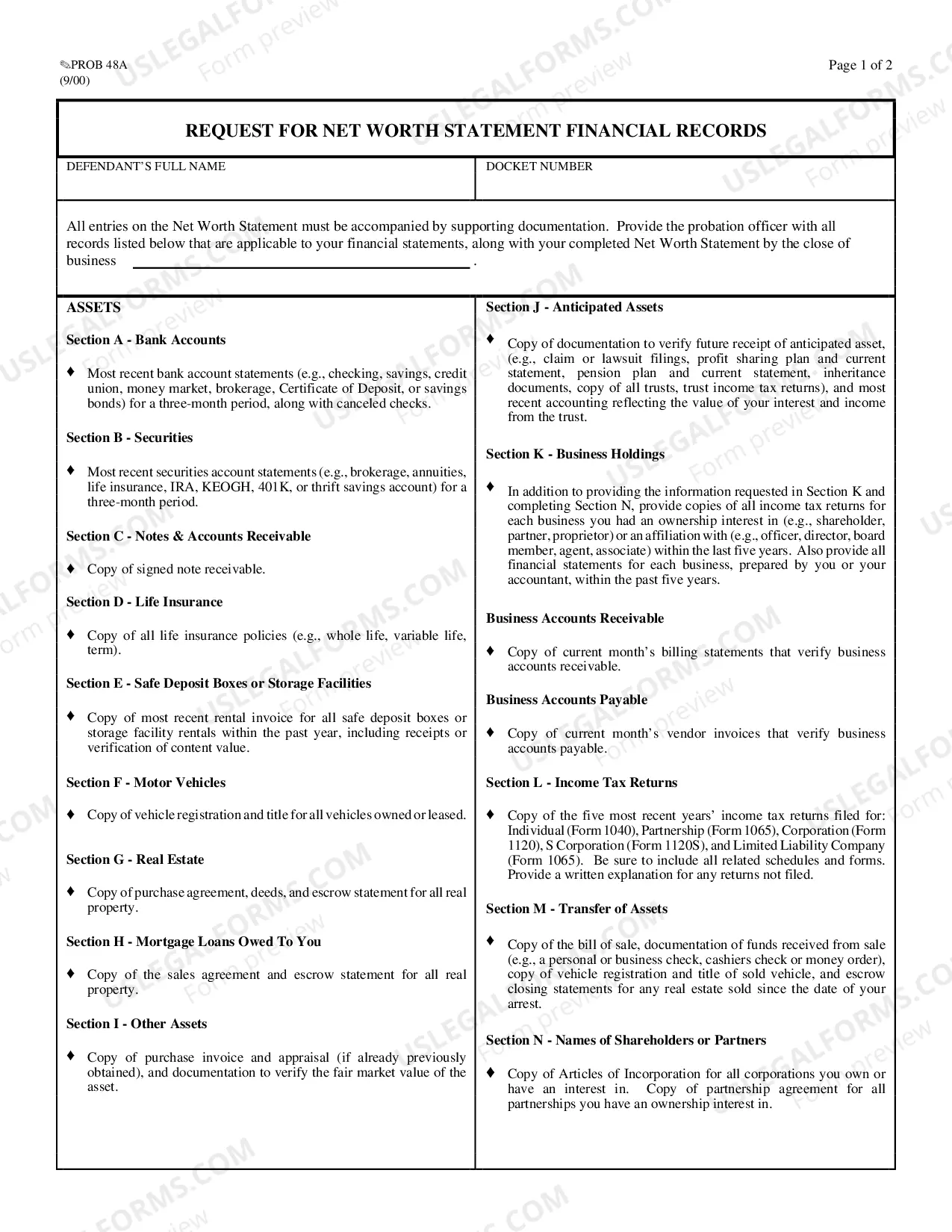
Before writing a single number, collect all relevant financial records for the past three to five years. This includes tax returns, bank statements, brokerage reports, and pay stubs. In 2026, most of these documents are accessible via digital portals. Ensure you have the "Date of Commencement" (the date the legal action started) values for all accounts.
Step 2: Categorizing Assets (Marital vs. Separate)
Distinguishing between marital and separate property is a legal task, but it begins with the disclosure. If you owned an asset before marriage, you must list it but designate it as separate. Be prepared to provide the "traceable" history of that asset if it was commingled with marital funds.
Step 3: Valuing Non-Liquid Assets
For items like real estate, art, or closely held businesses, a "guess" is insufficient. Professional appraisals or business valuations are often necessary to provide a defensible number for the statement of net worth. If the value is unknown, the document should state "to be determined by appraisal."
Step 4: Reviewing for Consistency
Ensure that the expenses listed align with the income and lifestyle. For example, if a party claims $10,000 in monthly expenses but only shows $4,000 in monthly income, they must be prepared to explain the source of the shortfall (e.g., debt or savings depletion).
Step 5: Execution and Notarization
The final document must be signed in the presence of a notary public. The notary verifies the identity of the signer and administers the oath. In some modern courts, an "Affirmation under penalty of perjury" may replace the traditional notarized affidavit, but the legal consequences for falsehood remain identical.
Common Mistakes and Legal Consequences
The most frequent error in filing an affidavit affirming statement of net worth is omission. Whether accidental or intentional, failing to list an asset can lead to severe penalties.
Adverse Inferences
If a judge determines that a party has been untruthful or evasive in their financial disclosure, the court may draw an "adverse inference." This means the judge will assume the missing information would have been unfavorable to the dishonest party. For instance, if a spouse hides a $50,000 account, the judge might award the other spouse a larger share of the known marital home to compensate.
Preclusion Orders
A court may issue a preclusion order, which prevents the dishonest party from introducing their own financial evidence at trial. This effectively leaves the "honest" spouse's version of the finances as the only evidence the court considers.
Sanctions and Legal Fees
Courts in 2026 frequently order the non-disclosing party to pay the other spouse’s legal and expert fees. If a forensic accountant is hired to find "hidden assets," the cost of that investigation is often shifted to the party who attempted to hide them.
Perjury Charges
While rare in civil divorce cases, blatant and massive financial fraud can lead to criminal perjury charges. At a minimum, it destroys the party's credibility, making it unlikely that the judge will believe their testimony on other issues like child custody.
The Role of Experts: Forensic Accountants and Valuators
In complex cases involving high net worth or business ownership, an attorney will often engage a forensic accountant to assist with the statement of net worth. These experts specialize in:
- Lifestyle Analysis: Comparing reported income against actual spending to find "unreported" cash flow.
- Asset Tracing: Following the paper trail of funds to determine if an asset is marital or separate.
- Valuation: Using standardized methodologies (like the income or market approach) to put a price tag on a private company or professional practice.
The use of forensic experts ensures that the affidavit affirming the statement of net worth is backed by professional analysis, making it much harder for the opposing side to challenge.
Frequently Asked Questions
Is the statement of net worth a public record?
Generally, no. While divorce filings are matters of public record in some jurisdictions, financial disclosures and statements of net worth are typically treated as confidential and are often filed under "seal" or kept in the attorney's files and only submitted to the court for specific reviews. However, this varies by state and local court rules.
What if I don't know the exact value of an asset?
If an exact value is unavailable at the time of filing, you should provide a "good faith estimate" and clearly label it as such. You can also state "Value TBD" (To Be Determined) if an appraisal is currently in progress. It is better to acknowledge the asset exists with an unknown value than to leave it off entirely.
Do I have to list assets held in a trust?
Yes. If you are a beneficiary of a trust or have the power to revoke a trust, those interests must be disclosed. The specific nature of your access to the trust will determine how it is treated during the division of property, but the obligation to disclose it is absolute.
Can I update the statement of net worth after it's filed?
Yes. In fact, you have a "supplemental" duty to update the court if your financial circumstances change significantly during the litigation. For example, if you lose your job or receive a large inheritance while the case is pending, you must file an updated affidavit.
Does the 2026 tax year impact how I report income?
You should always report income based on the most recent tax filings and current pay stubs. By 2026, tax laws regarding the deductibility of certain expenses or the treatment of digital assets may have evolved. Always consult with a tax professional to ensure the "gross income" and "net income" figures on your affidavit match your official tax records.
Practical Recommendations
If you are tasked with completing an affidavit affirming statement of net worth, your first priority should be accuracy over speed. Begin by creating a digital folder for every category in the statement. Download the last 12 months of statements for every account you own or co-own.
When calculating expenses, do not simply guess. Look at your actual bank activity. Many people underestimate their "miscellaneous" spending, which can lead to an inaccurate representation of their financial needs. Finally, review the document with your attorney before signing. They can help identify potential "red flags" that might trigger an audit by the opposing side or a forensic investigation.
Transparency is your best defense. A party who provides a thorough, honest, and well-documented statement of net worth usually fares better in the eyes of the court than one who attempts to be clever with their disclosures.
Professional Disclaimer: The information provided in this article is for educational purposes only and does not constitute legal or financial advice. Jurisdictional rules regarding financial disclosure vary significantly. Consult with a qualified attorney or financial professional regarding your specific legal matter.