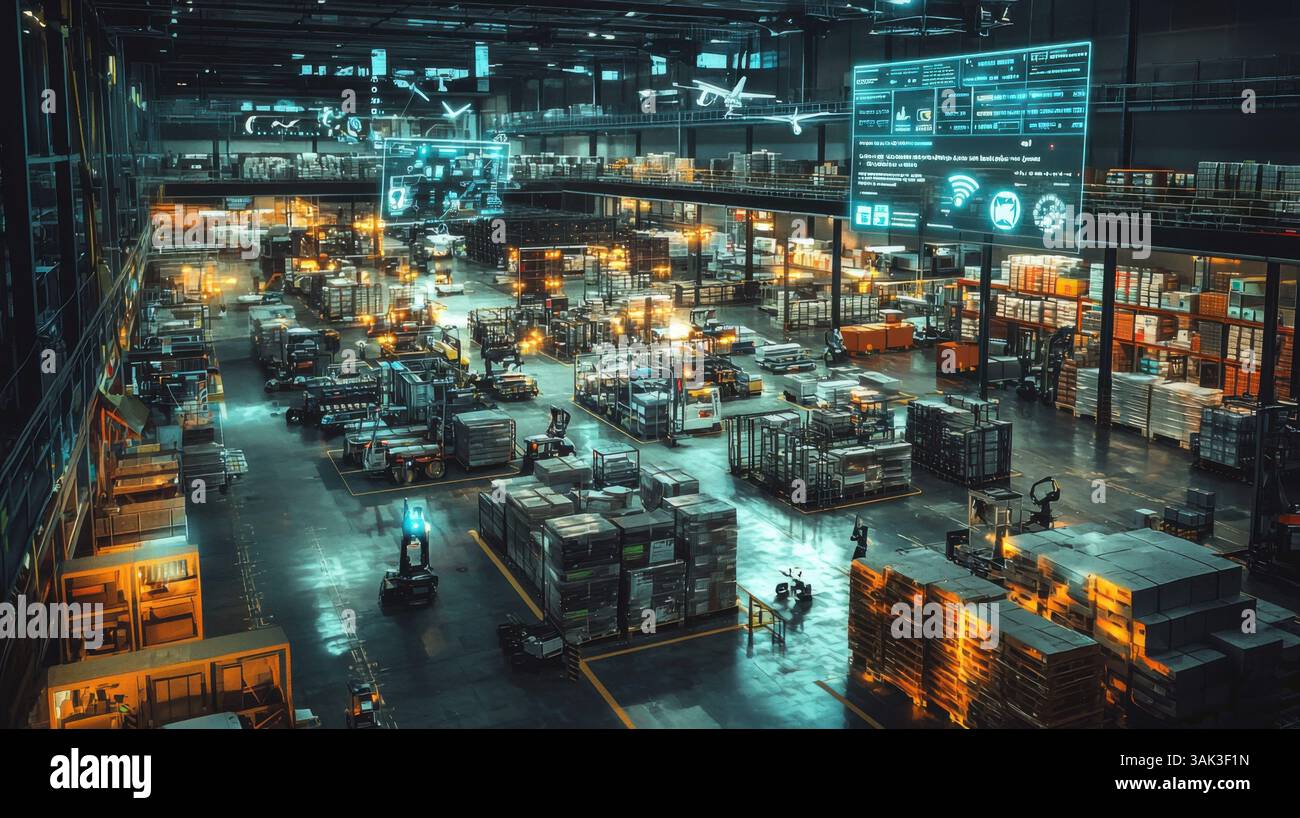
Advanced logistics encompasses the integration of data analytics, automation, Internet of Things (IoT) connectivity, and artificial intelligence to manage and optimize complex supply chain networks. By replacing traditional, reactive freight and inventory management with predictive, automated orchestration, modern supply chain operations achieve higher resiliency, reduced latency, and lower operational overhead across global distribution channels.
Understanding the Core Architecture of Advanced Logistics
Traditional supply chain management historically relied on isolated data silos, manual warehouse logging, and retrospective performance reviews. Advanced logistics modernizes this paradigm by treating the entire supply chain as a single, continuous ecosystem. At its core, the architecture relies on three foundational pillars: real-time data ingestion, algorithmic decision-making, and automated physical execution.
Data ingestion occurs via edge devices, RFID tags, telematics units on transport fleets, and environmental sensors embedded in cargo containers. These instruments stream millions of telemetry points per second into centralized cloud data lakes. Algorithmic engines then process this information using machine learning models to forecast demand fluctuations, dynamically reroute transit vehicles, and optimize inventory placement. Finally, physical execution systems—ranging from automated storage and retrieval systems (AS/RS) to autonomous mobile robots (AMRs)—translate these digital decisions into physical warehouse and fulfillment actions.
By dismantling operational silos, organizations gain total network visibility. This transparency allows supply chain managers to transition from reactive firefighting—such as addressing stockouts or port delays after they occur—to proactive disruption management, where potential bottlenecks are mitigated days or weeks in advance.
Core Technologies Driving Supply Chain Evolution
The operational capabilities of modern supply chains depend on a cohesive stack of enterprise technologies. Each component addresses a specific vulnerability in traditional logistics, compounding efficiency gains when integrated.
Artificial Intelligence and Predictive Analytics
Artificial intelligence (AI) and machine learning (ML) serve as the cognitive engine of advanced logistics. Instead of relying on historical averages, predictive analytics models evaluate thousands of external variables simultaneously, including macroeconomic indicators, consumer behavior trends, localized traffic patterns, and long-range weather forecasts.
These algorithms optimize several critical functions:
- Demand Forecasting: Predicting SKU-level (Stock Keeping Unit) demand down to specific regional distribution centers to minimize safety stock requirements.
- Dynamic Routing: Recalculating delivery vehicle routes in real-time to circumvent accidents, road closures, and severe weather events.
- Network Optimization: Determining optimal facility locations based on population shifts, supplier clusters, and transportation cost matrices.
The Internet of Things (IoT) and Sensor Networks
IoT deployment transforms static freight into intelligent assets. Sensors attached to pallets, trucks, and shipping containers constantly monitor variables such as geographical coordinates, shock absorption, ambient temperature, and relative humidity.
This capability is particularly vital for temperature-sensitive industries, such as pharmaceuticals and perishable foods. If a refrigerated container experiences a cooling system malfunction mid-transit, automated alerts notify operations teams instantly, allowing them to dispatch a replacement unit or reroute the cargo before spoilage occurs.
Autonomous Systems and Warehouse Robotics
Within fulfillment centers and distribution hubs, robotics have largely eliminated the physical strain of manual picking and sorting. Autonomous Mobile Robots (AMRs) navigate warehouse floors using LiDAR and visual SLAM (Simultaneous Localization and Mapping) technology, transporting inventory pods directly to human packers or performing autonomous consolidation.
Externally, autonomous delivery vehicles and long-haul trucking platoons are beginning to bridge the gap between fulfillment hubs and final destinations, addressing chronic labor shortages in the commercial driving sector while reducing fuel consumption through aerodynamic drafting.
Comparison of Traditional vs. Advanced Logistics Models
To understand the operational shift required for modern supply chain transformation, examine the structural differences between traditional frameworks and advanced logistics models across key performance vectors:
| Feature / Metric | Traditional Logistics | Advanced Logistics |
|---|---|---|
| Data Visibility | Siloed, retrospective, and batch-updated | Real-time, end-to-end, and predictive |
| Inventory Strategy | High safety stock buffers to absorb volatility | Just-in-time replenishment powered by dynamic demand sensing |
| Warehouse Operations | Manual picking, paper-based manifests, fixed conveyor belts | Automated guided vehicles, AMRs, and digital pick-to-light systems |
| Risk Management | Reactive response to bottlenecks and disruptions | Proactive, algorithmic rerouting and contingency planning |
| Sustainability Metrics | Estimated carbon footprint calculations based on fuel burn averages | Granular, per-shipment emissions tracking and energy optimization |
Implementation Prerequisites and Strategic Planning
Transitioning from legacy logistics frameworks to an advanced ecosystem requires rigorous planning, substantial capital investment, and cross-functional alignment. Organizations cannot simply purchase software or hardware off the shelf; they must build an infrastructure capable of supporting high-velocity data streams.
Data Infrastructure and Cleansing
Advanced analytics engines fail if fed inaccurate or fragmented data. Before implementing machine learning models, enterprises must audit their master data management (MDM) practices. This involves unifying data schemas across enterprise resource planning (ERP) systems, warehouse management systems (WMS), and transportation management systems (TMS). Establishing a single source of truth ensures that automated decision-making engines operate on clean, standardized metrics.
Cybersecurity and Network Resilience
As supply chains become increasingly digitized and interconnected, their cyber-attack surface expands. IoT devices, cloud databases, and automated warehouse control systems represent high-value targets for malicious actors. Organizations must enforce strict cybersecurity protocols, including end-to-end data encryption, multi-factor authentication for operational technology (OT) access, and regular vulnerability assessments to prevent catastrophic supply chain shutdowns.
Change Management and Workforce Upskilling
The introduction of robotics and AI frequently triggers workforce anxiety. Successful deployment relies on transparent communication and comprehensive training programs. Organizations must upskill existing warehouse personnel to transition from manual material handlers to system operators, robotic maintenance technicians, and data analysts.
Overcoming Common Implementation Challenges
Despite clear long-term returns on investment, advanced logistics projects frequently encounter significant hurdles during rollout. Recognizing these pitfalls helps organizations mitigate financial and operational risk.
- Legacy ERP/WMS Silos
- Data Cleansing & API Integration Layer
- Cloud Data Lake & AI Analytics Engine
- Automated Fulfillment (AMRs & AS/RS)
- Dynamic Transportation Management (IoT & Telematics)
Integration Friction with Legacy Systems
Many enterprise supply chains operate on decades-old legacy software that lacks modern Application Programming Interfaces (APIs). Forcing new advanced logistics platforms to communicate with outdated infrastructure often results in data latency or synchronization failures. Companies must budget for robust middleware solutions or phased API wrappers that bridge legacy databases with modern cloud architectures.
Capital Expenditure and ROI Uncertainty
The initial capital outlay required for warehouse automation and enterprise-wide IoT sensor deployment is substantial. To secure executive buy-in, supply chain leaders must develop granular proof-of-concept (PoC) pilot programs. By testing automation in a single fulfillment center or regional corridor, organizations can validate projected efficiency gains and labor reductions before committing enterprise-wide capital.
Future Outlook and Emerging Trends
As quantum computing, 5G cellular infrastructure, and advanced generative AI models mature, the capabilities of advanced logistics will continue to expand. Quantum algorithms will soon calculate optimal routing and inventory distribution matrices for millions of global nodes simultaneously, solving complex combinatorial problems in seconds rather than hours. Meanwhile, widespread 5G deployment will eliminate latency bottlenecks for autonomous fleet coordination, enabling safer, ultra-responsive vehicle-to-everything (V2X) communication. Organizations that build flexible, data-driven foundations today will be best positioned to capitalize on these upcoming operational paradigms.
Frequently Asked Questions
What is the primary difference between standard supply chain management and advanced logistics?
Standard supply chain management focuses primarily on the linear movement of goods and static inventory tracking, often relying on historical data and manual oversight. Advanced logistics integrates real-time IoT telemetry, artificial intelligence, and warehouse automation to predict disruptions, automate complex decisions, and optimize every node of the network dynamically.
How does advanced logistics improve supply chain sustainability?
By utilizing predictive analytics and dynamic routing, advanced logistics minimizes empty miles, optimizes fuel consumption, and reduces excess inventory waste. Furthermore, granular IoT tracking allows organizations to measure carbon emissions accurately across every stage of transit, supporting compliance with evolving global environmental regulations.
What are the initial steps a mid-sized company should take to adopt advanced logistics?
Mid-sized enterprises should begin by conducting a comprehensive data audit to identify operational silos. Following this, leadership should pilot a targeted automation or visibility project—such as implementing a cloud-based transportation management system or deploying RFID tracking in a single warehouse—to measure ROI before scaling across the entire network.
Are advanced logistics systems vulnerable to cyber attacks?
Yes, increased connectivity and the proliferation of IoT devices expand the cyber-attack surface of modern supply chains. Securing these networks requires robust encryption standards, strict access controls for operational technology, and continuous monitoring to detect and neutralize potential intrusions before they disrupt physical operations.
How do autonomous mobile robots (AMRs) differ from traditional warehouse automation?
Traditional warehouse automation typically relies on fixed infrastructure, such as conveyor belts and automated storage systems that follow rigid, pre-programmed paths. In contrast, AMRs use onboard sensors, cameras, and SLAM software to navigate dynamically around obstacles, human workers, and changing warehouse layouts without requiring structural modifications to the facility.
Next Actions for Supply Chain Leaders
To begin transforming your operational infrastructure, perform a comprehensive audit of your current data integration capabilities and identify your organization’s most acute supply chain bottlenecks. Prioritize pilot projects that address these specific friction points—such as implementing real-time fleet telematics or upgrading inventory management software—to build momentum, validate financial returns, and establish a scalable foundation for full network optimization.