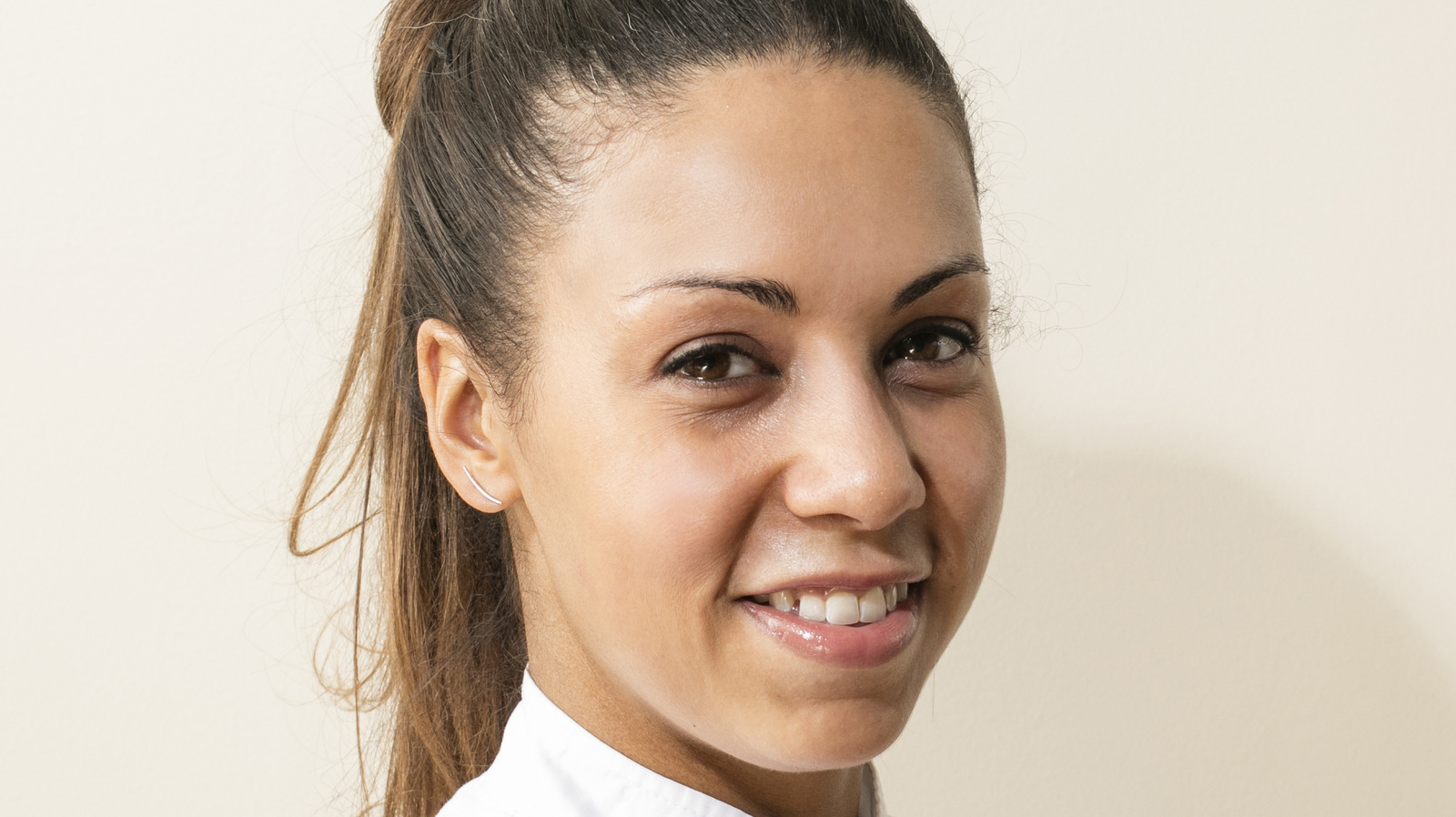
Adrienne Cheatham is an American chef, author, and television personality. Born in Chicago, Illinois, she holds American nationality by birth. Her heritage is multi-ethnic, rooted in African American traditions from the Southern United States and a mixed-race background that informs her unique "Sunday Best" culinary philosophy and professional identity.
Chef Adrienne Cheatham rose to national prominence as the runner-up on Season 15 of Bravo’s Top Chef. However, her story is much deeper than a reality television arc. To understand her nationality and heritage is to understand the complex tapestry of the American experience, particularly the intersection of Northern urban life, Southern rural traditions, and the rigorous world of French fine dining.
The Geographic Roots of Adrienne Cheatham
While her nationality is clearly defined as American, Cheatham’s identity is shaped by two distinct American landscapes: Chicago and Mississippi. This dual-geographic upbringing is the bedrock of her career.
Chicago: The Urban Foundation
Born in Chicago, Cheatham was raised in an environment where the hustle of a major metropolis met the disciplined world of the service industry. Her mother ran a restaurant in Chicago, providing Adrienne with an early education in the logistics of feeding people. In the urban North, she was exposed to a melting pot of cultures, but she was also grounded in the specific traditions of the Black middle class in Chicago—a city that was a primary destination during the Great Migration. This urban upbringing provided her with the ambition and the "big city" perspective that eventually led her to New York City for formal culinary training.
Mississippi: The Cultural Anchor
Summers spent in Mississippi offered a stark contrast to her life in Chicago. In the American South, Cheatham connected with the agricultural roots of African American cuisine. This was not the "soul food" often stereotyped by outsiders, but rather a sophisticated, farm-to-table way of life that existed long before that term became a marketing buzzword. She witnessed the process of growing, harvesting, and preserving food, which instilled a deep respect for ingredients. This Southern heritage is what she often refers to when discussing the "soul" of her cooking, emphasizing that her nationality isn't just about a passport, but about the specific regional cultures within the United States.
Clarifying Heritage and Ethnicity
The search for "Adrienne Cheatham nationality" often stems from a desire to understand her specific ethnic background. Cheatham has been open about her biracial heritage, which has played a significant role in how she navigates the culinary world.
A Multicultural Background
Adrienne Cheatham’s father is of mixed heritage, and her mother is African American. This blend of backgrounds meant that Cheatham did not always fit into the narrow boxes the culinary industry often tries to place on chefs of color. In many interviews, she has discussed the experience of being "not enough" of one thing or "too much" of another. This personal history reflects a broader American narrative of the "Third Space"—a cultural identity that draws from multiple wells to create something entirely new.
Identity in the Kitchen
In the high-pressure world of elite kitchens, ethnicity can often be sidelined in favor of the "French Brigade" system. For much of her early career, Cheatham focused on mastering European techniques, working at Michelin-starred institutions where her specific heritage was not the focus. However, as she matured as a chef, she began to weave her personal history into her professional output. Her heritage is now her primary source of inspiration, allowing her to elevate Southern flavors using the technical precision she honed in Manhattan.
The Professional Path: From Fine Dining to Culinary Advocacy
Cheatham’s nationality and heritage are most visible through her professional evolution. Her career is a testament to the fact that an American chef can be a master of French technique while remaining fiercely loyal to their cultural roots.
The Le Bernardin Years
Cheatham spent eight years at Le Bernardin, one of the most prestigious seafood restaurants in the world. Working under Chef Eric Ripert, she rose to the rank of Executive Sous Chef. This period was crucial for her technical development. At Le Bernardin, nationality takes a backseat to excellence, but the experience allowed Cheatham to see how high-level technique could be applied to any ingredient. It was here that she mastered the "fine" in fine dining, a skill set she would later use to recontextualize African American cuisine.
Red Rooster and Marcus Samuelsson
Following her tenure at Le Bernardin, Cheatham joined Marcus Samuelsson as the Executive Chef of Red Rooster in Harlem. This move was a pivotal moment in her career, as it brought her back to a neighborhood that is a global epicenter of Black culture. At Red Rooster, she was able to marry her elite technical skills with flavors that resonated with her heritage. This transition marked a shift from cooking "someone else's food" to discovering what it meant to be an American chef of color in the 21st century.
Top Chef and the National Spotlight
In 2017-2018, Cheatham competed on Top Chef Season 15 (Colorado). The show provided a platform where her nationality and heritage were frequently discussed. Fans were drawn to her poise, her incredible technical skill, and the way she defended her interpretation of Southern food.
She famously pushed back against the idea that "soul food" had to be cheap or unrefined. By presenting dishes like her "tuxedo" grits (black and white grits served with sophisticated garnishes), she challenged the judges and the audience to rethink their assumptions about African American culinary traditions. Her performance on the show cemented her status as a leading voice in American gastronomy, proving that her identity was her greatest asset.
Sunday Best: A Manifesto of Identity
In 2022, Cheatham released her debut cookbook, Sunday Best. The book is the ultimate explanation of her nationality and heritage through food. The title refers to the tradition in many families, especially in the Black community, of wearing one's finest clothes and preparing the most elaborate meal of the week on Sundays.
Elevating the Everyday
Sunday Best is more than a collection of recipes; it is a scholarly yet accessible look at how American food is constructed. Cheatham uses the book to show that dishes like fried chicken, collard greens, and biscuits deserve the same respect and technical attention as duck confit or soufflés. By applying her Le Bernardin-level skills to these "everyday" dishes, she makes a profound statement about the value of her heritage.
The "Sunday Best" Philosophy
As of 2026, the "Sunday Best" philosophy has become a movement within the culinary world. It encourages chefs to look at their own regional and ethnic backgrounds with a lens of excellence. For Cheatham, being American means having the freedom to pull from the French pantry, the Southern garden, and the Midwestern kitchen all at once.
Comparing Influences on Cheatham’s Identity
The following table breaks down the various elements that contribute to Adrienne Cheatham's multifaceted identity as an American chef.
| Influence Category | Specific Origin | Impact on Culinary Style |
|---|---|---|
| Nationality | United States (Chicago-born) | A foundational belief in culinary innovation and the "American Dream" within the hospitality sector. |
| Regional Heritage | Mississippi (Maternal roots) | Focus on seasonal produce, preservation (pickling/curing), and deep-flavored soul food staples. |
| Ethnic Background | African American & Mixed Heritage | Navigation of the "Third Space," blending diverse cultural expectations into a cohesive personal brand. |
| Technical Training | Institute of Culinary Education (NYC) | Mastery of classic French techniques, knife skills, and kitchen management. |
| Elite Mentorship | Le Bernardin (Eric Ripert) | Obsessive attention to detail, precision in seafood cookery, and high-standard aesthetics. |
| Cultural Context | Harlem (Red Rooster) | Integration of community, history, and storytelling into the dining experience. |
Frequently Asked Questions
Is Adrienne Cheatham American?
Yes, Adrienne Cheatham is a United States citizen by birth. She was born and raised in Chicago, Illinois, and has spent the majority of her professional life working in major American culinary hubs like New York City. Her nationality is central to her work, as she focuses on the evolution of American cuisine.
What is Adrienne Cheatham’s ethnic heritage?
Adrienne Cheatham is of biracial heritage. Her mother is African American, and her father is of mixed-race descent. She often identifies with the African American community and uses her platform to highlight the sophistication and history of Black culinary traditions in the United States.
Where did Adrienne Cheatham grow up?
She grew up primarily in Chicago, where her mother worked in the restaurant industry. However, she spent significant portions of her youth in Mississippi with her extended family. This combination of Northern urban life and Southern rural life is a defining characteristic of her personality and her cooking.
Did Adrienne Cheatham win Top Chef?
Adrienne Cheatham was the runner-up on Top Chef Season 15, which aired in 2017 and 2018. She lost the title to Joe Flamm in a closely contested finale. Despite not winning the top prize, she is widely considered one of the most successful and influential alumni in the history of the franchise.
What is the significance of her book "Sunday Best"?
Sunday Best is Cheatham’s way of "explaining" her identity through food. It bridges the gap between high-end professional cooking and the soulful, home-style meals she grew up eating. It is a significant work because it advocates for the elevation of Southern and Black American cuisine to the status of "fine dining."
The Enduring Impact of Her Heritage (2026 Perspective)
As we look at the culinary landscape in 2026, Adrienne Cheatham’s influence is more visible than ever. The conversation around "nationality" in the food world has shifted away from monolithic definitions toward the nuanced, intersectional approach that Cheatham has championed for over a decade.
She has successfully moved past the labels of "Top Chef finalist" or "Eric Ripert protégé" to become a definitive voice in her own right. Her nationality is American, her heritage is African American, but her impact is global. By refusing to simplify her background, she has given other chefs the permission to embrace their own complex histories.
Whether through her pop-up dinner series, her television appearances, or her continued literary work, Cheatham continues to demonstrate that the "American" kitchen is at its best when it is inclusive, technically rigorous, and deeply personal.
Practical Recommendation: For those looking to explore the practical application of Adrienne Cheatham's heritage, start by experimenting with her "Sunday Best" philosophy: take a traditional family recipe from your own heritage and apply one high-level professional technique (such as a specific French reduction method or a precise knife cut) to see how it elevates the dish without losing its soul.