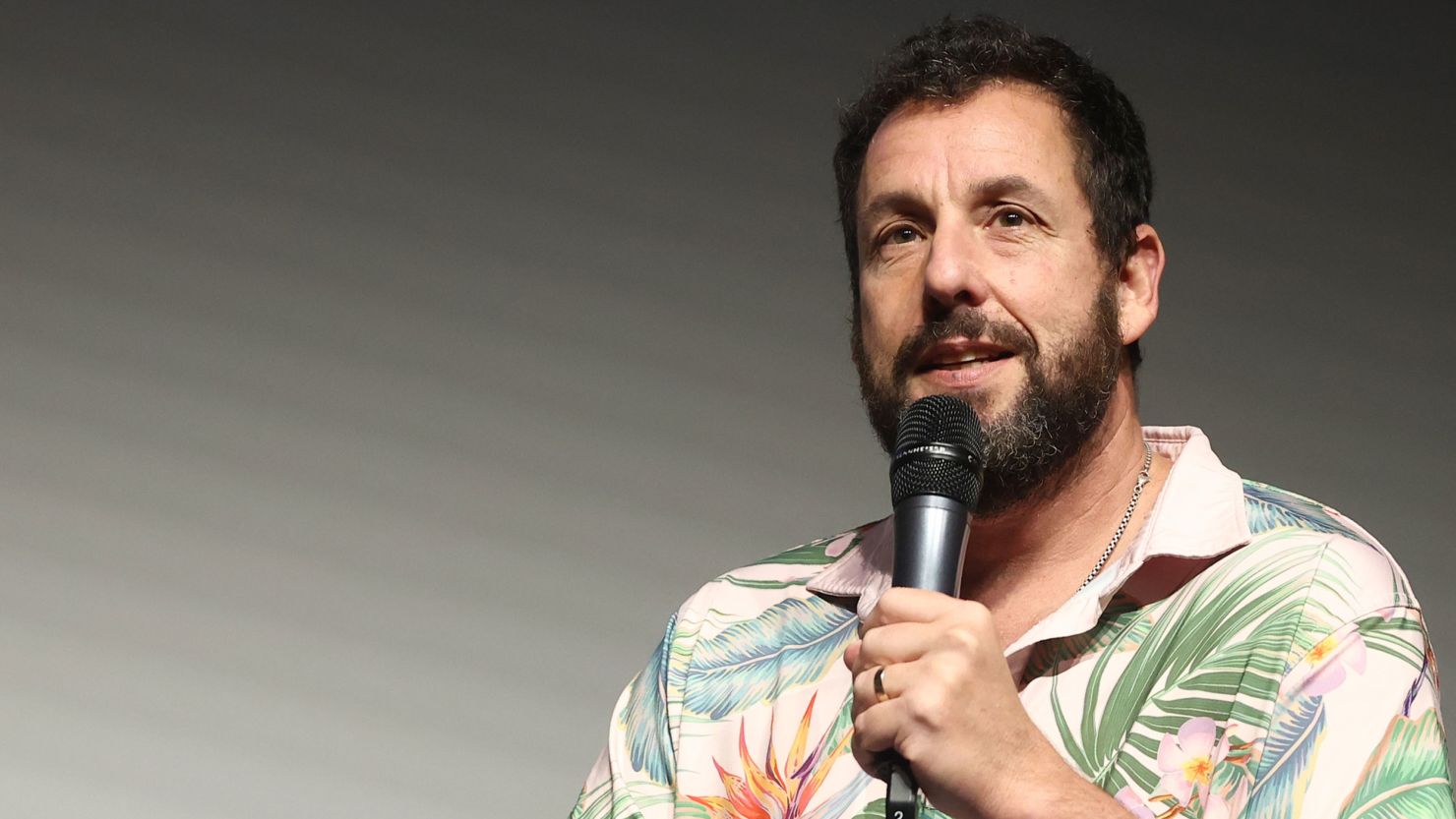
Adam Sandler and Chris Farley were fired from Saturday Night Live (SNL) in mid-1995 following the show's turbulent 20th season. NBC network executives pushed executive producer Lorne Michaels to overhaul the cast due to declining ratings, harsh critical reviews, and backstage friction. Despite their dismissal, both comedians immediately transitioned into blockbuster film careers.
The 1995 SNL Cast Overhaul: What Led to the Decision?
During the early 1990s, Saturday Night Live experienced a period of high energy and cultural dominance driven by a young, rebellious group of performers often referred to by media outlets as the "Bad Boys of SNL." This cohort included Adam Sandler, Chris Farley, David Spade, Rob Schneider, and Chris Rock. Their humor was physical, absurd, and youth-oriented, producing iconic recurring sketches such as "Opera Man," "The Chris Farley Show," and "Lunchlady Land."
However, by the 1994–1995 season (Season 20), the show’s dynamic had fractured. Ratings fell sharply, and critics heavily criticized the writing for relying on repetitive gags, crude toilet humor, and chaotic antics rather than sharp political or cultural satire.
- Season 20 Context (1994–1995)
- Declining Nielsen Ratings
- Harsh Critical Backlash (termed "Saturday Night Dead")
- Tensions between NBC West Coast Executives & Show Management
- Cast Overcrowding & High Production Costs
Season 20 Ratings and Critical Backlash
Season 20 is widely regarded in television history as one of the rockiest periods for Saturday Night Live. High-profile news publications, including New York Magazine, published scathing cover stories describing backstage dysfunction, creative fatigue, and a decline in comedic standards.
The critics claimed the show had lost its intellectual edge, catering exclusively to teenage audiences at the expense of its broader demographic. The constant repetition of catchphrases and physical bits was seen by network brass as evidence that the cast had run out of fresh ideas.
Network Pressure from NBC Executives
The ultimate decision to fire Sandler and Farley did not originate solely within Studio 8H; it was heavily driven by top NBC West Coast executives, including network president Don Ohlmeyer. NBC management felt the show had become overly expensive, unruly, and out of touch with mainstream late-night viewers.
Michaels was handed an ultimatum by the network: clean house and revamp the roster, or risk major structural changes to the program. To preserve the show's future and clear space for a new generation of talent, NBC and show management chose not to renew the contracts of several prominent stars, most notably Sandler and Farley.
How Adam Sandler and Chris Farley Were Terminated
Neither Sandler nor Farley formally quit the show, nor did they publicly announce a planned exit before the season ended. In subsequent interviews, both actors confirmed that they were terminated simultaneously after the end of Season 20 in 1995.
Discovering Their Dismissal Through Management
Sandler has explained in various interviews—including appearances on The Howard Stern Show and Conan—that he learned of his firing through his manager rather than a direct face-to-face meeting with executive producer Lorne Michaels.
"We were fired," Sandler recounted in later years. "We kind of pretended we weren't being fired, but our manager had to tell us, 'Hey, NBC doesn't want you guys back.'"
Farley received the news around the same time. While both performers were surprised by the sudden termination, they were aware that network executives had grown dissatisfied with the direction of the late-night sketch series.
The "Bad Boys of SNL" Era and Backstage Dynamics
Beyond ratings and reviews, backstage behavior contributed to the network's frustration. Sandler, Farley, and their close circle were famous for juvenile pranks inside the GE Building at 30 Rockefeller Center. Reports from castmates and crew members detailed late-night antics, such as making prank phone calls from office phones and throwing objects out of skyscraper windows.
While this rowdy camaraderie fueled their on-screen chemistry, it alienated executive leadership at NBC headquarters. Network chiefs viewed the group as difficult to manage, further solidifying the decision to break up the core ensemble after 1995.
Life After Saturday Night Live: Movie Stardom and Box-Office Success
Being let go from Saturday Night Live is often a setback for television actors, but for Sandler and Farley, it served as a catalyst for immediate box-office dominance. Both stars had already begun testing the film market while still on SNL, proving that their comedy resonated with film audiences nationwide.
- Post-SNL Trajectory (1995–1997)
- Adam Sandler
- Billy Madison (1995)
- Happy Gilmore (1996)
- Global Box Office Star
- Chris Farley
- Tommy Boy (1995)
- Black Sheep (1996)
- Comedy Lead Icon
- Adam Sandler
Adam Sandler's Hollywood Breakthrough
In early 1995, shortly before his SNL firing was finalized, Sandler starred in Billy Madison, which he co-wrote with Tim Herlihy. Made on a modest budget of approximately $10 million, the film grossed over $26 million domestically and established Sandler as a viable cinematic lead.
He followed this success in 1996 with Happy Gilmore, which grossed over $40 million worldwide and solidified his signature comedic style. Sandler subsequently founded production company Happy Madison Productions, embarking on a decades-long career that made him one of the highest-grossing film actors in Hollywood history, spanning slapstick comedies, romantic hits, and acclaimed dramatic roles in films like Uncut Gems (2019).
Chris Farley's Film Success and Tragic End
Chris Farley's transition to film was equally explosive. In March 1995, NBC and Paramount Pictures released Tommy Boy, co-starring fellow SNL castmate David Spade. The buddy comedy was a massive commercial success, generating over $32 million at the box office and achieving cult status on home video.
Farley followed Tommy Boy with Black Sheep (1996) and Beverly Hills Ninja (1997). His unique combination of energetic physical comedy and vulnerability made him one of the most sought-after comedic actors of the mid-1990s.
Tragically, Farley’s rapid ascension was cut short. He struggled with severe substance abuse and addiction issues, leading to his accidental drug overdose death on December 18, 1997, at the age of 33.
Summary Timeline: Sandler and Farley's SNL Departure and Post-SNL Milestones
The table below outlines the timeline of events surrounding Sandler and Farley’s tenure on Saturday Night Live, their 1995 dismissal, and key career events that followed:
| Year | Event / Milestone | Impact on Career & Show Dynamics |
|---|---|---|
| 1990 | Adam Sandler hired as writer; Chris Farley joins as cast member | Begins the "Bad Boys of SNL" era; Sandler joins cast in 1991. |
| 1993–1994 | Peak popularity of recurring sketches | Characters like "Matt Foley" and "Opera Man" become cultural phenomena. |
| 1994–1995 | Season 20 critical and ratings drop | Harsh media coverage; NBC executives demand cast and creative changes. |
| Early 1995 | Release of Billy Madison & Tommy Boy | Both actors demonstrate standalone movie star potential outside SNL. |
| Mid-1995 | Sandler and Farley fired from SNL | NBC overhauls cast; Season 21 debuts Will Ferrell, Cheri Oteri, and Darrell Hammond. |
| 1997 | Farley returns to host SNL (Oct 1997) | Farley hosts Season 23, Episode 3; tragically passes away two months later. |
| 2019 | Sandler returns to host SNL (May 2019) | Sandler hosts for the first time since 1995; performs musical tribute to Farley. |
Misconceptions and Later Reconciliations
Over the years, several urban legends and misunderstandings have circulated regarding why Sandler and Farley left Saturday Night Live. Clarifying these claims provides a accurate picture of TV history.
Misconception 1: They Quit to Pursue Movies
While both performers were already starring in feature films, neither chose to leave the show voluntarily in 1995. They would have preferred to stay longer or depart on their own terms. Sandler has frequently clarified that while their movie successes softened the blow, the actual separation was an involuntary termination by network management.
Misconception 2: Lorne Michaels Hated Them
While executive producer Lorne Michaels was caught between network demands and protecting his cast, he did not hold personal animosity toward Sandler or Farley. Michaels acknowledged that network pressure left him little choice but to rebuild the show’s brand.
Season 21 introduced new comedic talent—including Will Ferrell, Cheri Oteri, Molly Shannon, and Darrell Hammond—which successfully revived the show’s critical reputation and ratings performance in the late 1990s.
- Cast Transition (1995 Overhaul)
- Departing Stars: Adam Sandler, Chris Farley, Kevin Nealon, Ellen Cleghorne
- Incoming Talent: Will Ferrell, Cheri Oteri, Darrell Hammond, Jim Breuer
Returning to Studio 8H
Both stars eventually reconciled with their exits and returned to the iconic Studio 8H platform at 30 Rockefeller Center.
- Chris Farley’s Return (1997): Farley returned to host Saturday Night Live on October 25, 1997, featuring guest appearances by his former co-star Chris Rock. Though his health was noticeably declining, his hosting stint proved his enduring bond with the show's audience.
- Adam Sandler’s Return (2019): Sandler avoided hosting the show for nearly 24 years. On May 4, 2019, he finally returned to host Season 44, Episode 19. During his opening monologue, he joked lightheartedly about being fired in 1995 alongside bad-boy alumni.
Sandler’s 2019 Emotional Tribute to Farley
The climax of Adam Sandler’s 2019 hosting appearance was his performance of "Farley," an original acoustic song paying tribute to his late friend and castmate. The performance included archival footage of Farley displayed on Studio 8H monitors while Sandler sang about their early days writing sketches, touring, and navigating sudden fame.
The emotional moment won praise from critics and viewers, providing a sense of closure to the 1995 firing that had reshaped both of their lives over two decades earlier.
Key Lessons from the 1995 SNL Cast Rejection
The 1995 firing of Adam Sandler and Chris Farley remains one of the most famous turning points in modern broadcast television. It offers several key takeaways regarding network media dynamics and creative careers:
- Network Ratings Override Individual Stardom: Even highly popular performers can be swept up in corporate cast purges when overall broadcast ratings drop and media sentiment turns negative.
- Diversifying Talent Pipelines: Branching into feature films while working on television provided both actors with immediate career stability when their television contracts were terminated.
- Show Restructuring Can Pay Off: NBC’s aggressive decision to clear space in 1995 allowed SNL to launch its late-90s boom era powered by Will Ferrell and Darrell Hammond, saving the show from potential cancellation.
Frequently Asked Questions
Why were Adam Sandler and Chris Farley fired from SNL?
They were fired in mid-1995 due to declining Nielsen ratings, negative critical reviews of Season 20, and mounting pressure from NBC network executives who demanded a full cast overhaul and an end to disruptive backstage behavior.
Did Adam Sandler and Chris Farley quit SNL or get fired?
They were explicitly fired. Although both actors were starring in successful feature films at the time (Billy Madison and Tommy Boy), neither chose to leave the show voluntarily; their management informed them that NBC was not bringing them back for Season 21.
Who fired Sandler and Farley from Saturday Night Live?
The decision was driven primarily by NBC network executives, including West Coast division president Don Ohlmeyer, who pressured executive producer Lorne Michaels to revamp the cast after a heavily criticized 20th season.
When did Adam Sandler host SNL after being fired?
Adam Sandler did not return to host Saturday Night Live until May 4, 2019—nearly 24 years after his 1995 dismissal. During the episode, he performed a touching musical tribute to Chris Farley.
Did Chris Farley ever host SNL after his firing?
Yes. Chris Farley returned to host Saturday Night Live on October 25, 1997, just two months before his death in December 1997.
Which new cast members replaced Sandler and Farley on SNL?
For Season 21 (1995–1996), NBC brought in a fresh ensemble of comedic actors, including Will Ferrell, Cheri Oteri, Darrell Hammond, Jim Breuer, and Colin Quinn, alongside mid-season hire Molly Shannon.
Final Verdict and Key Takeaways
The 1995 termination of Adam Sandler and Chris Farley from Saturday Night Live was not a reflection of their individual talent, but rather the result of a corporate overhaul driven by low season ratings, critical backlash, and network tension.
For television historians and comedy fans, the event highlights how network pressure can drastically alter live television history. While the firing marked the end of an era for Studio 8H, it launched two of the biggest film careers of the 1990s, demonstrating that an unexpected termination can lead directly to massive box-office success.