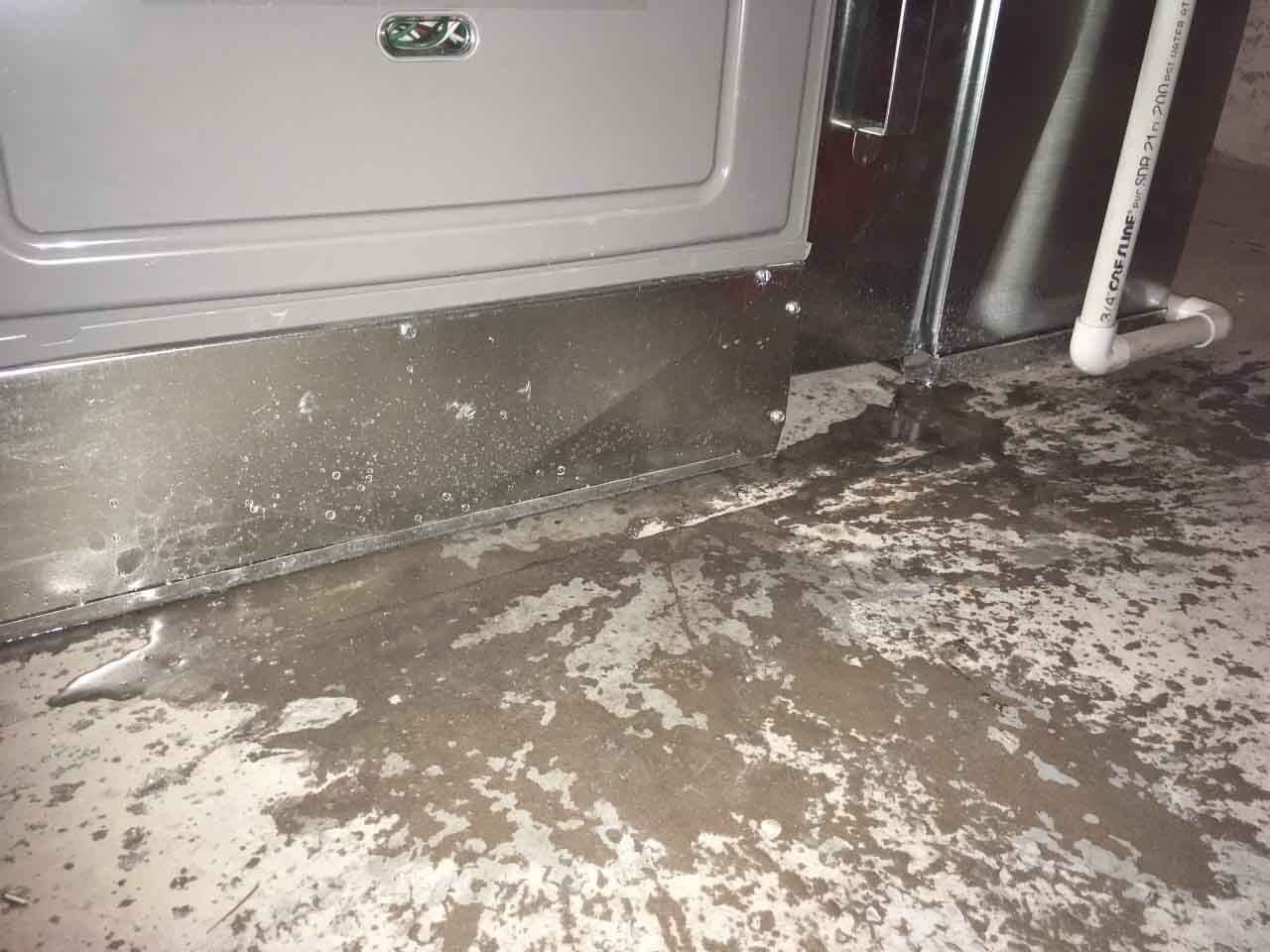
If your AC ducts are leaking water, the issue is typically caused by a clogged condensate drain line, a cracked drain pan, or "sweating" due to poor insulation. To fix it, you must clear blockages, replace damaged pans, or reinsulate ducts to prevent temperature differentials from creating excessive moisture and structural damage.
Finding water dripping from your air conditioning vents or pooling around your ductwork is a significant concern for any homeowner. In 2026, as high-efficiency HVAC systems become the standard, the complexity of moisture management has increased. What might look like a simple leak can often be a symptom of a deeper systemic failure within your cooling system. Left unaddressed, water leakage can lead to catastrophic ceiling collapses, toxic mold growth, and a significant decrease in your home's energy efficiency.
Understanding the mechanics of why your AC ducts are leaking water is the first step toward a permanent solution. This guide breaks down the primary causes, provides a diagnostic framework, and outlines the necessary steps to restore your home’s climate control system to peak performance.
Understanding the Physics of Ductwork Leaks
To effectively solve a water leak in your HVAC system, you must first distinguish between a mechanical leak and a physics-based moisture problem. Air conditioners do not just cool the air; they dehumidify it. As warm air from your home passes over the cold evaporator coils, moisture in the air condenses into liquid water.
Under normal operating conditions, this water is collected in a primary drain pan and channeled out of your home via a condensate drain line. However, when the system fails to contain or transport this liquid, it finds the path of least resistance—often through your ductwork or directly through your ceiling.
The Role of Condensation ("Duct Sweating")
Duct sweating occurs when the temperature of the metal ductwork falls below the dew point of the surrounding air. This is common in unconditioned spaces like attics or crawlspaces. In 2026, with many homes utilizing high-velocity or mini-split systems, the temperature differentials can be extreme. If the insulation surrounding your ducts is thin, damaged, or non-existent, the humid air in your attic will condense on the cold surface of the duct, leading to a steady drip that mimics a mechanical leak.
Immediate Steps to Take When You Spot a Leak
The moment you notice water leaking from your AC ducts, you must act to prevent secondary damage to your home's structure.
- Shut Down the System: Turn off the HVAC unit at the thermostat. This stops the cooling process and the further production of condensate. If the leak is near electrical components, turn off the breaker for the HVAC unit.
- Contain the Water: Place buckets or towels under the leak. If the leak is coming through a ceiling vent, removing the vent cover can help direct the water into a container rather than letting it spread across the drywall.
- Dry the Area: Use a wet/dry vacuum to remove standing water from the drain pan or the floor. Dehumidifiers and fans should be placed in the affected area to prevent mold spores from taking hold.
- Inspect the Air Filter: A surprisingly common cause of water issues is a dirty air filter. Check yours immediately; if it is clogged, it may have caused the coils to freeze, leading to a massive influx of water as they thaw.
Primary Causes of AC Duct Leaks
1. Clogged Condensate Drain Line
This is the most frequent cause of AC-related water damage. The drain line is usually a 3/4-inch PVC pipe that carries water to the exterior of your home. Over time, algae, fungi, and dust can create a "sludge" that blocks the pipe.
When the line is blocked, the water backs up into the primary drain pan. If the pan overflows, or if the backup reaches the internal blower motor, the water will be pushed into the supply plenum and out through the ductwork. Modern systems in 2026 often include a "float switch" that shuts the system down if it detects a backup, but older units or systems with faulty switches will continue to run, leading to significant flooding.
2. Damaged or Rusted Primary Drain Pan
In older HVAC units (typically those 10–15 years old), the drain pan is often made of galvanized steel. Constant exposure to water eventually causes the metal to rust and develop pinhole leaks. Even in newer units with plastic pans, cracks can develop due to improper installation or excessive heat in the attic. If the pan is compromised, water will drip directly into the furnace or air handler cabinet and then find its way into the ducting.
3. Frozen Evaporator Coils
When airflow is restricted (due to dirty filters, blocked returns, or a failing blower motor) or when refrigerant levels are low, the temperature of the evaporator coil drops below freezing. The condensation on the coil turns to ice.
As the ice builds up, it acts as an insulator, making the problem worse until the entire coil is a block of ice. When the system eventually cycles off, this large volume of ice melts rapidly. The sheer volume of water often exceeds the capacity of the drain pan and the drain line, leading to an overflow that enters the ductwork.
4. Poor Duct Insulation
If the water is appearing on the outside of the ducts, the problem is insulation. According to current Energy Star guidelines, ducts in unconditioned spaces must be sealed and insulated to prevent energy loss and condensation.
In humid climates, a breach in the vapor barrier (the outer plastic "skin" of the duct insulation) allows moist air to reach the cold duct. This creates "sweat" that pools and eventually drips through the ceiling. This is particularly common at joints where two sections of ductwork meet if they haven't been properly sealed with mastic or foil tape.
Diagnostic Checklist for Homeowners
Before calling a professional, use this checklist to identify the likely culprit. This can save time and help the technician provide a more accurate estimate.
| Symptom | Potential Cause | Repair Complexity |
|---|---|---|
| Water dripping directly from a ceiling vent | Clogged drain line or frozen coil | Moderate |
| Damp spots on the outside of the ductwork | Poor insulation or vapor barrier breach | High (Labor intensive) |
| Water pooling in the emergency (secondary) pan | Clogged primary line or cracked primary pan | Moderate |
| Ice visible on the copper refrigerant lines | Low refrigerant or air restriction | Professional Required |
| "Sloshing" sound when the AC is running | Massive backup in the plenum/ducts | High |
| Musty or "dirty sock" smell from vents | Biological growth in the ducts/pan | Professional Required |
How to Fix Leaking AC Ducts
Clearing the Drain Line
If the issue is a clog, you can often clear it yourself using a wet/dry vacuum. Attach the vacuum hose to the end of the condensate line (usually found outside the house near the ground) and create a seal using a rag. Run the vacuum for 30–60 seconds to pull the blockage through.
Alternatively, some homeowners use a mixture of distilled vinegar and warm water to kill algae growth inside the line. Note: In 2026, many technicians advise against using bleach, as it can damage the plastic components and specialized coatings in modern high-efficiency evaporators.
Re-insulating Sweating Ducts
If the problem is condensation, you must restore the vapor barrier.
- Identify the damp areas of the ductwork.
- Remove any old, sodden insulation, as wet insulation loses its R-value and promotes mold.
- Clean the metal surface of the duct.
- Apply HVAC-rated mastic sealant to any joints to ensure they are airtight.
- Wrap the duct in new R-8 or higher insulation, ensuring the vapor barrier is taped securely with foil tape (not standard duct tape, which degrades over time).
Replacing the Drain Pan
If you find cracks or rust in the drain pan, it must be replaced. In many air handlers, the pan is integrated into the coil assembly. This often requires a professional to slide the coil out, replace the pan, and re-insert the assembly. If your system has an external secondary pan that is leaking, you can often find replacement pans at HVAC supply houses that can be slid under the unit.
The Risks of Ignoring the Leak
Ignoring water in your ductwork is a gamble with your home's health and value.
- Structural Damage: Water saturated drywall will eventually lose its integrity. A sagging ceiling can collapse without warning, potentially causing injury or destroying furniture.
- Mold and Mildew: Ductwork provides the perfect environment for mold: dark, temperate, and now, moist. Once mold enters the duct system, it is distributed throughout every room in the house when the air is on. This can lead to "Sick Building Syndrome" and chronic respiratory issues.
- Component Failure: Water and electricity do not mix. If water leaks into the furnace's control board or the blower motor, you could face a repair bill in the thousands rather than a simple maintenance fee.
- Reduced Efficiency: If your ducts are wet, your insulation is failing. This means your AC has to work harder to cool the home, leading to higher 2026 utility rates and a shorter lifespan for your equipment.
When to Call a Professional
While clearing a drain line is a DIY task, certain situations require the expertise of an EPA-certified technician:
- Refrigerant Issues: If your coils are freezing due to low refrigerant, it means you have a leak. Handling refrigerant requires specialized licensing and equipment.
- Internal Component Damage: If water has reached the electrical motherboard or the internal motor of your furnace/air handler.
- Extensive Mold Growth: If you see black or green fuzzy growth inside your vents, you need a professional mold remediation and duct cleaning service.
- Complex Duct Access: If the leak is located in a crawlspace or a portion of the attic that is difficult or dangerous to access.
Long-Term Prevention Strategies for 2026
To ensure you don't face another leak, implement a proactive maintenance schedule.
- Install a Smart Float Switch: These devices detect water in the drain pan and instantly cut power to the AC, preventing an overflow. In 2026, many of these integrate with smart home hubs to send an alert to your phone.
- Annual Professional Tune-ups: A technician can check refrigerant levels and clean the coils before the cooling season starts.
- Regular Filter Changes: Use high-quality MERV 8 to MERV 11 filters and change them every 60–90 days. This ensures proper airflow and prevents coil freezing.
- Flush the Lines: Every six months, pour a cup of distilled vinegar down the condensate drain access port to prevent algae buildup.
- Monitor Humidity: Keep indoor humidity levels between 30% and 50%. Excessive indoor humidity increases the likelihood of duct sweating.
FAQ
Why is my AC duct dripping water in the attic?
This is usually caused by "duct sweating." When the cold air inside the duct meets the hot, humid air of the attic, condensation forms on the exterior of the duct. This happens if the insulation is insufficient or if the vapor barrier has been punctured. It can also be caused by a clogged drain line backing up into the main distribution box (plenum).
Can a dirty air filter cause my ducts to leak water?
Yes. A dirty filter restricts airflow over the evaporator coil, causing the temperature to drop too low and the moisture on the coil to freeze. When the ice eventually melts, the volume of water can overwhelm the drain system, causing it to overflow into the ductwork.
Is water leaking from AC ducts dangerous?
While the water itself isn't toxic, the consequences are. It can lead to structural rot, electrical shorts, and mold growth. Mold in the ductwork is a serious health hazard as the spores are blown into every room of the house.
How much does it cost to fix a leaking AC duct?
In 2026, clearing a clogged drain line typically costs between $150 and $300. Replacing a drain pan or repairing frozen coils can range from $400 to $1,200 depending on the parts and labor required. Duct insulation repairs are usually priced by the linear foot or as a flat project fee.
Will my home insurance cover water damage from a leaking AC?
Most standard homeowners insurance policies cover "sudden and accidental" water damage, such as a pipe bursting. However, damage caused by "lack of maintenance," such as a slowly clogging drain line or neglected rust, is often excluded. Check your specific policy for HVAC-related riders.
Final Recommendation
If you encounter water leaking from your AC ducts, immediate intervention is required. Begin by shutting down the system and clearing the condensate drain line with a wet/dry vac. If the leakage persists or if you see ice forming on your unit, contact a licensed HVAC professional immediately. Proactive maintenance, including regular filter changes and annual inspections, remains the most cost-effective way to prevent water damage and ensure your system operates efficiently through the 2026 cooling season.