Aaron Watson’s enduring influence on the country music industry is defined by his unwavering commitment to independence, a grassroots touring model, and a songwriting style that resonates with the traditional values of his Texas roots. By eschewing the conventional Nashville label system for over two decades, Watson has built a sustainable, fan-centric career, demonstrating how an artist can maintain creative control while achieving significant chart success and long-term professional longevity in the modern digital era.
The Foundations of an Independent Career
The trajectory of Aaron Watson is often cited as a masterclass in modern music business strategy. Emerging from the Texas country circuit in the early 2000s, Watson recognized early on that the traditional "major label" path—which often prioritizes radio play and corporate marketing—was not the only route to success. Instead, he cultivated a regional fanbase by prioritizing consistent, high-energy live performances.
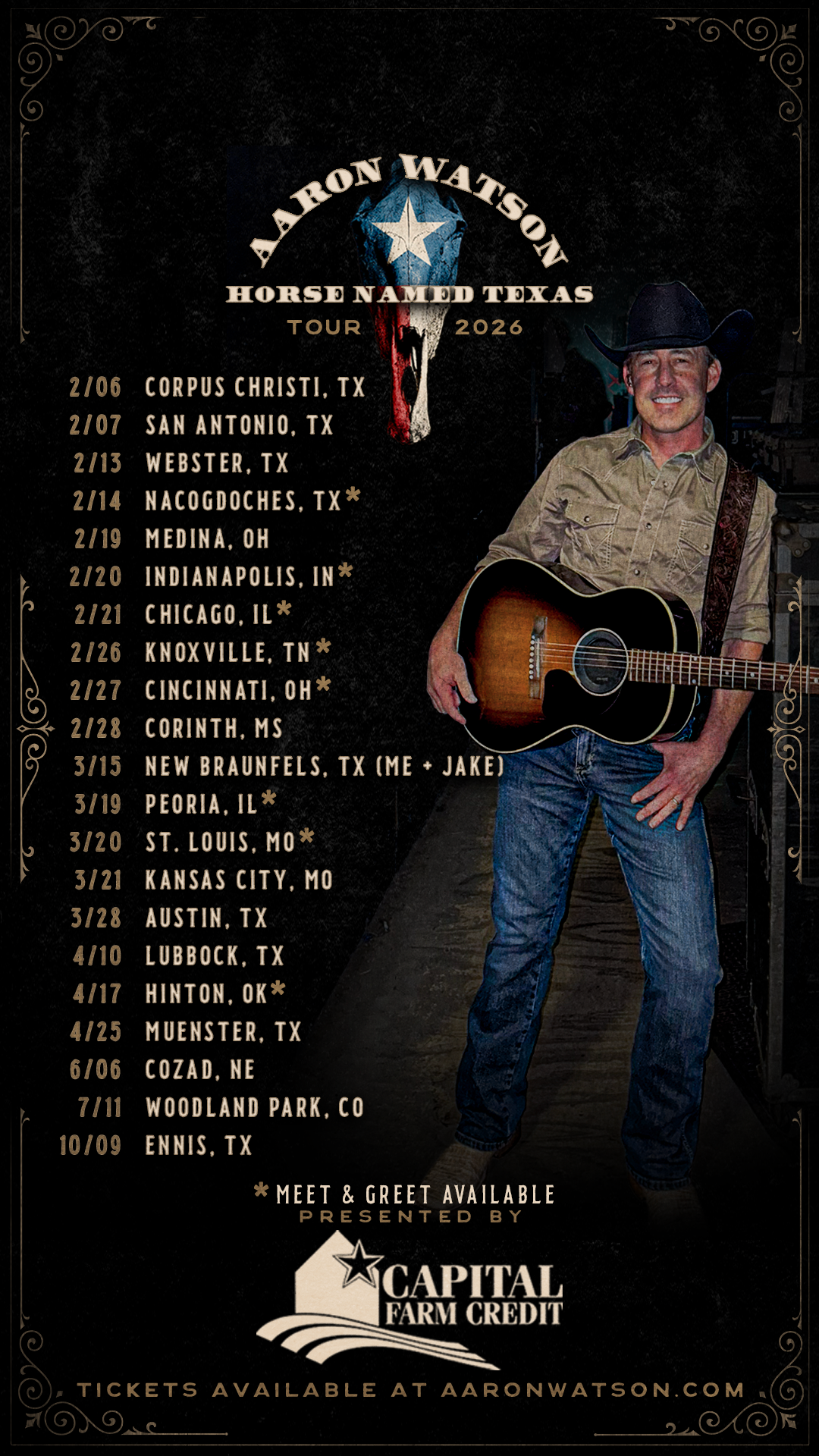
His strategy focused on the "Road Warrior" philosophy. By traveling extensively through Texas and the surrounding states, playing in dance halls, fairs, and clubs, he built a tangible, direct relationship with his audience. This physical proximity to his listener base allowed him to collect data and feedback that larger, label-managed artists often lacked. As of 2026, this foundation remains the bedrock of his operation, proving that geographic loyalty can be leveraged into national and international reach.
The Power of the "Independent" Label Model
While many artists view independence as a limitation, Aaron Watson transformed it into a brand identifier. He founded Big Label Records to manage his own releases, which granted him full sovereignty over his sound, production quality, and visual aesthetic. This decision proved pivotal in 2015 when his album The Underdog debuted at number one on the Billboard Top Country Albums chart. It was the first time an independent male country artist had achieved such a feat without the support of a major label machine.
This achievement shifted the narrative in the industry. It served as a proof-of-concept for other artists who felt marginalized by the rigid structures of music row. Watson’s influence is seen in his ability to negotiate his own distribution deals, maintain ownership of his master recordings, and bypass the traditional gatekeepers of the genre. His business model emphasizes transparency with fans, which has fostered a level of trust that directly contributes to his high ticket sales and merchandise demand.
Analyzing the Growth of Watson’s Cultural Influence
The growth of Watson’s influence is not merely statistical; it is cultural. He represents the "everyman" archetype that many country listeners feel has been lost in the shift toward pop-country crossovers. His lyrics often lean into themes of family, hard work, and rural life, maintaining a thematic consistency that keeps his audience engaged over multiple decades.
Key Factors Driving Audience Loyalty
- Authenticity: By consistently singing about his life in Texas and his family, he creates a parasocial connection with fans who value relatability over spectacle.
- Consistency: His release schedule is predictable and prolific, ensuring that his catalog continues to grow without sacrificing quality.
- Touring Intensity: Watson maintains an aggressive touring schedule, ensuring he remains a visible part of the live music ecosystem year-round.
- Direct-to-Consumer Marketing: By managing his own social media and mailing lists, he speaks directly to his audience without the filter of PR agencies, maintaining an approachable digital presence.
Comparison of Business Models in Country Music
To understand why Watson’s path is so distinct, one must compare it against the conventional label-based model that dominates much of mainstream Nashville. The following table highlights the operational differences that define his influence on the industry.
| Feature | Traditional Major Label Artist | Aaron Watson’s Independent Model |
|---|---|---|
| Master Rights | Owned/Controlled by Label | Owned by Artist |
| Marketing Strategy | Top-Down (Radio/Streaming focus) | Grassroots (Touring/Fan community) |
| Creative Control | Negotiated with A&R teams | Total Artistic Sovereignty |
| Revenue Stream | Label takes majority of percentage | Higher percentage retained by artist |
| Touring Focus | Supports single/album cycle | Constant touring as primary income |
Navigating the Digital Transition
By 2026, the music industry is heavily reliant on algorithmic discovery and streaming metrics. Aaron Watson’s influence has adapted well to these changes because his career was built on high engagement levels rather than temporary viral moments. When platforms like Spotify or Apple Music changed the landscape for how listeners find music, Watson already had a dedicated mailing list and a strong social media following that predated these tools.
He utilized these digital platforms not just to distribute music, but to document the process of his career. By sharing behind-the-scenes content from the road and his home life, he maintained the "independent" persona that his fans admire. This digital infrastructure allows him to market new releases with significantly lower overhead costs than major-label peers, as he is not competing for limited advertising space in the same way, but rather speaking directly to a primed, existing audience.
Challenges of the Independent Route
It is vital to recognize that the path Aaron Watson paved is not without its difficulties. The primary challenge is scale. Without the massive marketing budgets of major labels, an independent artist must work significantly harder to break into non-traditional markets or capture the attention of national media.
Furthermore, the administrative burden of running a record label alongside a full-time touring career requires immense organizational capacity. Watson’s influence is often understated by critics who only look at his radio impact; however, those in the industry recognize that his operational success requires a sophisticated understanding of logistics, tax law, and contract negotiation. For an aspiring musician, the lesson of Watson is that independence requires becoming as much a business executive as an artist.
Evolution of Subject Matter and Tone
A significant portion of Watson’s growth as a public figure comes from the evolution of his songwriting. While early records were firmly rooted in the honky-tonk sound, later work has matured to include more introspective, personal storytelling. This evolution has expanded his demographic, drawing in listeners who may appreciate his business ethics but also find deep emotional resonance in songs about fatherhood and the passage of time.
This shift has solidified his status as an "elder statesman" of the independent scene. He is no longer just a Texas country singer; he is a reference point for younger artists who are navigating their own independence. His willingness to mentor and provide advice to up-and-coming talent in the region has further cemented his influence, ensuring that his impact on the genre will outlast his own touring years.
Future Outlook and Strategic Sustainability
As of 2026, the question is how Watson will continue to maintain his influence as the industry continues to consolidate. His strategy remains one of long-term sustainability rather than explosive, unsustainable growth. By focusing on asset ownership and live performance revenue, he has insulated himself from the volatility of streaming royalty fluctuations.
His future influence will likely be found in his role as a blueprint for the "mid-career" artist. In an industry that often discards performers after a few cycles, Watson provides a roadmap for how to remain relevant by staying true to a core audience and refusing to compromise on the fundamental elements that built the fanbase in the first place.
Frequently Asked Questions
How does Aaron Watson maintain his career without major label support? Watson leverages a robust direct-to-fan marketing strategy, primarily driven by his intense touring schedule and a highly engaged social media presence. By keeping his overhead low and owning his master recordings, he can operate profitably on a smaller scale than artists burdened by massive label recoupment fees.
What is the significance of Big Label Records? Big Label Records is the vehicle for Watson's independence. It allows him to release music on his own timeline, select his own creative collaborators, and retain the financial benefits of his album sales and licensing, which would otherwise be split with a major corporation.
Is Aaron Watson's music only popular in Texas? While Texas remains his strongest geographic market, his influence has expanded nationally. His Billboard chart history, particularly with The Underdog and subsequent albums, confirms that his fanbase extends across the United States, supported by a touring footprint that covers major markets outside of his home state.
Why is his influence considered important for the country music industry? He serves as a primary example that the traditional power structure of Nashville is not a requirement for success. His career provides a tangible, verified case study for other artists to prioritize creative control and fan equity over the risks of conventional label contracts.
What should emerging artists learn from his business model? The most critical takeaway is the necessity of "owning one's house." Watson’s model teaches that artists should prioritize building a sustainable, loyal community over seeking validation through radio hits or major label signings.
Recommendation for Further Exploration
For those interested in the business of independent music, the most effective next step is to analyze the growth of Watson's touring data over the last decade. By comparing his consistent ticket sales with the performance of his studio albums, one can better understand the correlation between live performance frequency and long-term brand equity. Practitioners of the music business should monitor his ongoing shifts in digital strategy, specifically how he transitions from traditional album releases to the increasingly common model of frequent single drops and EP-based content delivery.