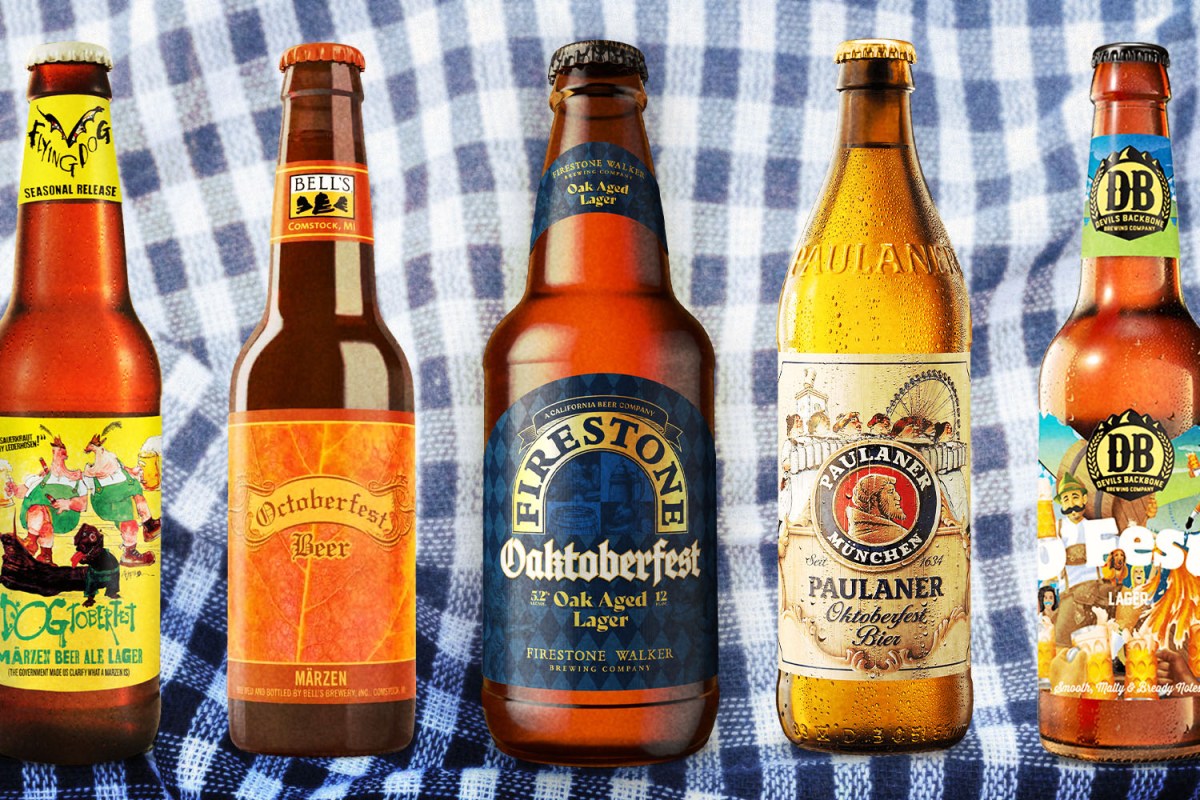
Discerning beer drinkers navigating today’s complex craft landscape seek out exceptional balance, historical integrity, complex fermentation profiles, and master craftsmanship over simple market trends. Selecting the top seven ranked beer choices involves evaluating architectural depth, malt-to-hop ratios, yeast expression, and overall brewing pedigree.
Craft brewing has evolved from a counter-culture movement into a sophisticated culinary discipline. For connoisseurs who appreciate the nuances of a properly executed Saison, the rich complexity of an authentic Trappist dubbel, or the crisp precision of a traditional German pilsner, evaluating beer requires a palate tuned to subtle esters, hop alpha acids, and mineral-driven water profiles. This guide explores seven distinct, highly regarded beer styles and classic benchmark expressions that consistently satisfy advanced palates, offering a roadmap for building a sophisticated home cellar or ordering with confidence at top-tier establishments.
Understanding the Criteria for Discerning Beer Selection
Before exploring specific rankings and choices, it is vital to establish what makes a beer worthy of a discerning drinker's attention. Mass-market lagers prioritize high-speed production and neutral flavor profiles designed for universal appeal. In contrast, selections geared toward connoisseurs focus on flavor integrity, ingredient provenance, traditional execution, and innovative craftsmanship.
Key elements evaluated by advanced drinkers include:
- Malt Complexity: The presence of depth, ranging from bready Pilsner malts to deeply toasted caramel, biscuity Maris Otter, or dark roasted malts yielding notes of espresso and dark chocolate.
- Hop Expression: Whether noble hops deliver floral, spicy, and herbal dimensions, or modern experimental varieties offer precise tropical and citrus notes without masking the grain bill.
- Fermentation Character: Clean lager fermentation versus expressive ale yeast profiles that contribute fruity esters, spicy phenols, or funky, earthy brettanomyces notes.
- Mouthfeel and Carbonation: The tactile sensation of the liquid, driven by carbonation levels, protein content, and residual sugars, which dictates overall drinkability and finish.
1. Traditional Bohemian Pilsner: The Benchmark of Lager Craft
The Bohemian Pilsner stands as the progenitor of all golden pale lagers, originating in the city of Plzeň, Bohemia (now the Czech Republic) in 1842. For discerning drinkers, an authentic Bohemian Pilsner represents the ultimate test of a brewery's technical precision. Because these beers feature simple grain bills dominated by soft water and pale malt, any brewing flaw is instantly exposed.
The hallmark of this style is its use of Saaz hops, a noble variety imparting an earthy, gently spicy bitterness rather than harsh, aggressive pungency. Deccoction mashing—a traditional process where a portion of the mash is removed, boiled, and returned—builds a rich, malty backbone that grounds the crisp finish.
- Flavor Profile: Bready malt sweetness up front, transitioning into a firm, herbal, and lingering spicy hop bitterness.
- Serving Recommendation: Served in a heavily frosted or chilled dimpled mug at around 40°F to 44°F to allow the delicate malt notes to emerge as the temperature rises slightly.
- Why It Appeals to Connoisseurs: It rewards attention to detail; the interplay between soft regional water chemistry and Saaz hop nobility cannot easily be replicated.
2. Authentic Trappist Dubbel: Monastic Heritage and Deep Fermentation Complexity
Produced under the strict regulations of the International Trappist Association, authentic Trappist ales represent centuries of brewing tradition rooted in European monasteries. While Westvleteren 12 and Rochefort 10 often capture headlines for their immense strength, the Dubbel style offers arguably a more harmonious balance of dark fruit complexity and drinkability.
A true Trappist Dubbel relies on specialty dark candi sugar, which contributes notes of dark plum, raisin, and fig without adding an overly heavy body. The unique yeast strains utilized by these abbeys produce distinct phenolic compounds, offering hints of clove, pepper, and subtle banana that weave through the rich malt profile.
| Attribute | Characteristic |
|---|---|
| Typical ABV | 6.5% – 8.0% |
| Primary Malts | Pilsner, Munich, Caramunich |
| Key Yeast Traits | High attenuation, dark fruit esters, subtle spice |
| Ideal Glassware | Trappist Chalice or Goblet |
- Aging Potential: High-ABV Trappist ales possess excellent cellaring potential, evolving over several years as sharp alcoholic edges soften into smooth sherry-like notes.
- Culinary Pairing: Pairs exceptionally well with aged Gouda, wild game, or rich stews.
3. Artisanal Belgian Saison: Farmhouse Ale Elegance
Saison, originating from the French-speaking Wallonia region of Belgium, was historically brewed during the cooler months by farm workers to provide a refreshing, thirst-quenching beverage for harvest season. Today, it remains one of the most intellectually satisfying styles for advanced beer drinkers due to its complex, wild, and unpredictable nature.
Modern craft interpretations honor this heritage by employing open fermentation vessels and expressive farmhouse yeast strains capable of operating at elevated temperatures. This warmth encourages the production of spicy, peppery phenols alongside bright citrus and orchard fruit esters.
- Dry Finish: Saisons are characterized by high attenuation, leaving a bone-dry finish that cleanses the palate after every sip.
- Carbonation: High effervescence creates a champagne-like mouthfeel, lifting delicate aromas out of the glass.
- Sub-styles: Ranging from light, pale session versions to darker, wood-aged interpretations infused with Brettanomyces.
4. Barrel-Aged Imperial Stout: Depth, Time, and Oaked Complexity
For drinkers who appreciate deep, contemplative sipping experiences, the barrel-aged Imperial Stout stands as a monumental achievement in modern brewing. By taking a high-gravity, intensely roasty stout and aging it in freshly emptied spirits barrels—most commonly bourbon, rye whiskey, or rum—brewers create a liquid matrix of immense depth.
The wood allows micro-oxygenation to mellow harsh roasted grain edges while imparting flavors of vanilla, coconut, charred oak, and residual spirit character. These beers demand patience, evolving significantly in the glass as they warm from cellar temperature to ambient room temperature.
- Key Characteristics: Viscous mouthfeel, notes of dark chocolate, espresso, leather, tobacco, and warming alcohol.
- Serving Strategy: Pour in small quantities (4 to 6 ounces) in a snifter glass and let it breathe for 15 to 20 minutes before tasting.
- Sourcing Caution: Due to limited barrel availability and labor-intensive processes, these releases are often allocated, requiring tracking of seasonal brewery drops.
5. Authentic German Märzen/Festbier: Malt-Forward Masterpieces
Often associated with the global Oktoberfest celebration, authentic German Märzen and Festbier styles showcase the pinnacle of lager malt manipulation. While industrial American lagers lean toward adjuncts like corn and rice for lightness, traditional German lagers celebrate 100% barley malt perfection.
The Märzen style utilizes rich Munich and Vienna malts to produce a deep amber hue and a profile dominated by toasted bread crusts, subtle caramel, and a clean, dry finish. The modern Festbier, served in Munich tents today, is slightly lighter in color and body but maintains the same malt-centric philosophy with crisp, lagered refreshment.
- Balance: Despite heavy malt presence, hop bitterness is carefully calculated to ensure the beer remains refreshing rather than cloying or sweet.
- Brewing Laws: Adherence to the historic Reinheitsgebot (German purity law) ensures only water, barley malt, hops, and yeast are utilized.
6. Classic English Extra Special Bitter (ESB): Balance and British Tradition
Despite the word "Bitter" in its name, an authentic English Extra Special Bitter is an exercise in sublime balance rather than face-melting hop intensity. Hailing from the British Isles, this style prioritizes a biscuity, nutty, and slightly caramel-forward malt bill supplied by foundational malts like Maris Otter.
English hop varieties such as East Kent Goldings and Fuggles contribute earthy, floral, and subtle woody characteristics. When served via traditional cask-conditioning engines (real ale) at cellar temperatures with low, natural carbonation, an ESB offers unmatched softness and drinkability.
- Profile Overview: Low carbonation, creamy mouthfeel, medium-low bitterness, and prominent malt complexity.
- Why Connoisseurs Love It: It serves as a masterclass in subtlety, proving that a beer does not need extreme alcohol or aggressive adjuncts to command attention.
7. Complex American Wild Ale (Mixed-Fermentation): Acidity and Funk
American Wild Ale represents a contemporary frontier in brewing, combining traditional Belgian wild fermentation techniques with modern craft innovation. Brewers inoculate worts with microflora such as Brettanomyces, Lactobacillus, and Pediococcus, often aging the beer in oak barrels alongside locally sourced stone fruits, berries, or grapes.
The result is a complex beverage defined by refreshing acidity, barnyard funk, fruit leather, and vinous qualities. No two batches are identical, making each bottle a unique snapshot of microbial art and barrel aging dynamics.
- Sensory Experience: Tart, refreshing, complex, and deeply aromatic, challenging preconceptions about what beer can taste like.
- Food Pairing: The natural acidity acts much like dry white wine, pairing brilliantly with rich cheeses, charcuterie, and seafood.
Comparative Overview of Discerning Beer Choices
| Beer Choice | Primary Flavor Focus | Typical ABV Range | Ideal Serving Temp | Best For |
|---|---|---|---|---|
| Bohemian Pilsner | Bready malt & spicy hops | 4.2% – 5.4% | 40°F – 44°F | Crisp refreshment & technical appreciation |
| Trappist Dubbel | Dark fruit, plum, spice | 6.5% – 8.0% | 48°F – 52°F | Cellaring & rich food pairings |
| Belgian Saison | Peppery spice, dry citrus | 5.0% – 7.5% | 45°F – 50°F | Spring/summer dining & effervescence |
| Barrel-Aged Stout | Bourbon, vanilla, cocoa | 10.0% – 14.0% | 55°F – 60°F | Slow sipping & meditative tasting |
| Märzen / Festbier | Toasted crust, rich malt | 5.6% – 6.3% | 45°F – 48°F | Traditional malt celebration |
| English ESB | Nutty malt, earthy hops | 4.8% – 6.0% | 50°F – 55°F | Pub dining & understated balance |
| American Wild Ale | Tart fruit, oak, funk | 5.0% – 9.0% | 48°F – 52°F | Wine drinkers crossing over to beer |
Frequently Asked Questions
What makes a beer suitable for cellaring and aging?
Beers with higher alcohol by volume (typically above 8%), robust malt bills, high levels of natural acidity, or those aged in wooden barrels possess the structural integrity required for aging. Styles like Imperial Stouts, Belgian Trappist ales, and certain wild ales develop complex oxidation notes—such as leather, dried fruit, and sherry—over months or years.
Why do different beer styles require specific glassware?
Glassware is engineered to enhance the sensory experience. Chalices and goblets help maintain the dense head and direct aromatic compounds of high-ABV Belgian ales toward the nose. Tapered pilsner glasses concentrate crisp carbonation and hop bouquets, while wide-mouthed snifters allow heavy barrel-aged aromas to bloom as the liquid warms.
How does water chemistry impact beer quality?
Water makes up over 90% of finished beer. Regional mineral profiles—such as the soft, low-mineral water of Plzeň that creates a delicate pilsner, versus the gypsum-rich water of Burton-on-Trent that accentuates hop bitterness in pale ales—fundamentally shape the final flavor profile and structural balance of every brew.
Is cask-conditioned ale different from standard bottled beer?
Yes. Cask-conditioned ale (often called "real ale") undergoes secondary fermentation inside the serving cask without external carbon dioxide added. It is served unfiltered, unpasteurized, and at warmer cellar temperatures via a hand pump, resulting in a softer mouthfeel and more expressive malt and yeast characteristics.
How should rare or high-end craft beers be stored?
Store bottles upright in a cool, dark environment with stable temperatures (ideally between 50°F and 55°F). Avoid exposure to direct sunlight or fluorescent lighting, which can cause beer to become "lightstruck" (skunky) within minutes, particularly in clear or green glass bottles.
Practical Next Steps for Connoisseurs
Expanding your appreciation of fine beer requires moving beyond passive consumption to active, intentional tasting. Begin by auditing your local specialty bottle shop or seeking out established taprooms focusing on imported European traditions and barrel-aged programs.
- Build a Tasting Flight: Select three contrasting styles from this list—such as a Bohemian Pilsner, a Belgian Saison, and a Barrel-Aged Stout—to experience the vast spectrum of malt and yeast expressions.
- Invest in Proper Glassware: Acquire a basic set of tulip glasses and pilsner flutes to ensure optimal temperature retention and aroma delivery.
- Keep a Tasting Journal: Record tasting notes, including appearance, aroma, initial palate impression, finish, and overall balance to refine your personal palate over time.