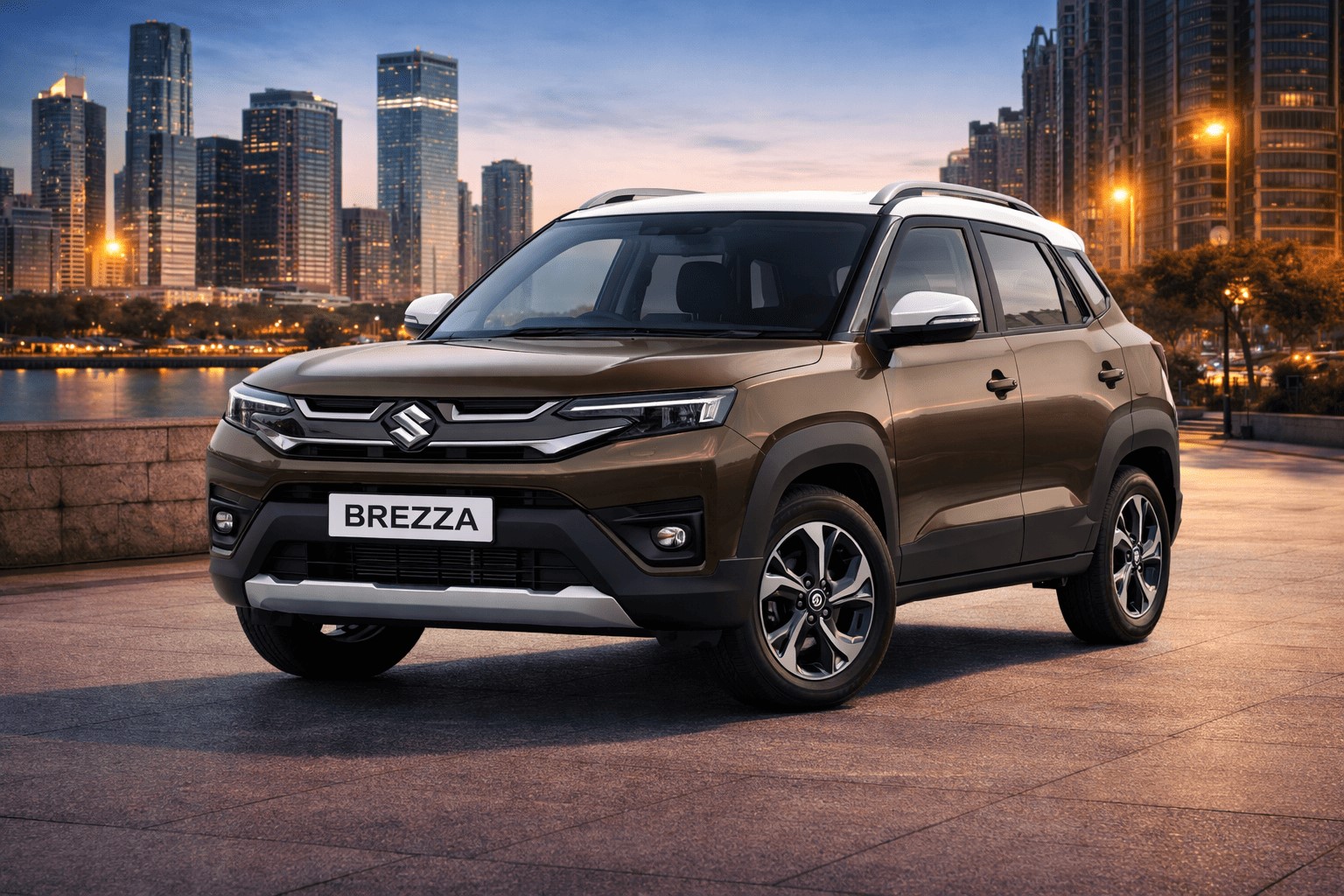
For buyers in 2026, the best Indian SUVs under ₹15 lakhs (ex-showroom) are the Tata Nexon, Mahindra XUV 3XO, Hyundai Creta, Maruti Suzuki Brezza, and the Mahindra Thar RWD. These vehicles offer a balanced mix of 5-star safety ratings, advanced Level 2 ADAS features, high fuel efficiency, and premium cabin technology, catering to both urban commutes and long-distance travel.
The Indian automotive landscape in 2026 is defined by a fierce competition between sub-compact and mid-size SUVs. With a budget of ₹15 lakhs, consumers are no longer restricted to entry-level trims. Instead, this price point has become the "sweet spot" where buyers can access high-end safety features, turbocharged performance, and sophisticated infotainment systems. Whether you prioritize the ruggedness of a lifestyle vehicle or the refined comfort of a family cruiser, the following five picks represent the pinnacle of value in the current market.
1. Tata Nexon: The Safety and Tech Benchmark
The Tata Nexon continues its reign in 2026 as one of the most balanced offerings in the sub-four-meter segment. Having undergone significant structural and technological refinements over the last few years, the Nexon remains a top choice for those who refuse to compromise on occupant protection.
Safety and Structural Integrity
The Nexon was the first Indian car to achieve a 5-star Global NCAP rating, and in 2026, it maintains this legacy under the more stringent Bharat NCAP (BNCAP) protocols. The vehicle’s high-strength steel construction is designed to absorb high-impact energy, protecting the cabin. Standard safety features across almost all trims now include six airbags, Electronic Stability Program (ESP), and ISOFIX child seat mounts. In the mid-to-high variants falling under the 15-lakh bracket, you also find a 360-degree high-definition camera system and blind-view monitoring.
Performance and Transmission Options
Tata offers a versatile range of powertrains for the Nexon. The 1.2L Revotron turbo-petrol engine provides a punchy driving experience, especially when paired with the 7-speed Dual Clutch-type (DCA) transmission. This gearbox is a standout in 2026, offering seamless shifts that eliminate the "head-nod" effect often associated with older Automated Manual Transmissions (AMTs). For high-mileage users, the 1.5L Revotorq diesel engine remains available, providing exceptional highway torque and fuel economy.
Cabin Experience and Features
Inside, the Nexon feels like a vehicle from a segment above. The 12.3-inch cinematic touchscreen infotainment by HARMAN is the centerpiece, supporting wireless Android Auto and Apple CarPlay. The inclusion of ventilated front seats is a major boon in the Indian climate, and the "Arcade.ev" app suite (borrowed from its electric sibling) allows for video streaming and games while the vehicle is parked.
2. Mahindra XUV 3XO: The Performance Powerhouse
Replacing the older XUV300 legacy, the Mahindra XUV 3XO has disrupted the under-15-lakh segment with features that were previously exclusive to luxury SUVs. It focuses on two main pillars: segment-leading performance and "first-in-class" features.
Engine Dynamics
The XUV 3XO features the mStallion TGDi petrol engine, which delivers the highest torque in its class. This makes the 3XO remarkably quick, capable of 0-60 km/h sprints that rival much more expensive vehicles. Mahindra has tuned the suspension to handle Indian potholes with ease while maintaining high-speed stability. The availability of a 6-speed torque converter automatic gearbox provides a more reliable and smoother experience than the AMTs found in some competitors.
The "Skyroof" and Level 2 ADAS
One of the biggest draws for the XUV 3XO is the panoramic sunroof, which Mahindra brands as the "Skyroof." This is the largest in the sub-compact segment, significantly enhancing the sense of space inside the cabin. Furthermore, Mahindra has democratized safety by offering Level 2 ADAS (Advanced Driver Assistance Systems) in variants that sit just under the 15-lakh mark. This includes autonomous emergency braking, lane-keep assist, and adaptive cruise control, making it one of the most technologically advanced picks for 2026.
Interior Space
The XUV 3XO boasts the longest wheelbase in its category. This translates directly to rear-seat legroom, making it one of the few sub-four-meter SUVs that can genuinely seat three adults in the back comfortably. The 2026 model also addressed previous concerns regarding boot space, offering a revised layout that accommodates family luggage more effectively.
3. Hyundai Creta: The Premium All-Rounder
While the higher trims of the Hyundai Creta exceed the 20-lakh mark, the mid-spec variants (such as the S and S+ versions) remain formidable contenders under 15 lakhs. The Creta is the quintessential "complete package," offering a refined driving experience and a high resale value.
Refined Powertrains
Hyundai’s 1.5L naturally aspirated petrol engine is known for its smoothness and silent idle. In the 2026 market, this engine is preferred by urban dwellers who prioritize a jerk-free driving experience in bumper-to-bumper traffic. The manual gearbox is light, and the clutch action is effortless. For those looking for more efficiency, the 1.5L U2 CRDi diesel engine remains a favorite for long-distance touring.
Ergonomics and Interior Quality
The Creta’s cabin is a masterclass in ergonomics. Every button and dial is exactly where you expect it to be. Even in the mid-trims, the quality of plastics and fabric upholstery feels premium. The 2026 Creta features a revised dashboard with an integrated dual-screen setup that gives it a futuristic look. Hyundai’s BlueLink connected car technology is also a major highlight, allowing owners to remotely start the engine, check fuel levels, and track the vehicle via a smartphone.
Ride Quality
The suspension tuning of the Creta is biased toward comfort. It glides over minor undulations and provides a plush ride that is often preferred by families with elderly passengers. The steering is light at low speeds, making it exceptionally easy to park in tight city spots, yet it gains sufficient weight on the highway to inspire confidence.
4. Maruti Suzuki Brezza: The Rational Choice
The Maruti Suzuki Brezza remains the most sensible choice for the pragmatic Indian buyer in 2026. Its focus is on low cost of ownership, high fuel efficiency, and a robust service network that reaches the farthest corners of the country.
Smart Hybrid Technology
The Brezza is powered by the 1.5L K15C DualJet petrol engine equipped with Smart Hybrid technology. This system uses an integrated starter generator (ISG) to assist the engine during acceleration and enables a highly effective idle start-stop system. In 2026, where fuel prices are a constant concern, the Brezza’s ability to deliver consistent double-digit mileage in city traffic makes it a top-tier contender.
Durability and Maintenance
Built on the Suzuki TECT platform, the Brezza feels solid and planted. Maruti has focused on long-term reliability; the mechanical components are designed for longevity and are inexpensive to repair. This SUV holds its value better than almost any other car in the Indian market, ensuring that the owner gets a significant return when it's time to trade in for a new model.
Functional Features
While it may not have the largest sunroof or the fastest engine, the Brezza provides features that owners use daily. This includes a clear heads-up display (HUD), a 360-view camera, and a very effective climate control system. The 2026 model also includes wireless charging and a revamped infotainment system that is snappy and easy to navigate.
5. Mahindra Thar RWD: The Lifestyle Statement
For those who want an SUV that stands out and offers a "go-anywhere" image without needing 4x4 capabilities for daily use, the Mahindra Thar RWD (Rear Wheel Drive) is the perfect pick under 15 lakhs.
The 1.5L Diesel Advantage
The Thar RWD utilizes a 1.5L D117 CRDe diesel engine. Because this engine is smaller than the one in the 4x4 version, it benefits from lower excise duties, allowing Mahindra to price it aggressively under 15 lakhs. This engine provides ample torque for highway cruising and city driving, and it is significantly more fuel-efficient than the larger 2.2L diesel.
Ruggedness and Presence
The primary reason to buy a Thar is its presence. It offers high ground clearance, massive 18-inch alloy wheels, and a commanding seating position that allows the driver to see over most other cars. In 2026, the Thar RWD has received updates to its interior, including a better touchscreen and improved cushioning for the rear seats, making it more viable as a primary vehicle.
Limitations as a Family Car
It is important to note that the Thar is a three-door SUV. While it fits the budget and offers an unmatched lifestyle quotient, ingress and egress for rear passengers can be a challenge. It is best suited for young professionals, couples, or as a second vehicle in the household.
Comparison Table: Best Indian SUVs Under 15 Lakhs (2026)
| Model | Engine Type | BNCAP Safety | Key USP | Estimated Ex-Showroom (Mid-Trims) |
|---|---|---|---|---|
| Tata Nexon | 1.2L Petrol / 1.5L Diesel | 5 Stars | High-tech features & 5-star safety | ₹11.5 - ₹14.8 Lakh |
| Mahindra XUV 3XO | 1.2L Turbo Petrol / 1.5L Diesel | 5 Stars (Expected) | Level 2 ADAS & Panoramic Sunroof | ₹10.5 - ₹14.5 Lakh |
| Hyundai Creta | 1.5L Petrol / 1.5L Diesel | 4 Stars | Refinement & Resale Value | ₹12.8 - ₹14.9 Lakh |
| Maruti Brezza | 1.5L Smart Hybrid Petrol | 4 Stars | Reliability & Fuel Efficiency | ₹11.0 - ₹14.2 Lakh |
| Mahindra Thar RWD | 1.5L Diesel / 2.0L Petrol | 4 Stars | Iconic Design & Road Presence | ₹12.0 - ₹13.5 Lakh |
Key Considerations Before Finalizing Your Purchase
Choosing the right SUV requires looking beyond the brochure. In 2026, several factors have become critical in the decision-making process for Indian car buyers.
1. Transmission Choice: AMT vs. Torque Converter vs. DCT
With increasing traffic congestion, automatic transmissions are now the preference.
- AMT (Automated Manual): Found in lower variants of the Nexon. It's cost-effective but can feel jerky.
- Torque Converter: Found in the Brezza and XUV 3XO. It is the most reliable and smooth for long-term use.
- DCT/DCA: Found in the Nexon and Creta. It offers the fastest shifts and a sporty feel but can be sensitive to overheating in heavy "crawl" traffic.
2. Safety Beyond Ratings
While a 5-star rating is vital, look for active safety features. In 2026, Electronic Stability Control (ESC) and Hill-Hold Assist are non-negotiable for SUVs due to their higher center of gravity. If your budget allows, prioritize variants with six airbags and 360-degree cameras, as these significantly reduce the risk of low-speed collisions and improve passenger safety during rollovers.
3. Fuel Type and "Real-World" Mileage
Diesel engines are still viable in 2026 for those driving more than 1,500 km per month. However, with the narrowing gap between petrol and diesel prices and the complexities of BS7 (Bharat Stage 7) emission norms, many buyers are switching to Turbo-Petrol engines. Be aware that Turbo-Petrol engines are sensitive to driving style; aggressive throttle input can drop mileage to single digits, whereas a light foot can yield excellent results.
4. After-Sales Support and Maintenance
A car is a long-term investment. Maruti Suzuki and Hyundai have the most extensive service networks in India. Tata and Mahindra have improved significantly by 2026, but wait times for spare parts can occasionally be longer for their newer, tech-heavy models. Always check the proximity of the authorized service center to your residence or workplace.
Maintenance and Ownership Costs
Under the ₹15 lakh segment, maintenance costs typically range from ₹6,000 to ₹12,000 per year for the first five years, depending on the fuel type and usage.
- Maruti Brezza: Generally the cheapest to maintain due to high localization and simple engine architecture.
- Tata and Mahindra: Maintenance costs have stabilized, but the complex electronics in ADAS-equipped variants (like the XUV 3XO) may require specialized calibration during service, slightly increasing costs.
- Hyundai: Offers excellent service packages (like "Shield of Trust") which can prepay maintenance and protect against inflation in spare part prices.
Always factor in the cost of insurance. In 2026, premiums for SUVs are slightly higher due to their classification. Opting for "Return to Invoice" and "Zero Depreciation" add-ons is highly recommended for vehicles in this price bracket to protect your investment from total loss or expensive plastic part repairs.
Frequently Asked Questions
Which SUV under 15 lakhs is best for a family of five?
The Hyundai Creta (mid-trims) and the Mahindra XUV 3XO are the best choices for families. The Creta offers superior rear-seat comfort and suspension tuning, while the XUV 3XO provides the widest rear bench and the most legroom in the sub-four-meter category. Both vehicles ensure that three passengers in the back don't feel overly cramped.
Is it worth buying a diesel SUV in 2026?
Yes, if your annual running exceeds 15,000–18,000 km. Modern diesel engines in the Nexon, XUV 3XO, and Creta are highly refined and offer much better highway range than their petrol counterparts. However, for short city commutes, a petrol or hybrid SUV is better to avoid issues with Diesel Particulate Filter (DPF) clogging, which is a common occurrence in 2026 BS7-compliant vehicles used only for short distances.
Does the Mahindra Thar RWD perform well off-road?
The Thar RWD is designed primarily for "soft-roading" and lifestyle appeal. It can handle broken roads, trails, and minor mud much better than a standard hatchback due to its high ground clearance and tough chassis. However, it lacks the 4x4 transfer case needed for serious off-roading, such as deep sand, heavy mud, or steep rocky inclines. For those tasks, the 4x4 variant is necessary.
Which SUV has the best resale value in this segment?
The Maruti Suzuki Brezza and Hyundai Creta consistently hold the highest resale value in the Indian market. The massive demand for these vehicles in the used car market ensures that even after 5 years of use, owners can expect a significant portion of their original investment back.
What is the importance of ADAS in 2026?
Advanced Driver Assistance Systems (ADAS) like those in the XUV 3XO provide an extra layer of safety. Features like Autonomous Emergency Braking can prevent collisions if the driver is distracted, while Lane Keep Assist helps during long, fatiguing highway drives. In 2026, ADAS is becoming a standard expectation for resale, meaning cars without it might depreciate faster.
Final Recommendation
If you are looking for the absolute best value under ₹15 lakhs in 2026, the Mahindra XUV 3XO is the current champion in terms of pure features and performance. However, if safety and a high-tech cabin are your primary concerns, the Tata Nexon is nearly impossible to beat. For the conservative buyer who wants peace of mind and high resale, the Maruti Brezza remains the gold standard.
Before making your final decision, visit dealerships for a back-to-back test drive. Pay close attention to the "blind spots" from the driver's seat and the ease of getting in and out of the rear seats, as these practicalities often matter more than the spec sheet in daily ownership.