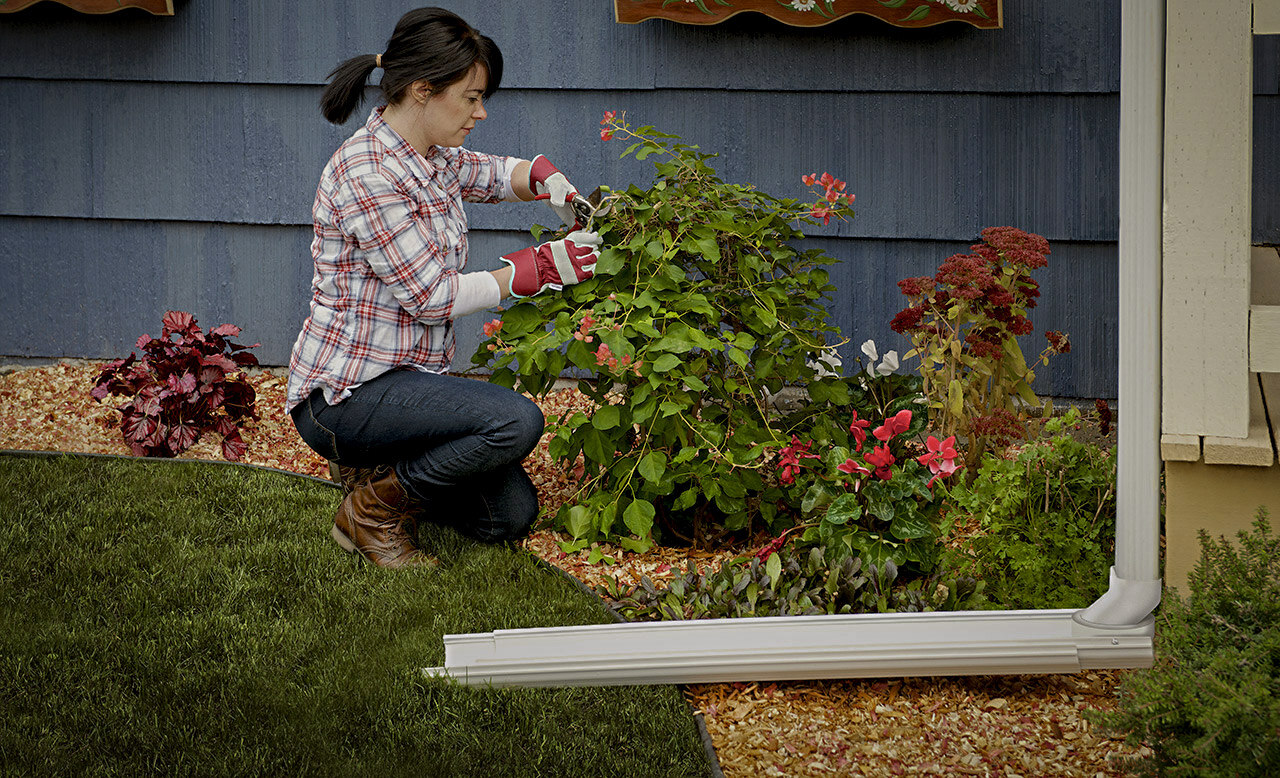
Protecting a home’s foundation through strategic landscaping involves managing surface water runoff, controlling soil moisture levels near the perimeter, and preventing root intrusion from large trees or shrubs. By grading soil away from exterior walls, installing proper drainage systems, selecting drought-tolerant plants with non-invasive root structures, applying protective mulch buffers, and maintaining consistent moisture levels during dry spells, homeowners can significantly reduce the risk of structural cracks, shifting, and costly basement water damage.
The structural integrity of a residential or commercial building depends heavily on what happens immediately outside its walls. While most homeowners focus on interior maintenance, roofing, or siding, the ground surrounding the structure plays the most critical role in keeping the foundation safe, dry, and stable. Soil dynamics—particularly the expansion and contraction of clay-heavy earth—can exert immense hydrostatic pressure against concrete or masonry foundations. When left unmanaged, poor landscaping allows rainwater, snowmelt, and aggressive vegetation to compromise the sub-structure, leading to cracks, bowing walls, and severe moisture intrusion. Implementing smart, functional landscaping strategies is not merely an aesthetic enhancement; it is an essential engineering defense mechanism for your property.
1. Establish Proper Grading and Slope Management
The single most effective defense against foundation water damage is maintaining a positive slope in the soil surrounding your home. Grading refers to the contouring of the earth to ensure that surface water flows naturally away from the perimeter rather than pooling near the foundation walls.
Understanding the Mechanics of Soil Slope
When it rains, every square foot of your roof and surrounding lawn sheds water. If your yard is flat, bowls inward toward the house, or slopes downward toward the basement windows, that water will accumulate directly against the exterior foundation walls. Over time, hydrostatic pressure builds up in the soil, forcing water through hairline cracks and causing the earth to exert physical pressure that can crack or displace concrete blocks and poured foundations.
According to standard building guidelines, the ground should slope away from the foundation at a minimum grade of 6 inches within the first 10 feet. If your property does not meet this standard, you will need to add topsoil and re-grade the perimeter.
Step-by-Step Regrading Process
- Assess the Perimeter: Walk around your home during or immediately after a heavy rainstorm. Identify any puddles, standing water, or areas where water flows toward the foundation rather than away from it.
- Clear Existing Vegetation: Remove mulch, decorative rock, and flower beds within 3 to 5 feet of the foundation so you can see the bare soil profile.
- Add Soil Layers: Use a dense, clay-rich topsoil rather than loose sandy loam. Clay is less permeable and helps shed water away more effectively.
- Pack and Smooth: Shovel the soil against the foundation wall, creating a steep decline that tapers off gently as it reaches the 10-foot mark. Tamp down the soil firmly to prevent rapid erosion during the next rain event.
- Cover and Protect: Reapply sod, ground cover, or protective landscaping materials over the new grade to anchor the soil in place.
2. Install French Drains and Surface Water Management Systems
Even with a well-graded yard, heavy downpours can overwhelm natural drainage, particularly in regions with high water tables or dense clay subsoils. Integrating engineered drainage solutions into your landscaping ensures that excess water is intercepted and safely channeled away before it can saturate the foundation zone.
French Drains: Subsurface Water Removal
A French drain consists of a trench filled with gravel or rock and a perforated pipe that redirects groundwater away from a problem area.
- Placement: These systems are typically installed along the uphill side of a home or parallel to foundation walls where water naturally accumulates.
- Function: As groundwater rises through the surrounding soil, it enters the gravel trench, flows into the perforated pipe via gravity, and is carried away to a discharge point further down the property, a storm sewer, or a dry well.
Surface Catch Basins and Swales
For surface water—such as runoff cascading off a sloped backyard—grass swales and catch basins offer an effective alternative. A swale is a broad, shallow, grass-lined ditch designed to capture and redirect surface runoff slowly. Catch basins (or drain basins) act as collection points for standing yard water, tying into solid PVC underground pipes that carry the water away from the structure.
| Drainage Solution | Primary Use Case | Installation Complexity | Maintenance Requirements |
|---|---|---|---|
| French Drain | Subsurface groundwater and high water tables | Moderate to High | Low (occasional flushing to clear silt) |
| Swale | Surface runoff and broad yard slopes | Low to Moderate | Medium (mowing, erosion control) |
| Catch Basin | Low spots, patios, and concentrated puddles | Moderate | Medium (debris removal from grates) |
| Extension Spouts | Gutter discharge redirection | Low | Low (visual checks for clogs) |
3. Choose Foundation-Safe Plants and Manage Tree Root Zones
While lush vegetation enhances curb appeal, planting the wrong trees or shrubs too close to a foundation can spell disaster for concrete structures. Selecting appropriate plant species and maintaining safe planting distances prevents root intrusion and moisture imbalance.
The Dangers of Ingress and Moisture Theft
Large shade trees, such as willows, poplars, maples, and ashes, possess massive root systems that can stretch out two to three times the width of the tree's canopy.
- Moisture Depletion: During dry summer months, thirsty tree roots pull massive amounts of moisture out of the surrounding soil. If those roots are growing beneath or adjacent to your foundation, they will dry out clay soil unevenly. As clay dries, it shrinks drastically, causing the foundation to settle and crack.
- Mechanical Pressure: While roots rarely crack sound concrete directly, they can exploit existing hairline cracks, widening them as the roots expand in girth.
Safe Planting Distances and Species Selection
As a general rule of thumb, large trees should be planted at least 20 to 30 feet away from the foundation. Smaller ornamental trees and large shrubs should maintain a minimum distance of 10 to 15 feet.
Recommended Foundation-Friendly Choices:
- Dwarf Evergreens: Boxwoods, arborvitae, and dwarf conifers have compact, manageable root systems.
- Ornamental Grasses: Feather reed grass and blue fescue require minimal water and pose no threat to structural integrity.
- Perennials: Daylilies, hostas, and lavender thrive in standard garden beds without demanding deep root networks.
4. Implement Protective Mulch Buffers and Rock Beds
Mulch and decorative stone serve a dual purpose in foundation landscaping: they elevate aesthetics while functioning as thermal and moisture regulators for the soil directly adjacent to your home.
The Role of Mulch Depth and Material
Organic mulch (such as shredded hardwood bark) helps retain soil moisture, which is beneficial for garden beds but can be hazardous if placed in direct contact with your foundation walls.
- Avoid Piling Against Siding: Piling mulch high against brick, wood, or vinyl siding creates an ideal highway for termites, carpenter ants, and other wood-boring pests. It also traps moisture against the wall, encouraging mold growth and rot.
- The 6-Inch Rule: Maintain a gap of at least 6 inches between the top of your mulch bed and the bottom of your siding or stucco. Keep the mulch layer no deeper than 2 to 3 inches to prevent anaerobic conditions from forming in the soil.
Transitioning to Decorative Stone
Many homeowners living in high-moisture climates opt for a decorative stone or gravel bed (often called a "drip edge") immediately adjacent to the foundation walls.
- Width: Extend the stone border 18 to 24 inches out from the foundation.
- Function: Stone does not absorb water or decompose, preventing organic debris from rotting against the house. Furthermore, stones allow rain dripping off the roof to drain quickly into the soil below without splashing mud onto your siding.
5. Maintain Consistent Soil Moisture Control
Clay soils common in many regions swell when wet and shrink when dry. This constant volumetric fluctuation places immense cyclic stress on foundation walls. To protect your home, landscaping must include proactive soil moisture management during extreme weather cycles.
Watering During Droughts
During prolonged summer dry spells, the soil around your home can dry out and pull away from the foundation, leaving a gap where future rainwater can pool rapidly.
- To prevent this, use soaker hoses or drip irrigation lines placed roughly 12 to 18 inches away from the foundation wall.
- Run these systems on a controlled timer to keep the soil at a uniform, stable moisture level, preventing the extreme shrinking and swelling cycle.
Rain Gutter Integration
No landscaping plan can succeed if roof runoff is allowed to cascade directly onto the flower beds below. Ensure your roof gutters are clean and fitted with downspout extensions that discharge water at least 4 to 6 feet away from the foundation. Better yet, tie downspouts into underground corrugated pipes that carry the water out to the street or a designated dry well.
Frequently Asked Questions
How close can I plant bushes to my house foundation?
Most medium-sized shrubs and bushes should be planted at least 3 feet away from the foundation wall. This spacing ensures adequate air circulation to dry out exterior walls, prevents pest access, and provides enough room for the root ball to mature without pressing against sub-grade concrete.
Does decorative rock protect a foundation better than mulch?
Yes, in terms of moisture management and pest control. Decorative stone does not retain moisture against the wall, reduces the risk of termite infestation, and prevents rain from splashing mud onto your siding. However, organic mulch is better for insulating plant roots if you are planting close to the home.
What is the ideal slope for grading around a house?
The standard recommendation is a drop of at least 6 inches over the first 10 feet away from the foundation wall. If space is limited and you cannot achieve a 10-foot span, a steeper drop over a shorter distance (such as 3 inches over 3 feet) is often utilized alongside professional drainage solutions.
Can tree roots actually break a concrete foundation?
Healthy tree roots rarely possess the physical strength to break through intact, sound concrete. However, they will readily exploit pre-existing cracks, joints, or pipe penetrations, expanding inside them as the root grows and exacerbating structural water leaks.
How do I stop water from pooling next to my basement walls?
Start by checking your roof gutters and downspout extensions. If water is still pooling, you likely have a negative yard grade. Regrading the soil to slope away from the house, installing a French drain, or adding a surface catch basin will resolve most localized pooling issues.
Next Actions for Homeowners
To begin protecting your foundation today, conduct a perimeter audit during the next rainfall. Observe where water travels, check your downspout discharge points, and measure the slope of your soil. If you identify negative grading or persistent puddling within 6 feet of your walls, prioritize regrading and gutter extension before investing in decorative plants or mulch beds. For severe structural shifting, deep cracks, or chronic basement flooding, consult a structural engineer or a certified waterproofing contractor to evaluate your property's specific soil and load conditions.