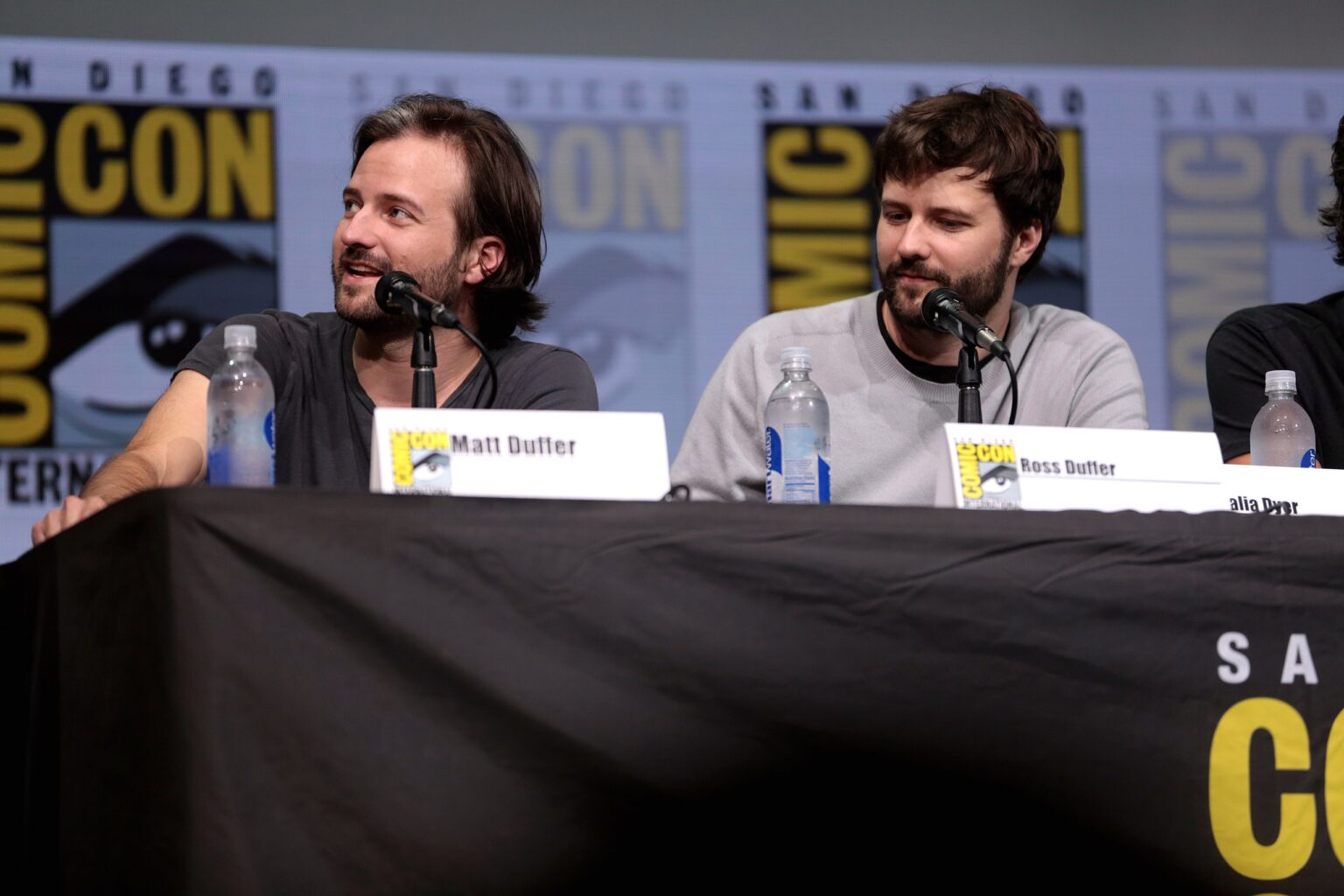
The "5 deaths of the Duffer Brothers" refers to the most narratively significant and emotionally resonant character exits orchestrated by Matt and Ross Duffer within their hit series, Stranger Things. While the creators themselves are very much alive and continuing their work in 2026, their reputation for "killing off" beloved characters has become a cornerstone of the show’s high-stakes tension. From the viral "Justice for Barb" movement to the heavy-metal heroics of Eddie Munson, these deaths have defined the series' emotional landscape and the Duffer Brothers' approach to storytelling.
The Duffer Brothers utilize character death not merely for shock value, but as a mechanism to force character growth, raise the stakes of the supernatural conflict, and ground the fantastical elements of the Upside Down in real, painful consequences. In this analysis, we examine the five most pivotal deaths in the Duffer Brothers’ flagship universe, exploring their technical execution, narrative necessity, and lasting impact on the fandom.
1. Barb Holland: The Death That Changed Television Fandom
The disappearance and subsequent death of Barbara "Barb" Holland in Season 1 was the first true indicator that the Duffer Brothers were willing to subvert 1980s horror tropes. In a traditional slasher or monster flick, the "best friend" character often dies, but rarely does it spark a global cultural movement.
Narrative Significance
Barb’s death served a dual purpose. Primarily, it acted as the catalyst for Nancy Wheeler’s transformation from a passive suburban teenager into a hardened investigator and monster hunter. Without the guilt of Barb's death, Nancy would likely never have teamed up with Jonathan Byers to uncover the truth about Hawkins Lab.
The "Justice for Barb" Phenomenon
Technically, Barb’s death was handled with a cold, clinical horror that contrasted sharply with the more adventurous tone of the boys' storyline. The Duffer Brothers faced unexpected criticism for how "quickly" the town of Hawkins seemed to move on from her disappearance. This led to the #JusticeForBarb social media trend, which eventually influenced the writing of Season 2, where Nancy and Jonathan’s primary mission was to bring closure to Barb’s parents. This feedback loop between the creators and the audience established the Duffer Brothers as writers who were attentive to their community, even if they remained firm in their narrative choices.
2. Bob Newby: The Death of the "Supernatural" Innocent
If Barb’s death was the catalyst for investigation, Bob Newby’s death in Season 2 was the emotional peak of the series' middle chapters. Played by Sean Astin, Bob was designed to be the "ultimate good guy"—a non-combative, tech-savvy civilian who represented the safety and normalcy Joyce Byers desperately craved.
Technical Execution of the Scene
The Duffer Brothers directed Bob’s final moments at Hawkins Lab with agonizing tension. The sequence uses a "false sense of security" trope: Bob successfully resets the computer systems, escapes the demo-dogs, and makes it to the lobby. The moment he pauses to smile at Joyce is the moment of his demise. This choice emphasizes a core Duffer philosophy: complacency in the face of the Upside Down is fatal.
Long-term Impact on Joyce Byers
Bob’s death fundamentally shifted Joyce’s character. It reinforced her hyper-vigilance and deepened the bond between her and Jim Hopper. By 2026, looking back at the series' trajectory, Bob remains the benchmark for the "innocent bystander" archetype—characters who have no business being in a monster movie but step up to be heroes regardless.
3. Alexei: The Tragedy of the American Dream
In Season 3, the Duffer Brothers introduced Dr. Alexei, a Russian scientist who defected to help Hopper and Joyce. Despite his limited screen time and the language barrier, Alexei became an instant fan favorite through his love of Slurpees and American pop culture.
The Contrast of Joy and Violence
Alexei’s death is perhaps the most "mean-spirited" of the Duffer Brothers' choices, which is why it hits so hard. He is shot by the Russian assassin Grigori at a Fourth of July funfair, just moments after winning a prize and expressing genuine joy at his "new life" in America.
From a technical writing perspective, the Duffer Brothers used Alexei to humanize the "faceless" Russian threat of Season 3. His death stripped away the campy, "Red Dawn" adventure feel of the season and reminded the audience that the Cold War stakes were just as lethal as the inter-dimensional ones. The death was a masterclass in tonal juxtaposition, using the bright lights and music of the fairground to heighten the horror of a silent, sudden execution.
4. Billy Hargrove: The Sacrificial Redemption
Billy Hargrove’s death at the end of Season 3 marked a departure from the "innocent" deaths mentioned above. Billy was a secondary antagonist—a bully and a victim of his father’s abuse who became the "flayed" vessel for the Mind Flayer.
Complexity of the Redemption Arc
The Duffer Brothers did not give Billy a simple "good guy" turn. Instead, they used Eleven’s psychic abilities to reveal Billy’s repressed memories of his mother. This context made his final choice—standing between the Mind Flayer and Eleven—emotionally complex. He wasn't necessarily "good," but he reclaimed his agency from the monster.
Impact on Max Mayfield
The technical fallout of Billy’s death was the entire foundation of Season 4. Max’s grief, guilt, and depression were the entry points for the villain Vecna. By killing Billy, the Duffer Brothers essentially set the stage for the series' most acclaimed season, proving that a character's death can be more influential to the plot than their life.
5. Eddie Munson: The Hero Who Refused to Run
Perhaps the most culturally significant death in the Duffer Brothers' career occurred in the Season 4 finale. Eddie Munson, the leader of the Hellfire Club, died a hero's death in the Upside Down, distracting the "demobats" to buy the others time.
The "Master of Puppets" Sequence
Technically, this is the most ambitious death sequence the Duffer Brothers have ever produced. Integrating a metal performance of Metallica’s "Master of Puppets" with a high-stakes battle, the creators leaned into the "80s spectacle" while maintaining the emotional core. Eddie’s arc was defined by his own admission that he "always runs" from trouble. By choosing to stay and fight, he completed a classic hero’s journey in a single season.
The Injustice of the Aftermath
A unique aspect of Eddie’s death was the lack of public closure. Unlike Barb, the town of Hawkins still believed Eddie was a satanic murderer at the time of his death. The Duffer Brothers used this to highlight the "unsung hero" theme, leaving the emotional weight of his passing entirely on Dustin Henderson. This narrative choice sparked a secondary "Justice for Eddie" movement among fans, rivaling the original fervor for Barb.
Comparative Analysis of Major "Duffer Deaths"
The following table compares the narrative mechanics of these five pivotal deaths to illustrate how the Duffer Brothers vary their storytelling techniques.
| Character | Season | Archetype | Primary Cause of Death | Narrative Purpose |
|---|---|---|---|---|
| Barb Holland | 1 | The Innocent Friend | Demogorgon | Ignites Nancy's arc; establishes stakes. |
| Bob Newby | 2 | The "Brainiac" Hero | Demo-dogs | Provides emotional trauma for Joyce; proves stakes are high. |
| Alexei | 3 | The Defector | Russian Assassin | Humanizes the enemy; shifts tone from camp to tragedy. |
| Billy Hargrove | 3 | The Redeemed Villain | Mind Flayer (Physical) | Saves Eleven; provides the emotional catalyst for Max in S4. |
| Eddie Munson | 4 | The Social Outcast | Demobats | Completes a hero's journey; solidifies Dustin's maturity. |
The Duffer Brothers' "Rules of Death"
As of 2026, critics and fans have identified several "rules" or patterns the Duffer Brothers follow when deciding which characters will not survive the season. Understanding these patterns provides insight into their creative process.
- The "New Favorite" Rule: The Duffer Brothers frequently introduce a charismatic, lovable character in a single season only to kill them off by the finale (e.g., Bob, Alexei, Eddie). This allows for maximum emotional impact without disrupting the core "party" of main characters.
- Redemption through Sacrifice: Characters who have committed moral failings (like Billy) are often given a path to redemption that requires their ultimate sacrifice. This maintains the "moral weight" of the world.
- The Catalyst Effect: A death is rarely a dead end. In the Duffer Brothers' writing, a death is almost always a "springboard" that propels a surviving character (Nancy, Max, Dustin) into a new phase of their development.
- The Visual Horror: The Duffer Brothers prioritize the "physicality" of death. Whether it's the bone-snapping of Vecna's victims or the visceral nature of the demo-dogs, the deaths are designed to be visually unforgettable.
Frequently Asked Questions (FAQ)
Did the Duffer Brothers actually die?
No. The Duffer Brothers (Matt and Ross) are alive and well. The phrase "deaths of the Duffer Brothers" refers to the fictional character deaths they have written into their television shows and films, most notably Stranger Things.
Why do the Duffer Brothers keep killing off new characters?
The Duffer Brothers have stated in various interviews that they introduce new characters to expand the world of Hawkins. Killing these characters provides a way to show the lethality of the Upside Down without removing the core cast members who have been with the show since the beginning. It keeps the audience "on edge" because they know no one—not even a fan favorite—is truly safe.
Is Max Mayfield considered one of the "5 deaths"?
Max Mayfield's status is a subject of debate. At the end of Season 4, Max was clinically dead for over a minute before being "restarted" by Eleven. However, she remained in a coma with significant injuries. While she "died" technically, most fans categorize the "5 deaths" as those who had a permanent exit from the physical world of the show.
How do the Duffer Brothers decide who dies?
The brothers have explained that they start with the "end state" of the main characters. If a side character's death is the most effective way to push a main character (like Dustin or Nancy) to a necessary emotional realization, that character becomes a candidate for the "chopping block." They prioritize the emotional logic of the survivors.
Will there be more deaths in the final season?
Based on the Duffer Brothers' history and their comments leading into the final chapters of the saga, the stakes are expected to be higher than ever. As the series concludes, the "protection" usually afforded to the core cast may be lifted, leading to even more significant deaths than the five analyzed here.
Summary of the Duffer Brothers' Legacy
The Duffer Brothers have mastered the art of the "meaningful death." By 2026, their work on Stranger Things is cited in film schools as a prime example of how to use supporting character fatalities to drive long-form narrative arcs. Whether it is the quiet tragedy of Barb or the operatic sacrifice of Eddie, these five deaths remain the most powerful tools in the Duffer Brothers' storytelling arsenal.