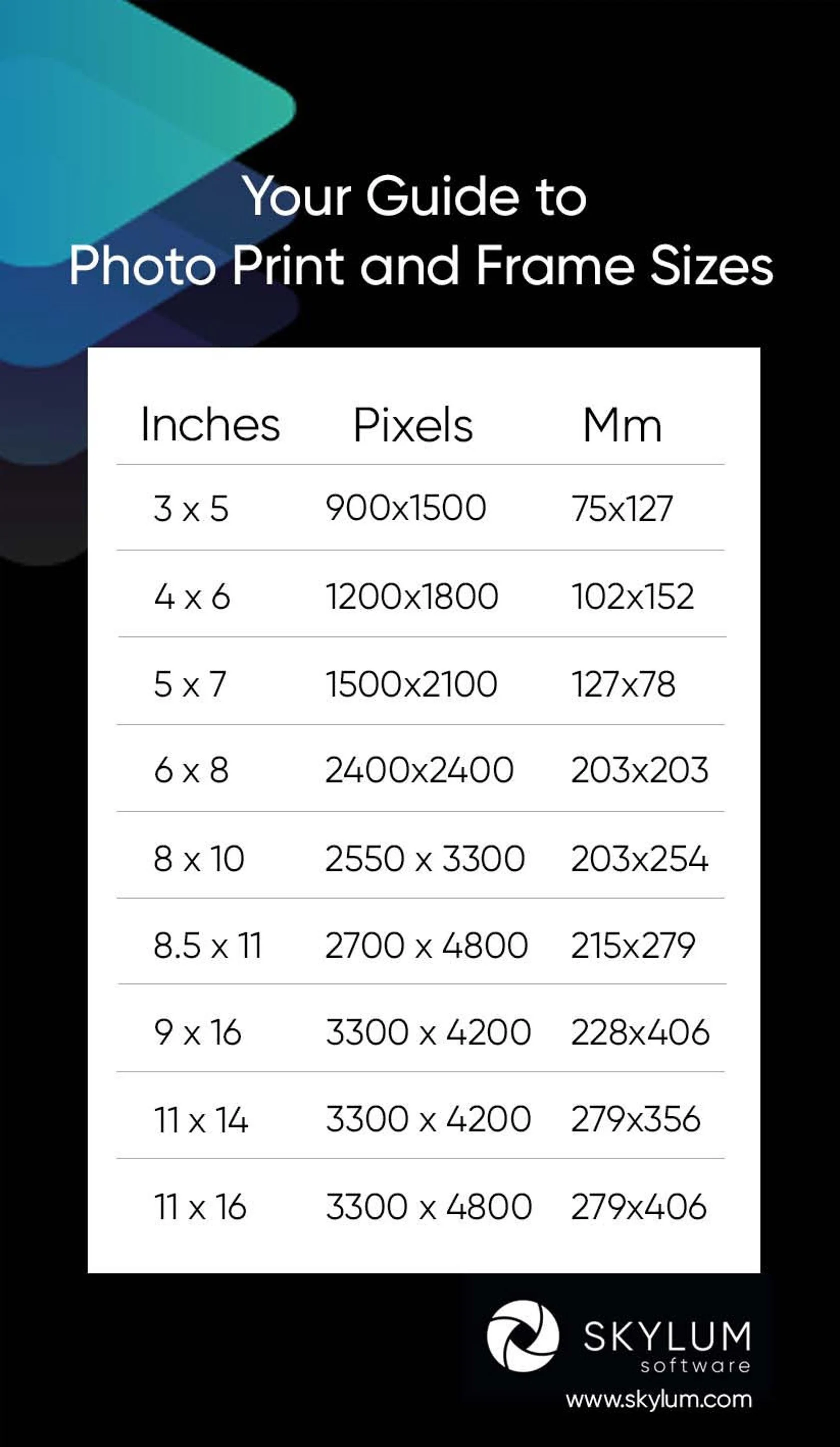
A 4x6 frame is designed to hold a standard 4-inch by 6-inch photograph, which is the most common size for modern snapshots. The "4x6" measurement refers specifically to the internal opening or the size of the photo it accommodates, rather than the exterior dimensions of the frame itself.
The 4x6 photo remains the gold standard for physical photography in 2026, serving as the bridge between the analog legacy of 35mm film and the modern digital workflow. Whether you are scrapbooking, creating a gallery wall, or selecting a tabletop gift, understanding the nuances of this specific size is essential for ensuring your images are displayed correctly without unintended cropping or structural issues.
Understanding the Standard 4x6 Dimensions
When you purchase a 4x6 frame, you are buying an object defined by its capacity. However, the nomenclature can be confusing for those new to home decor or professional framing. In the framing industry, the listed size almost always refers to the inside dimensions of the frame—specifically the area where the glass (glazing), the artwork, and the backing reside.
Internal vs. External Measurements
The internal measurement of a 4x6 frame is 4 inches by 6 inches. However, the external measurement will vary significantly based on the width of the "molding" (the frame's border material).
- Slim Modern Frames: A thin metal or plastic frame might have a total exterior dimension of 4.25 x 6.25 inches.
- Ornate or Rustic Frames: A wide wooden frame with heavy detailing might have an exterior footprint of 8 x 10 inches or larger, even though it only holds a 4x6 photo.
This distinction is vital for those planning to fit frames into specific spaces, such as narrow shelves or tight gallery wall clusters. Always measure the total available wall or surface space before assuming a "small" 4x6 frame will fit.
The Importance of the "Rabbet"
The rabbet is the inner groove or lip of the frame that holds the glass, photo, and backing in place. Because the photo must rest behind this lip to keep from falling out, a small portion of your image will inevitably be obscured. In a standard 4x6 frame, the rabbet usually covers about 1/8 to 1/4 of an inch on all four sides.
This means the "viewable area" (the part of the photo you can actually see) is closer to 3.5 x 5.5 inches. When printing photos for a 4x6 frame, ensure that critical elements—like the tops of heads or handwritten text—are not located at the very edge of the image.
The Geometry of a 4x6 Frame: Aspect Ratio
The 4x6 size is not arbitrary; it is rooted in the history of 35mm film. The aspect ratio of a 4x6 print is 2:3. This means for every 2 units of height, there are 3 units of width (or vice versa).
Why the 2:3 Ratio Matters
Most Full Frame and APS-C digital cameras used by enthusiasts and professionals in 2026 still utilize a 3:2 sensor ratio. This allows for a perfect translation from the digital file to a 4x6 print with zero cropping.
However, many smartphones and "Micro Four Thirds" cameras default to a 4:3 aspect ratio. If you attempt to print a 4:3 digital image as a 4x6 photo, the printing software must either:
- Crop the image: Remove slices from the top and bottom (if horizontal) to fit the longer 2:3 shape.
- Add Borders: Create "letterboxing" on the sides to fit the entire image into the 2:3 frame.
Understanding this geometric constraint helps you choose the right frame. If your favorite photo is a 4:3 smartphone shot, you may need to manually crop it before printing to ensure the composition remains balanced once it is inside the 4x6 frame.
Frame Anatomy: Beyond the Dimensions
A 4x6 frame is more than just four pieces of wood. Understanding the components will help you select a high-quality product that protects your memories for the long term.
The Glazing (Glass or Acrylic)
The clear layer that protects the photo is known as glazing. In 2026, you generally choose between two materials:
- Glass: Traditional, scratch-resistant, and heavy. It is excellent for tabletop frames but can be dangerous if a wall-mounted frame falls.
- Acrylic (Plexiglass): Shatterproof and lightweight. High-end acrylic often includes UV-filtering properties, which prevent the 4x6 print from fading due to sunlight exposure.
The Backing and Orientation
Standard 4x6 frames are unique because they are frequently designed for dual-use. Most ready-made 4x6 frames include an "easel back" for tabletop display and hanging hardware for wall mounting. Because 4x6 photos can be either Portrait (vertical) or Landscape (horizontal), look for frames with "two-way" hanging clips or a versatile easel.
Matting: Elevating a 4x6 Photo
A "mat" is a piece of archival cardboard with a cutout that sits between the photo and the glass. While you can buy a 4x6 frame with no mat, many people choose to place a 4x6 photo inside a larger frame (such as an 8x10) that includes a mat with a 4x6 opening.
Matting serves two purposes:
- Aesthetics: It provides "breathing room" around the image, making a small 4x6 snapshot look like a piece of fine art.
- Protection: It creates a small gap between the photo and the glass, preventing the image from sticking to the glazing over time—a common issue in humid environments.
Comparison of Common Standard Frame Sizes
To understand where the 4x6 fits in the hierarchy of home decor, it is helpful to compare it to other common "standard" sizes available in 2026.
| Frame Size | Aspect Ratio | Best Use Case | Typical Viewable Area |
|---|---|---|---|
| 4x6 | 2:3 | Standard snapshots, postcards, and small gifts. | ~3.5" x 5.5" |
| 5x7 | 5:7 (approx 1:1.4) | Portraits, invitations, and school photos. | ~4.5" x 6.5" |
| 8x10 | 4:5 | Formal portraits, diplomas, and focal wall art. | ~7.5" x 9.5" |
| 11x14 | 11:14 (approx 1:1.27) | Large wall displays and professional photography. | ~10.5" x 13.5" |
| 5x5 / 8x8 | 1:1 | Instagram-style prints and modern square art. | Varies by rabbet |
Technical Requirements for Printing 4x6 Photos
To ensure your 4x6 frame looks its best, the print inside must be of sufficient quality. In the world of digital imaging, this is measured in DPI (Dots Per Inch).
The 300 DPI Standard
For a crisp, professional-looking 4x6 print, you should aim for a resolution of 300 DPI.
- Calculation: 4 inches x 300 = 1200 pixels; 6 inches x 300 = 1800 pixels.
- Total Resolution: A 1200 x 1800 pixel image (roughly 2.2 megapixels) is the minimum requirement for a high-quality 4x6 print.
In 2026, almost every modern smartphone and camera exceeds this resolution. However, if you are downloading photos from social media platforms that compress files, the resolution may drop. Always check the file properties before printing to avoid "pixelation," where the image looks blocky or blurry inside the frame.
Choosing the Right Material for Your Style
The 4x6 size is so ubiquitous that it is available in every imaginable material. Your choice should be dictated by the room's decor and the photo's subject matter.
Solid Wood
Wood frames offer a timeless, warm feel. They are ideal for family portraits and nature photography. Common woods include oak, walnut, and pine. In 2026, sustainably sourced or reclaimed wood frames are particularly popular for those looking to add character to their space.
Metal (Aluminum or Brass)
Metal frames often feature very thin profiles, which are perfect for modern, minimalist interiors. A thin black or silver 4x6 metal frame allows the photo to be the star of the show without the distraction of a heavy border.
Acrylic Blocks
A modern variation of the 4x6 frame is the "acrylic block." Instead of a traditional frame, the photo is sandwiched between two thick pieces of clear acrylic held together by magnets. This creates a "3D" effect and allows the 4x6 image to stand on its own without an easel.
Common Mistakes When Buying 4x6 Frames
Even with a "standard" size, errors are common. Avoid these frequent pitfalls:
- Ignoring the "Mat Opening" Size: If you buy an 8x10 frame "for a 4x6 photo," ensure the mat opening is actually 3.5x5.5. Some mats are cut to exactly 4x6, which makes it very difficult to tape the photo to the back of the mat without it falling through the hole.
- Forgetting Orientation: While many frames are "two-way," some decorative frames (especially those with text like "Family" or "Vacation" at the bottom) are fixed in either portrait or landscape.
- Overlooking the Thickness of the Item: If you are framing something thicker than a standard photo—like a 4x6 piece of cross-stitch or a thick cardstock invitation—standard "slim" 4x6 frames may not have enough depth in the rabbet to close securely. In this case, look for a "shadow box" or a frame with a "deep rabbet."
FAQ
Is 4x6 the same as A6?
No. While they are similar in name, they are different sizes. A6 is an international standard (ISO 216) size measuring approximately 4.1 x 5.8 inches. A 4x6 photo will not fit perfectly into an A6 frame without slight trimming or leaving small gaps.
Why does my 4x6 photo look cut off in the frame?
This is usually due to the rabbet. As mentioned earlier, the frame needs a small lip (usually 1/4 inch) to hold the glass and photo in place. If your photo has important details right at the edge, they will be hidden by the frame's border.
Can I put a 4x6 photo in a 5x7 frame?
Yes, but you will need a mat. You can purchase a 5x7 frame that comes with a mat specifically cut for a 4x6 image. This is a popular way to make small photos look more significant on a wall.
What is the best resolution for a 4x6 print?
For the highest quality, use a resolution of 1200 x 1800 pixels. This ensures the print reaches 300 DPI, which is the standard for high-definition physical printing.
Are all 4x6 frames able to hang on a wall?
Not necessarily. Many small 4x6 frames are designed exclusively for tabletop use and feature an easel back without any hanging loops. If you plan to create a gallery wall, verify that the frame includes "D-rings" or "sawtooth hangers."
Practical Recommendation
If you are starting a new photo project in 2026, the best approach for 4x6 frames is to standardize your hardware. If you are building a gallery wall, purchase frames from the same manufacturer or collection. While "4x6" is a standard internal size, the external widths and depths vary wildly between brands.
For the best visual results, use acid-free mats if you are moving up to a larger frame size. This prevents the "yellowing" of the photo edges over time. If you are printing digital photos, always use the "Auto-Fill" or "Fit to Frame" preview in your printing software to ensure the 2:3 aspect ratio doesn't result in an unwanted crop of your subject's head or feet.