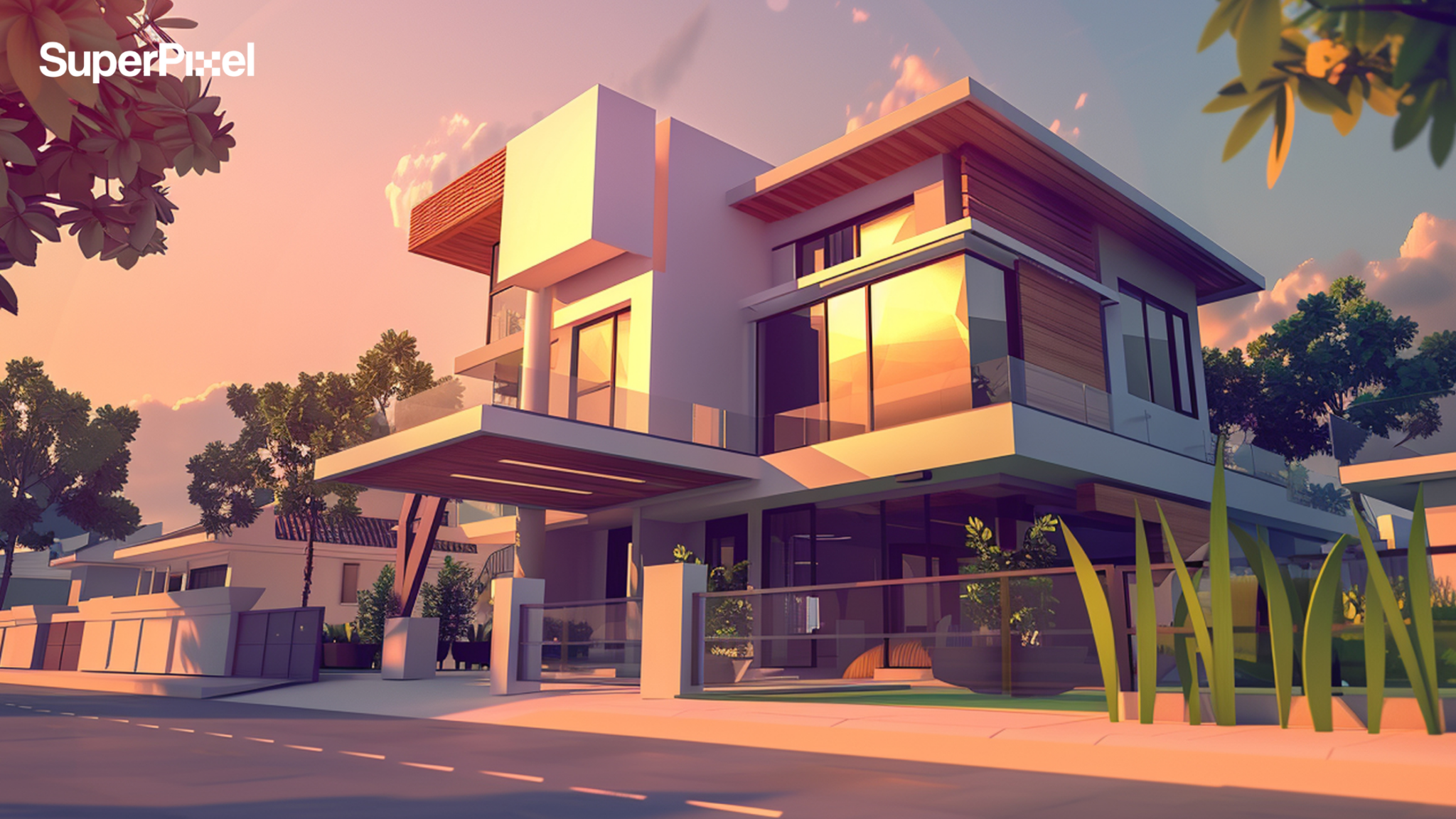
A 3D animation house is a specialized creative studio that designs, develops, and produces computer-generated imagery, visual effects, and motion graphics for entertainment, advertising, corporate communications, and interactive media. These studios combine technical engineering with artistic direction to turn raw concepts into fully realized digital assets, characters, and environments.
Understanding the Role of a 3D Animation House in Contemporary Production
The modern digital media landscape relies heavily on computer graphics to captivate audiences, explain complex mechanical processes, and bring imaginative worlds to life. A 3D animation house functions as a centralized hub where multidisciplinary teams—ranging from concept artists and modelers to riggers, animators, lighting specialists, and compositors—collaborate under one roof. Unlike independent freelancers who may specialize in a single niche, a fully staffed studio possesses the scalable manpower and infrastructure required to handle large-scale, enterprise-level projects with strict deadlines.
Engaging with a studio requires understanding the intricate pipeline of computer graphics production. This pipeline is generally divided into three major phases: pre-production, production, and post-production. Each phase demands distinct software toolsets, artistic competencies, and hardware resources. By managing this workflow internally, a professional studio ensures brand consistency, artistic cohesion, and technical optimization across all deliverables.
The Core Stages of the 3D Animation Pipeline
Producing high-end computer-generated content is a methodical, step-by-step procedure. Knowing what happens during each phase helps project managers and marketing directors communicate effectively with studio leads.
Pre-Production: Conceptualization and Planning
Before a single polygon is modeled, the creative foundation must be established. This stage defines the visual style, pacing, and narrative structure of the project.
- Scriptwriting and Storyboarding: Translating written briefs or marketing goals into sequential visual panels that map out camera angles, character movements, and scene transitions.
- Concept Art and Character Design: Establishing the aesthetic of characters, environments, and props. Artists draw multiple iterations to determine color palettes, textures, and silhouettes.
- Animatics and Pre-visualization (Pre-vis): Assembling storyboards into a timed, rough-cut video track synchronized with placeholder voice acting and temporary music. This acts as a blueprint for the timing of the entire project.
Production: Asset Creation and Animation
This is the heavy lifting phase where two-dimensional concepts are translated into three-dimensional space.
- Modeling: Constructing digital wireframes using polygons, NURBS, or subdivision surfaces within software packages such as Autodesk Maya, Blender, or Maxon Cinema 4D.
- Texturing and Shading: Applying surface details, color maps, bump maps, and shaders to simulate materials like skin, metal, glass, fabric, or plastic.
- Rigging: Constructing a digital skeleton (rig) underneath a 3D model, complete with inverse kinematics and control handles, allowing animators to deform and pose the asset naturally.
- Animation: Posing and moving characters, cameras, and props across a timeline. This can be achieved via keyframe animation or motion-capture (mocap) data cleanup.
- Lighting and Rendering: Simulating virtual light sources, shadows, and reflections to establish mood. The scene is then processed through a render engine like Redshift, Arnold, or Unreal Engine to output image sequences.
Post-Production: Compositing and Finishing
The final phase polishes the raw rendered output and prepares it for distribution across various media channels.
- Compositing: Layering rendered elements—such as background plates, character passes, and special effects—into a cohesive final shot using software like Foundry Nuke or Adobe After Effects.
- Color Grading: Adjusting color temperature, contrast, and saturation to match brand guidelines or evoke specific emotional responses.
- Sound Design and Voiceover: Integrating custom sound effects (Foley), musical scores, and dialogue tracks to complete the audiovisual experience.
Comparing Creative Studio Formats
Not all production entities operate identically. Selecting the right partner depends on project scale, budget flexibility, and technical requirements.
| Studio Type | Typical Team Size | Best Suited For | Primary Advantage | Main Limitation |
|---|---|---|---|---|
| Boutique Studio | 5 – 20 personnel | Commercials, explainer videos, music videos | High artistic agility, direct communication with leads | Limited bandwidth for massive, multi-year projects |
| Full-Service House | 50 – 200+ personnel | Feature films, AAA game cinematics, global ad campaigns | Massive scalability, proprietary pipelines, specialized departments | Higher overhead costs and rigid corporate structures |
| Freelance Collective | Variable (Assembled per project) | Low-to-mid budget digital content, social media campaigns | Cost-effective, highly customizable talent rosters | Requires significant client oversight and project management |
Key Industry Sectors Utilizing 3D Animation
Different industries demand vastly different technical approaches, rendering engines, and artistic sensitivities from a studio.
Entertainment and Film
Feature films, streaming series, and short films require cinematic realism and deep emotional resonance from characters. Animators in this sector focus heavily on subtle facial expressions, complex cloth physics, and realistic hair dynamics. Pipelines are often built around proprietary software integrations and massive render farms to handle millions of polygons per frame.
Advertising and Commercials
Marketing agencies partner with studios to create hyper-stylized product visualizations, broadcast commercials, and social media shorts. Speed and visual impact are paramount in this sector. Studios must deliver pristine, photorealistic renders of consumer electronics, automobiles, or packaged goods that make products look enticing within a fifteen- or thirty-second window.
Architectural Visualization and Real Estate
Real estate developers and urban planners use architectural walkthroughs and photorealistic renderings to market unbuilt properties. This sub-niche relies heavily on CAD data imports, physically based rendering (PBR), and real-time engines like Unreal Engine to allow potential buyers to interactively explore virtual apartments and buildings before construction begins.
Corporate Communications and Medical Animation
Explaining internal mechanisms—such as the inner workings of a microchip, a manufacturing supply chain, or a pharmaceutical drug interacting with human cells—requires precision and clarity. Medical animation houses specialize in translating complex scientific data into accurate, visually engaging 3D narratives that educate patients, investors, or medical professionals.
How to Evaluate and Select a Production Partner
Choosing the right studio involves looking past flashy showreels and analyzing operational compatibility, technical capabilities, and workflow transparency.
- Analyze the Showreel for Consistency: Review portfolio pieces that closely match the style, complexity, and medium of your intended project. A studio might excel at stylized character animation but struggle with hyper-realistic fluid simulations.
- Evaluate Technical Stack and Pipeline Compatibility: Ensure the studio uses industry-standard software formats (such as Alembic, FBX, or USD files) that allow for seamless asset transfers if internal revisions are required later.
- Assess Project Management and Communication: Ask about their workflow management tools (e.g., ShotGrid/ShotGrid, Frame.io) and how they handle milestone approvals, client revisions, and feedback loops.
- Review Client Testimonials and Case Studies: Look for third-party validation regarding their ability to deliver projects on time and within agreed-upon budgets.
Common Pitfalls and How to Avoid Them
Working with computer graphics studios can sometimes lead to friction if expectations and scopes are not clearly defined early in the process.
- Vague Project Scopes: Changing character designs or core storylines after the production phase has begun is exceptionally costly. Ensure the pre-production storyboard and concept art phases are fully signed off before modeling starts.
- Underestimating Feedback Turnaround: Client review cycles can quickly derail production schedules. Assign a dedicated internal decision-maker who can consolidate feedback and provide clear, unambiguous revisions.
- Ignoring File Ownership and Licensing: Clarify intellectual property rights and source file delivery terms in the initial contract. Ensure your organization retains appropriate usage rights for the final renders and underlying assets if needed for future campaigns.
Strategic Next Steps for Your Project
If your organization is preparing to commission a project, start by compiling a comprehensive creative brief, reference mood boards, and a realistic budget range. Reach out to three distinct studios—ranging from a boutique creative shop to a mid-sized production house—to discuss your technical requirements and review initial proposals. Request detailed itemized estimates that separate pre-production, asset creation, rendering, and post-production costs to maintain total transparency throughout the lifecycle of your production.