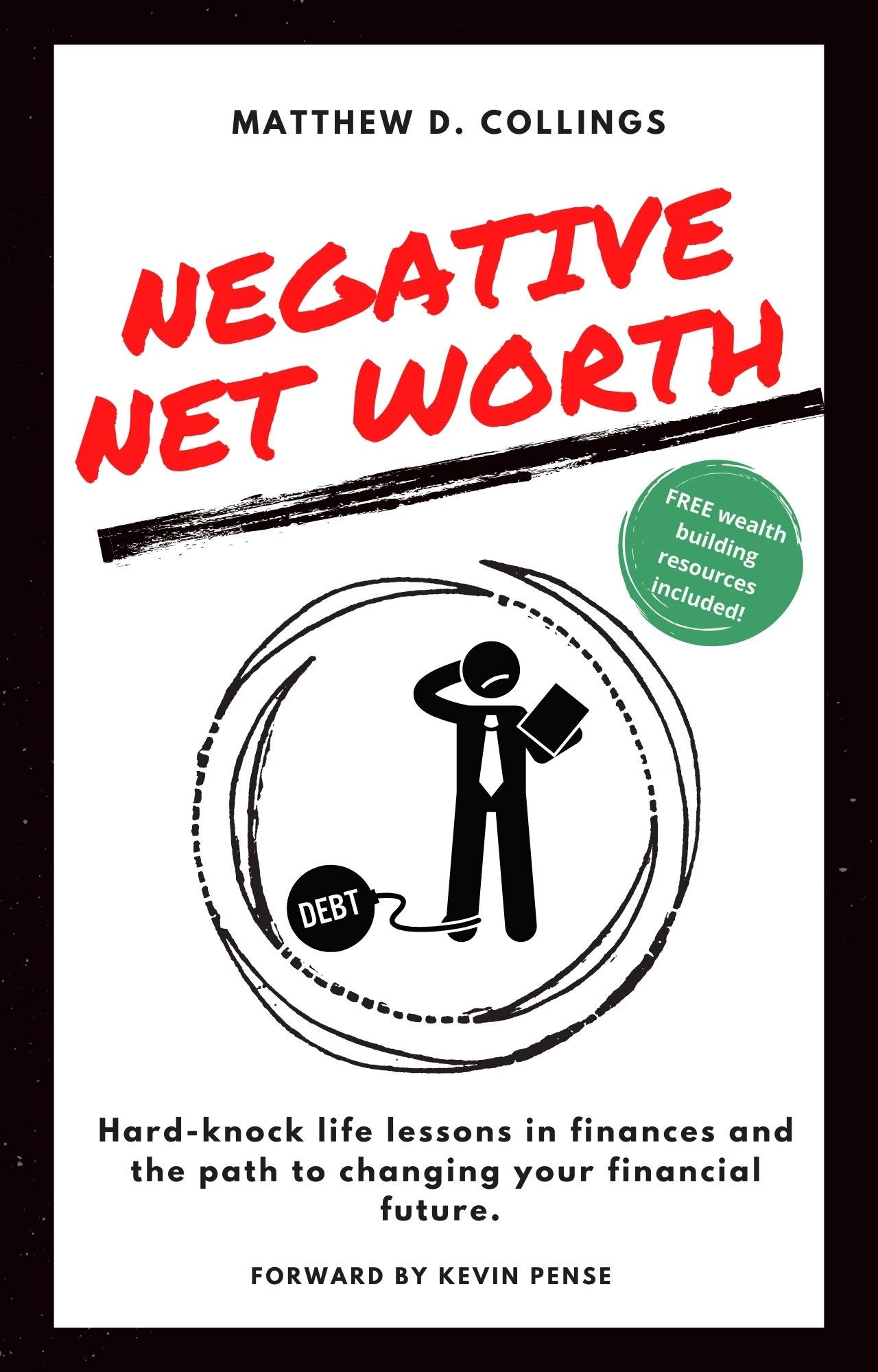
A significant segment of the population, approximately 25% of households, currently operates with a negative net worth, meaning their total liabilities—such as student loans, credit card debt, and mortgages—exceed the total value of their assets. This status highlights a pervasive reliance on debt to maintain basic living standards, impacting financial mobility and long-term security for millions of families in 2026.
Defining Net Worth and the Negative Balance Phenomenon
Net worth is the simplest, most accurate metric for gauging personal financial health. It is calculated by subtracting all financial obligations (liabilities) from total holdings (assets). Assets include everything of monetary value, such as cash in savings accounts, real estate, retirement funds, vehicle equity, and personal investments. Liabilities include all outstanding debts: credit card balances, personal loans, auto loans, student debt, and mortgage principal.
When a household reaches a "negative" net worth, they are technically insolvent on paper. While this does not necessarily mean an immediate inability to pay monthly bills, it signifies that if the family were to sell all their assets at fair market value today, they would still owe money to creditors. In the current economic climate of 2026, this condition is increasingly common among younger households and those living in high-cost urban areas where the cost of living consistently outpaces wage growth.
Primary Drivers of Household Insolvency
The transition into a negative net worth position is rarely the result of a single event; rather, it is usually a compounding process driven by systemic economic factors and individual financial pressures.
The Impact of High-Interest Consumer Debt
Consumer debt, particularly credit card balances, remains a leading driver of negative net worth. With interest rates remaining elevated in 2026, many families find themselves trapped in a cycle where monthly payments barely cover the interest, preventing any meaningful reduction in principal. This creates a "debt treadmill" where assets remain stagnant or decline while liabilities grow through accrued interest.
Educational Debt and Early Career Barriers
For many young families, student loan debt is the primary contributor to a negative net worth. Unlike a mortgage, which is tied to an appreciating asset (the home), student loans are often considered "unsecured" liabilities because they do not have a physical asset attached to them that can be sold to recover the balance. This debt burden often precedes the acquisition of other assets, delaying the start of wealth accumulation by years or even decades.
Stagnant Wage Growth vs. Inflation
Even for families without excessive debt, the simple math of modern household economics can push net worth into negative territory. When the costs of essential goods—groceries, utilities, fuel, and childcare—rise faster than annual income, families are often forced to use credit to bridge the gap. This structural deficit forces households to treat debt as a necessary utility rather than an occasional bridge for emergencies.
Assessing Your Own Financial Position
Determining your net worth is an essential step toward financial recovery. You cannot manage what you do not measure. To establish your current position, follow a systematic approach to inventory your finances.
Step-by-Step Calculation Guide
- Inventory Assets: List your cash, checking/savings balances, retirement accounts (401k, IRA), brokerage accounts, and the estimated resale value of major assets like your home and vehicles.
- Inventory Liabilities: Compile a comprehensive list of all debts. Include the current payoff amount, not the original loan amount, for your mortgage, car loans, credit cards, and student loans.
- Perform the Subtraction: Subtract your total liabilities from your total assets.
- Analyze the Trend: Compare this number to your status from the previous year. If your net worth is decreasing, you must identify which liabilities are growing or which assets are depreciating.
Strategic Approaches to Improving Net Worth
Improving a negative net worth requires a shift from debt-management to equity-building. This is not an overnight process, but a series of incremental financial corrections.
Prioritizing High-Interest Liabilities
When a family has a negative net worth, their primary enemy is often compound interest on high-interest debt. Prioritize paying off credit cards or high-interest personal loans before focusing on low-interest debt like a fixed-rate mortgage or federal student loans. By eliminating high-interest debt, you effectively stop the "bleeding" of your net worth.
Increasing the Asset Base
Once debt-servicing is stabilized, focus on acquiring assets that have the potential for appreciation. This does not mean high-risk speculation. It means prioritizing contributions to employer-matched retirement accounts, which provide an immediate 100% return on investment via the match, or focusing on debt-to-income ratios that allow for future property ownership.
Cost-Structure Optimization
Review your household budget with a focus on "fixed vs. variable" expenses. In 2026, many families find that subscription services, high-cost insurance premiums, and convenience-based expenses aggregate into a significant monthly drain. Redirecting these funds toward debt principal can have an outsized impact on net worth over a 24-month period.
Comparison of Financial States
The following table categorizes the typical financial standing of households to help identify where a family may fall within the broader spectrum of net worth.
| Financial Status | Asset-Liability Relationship | Typical Characteristics |
|---|---|---|
| Deeply Negative | Liabilities >> Assets | High consumer debt, limited income, reliance on credit. |
| Slightly Negative | Liabilities > Assets | Recent graduates, early homeowners, or temporary income loss. |
| Neutral/Baseline | Assets = Liabilities | Beginning of wealth accumulation; debt is serviced regularly. |
| Positive | Assets > Liabilities | Debt is minimized; consistent savings and investment growth. |
Addressing Unresolved Financial Challenges
For many, the hurdle to improving net worth is not a lack of effort, but a lack of margin. When every dollar earned is allocated to survival, the ability to "build" is nonexistent. In these instances, the primary focus should be on stabilizing the income side of the equation.
Seeking professional guidance from a certified financial planner or a reputable credit counseling service can provide clarity on debt consolidation options. For those carrying significant student or medical debt, exploring income-driven repayment plans or hardship programs can reduce the monthly outflow, allowing more room to build a "buffer" account that prevents further debt accumulation.
Frequently Asked Questions
What is the difference between net worth and income?
Income is the money you earn over a specific period, whereas net worth is a snapshot of your total wealth at a single moment. You can have a high income and a negative net worth if your spending exceeds your earnings and you are financing your lifestyle through debt.
Is a negative net worth always a sign of failure?
No. For young professionals or recent homeowners, a negative net worth is often a normal stage of the life cycle. It becomes a concern only when the debt-to-income ratio remains unsustainable over a long period, preventing the accumulation of equity.
How quickly can a household reverse a negative net worth?
Recovery speed depends on the ratio of debt to assets. By aggressively paying down high-interest liabilities and curbing non-essential spending, many families see a measurable improvement within 12 to 18 months.
Does a mortgage count toward a negative net worth?
Yes, the mortgage balance is a liability. However, because a home is an asset, you subtract only the loan balance from the home’s current market value. If your home is worth more than you owe on it, the difference (your equity) is a positive contribution to your net worth.
Are there legal protections for those with negative net worth?
Yes. Bankruptcy laws, such as Chapter 7 or Chapter 13 in the United States, exist as a legal mechanism to provide relief for those whose debts have become insurmountable. These should be considered only as a last resort after consulting with a legal professional, as they have significant long-term credit implications.
Moving Forward: Next Actions
The most effective next action for any family in this position is a comprehensive financial audit. Gather your most recent bank statements, loan balance summaries, and credit reports. Map your total assets against your total liabilities to see the exact gap you are facing. Once you have a clear, documented number, set a target for the next 12 months. Focus on either reducing a specific high-interest liability or increasing your liquid savings by a fixed percentage. Improving your net worth is not about sudden windfalls; it is about the sustained, disciplined narrowing of the gap between what you own and what you owe.