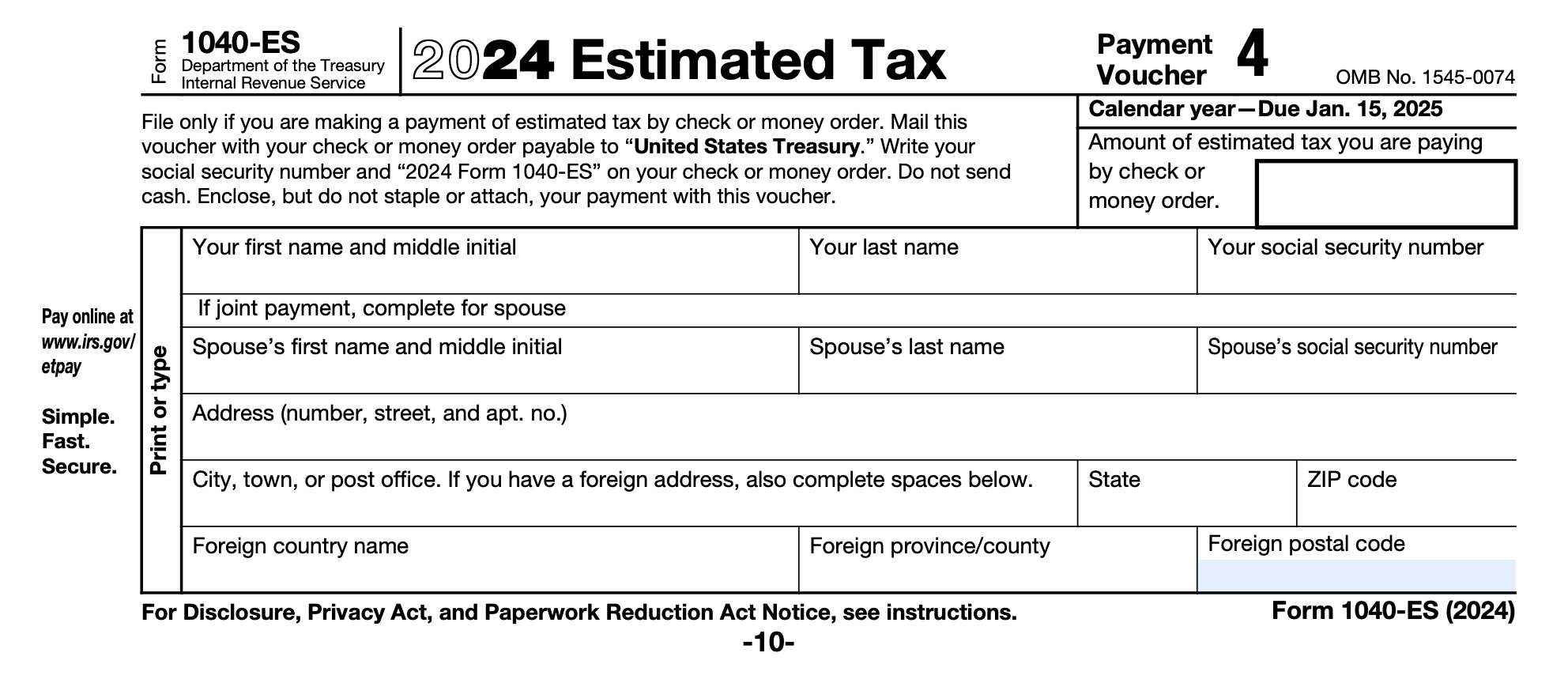
Filing your 2025 federal income tax return requires adherence to the specific instructions provided by the Internal Revenue Service (IRS) for the tax year ending December 31, 2025. These instructions dictate how taxpayers must report income, claim deductions, and apply credits, with the primary filing deadline for most individual taxpayers falling on April 15, 2026.
Understanding the Scope of 2025 Tax Instructions
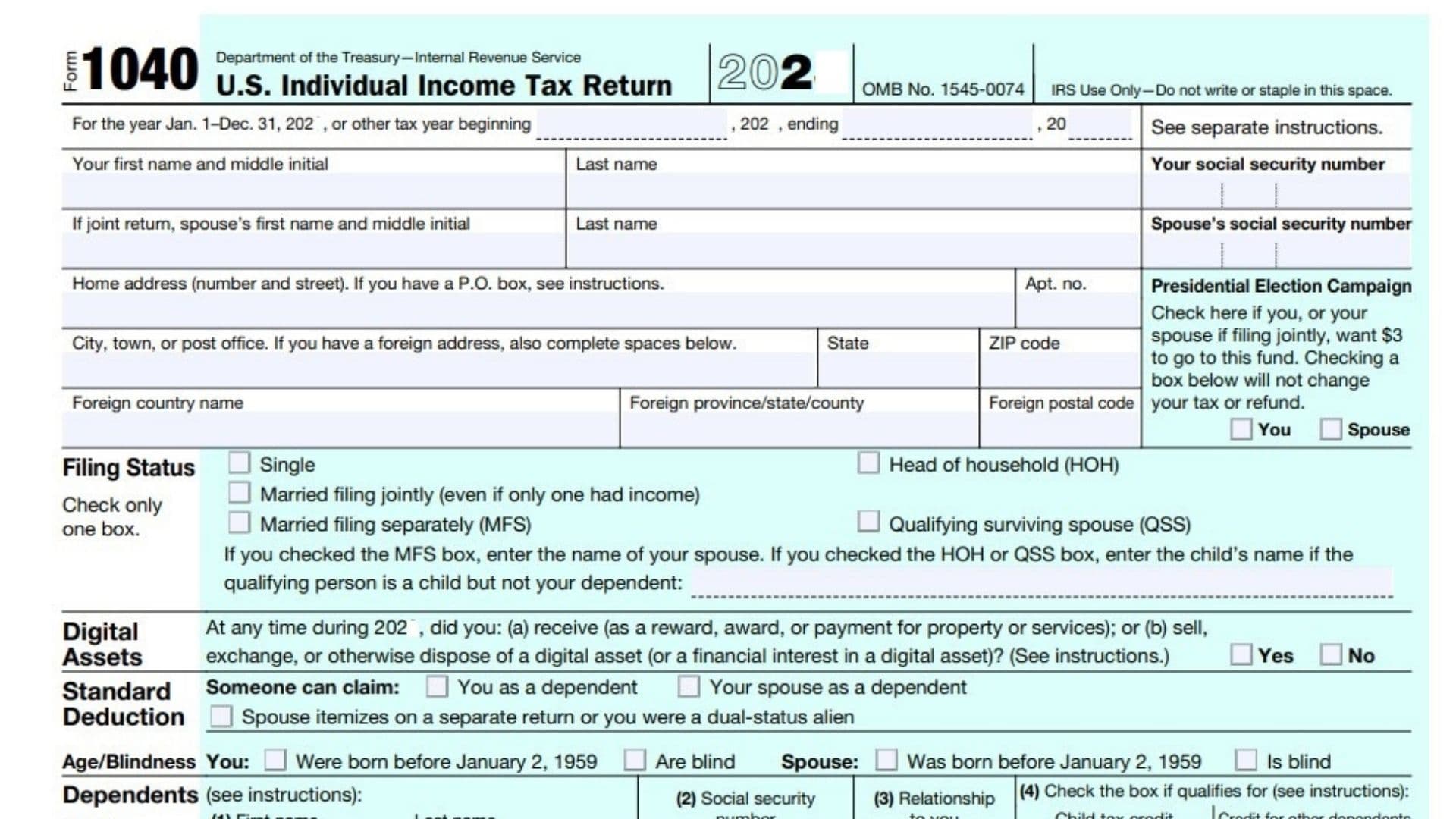
The term "2025 income tax instructions" primarily refers to the formal guidance published by the IRS—most notably the instructions for Form 1040 and its accompanying schedules. Because the 2025 tax year concluded on December 31, 2025, the rules governing this return are solidified and fixed. Unlike tax planning, which involves forward-looking strategies, the act of following these instructions is an exercise in historical reporting.
Every taxpayer must identify their filing status, verify their income sources, and determine which deductions or credits apply based on their financial activities throughout the 2025 calendar year. The instructions act as the bridge between your raw financial data and the official calculation of your tax liability or refund.
Essential Prerequisites Before You Begin
Before opening your tax forms or logging into tax preparation software, you must gather all necessary documentation. Attempting to file without a complete records package is the most common cause of errors, delays, and subsequent audits.
Gathering Information Returns
You should have received several informational documents by early February 2026. These include:
- W-2 Forms: Issued by employers detailing wages and withheld taxes.
- 1099 Series: Including 1099-NEC (non-employee compensation), 1099-INT (interest), 1099-DIV (dividends), and 1099-B (brokerage transactions).
- 1098 Forms: Detailing mortgage interest paid or student loan interest.
- Proof of Deductible Expenses: Receipts for medical expenses, charitable contributions, and state or local taxes if you intend to itemize.
Determining Filing Status
Your status determines your standard deduction amount, your eligibility for certain tax credits, and the tax brackets that apply to your income. The IRS defines five categories: Single, Married Filing Jointly, Married Filing Separately, Head of Household, and Qualifying Surviving Spouse. You must select the status that describes your situation as of December 31, 2025.
Step-by-Step Filing Workflow
The process of filing taxes follows a linear path designed to ensure compliance and accuracy. Following this sequence prevents "data drift," where numbers from one schedule fail to reconcile with the main Form 1040.
1. Identify Your Total Income
Start by reporting all income from taxable sources. This includes wages, salaries, tips, taxable interest, ordinary dividends, capital gains, and IRA distributions. Do not omit income simply because you did not receive a 1099 or W-2; the IRS receives copies of these forms, and any discrepancy will trigger an automated verification notice.
2. Calculate Adjustments to Income
Often referred to as "above-the-line" deductions, these adjustments are subtracted from your gross income to arrive at your Adjusted Gross Income (AGI). Examples include educator expenses, student loan interest, and contributions to traditional IRAs. Because AGI is used to determine eligibility for many other tax benefits, calculating this number accurately is vital.
3. Choose Between Standard or Itemized Deductions
For the 2025 tax year, most taxpayers choose the standard deduction, which is a flat amount determined by their filing status. However, if your eligible expenses—such as mortgage interest, state and local taxes (SALT), and significant medical costs—exceed the standard deduction, you should itemize using Schedule A.
4. Apply Tax Credits
Unlike deductions, which reduce the income you are taxed on, tax credits reduce your tax liability dollar-for-dollar. Key credits to evaluate include the Child Tax Credit, the Earned Income Tax Credit (EITC), and various education-related credits like the American Opportunity Tax Credit.
Comparison of Filing Methods
When deciding how to process your 2025 return, you face several choices, each with distinct costs, levels of support, and security profiles.
| Filing Method | Best For | Pros | Potential Cons |
|---|---|---|---|
| IRS Free File | Low-to-mid income earners | No cost; IRS-supported | Income limits apply |
| Tax Software | W-2 employees; simple returns | User-friendly; saves time | Cost of upgrades |
| Tax Professional | Complex assets; business owners | Expert advice; liability protection | Significant service fees |
| Paper Filing | Minimalist preference | No digital footprint | High error rate; slow processing |
Common Mistakes to Avoid
Even with clear instructions, the complexity of the U.S. tax code leads many taxpayers into common traps. Recognizing these ahead of time can save you the headache of filing an amended return (Form 1040-X).
- Social Security Number Discrepancies: Ensure that the name and Social Security Number for every dependent listed on your return match the records at the Social Security Administration exactly.
- Omitting "Side Hustle" Income: Income earned through freelance work, digital platforms, or the gig economy must be reported, even if you did not receive a formal 1099 form.
- Double-Dipping Credits: You cannot claim the same educational expense for two different credits simultaneously. Read the instructions for the specific credit carefully to ensure your expenses are allocated correctly.
- Failing to Sign: An unsigned paper return is not a valid return. If filing electronically, your digital signature—often verified by your AGI from the previous year—must be correctly entered.
Troubleshooting Common Issues
If you find yourself stuck during the filing process, prioritize resolving the discrepancy rather than guessing.
If your software rejects your return, the rejection code will provide a specific reason. Common rejections involve an incorrect AGI from the prior year or a duplicate Social Security Number (indicating someone else may have claimed a dependent by mistake). If you cannot resolve a rejection, consult the IRS website's "Help" section or visit a local Taxpayer Assistance Center.
If you discover an error after you have already filed, do not panic. The IRS provides a specific protocol for corrections. Wait until your return has been processed and your initial refund or balance due has been settled before filing Form 1040-X to amend your information.
Frequently Asked Questions
What happens if I miss the April 15, 2026, filing deadline?
If you owe taxes and do not file, you may be subject to a failure-to-file penalty and a failure-to-pay penalty. If you are due a refund, there is generally no penalty for filing late, but you will not receive your money until your return is processed. Always request an extension if you cannot meet the deadline to avoid the failure-to-file penalty.
Can I change my filing status after I have already submitted my 2025 return?
Yes, but only if you file an amended return (Form 1040-X). You must do this within the statute of limitations, which is generally three years from the date you filed your original return.
Are gambling winnings taxable in 2025?
Yes, all gambling winnings, including cash, prizes, and the fair market value of items won, must be reported as "Other Income." You may be able to deduct gambling losses up to the amount of your winnings, provided you have kept a detailed record of your wins and losses.
Do I need to report cryptocurrency transactions?
Yes. The IRS considers virtual currency property for federal income tax purposes. You must report gains or losses from the sale or exchange of cryptocurrency on Schedule D (Form 1040).
What is the difference between a tax deduction and a tax credit?
A tax deduction lowers your taxable income, meaning you pay tax on a smaller portion of your earnings. A tax credit is subtracted directly from the total amount of tax you owe, making it generally more valuable than a deduction.
Next Steps for Taxpayers
Your final action for the 2025 tax year is to verify your return for completeness and accuracy before submission. Review your total income, ensure all credits have been applied, and confirm that your direct deposit banking information is correct to ensure the fastest possible refund delivery. If your financial situation involves complex investments or international income, consider consulting a certified public accountant (CPA) or a tax attorney to ensure you are utilizing all available legal deductions.
Disclaimer: This article is for informational purposes only and does not constitute professional tax, legal, or financial advice. Tax laws are subject to individual circumstances and potential legislative changes. Always consult with a qualified tax professional or refer to official IRS documentation when making decisions regarding your specific tax liability.