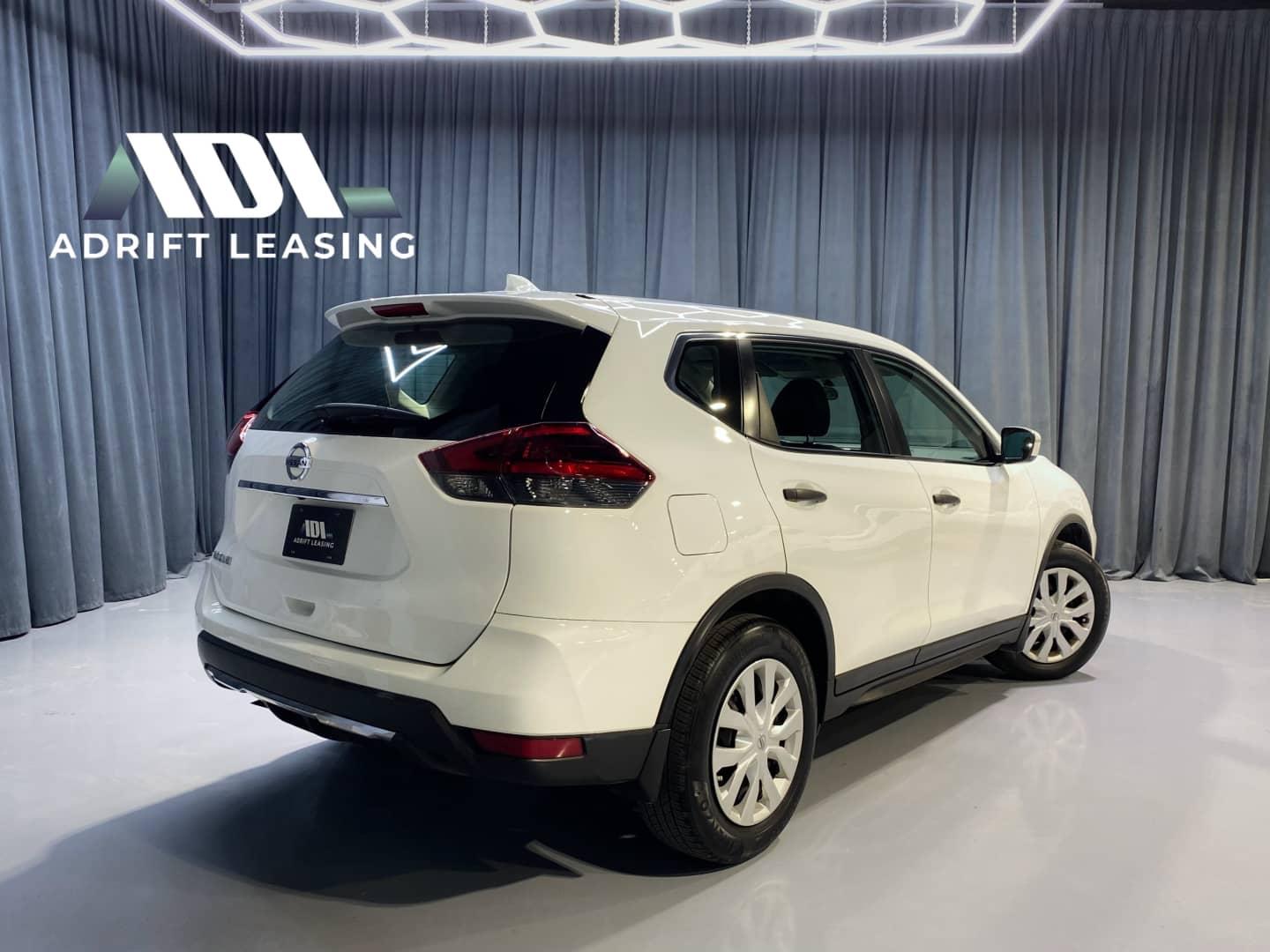
The 2020 Nissan Rogue with 170 hp features a 2.5-liter 4-cylinder engine paired with an Xtronic CVT, delivering balanced fuel economy, daily drivability, and a comfortable ride for compact SUV buyers.
Introduction to the 2020 Nissan Rogue and Its Powertrain
The compact crossover SUV segment has long been one of the most fiercely contested categories in the automotive industry. Amidst a sea of competitors, the Nissan Rogue has consistently maintained a strong market presence thanks to its family-friendly packaging, comfortable seating, and generous cargo capacity. For the 2020 model year, Nissan carried forward a trusted and familiar powertrain formula: a 2.5-liter naturally aspirated four-cylinder engine producing 170 horsepower.
While some competitors in 2020 began pivoting toward turbocharged or hybrid powerplants to chase higher output figures or rapid acceleration metrics, the 2020 Nissan Rogue remained committed to a pragmatic approach. It targeted daily commuters, small families, and cost-conscious buyers looking for reliable, straightforward transportation. Understanding what a 170-horsepower output means in practical terms requires looking past the window sticker and examining how the engine, transmission, chassis, and safety features work together on the road.
Engine Specifications and Mechanical Foundations
At the heart of the 2020 Nissan Rogue is the QR25DE engine, a 2.5-liter, dual-overhead-camshaft (DOHC) inline-four cylinder engine. This powerplant generates 170 horsepower at 6,000 rpm and 175 lb-ft of torque at 4,400 rpm.
The engine utilizes aluminum-alloy block and cylinder heads, along with Nissan's Continuous Variable Valve Timing Control (CVTCS) on both intake and exhaust valves, which optimizes breathing across varying engine speeds. While these numbers placed the Rogue squarely in the middle of the compact SUV pack for the 2020 model year—trailing some turbocharged rivals but outperforming basic base-engine competitors—the torque delivery is tuned for low-to-mid-range responsiveness. This calibration helps the vehicle feel relatively lively when pulling away from a traffic light or merging into city traffic.
The Role of the Xtronic Continuously Variable Transmission (CVT)
The 170-horsepower engine in the 2020 Nissan Rogue is exclusively mated to Nissan's Xtronic Continuously Variable Transmission with Sport Mode shifter. Unlike a traditional stepped-gear automatic transmission, a CVT uses a system of pulleys and a steel belt to provide a virtually infinite number of gear ratios.
This design allows the engine to operate at its most fuel-efficient RPM range under steady cruising conditions. However, under heavy acceleration, the transmission often commands the engine to rev high and hold those revs, resulting in the distinct vocal drone characteristic of many CVTs from this era. To mitigate this, Nissan incorporated "D-Step Logic," which simulates traditional gear shifts under hard throttle to create a more natural acceleration feel and reduce engine drone.
Performance, Driving Dynamics, and Fuel Economy
Evaluating the 2020 Nissan Rogue with 170 hp requires balancing expectations regarding straight-line speed against its true design priorities: ride comfort, predictable handling, and efficiency.
Acceleration and Highway Passing
With 170 horsepower moving a curb weight that ranges from approximately 3,454 pounds for front-wheel-drive (FWD) models to 3,582 pounds for all-wheel-drive (AWD) variants, the Rogue's acceleration can be described as adequate rather than exhilarating. Zero-to-60 mph testing typically lands in the high-8 to low-9-second range.
When executing highway passes or climbing steep mountain grades, the driver must plan ahead and press the accelerator firmly. The engine does its best work when pushed, but it will protest audibly through high-RPM whines if hurried aggressively. Once up to cruising speed, however, the cabin remains quiet and settled, making it a relaxed long-distance cruiser.
Fuel Economy Advantages
One of the primary benefits of the 170-hp 2.5-liter engine is its efficiency at the pump. According to EPA estimates for the 2020 model year, front-wheel-drive models achieve roughly 26 mpg in the city and 33 mpg on the highway, yielding a combined rating of around 29 mpg. Selecting Intelligent All-Wheel Drive reduces these figures slightly to approximately 25 mpg city, 32 mpg highway, and 27 mpg combined. These figures made the Rogue competitive in fuel savings compared to less aerodynamic or heavier competitors of its generation.
Trim Levels and Feature Distribution
Nissan offered the 2020 Rogue across three primary trim levels: S, SV, and SL. Every single one of these trims shared the exact same 170-horsepower 2.5-liter engine and Xtronic CVT combination. Buyers did not have to upgrade to a higher trim level to access more horsepower, allowing shoppers to choose their trim based purely on comfort, technology, and interior amenities.
| Trim Level | Drivetrain Options | Notable Standard Features | Wheel Size |
|---|---|---|---|
| S (Base) | FWD / Intelligent AWD | Nissan Safety Shield 360, 7-inch touchscreen, Apple CarPlay, Android Auto | 17-inch Steel / Alloy |
| SV (Mid) | FWD / Intelligent AWD | ProPILOT Assist, Power liftgate, Dual-zone automatic climate control, Heated front seats | 18-inch Aluminum Alloy |
| SL (Top) | FWD / Intelligent AWD | Leather-appointed seats, Bose audio system, Around View Monitor, ProPILOT Assist | 19-inch Aluminum Alloy |
Safety and Driver-Assistance Technologies
A standout characteristic of the 2020 Nissan Rogue lineup is the democratization of advanced safety features. Nissan made its Safety Shield 360 suite standard equipment across all three trim levels (S, SV, and SL).
This comprehensive suite includes:
- Automatic Emergency Braking with Pedestrian Detection
- Blind Spot Warning
- Rear Cross Traffic Alert
- Lane Departure Warning
- High Beam Assist
- Rear Automatic Braking
Furthermore, mid-grade SV and top-tier SL trims featured Nissan's ProPILOT Assist system. This technology combines Intelligent Cruise Control with Steering Assist, helping reduce driver fatigue during long highway commutes or heavy stop-and-go traffic jams by maintaining a set distance from the vehicle ahead and keeping the Rogue centered within its lane markings.
Practicality, Interior Comfort, and Cargo Versatility
Beyond engine specifications, the interior packaging of the 2020 Nissan Rogue remains one of its strongest selling points. Nissan's signature "Zero Gravity" seats are engineered to distribute body pressure more evenly across the occupant's seating surface, significantly reducing fatigue on extended road trips.
Cargo management is another area where the Rogue excels. It features the innovative Divide-N-Hide cargo system, which consists of adjustable shelves and dividers that can be configured in multiple ways to create hidden storage compartments, secure grocery bags, or expand vertical cargo space. With the rear seats upright, the Rogue offers 39.3 cubic feet of cargo capacity; folding the 60/40 split-folding rear seats flat expands that capacity to a generous 70.0 cubic feet, providing competitive utility for furniture hauling, camping gear, or luggage.
Common Owner Considerations and Maintenance Realities
For prospective buyers or current owners examining a 2020 Nissan Rogue with 170 hp, understanding long-term mechanical traits is essential for vehicle longevity.
Transmission Maintenance and Longevity
The Xtronic CVT has historically been a focal point for Nissan owners. While Nissan made substantial software and hardware revisions to improve durability in later model years like 2020, regular maintenance remains non-negotiable. Mechanics and specialists universally recommend changing the CVT fluid every 30,000 to 45,000 miles to prevent premature wear on the internal steel belt and pulley system. Neglecting fluid changes is the leading cause of premature CVT failure in vehicles of this era.
Engine Reliability
The 2.5-liter QR25DE engine is fundamentally a mature, robust design that has undergone decades of refinement. When supplied with regular oil changes and clean filters, this engine easily exceeds 150,000 to 200,000 miles without major internal mechanical issues. It does not suffer from complex turbocharger maintenance concerns or high-pressure direct-injection carbon buildup issues that plagued some competitor engines of the same era.
Frequently Asked Questions
Is the 170 hp engine in the 2020 Nissan Rogue turbocharged?
No, the 2.5-liter four-cylinder engine in the 2020 Nissan Rogue is naturally aspirated. It relies on atmospheric pressure rather than a turbocharger or supercharger to generate its 170 horsepower and 175 lb-ft of torque, resulting in linear power delivery and simpler mechanical maintenance.
Can the 2020 Nissan Rogue with 170 hp tow a trailer?
When properly equipped, the 2020 Nissan Rogue has a maximum towing capacity of 1,102 pounds. This rating is sufficient for small utility trailers, lightweight pop-up campers, or a pair of personal watercraft, but it is not engineered for heavy-duty towing.
What is the difference in fuel economy between FWD and AWD models?
Front-wheel-drive (FWD) models achieve slightly better fuel economy, rated at approximately 26 mpg city and 33 mpg highway. Intelligent All-Wheel Drive (AWD) models trade about 1 mpg across the board, averaging roughly 25 mpg city and 32 mpg highway due to the added mechanical weight and drivetrain resistance.
Does the base S trim level include Apple CarPlay and Android Auto?
Yes, every 2020 Nissan Rogue, starting from the base S trim up to the SL, includes a 7-inch touchscreen infotainment display with standard Apple CarPlay and Android Auto smartphone integration.
How often should the CVT fluid be changed on a 2020 Nissan Rogue?
To ensure long-term reliability of the Xtronic CVT transmission paired with the 170-hp engine, it is highly recommended to service and replace the Nissan NS-3 CVT fluid every 30,000 to 45,000 miles, especially under heavy stop-and-go driving conditions.
Conclusion and Final Recommendation
The 2020 Nissan Rogue with 170 hp is a quintessential compact SUV designed to prioritize comfort, everyday safety, and predictable fuel economy over aggressive performance. While its naturally aspirated engine and CVT pairing will not satisfy driving enthusiasts seeking rapid acceleration or sporty handling, it fulfills the core demands of daily commuting and family road trips with ease. For shoppers seeking a used compact crossover with a comprehensive suite of standard safety features, comfortable seating, and exceptional cargo versatility, the 2020 Rogue remains a practical and sensible choice provided its transmission has been maintained properly.