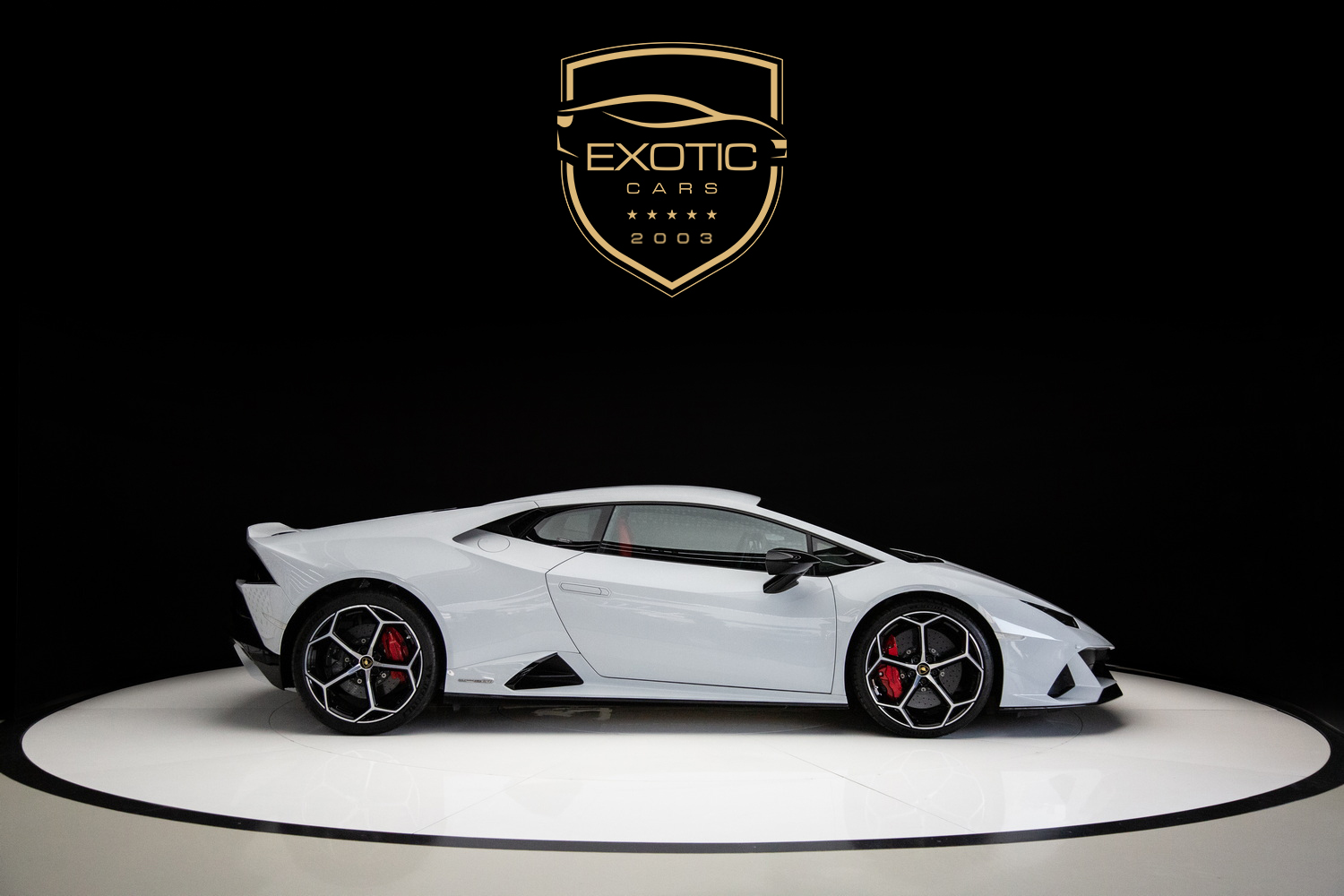
The 2020 Lamborghini Huracan Evo features a 5.2-liter naturally aspirated V10 engine producing 630 horsepower and 443 lb-ft of torque, a top speed of 202 mph, and a 0-60 mph acceleration time of 2.9 seconds. It incorporates advanced vehicle dynamics control systems, rear-wheel steering, and torque vectoring to deliver razor-sharp handling and everyday usability.
Introduction to the 2020 Lamborghini Huracan Evo
The automotive landscape shifted significantly when Lamborghini introduced the Huracan Evo for the 2020 model year. Serving as a major mid-cycle refresh and evolution of the original Huracan platform, the Evo inherited the mechanical heart and track-proven pedigree of the high-performance Huracan Performante. Automotive enthusiasts and prospective buyers investigating 2020 lamborghini huracan evo specs quickly realize that this iteration is more than just a cosmetic update; it represents a comprehensive integration of active aerodynamics, advanced chassis control, and an extensively recalibrated powertrain.
Evaluating a supercar of this caliber requires looking past the baseline marketing numbers and examining the precise engineering principles that govern its performance on both public highways and closed race circuits. Whether analyzing the screaming naturally aspirated V10 engine, the intricate electronic brain orchestrating its dynamics, or the aerodynamic efficiency of its sculpted carbon-aluminum composite body, every specification tells a story of Italian engineering excellence. This technical review breaks down the exact performance data, interior features, mechanical architecture, and operational parameters of the 2020 Lamborghini Huracan Evo.
Powertrain and Engine Performance Specifications
At the absolute center of the Huracan Evo's appeal is its propulsion system. While the modern automotive industry rapidly transitions toward forced induction and electrification, Lamborghini remained fiercely committed to high-displacement, naturally aspirated combustion engineering.
The 2020 Huracan Evo utilizes a mid-mounted 5.2-liter (5,204 cc) naturally aspirated V10 engine featuring a 90-degree V-angle. This powerplant relies on a dual-injection system combining multi-point port injection and direct stratified fuel injection (IDS), optimizing combustion efficiency across a wide rev range. The compression ratio stands at an aggressive 12.7:1, allowing the engine to scream all the way to an 8,500 rpm redline.
- Maximum Power: 630 horsepower (640 PS) at 8,000 rpm.
- Maximum Torque: 443 lb-ft (600 Nm) at 6,500 rpm.
- Specific Output: Approximately 121.1 horsepower per liter.
- Valvetrain: Double overhead camshafts with variable valve timing on intake and exhaust sides.
This immense power output is routed through a 7-speed dual-clutch transmission (DCT) known as Lamborghini LDF (Doppia Frizione). The gearbox features wet multi-plate clutches and is calibrated to deliver lightning-fast upshifts while executing rev-matched downshifts. Power is distributed to all four wheels via an electronically controlled all-wheel-drive (AWD) system equipped with a rear mechanical self-locking differential.
Acceleration and Speed Metrics
Raw numbers outline a vehicle capable of challenging elite hypercars in a sprint. The integration of Launch Control allows the Huracan Evo to maximize traction from a standstill, mitigating tire slip through intelligent torque allocation.
- 0–60 mph (0–100 km/h): 2.9 seconds (0–100 km/h in 2.9 seconds).
- 0–124 mph (0–200 km/h): 8.9 seconds.
- Top Speed: 202 mph (325 km/h).
- Braking Distance (62–0 mph / 100–0 km/h): 31.9 meters utilizing carbon-ceramic brakes.
Chassis, Dynamics, and LDVI Technology
The defining technical breakthrough of the 2020 Huracan Evo is the introduction of the Lamborghini Dinamica Veicolo Integrata (LDVI). The LDVI is a centralized processing unit that acts as the vehicle's electronic brain, coordinating every aspect of the dynamic behavior of the car.
Before the LDVI system, individual vehicle sub-systems—such as traction control, stability control, all-wheel drive, and steering—communicated with some latency. The LDVI system integrates these systems in real-time, anticipating the driver's next move based on inputs from steering angle, throttle position, and braking force, combined with a suite of sensors known as the Lamborghini Piattaforma Inerziale (LPI). The LPI consists of a network of gyroscopes and accelerometer sensors placed precisely at the car's center of gravity to monitor lateral, longitudinal, and vertical accelerations.
Steering and Suspension Architecture
Agility and high-speed stability are achieved through a combination of mechanical fortitude and electronic wizardry. The chassis utilizes a hybrid structure constructed from aluminum and carbon fiber, balancing torsional rigidity with minimal weight.
- Steering System: Electromechanical power steering paired with Lamborghini Dynamic Steering (LDS), which varies the steering ratio based on vehicle speed and driving mode.
- Rear-Wheel Steering: The Evo incorporates a rear-wheel steering system that operates independently via two electromechanical actuators. At low speeds, the rear wheels turn counter to the front wheels to effectively shorten the wheelbase and enhance maneuverability. At high speeds, they turn in parallel with the front wheels to extend the virtual wheelbase and maximize high-speed stability.
- Suspension: Double-wishbone independent suspension front and rear, complemented by MagneRide electromagnetic dampers that adjust fluid viscosity in real-time to counteract body roll and pitch.
Aerodynamics and Exterior Design
The exterior styling of the 2020 Huracan Evo is intrinsically linked to its aerodynamic performance. Compared to the original Huracan, the Evo generates five times more downforce and significantly improved aerodynamic efficiency without increasing aerodynamic drag.
The front splitter features an integrated wing that actively channels air underneath the chassis, while the redesigned side air intakes optimize cooling for the engine and transmission oil coolers. At the rear, the high-mounted twin exhaust outlets mimic the layout of race-bred variants, clearing space for a slotted rear diffuser that accelerates airflow exiting beneath the vehicle.
| Specification Parameter | Technical Detail |
|---|---|
| Body Structure | Integrated aluminum and carbon fiber spaceframe |
| Curb Weight (Dry) | 3,135 lbs (1,422 kg) |
| Weight Distribution | 43% Front / 57% Rear |
| Wheelbase | 103.1 inches (2,620 mm) |
| Overall Length | 175.6 inches (4,459 mm) |
| Overall Width (Mirrors included) | 88.0 inches (2,236 mm) |
| Overall Height | 45.6 inches (1,165 mm) |
Interior, Technology, and Ergonomics
Stepping inside the cockpit reveals a driver-focused cabin that blends motorsport aesthetics with luxury materials. The centerpiece of the interior tech upgrade for the 2020 model year is an advanced 8.4-inch capacitive touchscreen embedded in the center console. This interface controls comfort functions, infotainment, climate control, and real-time telemetry tracking.
The system includes Apple CarPlay integration, connected navigation, and a multi-finger gesture control system. Drivers can also monitor the status of the LDVI system in real-time via the touchscreen, observing how torque is distributed between axles and how the stability systems intervene.
Upholstery options range from premium leather to Alcantara, with customizable stitching and carbon-skin accents available through the Lamborghini Ad Personam personalization program. The instrument cluster consists of a customizable 12.3-inch TFT display that shifts its graphics layout based on the selected driving mode.
Driving Modes: ANNA-C
Driver engagement is managed through the steering-wheel-mounted Tamburo control switch, which cycles through three distinct ANIMA (Adaptive Network Intelligent Management) driving modes. Each mode fundamentally alters engine response, transmission behavior, all-wheel-drive torque split, traction control thresholds, and suspension stiffness.
- STRADA: Calibrated for everyday driving, maximum stability, and comfort. Gearshifts are smooth, the exhaust note is subdued at cruising speeds, and the stability control systems intervene early to prevent loss of traction on wet or compromised road surfaces.
- SPORT: Tailored for dynamic, responsive driving on winding roads. The exhaust note becomes aggressive with sharp backfires on overrun, rear-wheel steering allows for controlled oversteer slides, and the transmission shifts with aggressive crispness.
- CORSA: Designed strictly for track use. Every parameter is maximized for absolute lap times. The AWD system prioritizes rear-axle power delivery, stability controls are relaxed to allow optimal slip angles, and the dual-clutch transmission executes lightning-fast, highly mechanical shifts.
Wheels, Brakes, and Tires
Keeping a 630-horsepower supercar planted requires exceptional contact patches and immense stopping power. The 2020 Huracan Evo rides on staggered alloy wheels wrapped in specially developed Pirelli P Zero tires.
- Front Wheels & Tires: 20 x 8.5J wheels paired with 245/30 R20 tires.
- Rear Wheels & Tires: 20 x 11.0J wheels paired with 305/30 R20 tires.
- Braking System: Ventilated and cross-drilled carbon-ceramic brake discs measuring 380 mm x 38 mm with 6-piston monoblock aluminum calipers at the front, and 356 mm x 32 mm discs with 4-piston calipers at the rear. Carbon-ceramic brakes ensure exceptional resistance to brake fade during aggressive track sessions.
Maintenance, Operational Costs, and Ownership Considerations
Operating a high-performance Italian supercar involves specific financial and logistical commitments. Maintenance schedules must be strictly followed to preserve mechanical integrity.
- Fuel Economy: EPA ratings typically yield around 13 mpg city, 18 mpg highway, and 15 mpg combined. Premium unleaded fuel (91 octane or higher) is strictly required.
- Service Intervals: Annual service or every 9,000 miles (whichever comes first) is recommended by Lamborghini, involving oil changes, filter replacements, and electronic diagnostics.
- Clutch and Brake Wear: Carbon-ceramic brakes last significantly longer than traditional iron discs under normal road driving, but frequent track use will necessitate expensive component replacements.
Disclaimer: Automotive performance figures, fuel economy ratings, and maintenance costs can vary based on regional specifications, environmental conditions, and individual driving habits. Prospective owners should consult authorized Lamborghini service centers for exact, region-specific maintenance pricing and warranty terms.
Frequently Asked Questions
What is the top speed of the 2020 Lamborghini Huracan Evo?
The 2020 Lamborghini Huracan Evo has an officially verified top speed of 202 mph (325 km/h). This high velocity is achieved through its aerodynamic efficiency, low drag coefficient, and the high-rpm power delivery of its 630-horsepower naturally aspirated V10 engine.
How fast does the Huracan Evo accelerate from 0 to 60 mph?
The car accelerates from 0 to 60 mph in 2.9 seconds utilizing its all-wheel-drive system and factory-integrated Launch Control. It can also reach 124 mph (200 km/h) from a standstill in 8.9 seconds.
Does the 2020 Huracan Evo have all-wheel drive or rear-wheel drive?
The standard 2020 Huracan Evo features an electronically controlled all-wheel-drive system with a rear mechanical self-locking differential. (Lamborghini also introduced a rear-wheel-drive variant later in the model cycle, designated as the Huracan Evo RWD).
What makes the LDVI system unique in the Evo?
The Lamborghini Dinamica Veicolo Integrata (LDVI) is a centralized onboard computer that predicts and commands the vehicle's dynamic behavior in real-time. By synthesizing data from steering, braking, suspension, and all-wheel-drive systems simultaneously rather than reacting sequentially, it provides exceptional agility and predictability.
What size engine does the 2020 Huracan Evo use?
It uses a 5.2-liter (5,204 cc) naturally aspirated 90-degree V10 engine. Unlike many modern supercars that rely on turbochargers, this engine delivers linear power output and a high-revving character peaking at an 8,500 rpm redline.
Conclusion and Final Recommendation
The 2020 Lamborghini Huracan Evo represents a high-water mark for naturally aspirated supercars. By combining the aggressive engineering of the Performante with everyday drivability, updated touchscreen technology, and the revolutionary LDVI chassis control system, it bridges the gap between raw track machine and sophisticated grand tourer. For buyers evaluating performance metrics, engineering pedigree, and sensory feedback, the Huracan Evo remains an engineering masterpiece. Review service history records thoroughly before purchasing a pre-owned model, ensure a professional pre-purchase inspection by an authorized technician, and verify that all factory software updates have been applied to experience the vehicle as intended.