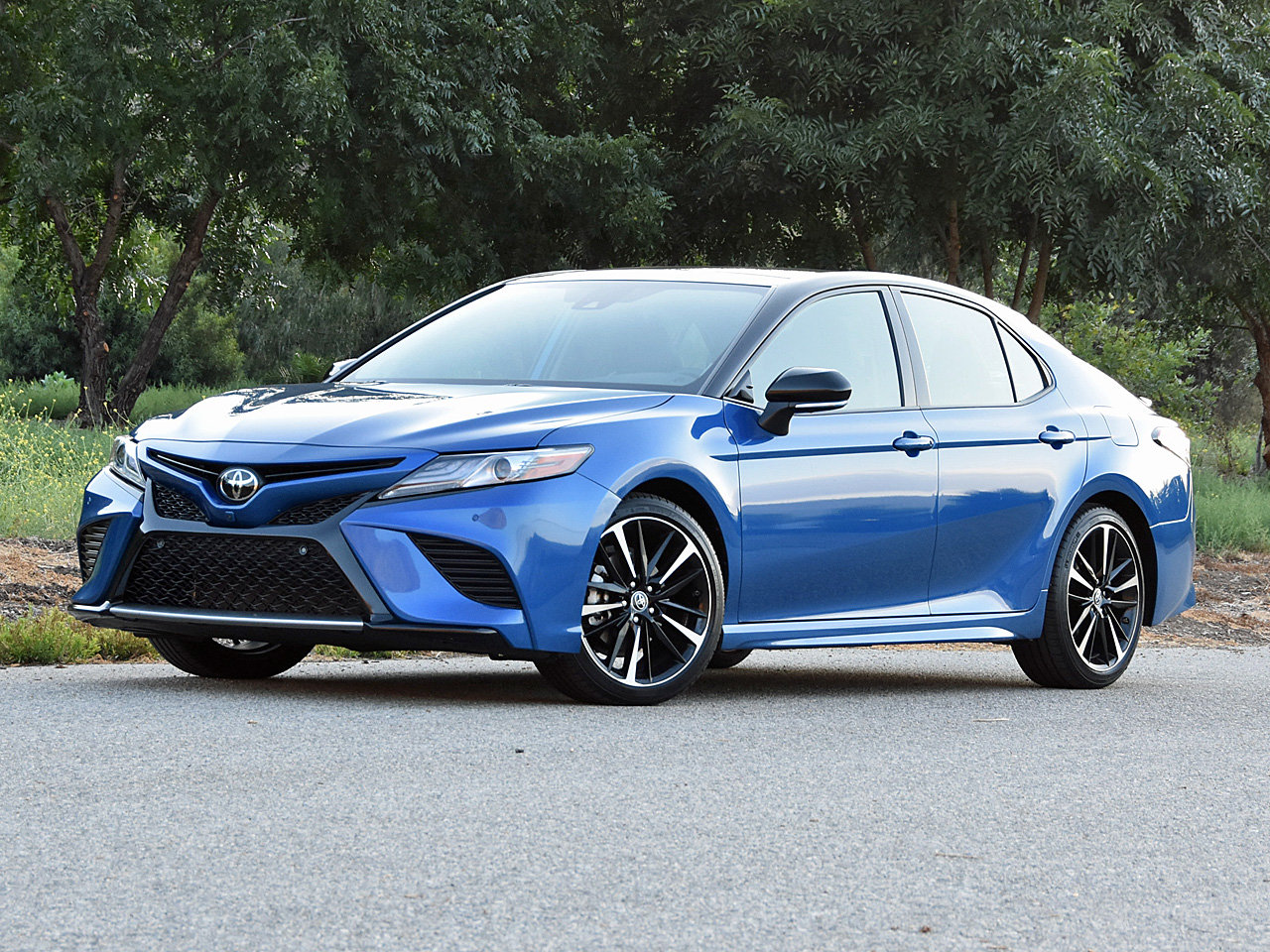
The 2019 Toyota Camry XSE is officially rated by the EPA at 28 mpg in the city, 39 mpg on the highway, and 32 mpg combined when equipped with the standard 2.5-liter 4-cylinder engine. These figures represent the baseline efficiency for the XSE trim, though actual fuel economy varies significantly based on engine selection, driving conditions, maintenance, and individual driver behavior.
Understanding the 2019 Toyota Camry XSE Powertrain Options
To understand the fuel economy of the 2019 Toyota Camry XSE, one must first distinguish between the two available engine configurations. The XSE trim was unique in the 2019 lineup because it offered buyers a choice between the high-efficiency 4-cylinder engine and a more powerful V6 variant. These two engines utilize different mechanical architectures, resulting in distinct fuel consumption profiles.
The standard engine for the XSE is the 2.5-liter Dynamic Force 4-cylinder. This engine was engineered with a focus on thermal efficiency, utilizing a long-stroke design and high-compression ratio to extract the maximum amount of energy from every drop of fuel. When paired with the 8-speed Direct Shift automatic transmission, this powertrain provides the manufacturer's advertised figures of 28/39/32 mpg.
Conversely, the optional 3.5-liter V6 engine—which provides significantly higher horsepower—naturally consumes more fuel. The V6 XSE model is rated at approximately 22 mpg in the city, 32 mpg on the highway, and 26 mpg combined. Understanding which engine is under the hood of your specific vehicle is the single most important factor in determining what your expected fuel consumption should be.
EPA Testing Methodology vs. Real-World Driving
The fuel economy numbers provided by the Environmental Protection Agency (EPA) are generated in a controlled laboratory environment using standardized test cycles. These tests, known as the Federal Test Procedure (FTP) and the Highway Fuel Economy Test (HWFET), simulate city and highway driving patterns, including idling, stop-and-go traffic, and acceleration profiles.
However, real-world driving rarely mirrors these laboratory conditions. Several variables specific to the 2019 Camry XSE can cause your personal fuel economy to deviate from the window sticker:
- Aerodynamics and Rolling Resistance: The XSE trim features larger 19-inch alloy wheels compared to the smaller wheels found on the LE or SE trims. These wider, larger tires increase rolling resistance and alter the vehicle’s drag coefficient, which can slightly reduce efficiency compared to the base model.
- Driving Style: The Camry XSE is tuned for a sportier feel. Aggressive acceleration, frequent hard braking, and maintaining high speeds significantly increase fuel consumption. The 8-speed transmission is designed to reach top gear quickly to save fuel, but spirited driving can force the transmission to hold lower gears longer, negating these benefits.
- Ambient Temperature: Modern engines operate most efficiently at specific temperatures. In extreme cold, the engine takes longer to reach optimal operating temperature, and the oil viscosity is higher, creating internal drag. Additionally, the use of climate control systems, particularly the air conditioning compressor, places a mechanical load on the engine that reduces overall efficiency.
Technical Specifications and MPG Impact
The fuel efficiency of the 2019 Toyota Camry XSE is not solely the result of the engine size; it is a product of the entire drivetrain integration. The 8-speed automatic transmission plays a critical role. By offering a wider ratio spread, the transmission allows the engine to operate at lower revolutions per minute (RPM) while cruising at highway speeds. This reduces internal engine friction and lowers fuel consumption.
Furthermore, the 2019 model utilizes variable valve timing on both the intake and exhaust sides (VVT-iE on the intake side for the 4-cylinder). This technology continuously adjusts the timing of the valve opening to suit the engine's current load. When cruising, the engine can adopt an Atkinson cycle-like operation, which prioritizes efficiency over raw power. When the driver demands rapid acceleration, the system reverts to a conventional Otto cycle to maximize power output.
Fuel Economy Comparison Table
The following table outlines the approximate fuel economy differences between the two primary engine configurations offered for the 2019 Toyota Camry XSE.
| Engine Configuration | City MPG | Highway MPG | Combined MPG |
|---|---|---|---|
| 2.5L 4-Cylinder | 28 | 39 | 32 |
| 3.5L V6 | 22 | 32 | 26 |
Note: Figures are based on EPA estimates for the 2019 model year. Your actual mileage will vary.
Factors Affecting Long-Term Fuel Efficiency
As we move into 2026, many 2019 Camry units have accumulated significant mileage. Maintaining optimal fuel economy in an older vehicle requires diligent adherence to the manufacturer's recommended maintenance schedule. Fuel economy is a system-wide metric; if one component fails, the entire efficiency chain is compromised.
1. Tire Pressure and Maintenance: Under-inflated tires increase rolling resistance, forcing the engine to work harder to maintain speed. Check your tire pressure at least once a month, especially as temperatures shift seasonally. Refer to the sticker on the driver’s side door jamb for the manufacturer-recommended PSI, rather than the maximum pressure listed on the tire sidewall.
2. Air Filter Cleanliness: A clogged engine air filter restricts airflow to the combustion chamber. While modern engine management systems compensate for this by adjusting fuel injection, an obstructed intake forces the engine to operate outside of its optimal efficiency map. Replacing the filter according to the manual is a cost-effective way to protect your mpg.
3. Spark Plugs and Ignition: The 2019 Camry uses long-life iridium spark plugs. Over time, the electrodes wear down, leading to inconsistent combustion. While these plugs are designed to last for roughly 100,000 miles, degraded ignition timing can cause subtle misfires that, while not triggering a check engine light, will lead to a gradual decline in fuel economy.
4. Fuel Quality: Toyota recommends 87 octane (regular) gasoline for both the 4-cylinder and the V6 engines. Using higher octane fuel (premium) does not increase fuel economy or power in the 2019 Camry, as the engine control unit is not tuned to take advantage of the higher resistance to detonation. Using the correct grade of fuel ensures the engine operates as intended by the manufacturer.
Troubleshooting Declining Fuel Economy
If you notice a sudden or significant drop in your fuel economy that cannot be explained by changes in your commute or driving habits, consider the following diagnostic steps:
- Check for Dragging Brakes: A seized brake caliper can cause a pad to constantly rub against the rotor. This creates massive parasitic drag. If the car feels sluggish or if one wheel is significantly hotter than the others after a drive, have the brake system inspected immediately.
- Monitor the Check Engine Light: Even if the light is not illuminated, there may be "pending codes" stored in the Engine Control Unit (ECU). A scanner can identify if a sensor—such as an Oxygen (O2) sensor—is reporting data that is slightly outside of parameters, causing the engine to run "rich" (using more fuel than necessary).
- Evaluate Load: Are you carrying excessive weight in the trunk? An extra 100 pounds of cargo can decrease fuel efficiency by approximately 1–2%. Emptying the vehicle of unnecessary items is a simple way to recover lost mpg.
Maximizing Your 2019 Camry XSE Efficiency
To achieve or exceed the EPA-estimated 39 mpg highway rating, consider modifying your driving techniques. The most effective method is to utilize "hypermiling" techniques in a safe, legal manner. This includes accelerating gently from a stop, as the first few gears consume the most fuel. Aim to reach your cruising speed steadily rather than rapidly.
Anticipation is another vital tool. By observing traffic patterns ahead, you can avoid unnecessary braking. Every time you hit the brakes, you lose the kinetic energy that required fuel to build up in the first place. When you see a red light a block away, coasting to a stop rather than driving up to the light and braking hard is significantly more fuel-efficient.
On the highway, aerodynamics become the dominant factor. Wind resistance increases exponentially with speed. While the 2019 Camry is designed to be aerodynamic, traveling at 75–80 mph will yield lower fuel economy than traveling at 65–70 mph. If fuel savings are your priority, maintaining a steady, moderate speed will provide the highest return on your effort.
Common Misconceptions
There is a common belief that shifting into neutral while coasting saves fuel. In the 2019 Toyota Camry XSE, this is not only ineffective but potentially dangerous. The fuel injection system is programmed to enter "deceleration fuel cut-off" mode when you take your foot off the accelerator while the vehicle is in gear. This effectively stops the flow of fuel to the engine entirely while the momentum of the car keeps the engine spinning. When you shift to neutral, the engine must burn fuel to maintain an idle speed. Therefore, keeping the car in gear is the most efficient way to coast.
Another misconception involves engine warm-up. In 2026, we have the benefit of knowing that long idling periods are unnecessary and harmful to fuel economy. Starting the car and driving away gently after 30 seconds is sufficient, even in cold climates. Letting the car idle for 10 minutes to "warm up" burns a significant amount of fuel and does not properly warm the transmission or differential, which also need to be moving to reach operating temperature.
FAQ: Common Questions About 2019 Camry XSE MPG
Does the 2019 Camry XSE use more gas than other trims? Yes, slightly. Because the XSE trim is equipped with larger, wider tires and often carries a slightly higher curb weight due to added luxury features, it may see a marginal decrease in efficiency compared to the lighter LE or SE trims with smaller wheel configurations.
Will using premium gasoline improve my MPG? No. The 2019 Toyota Camry XSE is calibrated for 87 octane regular gasoline. Using premium fuel will not increase power or efficiency, as the engine's compression ratio and timing are not designed to benefit from the higher octane rating.
Does the sport mode affect fuel economy? Yes. Selecting "Sport" mode changes the transmission shift logic and throttle response. The car will hold gears longer and downshift more readily, which increases the RPMs and inevitably leads to higher fuel consumption compared to "Normal" or "Eco" modes.
How do I verify my own fuel economy? The most accurate way is the manual calculation method. When you fill your tank, reset your trip odometer to zero. At your next fill-up, divide the number of miles driven by the number of gallons required to fill the tank to the same level. Compare this to the figure displayed on your dashboard’s Multi-Information Display (MID) to understand the accuracy of your car's internal computer.
Is the XSE V6 much worse on gas than the 4-cylinder? It depends on your driving environment. In highway cruising, the difference is noticeable but manageable. In stop-and-go city traffic, the V6 consumes significantly more fuel due to its larger displacement and lower internal efficiency compared to the 2.5L Dynamic Force engine.
Final Recommendation
To ensure your 2019 Toyota Camry XSE consistently meets its fuel economy potential, prioritize the "three pillars" of maintenance: tire pressure, air filtration, and adherence to the Toyota-recommended service intervals. If you are shopping for a used unit in 2026, prioritize vehicles with verified service records, as a neglected engine will rarely achieve its EPA-rated fuel efficiency. If you find your current fuel economy is persistently below the 26–32 mpg combined range, have a technician inspect the O2 sensors and verify that there are no "hidden" sources of mechanical drag, such as sticking brake calipers.