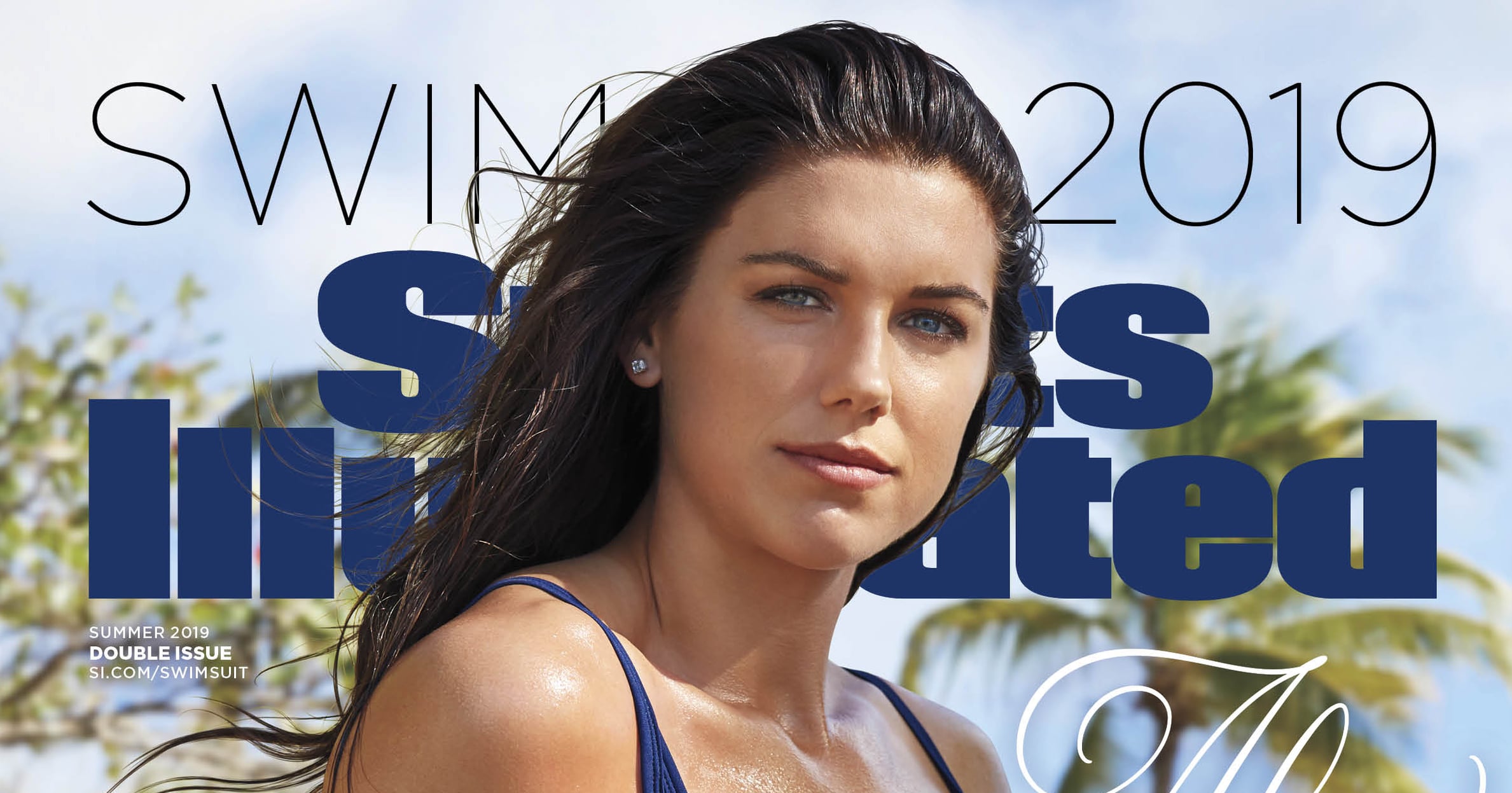
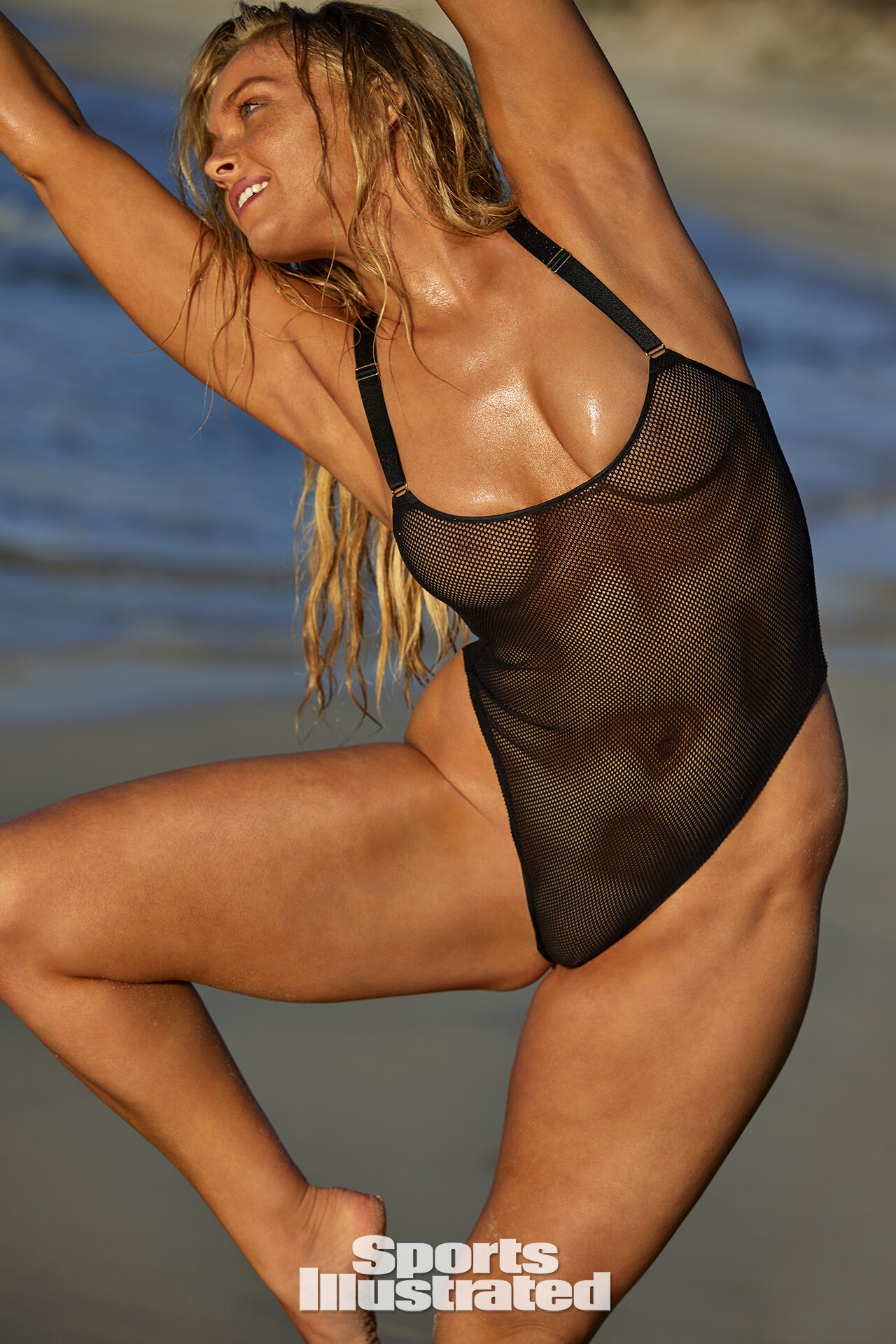
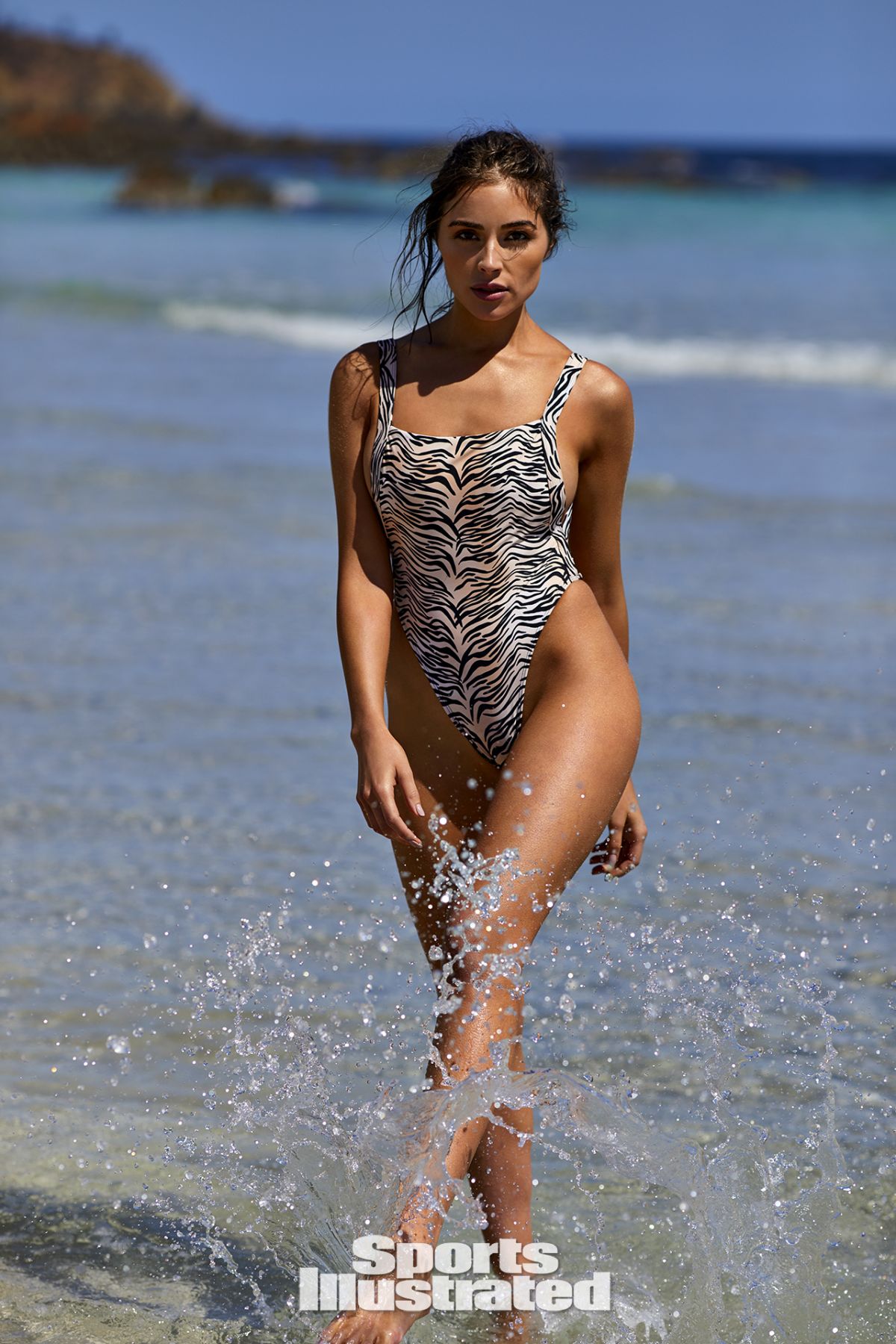
The 2019 Sports Illustrated Swimsuit Issue marked a significant pivot in the publication’s editorial strategy, emphasizing body diversity, professional athleticism, and global cultural representation. While the edition moved toward modern inclusivity, it simultaneously triggered debates regarding the ongoing relevance of the "male gaze" in fashion media and the authenticity of the brand's commitment to progressive beauty standards.
The Evolution of the Sports Illustrated Swimsuit Brand
Since its inception in 1964, the Sports Illustrated (SI) Swimsuit Issue served as a foundational pillar of American pop culture, often dictating trends in modeling and aesthetic ideals. For decades, the publication was synonymous with a specific archetype: the supermodel in a tropical, idealized setting. By the late 2010s, however, the cultural landscape regarding body image and gender representation had shifted dramatically.
The 2019 edition arrived at a moment of transition for the magazine, which was navigating the decline of print media and a necessary rebrand to remain competitive in a digital-first economy. To maintain relevance, SI moved away from its legacy format to embrace a more varied definition of beauty. This edition was characterized by its attempt to bridge the gap between traditional glamour and a more contemporary, inclusive editorial vision.
Key Changes in the 2019 Edition
The 2019 issue introduced several structural and thematic shifts that distinguished it from predecessors. The editorial team, led by editor MJ Day, prioritized three specific areas of diversification:
1. The Inclusion of Diverse Body Types
While 2019 was not the first year SI featured non-traditional modeling sizes, it was the year the strategy felt fully integrated rather than performative. The inclusion of models who did not fit the thin-ideal mold—including those with different heights, weights, and backgrounds—signaled a move toward "body positivity" that had become a standard expectation for lifestyle magazines by 2019.
2. Professional Athlete Integration
Unlike earlier decades where professional athletes were occasional cameos, the 2019 edition prominently featured high-profile female athletes. This inclusion was intended to recontextualize the "swimsuit model" role as an extension of athletic capability, focusing on strength, discipline, and performance. By featuring Olympians and professional players, the magazine sought to frame the swimsuit as a garment of action rather than passive objectification.
3. Global Diversity and Cultural Context
The magazine chose locations that provided deep cultural backdrops, moving away from generic beach scenes. The 2019 shoot locations, such as Kenya and the Philippines, were paired with more narrative-driven content, attempting to move the focus from the static image to a travel-and-culture format.
Major Controversies and Critical Reception
Despite the efforts to evolve, the 2019 edition faced sustained scrutiny from various ideological camps. The controversies surrounding this issue offer a case study in the difficulties of modernizing legacy media.
The Problem of the "Male Gaze"
Critics argued that regardless of the diversity of the models, the fundamental premise of the Swimsuit Issue remained rooted in the "male gaze"—a term describing the tendency of visual media to depict the world and women from a masculine, heterosexual point of view. Opponents of the brand argued that inclusivity within a swimsuit context was contradictory; they claimed that by continuing to package women for the primary enjoyment of a male audience, the magazine was merely updating its aesthetic without addressing the underlying power imbalances inherent in the format.
Accusations of "Performative Inclusivity"
A recurring critique leveled at the 2019 edition was that the diversity was "performative." Critics pointed out that while the magazine featured a broader range of bodies, the overall styling, posing, and retouching processes remained largely unchanged from the magazine’s more conservative eras. Some fashion industry analysts questioned whether the publication was genuinely committed to body positivity or if it was utilizing diversity as a marketing tactic to stave off declining subscriptions and societal backlash.
The Cultural Appropriation Debate
The decision to shoot in Kenya brought forward discussions regarding cultural sensitivity. While the magazine highlighted the natural beauty of the region, some observers questioned the ethics of utilizing local cultural aesthetics as mere props for high-fashion swimsuit photography. This triggered a broader conversation in 2019 about the responsibilities of major media entities when operating in foreign nations and whether these editorial choices crossed the line from appreciation to exploitation.
Comparative Overview: The 2019 Shift
The following table outlines the perceived goals of the 2019 editorial changes versus the critical response received during that period.
| Editorial Pillar | 2019 Strategic Goal | Primary Criticism |
|---|---|---|
| Body Representation | Promote inclusivity and diverse beauty standards. | Accused of being "performative" or superficial. |
| Professional Athletes | Highlight strength and female agency. | Viewed by some as an attempt to justify objectification. |
| Global Locations | Incorporate travel and world culture. | Concerns regarding cultural appropriation. |
| Editorial Tone | Transition to a modern, empowerment-focused brand. | Continued reliance on the traditional male gaze. |
Technical and Operational Challenges
Transitioning a massive, legacy brand like the Sports Illustrated Swimsuit Issue requires balancing print production timelines with the rapid pace of digital social media discourse. In 2019, the magazine faced the specific challenge of "live" criticism. Because social media platforms allowed readers to provide real-time feedback, the magazine’s editorial team had to address concerns almost immediately, a significant change from the static feedback loops of previous decades.
Furthermore, the magazine had to manage the logistics of international production while maintaining high-end photography standards. Achieving a consistent "look" across such a diverse set of models and environments while simultaneously attempting to satisfy varying audience expectations for "natural" vs. "polished" photography was a significant technical and creative undertaking for the production staff.
The Role of Social Media and Real-Time Discourse
In 2019, social media platforms served as the primary arena where the controversies of the Swimsuit Issue were fought. Instagram and Twitter became extensions of the magazine, with readers frequently debating the merits of the cover choice or the specific styling of a shoot. This transparency, while beneficial for audience engagement, meant that any perceived misstep in the magazine’s messaging was amplified globally within hours. The 2019 issue serves as a landmark example of how traditional print media began to surrender its authority to the public square.
Legacy and Impact on Future Editions
The 2019 Sports Illustrated Swimsuit Issue acted as a bridge. It demonstrated that a brand built on a specific, narrow historical standard could pivot, but it also highlighted the limitations of that pivot. For the magazine, the 2019 edition set a precedent that future editions would be judged not just on the beauty of the models, but on the social alignment of the content. It proved that audiences in the late 2010s were no longer passive consumers; they were active, critical participants in the editorial process.
Ultimately, the controversy was not merely about the content, but about the identity of the magazine. Does a legacy swimsuit brand have a place in an era that values body neutrality and gender equity? The 2019 edition suggested that the magazine believes it does, provided it can successfully navigate the tension between tradition and evolution.
Frequently Asked Questions
What was the most controversial aspect of the 2019 Sports Illustrated Swimsuit Issue?
The most debated aspect was whether the magazine’s push for inclusivity was authentic or a tactical attempt to remain relevant. Critics argued that the fundamental format of the magazine remained objectifying, regardless of the diverse range of models featured.
How did the 2019 issue change the selection of models?
The 2019 issue made a conscious effort to include a broader range of body types, ages, and backgrounds compared to previous years. This included a higher concentration of professional athletes, focusing on muscularity and diverse physical capabilities rather than just traditional modeling aesthetics.
Why was there backlash regarding the photography locations in 2019?
The backlash was primarily centered on accusations of cultural appropriation. Critics expressed concern that the publication used international locations and local cultures as aesthetic backdrops for commercial gain, without engaging deeply with the communities represented.
Did the 2019 changes impact the magazine’s business model?
The changes were part of a broader, long-term strategy to modernize the brand in the face of declining print media. By shifting toward digital-first, social-media-engaged, and empowerment-themed content, the magazine aimed to capture a younger, more diverse audience, though the effectiveness of this transition remained a point of debate among media analysts.
How does the 2019 edition compare to earlier versions of the magazine?
Earlier versions of the Sports Illustrated Swimsuit Issue were characterized by a singular, rigid beauty standard and a more consistent, isolated aesthetic. The 2019 edition, by contrast, was characterized by a more fragmented, diverse visual language that sought to align with contemporary social values regarding health and body diversity.
Next Actions and Further Reading
To further understand the trajectory of sports and fashion media, readers should review the archives of the Sports Illustrated Swimsuit edition from 2015 to 2025. By analyzing the shift in photography styles, interview formats, and model selection across these years, one can observe the clear, intentional move from traditional glamour toward a more complex, multi-faceted representation of beauty. For those interested in the industry's evolution, examining contemporary fashion journalism reports on the "decline of the supermodel" and the "rise of the athlete-influencer" will provide valuable context for the changes initiated in 2019.