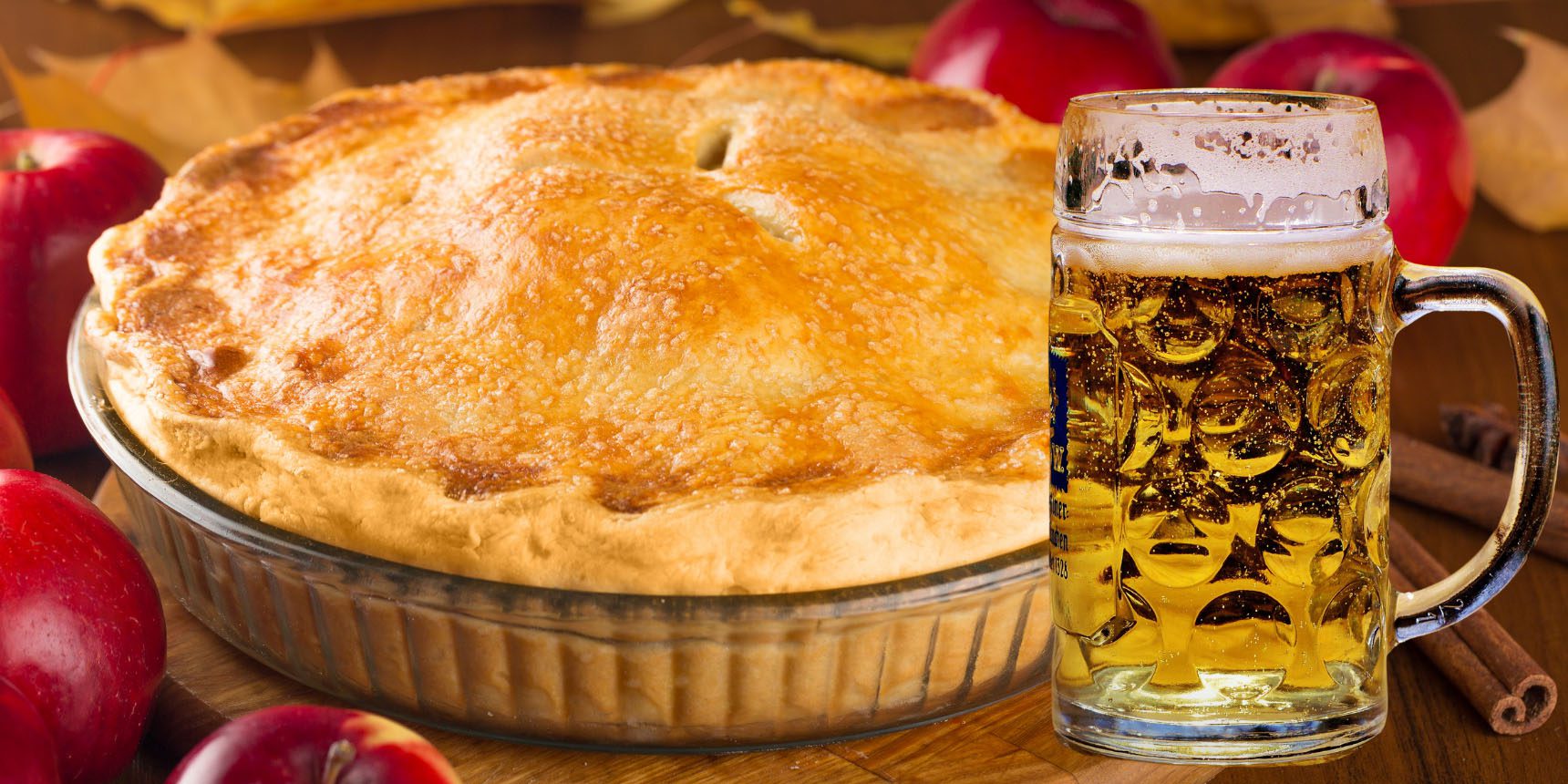
The 2019 Pie and Beer Day celebrations represented a peak moment for this unofficial, quirky holiday, which takes place annually on July 24. Observed primarily in Utah and across the Intermountain West, the day evolved from a playful, unofficial counter-celebration to Pioneer Day, focusing on the simple, artisanal pairing of locally baked pies and craft beers to mark the mid-summer season.
The Cultural Context of Pie and Beer Day
To understand the 2019 highlights, one must first recognize the unique cultural landscape of the region. July 24 is historically significant in Utah as Pioneer Day, a state holiday commemorating the arrival of Mormon pioneers in the Salt Lake Valley in 1847. For over a century, the day was marked by parades, fireworks, and community events. However, as the region’s demographics shifted and the craft beer industry in states like Utah began to experience a renaissance in the 2010s, a new, secular tradition began to take hold.
"Pie and Beer Day" emerged as a tongue-in-cheek retort to the official holiday. It provided a space for residents who wanted to celebrate their local community and history without the religious or state-sponsored connotations of the official holiday. By 2019, this movement had matured from an underground joke into a robust, organized cultural event that saw bars, bakeries, and local restaurants participating in coordinated pairings.
Key Trends and Developments in 2019
The year 2019 served as a pivotal turning point for the celebration. Several factors converged to make this particular year stand out, moving the concept beyond a niche local hobby into a widely recognized social event.
The Rise of Artisanal Pairings
In 2019, the standard for "Pie and Beer" was elevated by collaborations between local craft breweries and independent bakeries. Rather than generic pairings, establishments began to host ticketed events where professional brewers and pastry chefs would curate a multi-course experience. These pairings were designed to highlight the flavor profiles of specific hops, malts, and seasonal fruits used in the pies.
For example, high-acid fruit pies, such as tart cherry or rhubarb, were intentionally matched with lighter, acidic ales like Gose or sour beers. Conversely, heavier, cream-based or chocolate pies were paired with robust, dark stouts or porters that mirrored the roasted grain profiles found in the beer.
Community Integration and Restaurant Participation
By July 2019, the "Pie and Beer" theme was no longer restricted to private house parties. Several well-known Salt Lake City and Ogden establishments officially added the theme to their menus. This helped legitimize the day as an economic driver for local service industries during the peak of the summer heat, effectively creating a "restaurant week" style atmosphere for a single day.
A Comparative Look at 2019 Event Formats
To understand how the event functioned, it is helpful to categorize the types of celebrations that defined the 2019 experience. The following table illustrates the diversity of engagement during that year.
| Event Type | Typical Venue | Primary Focus | Cost Range (2019) |
|---|---|---|---|
| Curated Pairings | Craft Breweries | Technical flavor matching | $30–$60 per person |
| Community Potlucks | Neighborhood Parks | Informal social gathering | Free/Low cost |
| Special Menu Days | Pubs and Bistros | Pie-infused or paired specials | A La Carte pricing |
| Private Gatherings | Residences | DIY experimentation | Variable |
Technical and Culinary Challenges of the Pairing
The success of the 2019 events relied on an understanding of culinary science. A common mistake made by novices was pairing excessively sweet pies with equally sweet, malty beers, which often resulted in a "cloying" sensory experience that masked the nuances of both the dessert and the beverage.
Professional participants in 2019 focused on the "bridge" method—finding ingredients that exist in both the pie and the beer. For instance, a beer brewed with coriander or orange peel might be paired with a fruit pie featuring similar zest profiles. The 2019 highlights saw a marked increase in these sophisticated, intentional choices, moving the tradition away from a simple "sugar and alcohol" consumption habit toward a more discerning appreciation of craft production.
The Role of Local Breweries in 2019
Utah's craft beer scene in 2019 was characterized by its ability to navigate complex local regulations. The breweries that participated in Pie and Beer Day used the event to demonstrate the diversity of their portfolios. Because 2019 saw a significant expansion in the variety of available craft styles—including a surge in popularity for hazy IPAs and experimental fruit sours—the pie pairings became an excellent educational tool for breweries to introduce these styles to a broader audience.
These events were often capped at smaller numbers to ensure high-quality service and educational engagement. Patrons in 2019 frequently noted that these events were among the most relaxed and "community-oriented" gatherings of the year, lacking the rowdiness often associated with other drinking-centric holidays.
Frequently Asked Questions
Why is Pie and Beer Day celebrated on July 24?
The date was chosen specifically because it is Pioneer Day in Utah. Pie and Beer Day serves as a secular, localized alternative for those who wish to observe the date through community connection rather than traditional state-sponsored festivities.
Did the 2019 celebrations focus on specific types of pie?
Yes, fruit pies were the most prevalent due to the July timing, which coincides with the peak harvest season for cherries, berries, and stone fruits in the Intermountain West. However, savory pies, including pot pies, also saw a rise in popularity during the 2019 events.
How did the 2019 event influence local businesses?
The 2019 celebrations provided a measurable boost to local independent businesses, particularly bakeries and craft breweries. It helped bridge the gap between two different artisanal sectors, creating a unique cross-promotional opportunity that sustained interest in the weeks surrounding the date.
Is Pie and Beer Day an official holiday?
No, it is an informal, grassroots cultural celebration. It holds no official government status and is recognized primarily through the participation of businesses, community groups, and individual citizens.
What are the main requirements for hosting a successful pairing?
A successful pairing requires a balanced understanding of flavor intensity. The beer should never overwhelm the pie; rather, they should complement each other. In 2019, successful events consistently utilized smaller "tasting" portions, allowing participants to sample multiple pairings without excessive sugar or alcohol intake.
Strategic Outlook and Recommendations
For those looking to participate in future iterations of this tradition, the lessons from 2019 remain relevant. The core of the experience is not merely consumption, but the intentionality behind the pairing.
If you are planning to host or participate in a similar event, focus on the following:
- Source Local: Prioritize ingredients from local farms and beers from local craft breweries to maintain the authentic spirit of the event.
- Prioritize Balance: Ensure your pairing includes a palate cleanser or water, as the combination of high-sugar pie and fermented beverages can be heavy.
- Embrace Variety: Offer a mix of sweet and savory options to appeal to different tastes, and match them with diverse beer styles ranging from light lagers to complex stouts.
- Safety First: As with any event involving alcohol, ensure that transportation options are available and that service is moderated responsibly.
By looking back at the 2019 highlights, we see a tradition that prioritized community and culinary creativity. It remains a testament to how local culture can evolve and create new, inclusive ways to mark the passage of the summer season.