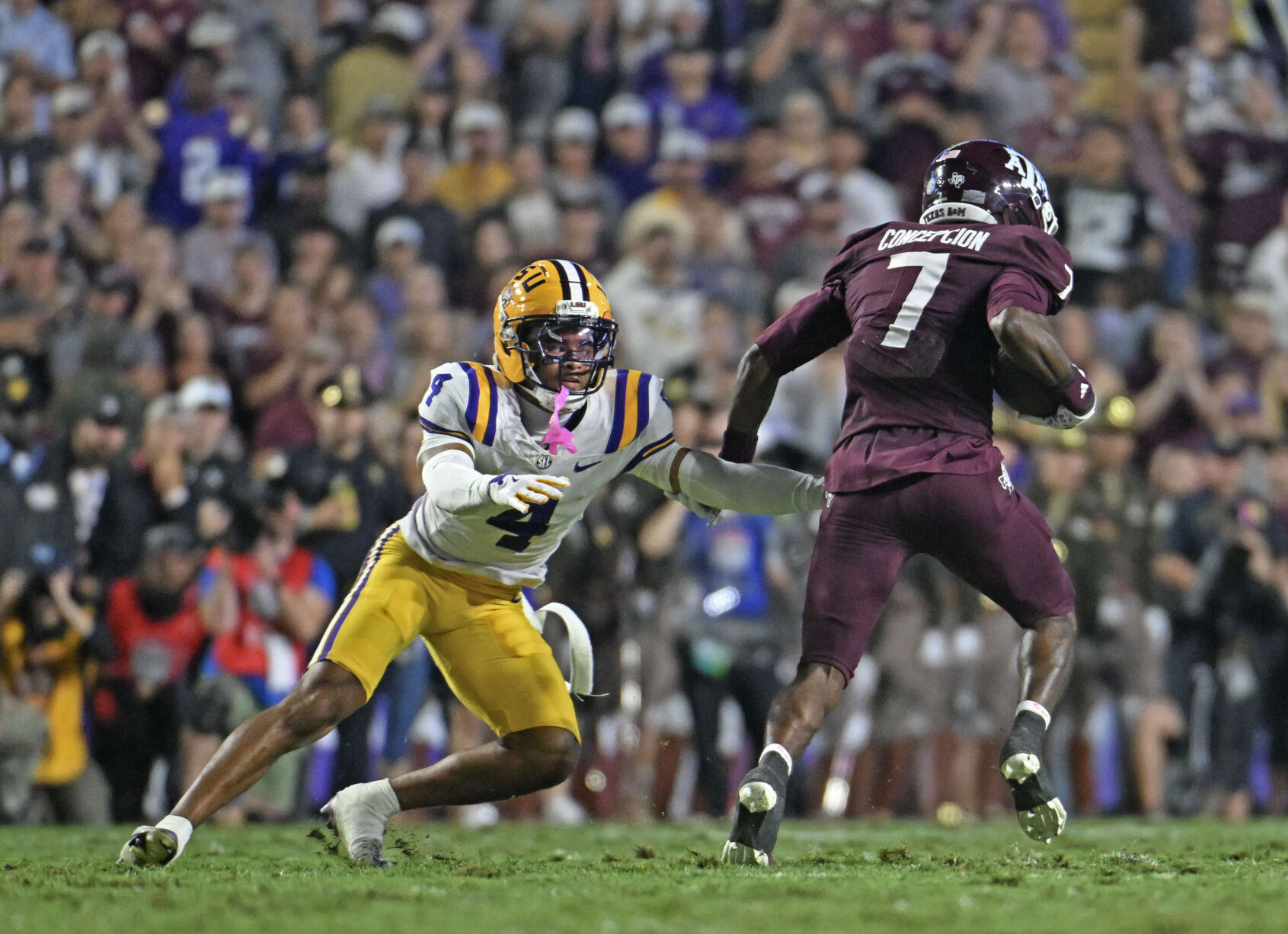
The 2019 matchup between the LSU Tigers and the Texas Longhorns stands as a definitive moment in modern college football, signaling the rise of LSU’s high-octane offense under Joe Burrow. Played on September 7, 2019, at Darrell K Royal-Texas Memorial Stadium in Austin, the game concluded in a 45-38 victory for LSU, fundamentally altering the trajectory of that season and the legacy of the sport.
Contextualizing the Matchup
Entering the 2019 season, the landscape of college football was defined by the dominance of traditional powerhouses and the emergence of innovative, spread-style offensive schemes. LSU, traditionally known for a ground-and-pound, defensive-first philosophy under head coach Ed Orgeron, had made a significant shift during the offseason. The hiring of passing game coordinator Joe Brady brought a modern "spread" influence to Baton Rouge, aimed at revitalizing a stagnant offense.
For Texas, led by head coach Tom Herman, the game was a critical opportunity to re-establish the Longhorns as a perennial national championship contender. Having won the Sugar Bowl against Georgia the previous season, Texas felt poised to challenge the status quo. The atmosphere in Austin was electric, with a capacity crowd eager to witness a battle between two top-10 programs. The game served as a litmus test: could the "new" LSU offense hold up against a formidable Big 12 opponent in a hostile environment, and could Texas prove its top-tier status?
Tactical Shift: The LSU Offensive Revolution
The most significant narrative thread of the 2019 LSU vs. Texas game was the performance of quarterback Joe Burrow. In his senior season, Burrow transformed from a reliable game-manager into a Heisman Trophy-caliber signal-caller. Against the Longhorns, Burrow threw for 471 yards and four touchdowns, dismantling the Texas secondary with precision and poise.
This game was the first true evidence for the national media that LSU’s transition to a pass-heavy offense was not a fluke. The integration of "RPO" (Run-Pass Option) concepts and a commitment to passing on early downs allowed LSU to manipulate the Texas defensive scheme. By spreading the field horizontally, LSU created massive lanes for wide receivers Ja’Marr Chase, Justin Jefferson, and Terrace Marshall Jr. This tactical evolution rendered the traditional defensive adjustments of the Texas coaching staff ineffective, forcing the Longhorns to play catch-up for much of the second half.
The Texas Perspective: A Gallant Effort
While Texas lost the game, their offensive performance was noteworthy. Quarterback Sam Ehlinger delivered an inspired performance, accumulating over 400 total yards and four touchdowns. Ehlinger’s ability to extend plays with his legs and find open targets provided Texas with consistent scoring opportunities. For most of the night, it appeared as though Texas might outlast LSU, as the game remained a back-and-forth affair until the final whistle.
The loss, however, highlighted defensive liabilities that would haunt Texas throughout the remainder of the 2019 season. The secondary struggled to contain LSU’s quick-slant passing game, and the defensive line was unable to generate consistent pressure on Burrow. Despite the defeat, the high-scoring nature of the game brought a level of national exposure to both programs that few regular-season games achieve, cementing this specific meeting as one of the most entertaining contests of the decade.
Game Dynamics: Statistical Comparison
The following table highlights the offensive output of the two teams, showcasing the explosive nature of this specific contest.
| Category | LSU Tigers | Texas Longhorns |
|---|---|---|
| Passing Yards | 471 | 401 |
| Rushing Yards | 102 | 103 |
| Total Offense | 573 | 504 |
| Third Down Efficiency | 6-13 | 9-16 |
| Turnovers | 0 | 1 |
| Final Score | 45 | 38 |
Legacy and Aftermath
The ripple effects of this game were felt across the entire 2019 college football season. For LSU, the win provided the confidence and momentum necessary to go undefeated, ultimately capturing the SEC Championship and the College Football Playoff National Championship. Joe Burrow’s performance in Austin was widely considered the launching pad for his record-breaking Heisman season.
For Texas, the outcome served as a sobering reality check. While they remained competitive for portions of the season, the defensive lapses identified against LSU proved symptomatic of deeper issues. The game highlighted the growing disparity between programs that successfully modernized their offensive strategies and those that remained tethered to traditional defensive alignments in the face of hyper-efficient passing attacks.
Why the Game Remains Significant in 2026
Looking back from the vantage point of 2026, the 2019 LSU-Texas game is often studied by analysts as a blueprint for the "modernization" of SEC football. It proved that teams could win at the highest level in the SEC without sacrificing explosiveness. The game remains a frequent touchstone for fans discussing the "greatest non-conference matchups" in history. It also serves as a historical reference point for fans of both programs, marking the end of one era and the rapid acceleration into the modern age of high-scoring, quarterback-centric competition.
Frequently Asked Questions
1. Was this the first time LSU and Texas met in the modern era? No, but it was their first meeting in the regular season since 1954. The 2019 game was part of a home-and-home series, though the scheduled return trip to Baton Rouge was later impacted by scheduling shifts and conference realignments.
2. How did this game affect Joe Burrow's Heisman campaign? The game was a massive catalyst. Coming into the matchup, Burrow was a projected solid starter, but his performance against a nationally ranked Texas defense put him on the shortlist for the Heisman Trophy, which he ultimately won in a landslide.
3. What specific defensive strategy did LSU employ against Sam Ehlinger? LSU focused on "containing the scramble." While they allowed Ehlinger some success in the passing game, they prioritized keeping him in the pocket and forcing him to make long, sustained drives, which prevented the explosive, broken-play touchdowns that typically fueled the Texas offense.
4. Where can I find the full game highlights or official statistics? The official game statistics are archived on the NCAA’s digital records database, and high-definition highlights are widely available through official college football broadcast partner YouTube channels.
5. Did this game lead to coaching staff changes? While no immediate firings occurred, it created significant pressure on the Texas defensive coaching staff. The difficulty in stopping the spread concepts ultimately led to a wider realization across the Big 12 that defensive personnel needed to become faster and more agile to handle high-tempo passing attacks.
Next Actions for Enthusiasts
If you are interested in analyzing this game further, the most valuable step is to review the coaches' film or "all-22" footage if available through sports archival services. Focusing specifically on the wide receiver alignment for LSU reveals how the offense created "leverage" against the Texas defensive backs. Additionally, tracking the evolution of Joe Brady’s career path from that game to his subsequent stops in the professional leagues offers insight into how that specific LSU offensive system permanently changed the way college football teams recruit and develop quarterbacks.