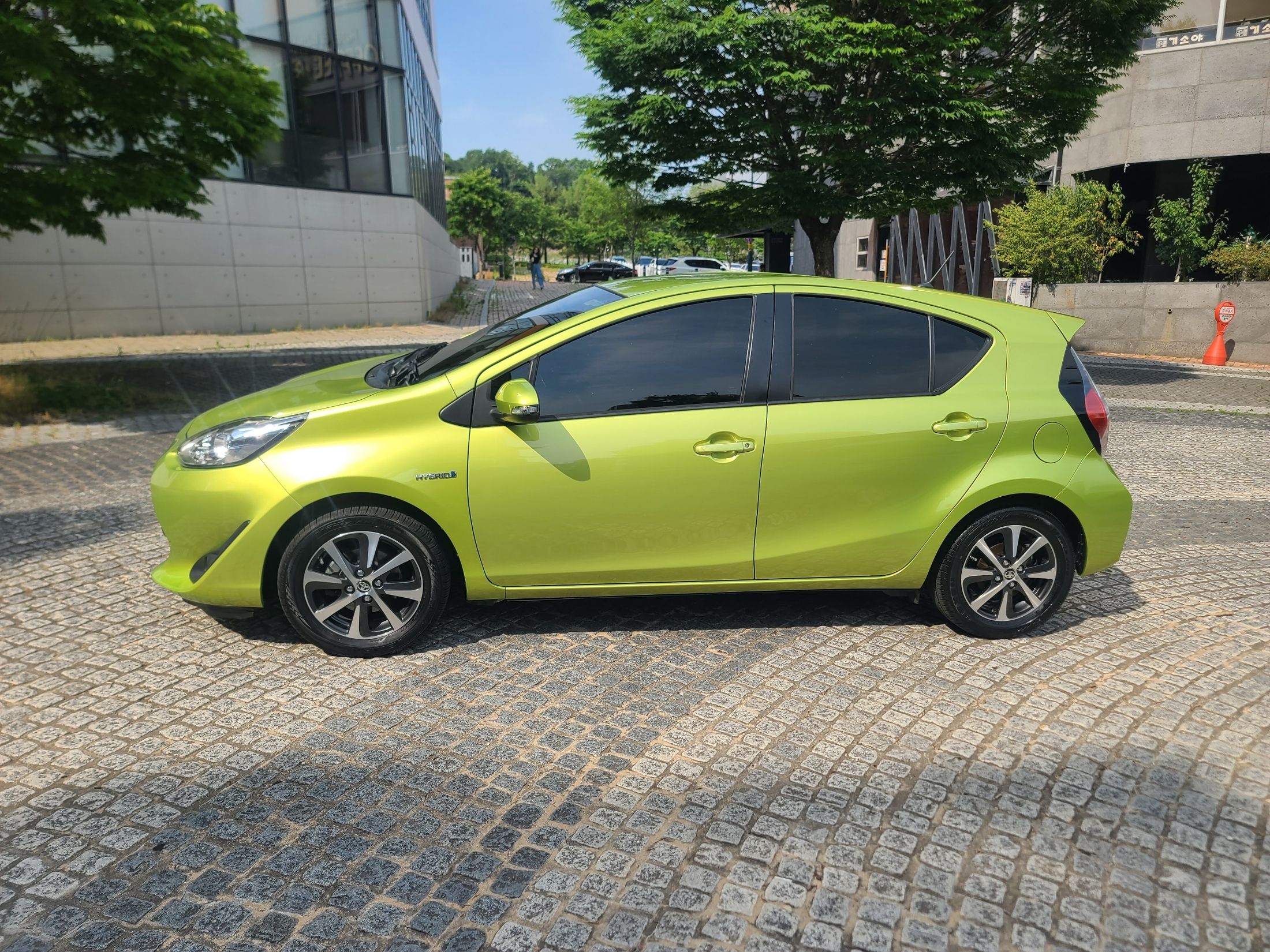
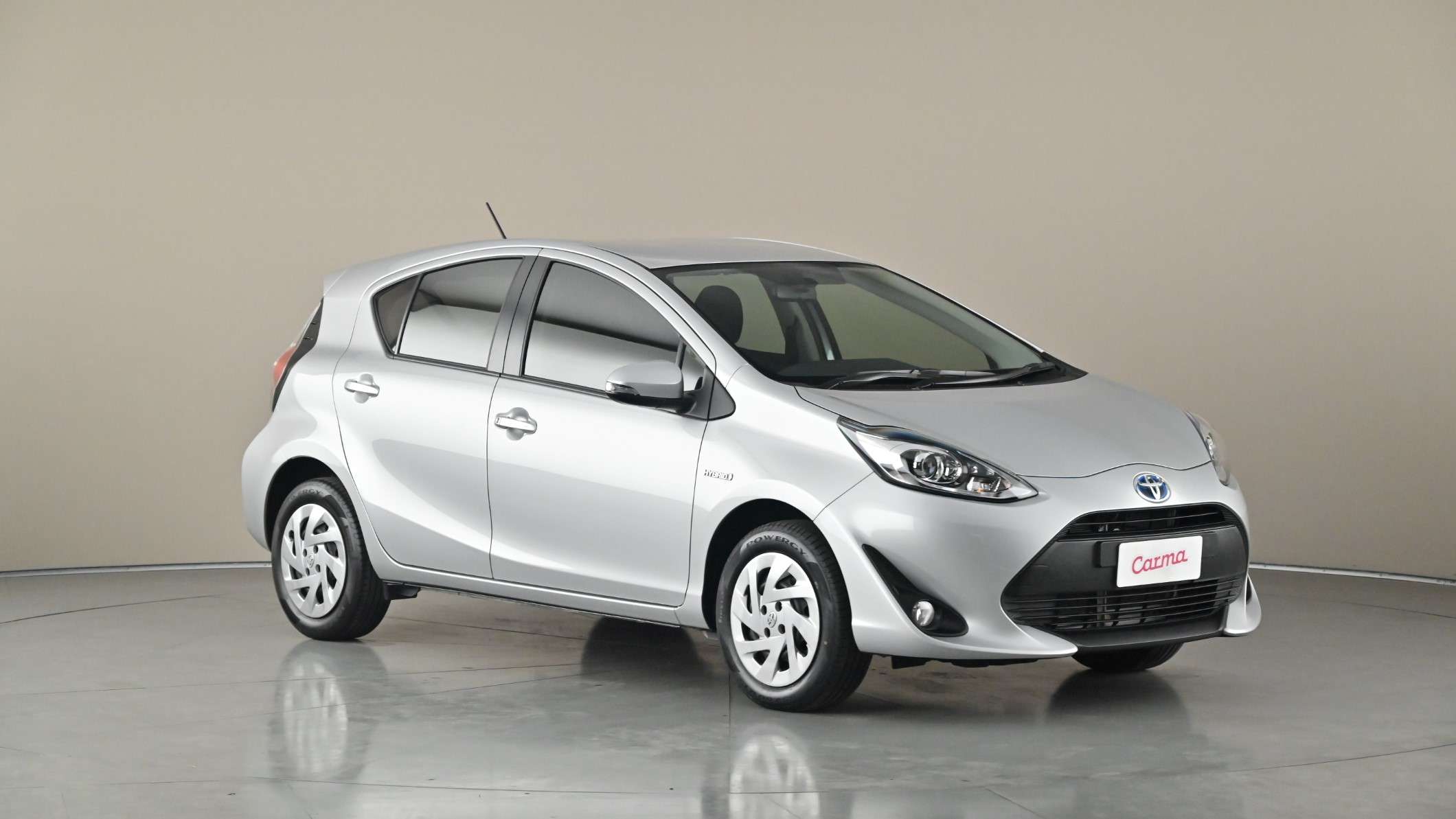
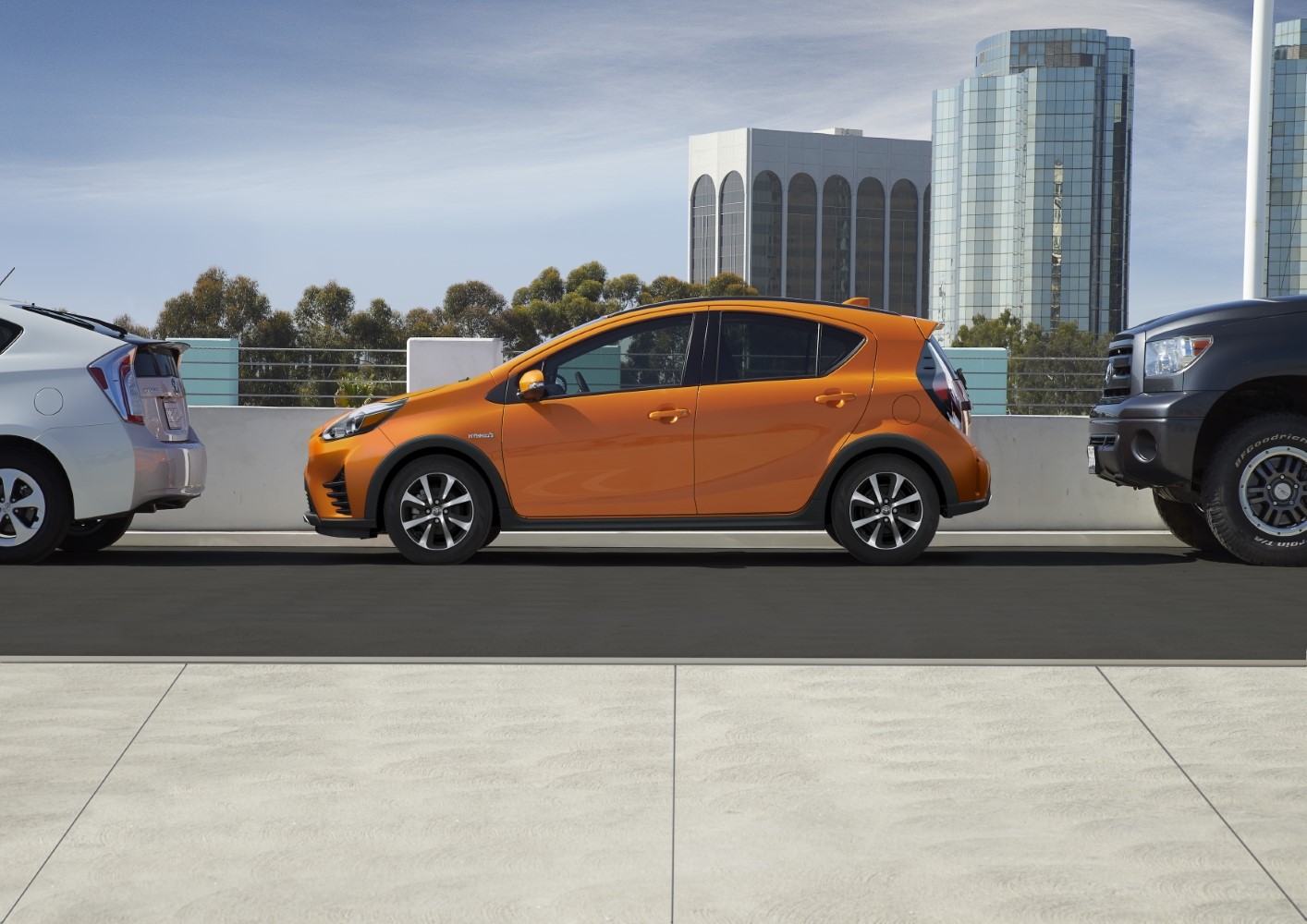
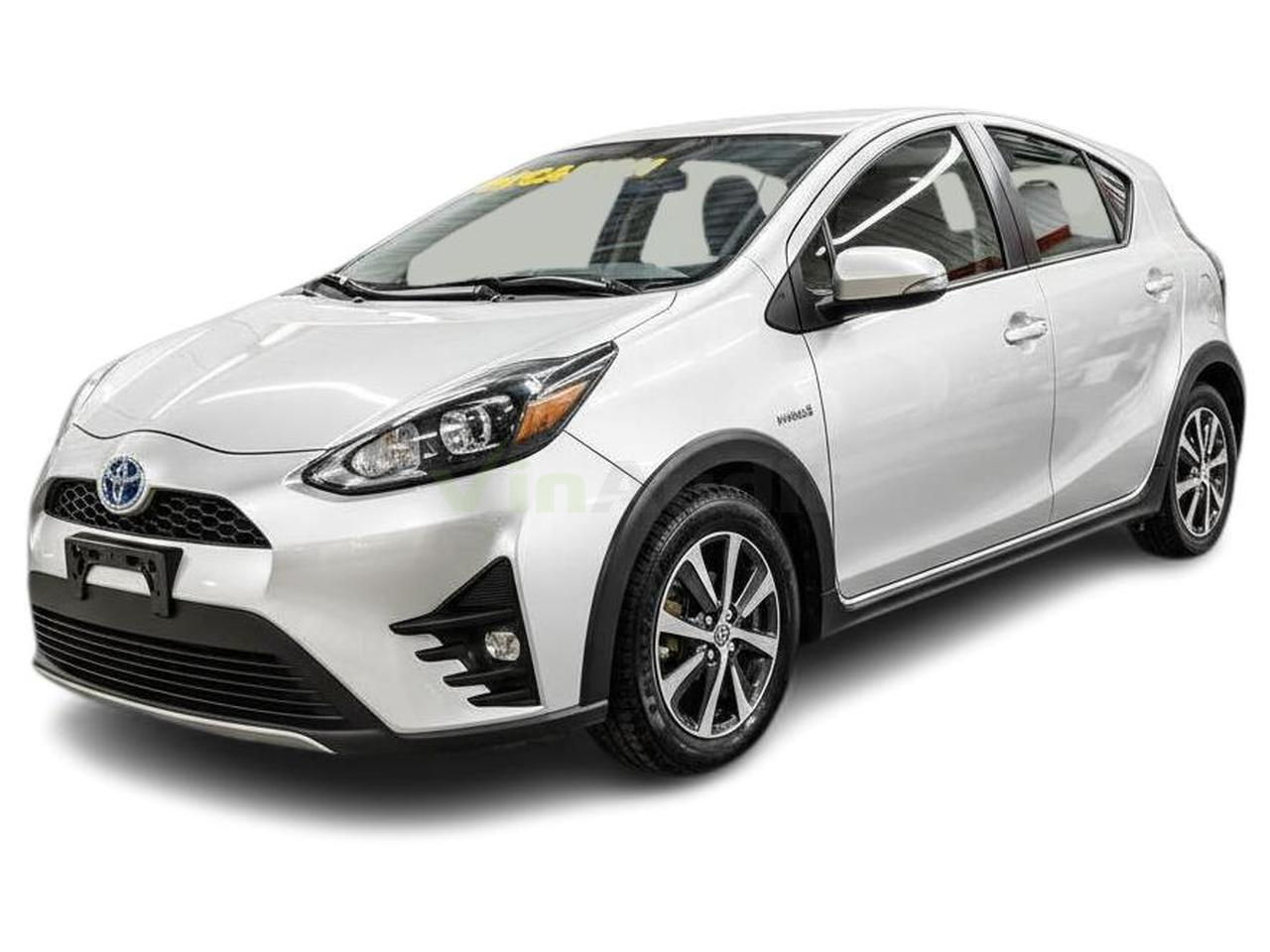
The 2018 Toyota Prius c delivers an EPA-estimated 48 MPG city, 43 MPG highway, and 46 MPG combined. Originally sold at a base MSRP ranging from $20,630 to $24,965, pre-owned models typically trade between $10,000 and $15,500 depending on condition, vehicle mileage, and trim level, offering exceptional fuel savings for urban commuters.
Understanding the 2018 Toyota Prius c: Niche and Positioning
The "c" in Toyota Prius c stands for "city." Introduced to serve as the entry-level, subcompact member of the Prius family, the Prius c was engineered specifically for dense urban environments where tight parking spaces, stop-and-go traffic, and maneuverability are paramount. Built on Toyota's B-platform—shared in part with the contemporary Toyota Yaris—the Prius c features a smaller overall footprint, a shorter wheelbase, and a lighter curb weight than the standard Prius liftback.
By the 2018 model year, the Prius c was nearing the end of its single generation in North America (which ran from 2012 through 2019). To keep the design fresh, Toyota gave the 2018 model updated exterior styling, including standard crossover-inspired visual cues such as front and rear fascia updates, black wheel arch moldings, and silver-accented body trim.
Despite its compact exterior, the 2018 Prius c retains a functional five-door hatchback configuration. Its primary value proposition centers on low total cost of ownership: minimal fuel consumption, long-term mechanical dependability, and lower acquisition costs than larger hybrid vehicles.
2018 Toyota Prius c Fuel Economy and Efficiency Specs
Fuel efficiency is the defining feature of the 2018 Toyota Prius c. Driven by Toyota’s proven Hybrid Synergy Drive system, the vehicle utilizes regenerative braking and an electric motor to offset the fuel demands of city driving.
| Specification | Rating |
|---|---|
| EPA City Rating | 48 MPG (4.9 L/100 km) |
| EPA Highway Rating | 43 MPG (5.5 L/100 km) |
| EPA Combined Rating | 46 MPG (5.1 L/100 km) |
| Fuel Tank Capacity | 9.5 U.S. Gallons (36 Liters) |
| Maximum Range | ~437 Miles (Combined City/Highway) |
Why City MPG Exceeds Highway MPG
Unlike conventional gasoline-powered vehicles, which burn more fuel during stop-and-go city traffic, the Prius c yields higher efficiency in the city (48 MPG) than on the highway (43 MPG).
- Regenerative Braking: Urban driving requires frequent braking. The hybrid system captures kinetic energy normally lost as heat during deceleration and converts it into electrical energy stored in the high-voltage battery.
- EV Mode Capability: At low speeds and light throttle inputs (such as crawling through gridlock or maneuvering through parking lots), the vehicle can operate exclusively on electric power (EV mode) with zero gasoline consumption.
- Engine Shutdown at Idle: The 1.5-liter internal combustion engine automatically shuts off when the car comes to a complete stop, eliminating fuel waste from idling.
Real-World Efficiency and Driving Range
With a fuel tank capacity of 9.5 U.S. gallons, the 2018 Prius c offers a theoretical total driving range of approximately 437 miles on a single tank under combined driving conditions.
Real-world fuel economy varies based on ambient temperature, driving style, tire pressure, and auxiliary loads:
- Cold Weather Impact: Hybrid efficiency drops during winter months because the engine must run longer to heat the cabin and bring the catalyst and hybrid battery to operating temperatures.
- Highway Speeds: Aerodynamic drag increases significantly at speeds above 65 mph. Because the small 1.5-liter engine must work harder to maintain high speeds, highway mileage can dip into the upper 30s if driven aggressively.
- Driving Modes: Drivers can select ECO Mode, which remaps throttle response and limits climate control power to maximize fuel savings, or EV Mode, which forces electric-only propulsion for short distances under 25 mph (provided the battery has sufficient state of charge).
Original MSRP vs. Current Used Market Pricing
Understanding the value proposition of the 2018 Toyota Prius c requires evaluating its original retail pricing alongside its current valuation in the secondary market.
| Trim Level | Original 2018 MSRP | Average Used Market Value (2026) |
|---|---|---|
| Prius c One | $20,630 | $9,500 – $11,500 |
| Prius c Two | $21,430 | $10,500 – $12,500 |
| Prius c Three | $22,855 | $11,500 – $13,500 |
| Prius c Four | $24,965 | $12,500 – $15,500 |
Original Manufacturer's Suggested Retail Price (MSRP)
When launched for the 2018 model year, the Prius c was offered in four simplified trim levels designated numerically: One, Two, Three, and Four. Original base prices excluding destination charges ($895–$930 at the time) were structured as follows:
- Prius c One: $20,630 — The entry-level fleet and budget configuration.
- Prius c Two: $21,430 — The mid-grade volume seller adding upgraded upholstery and cargo features.
- Prius c Three: $22,855 — Focused on technology, introducing smart key entry and navigation.
- Prius c Four: $24,965 — The top-tier grade featuring SofTex synthetic leather, heated front seats, and a sunroof.
Secondary Market Values
Because Toyota hybrids maintain high residual values due to powertrain reliability, the 2018 Prius c has held its equity well over time.
For vehicles carrying between 70,000 and 110,000 miles in good mechanical and cosmetic condition:
- Base models (One and Two) trade in the $9,500 to $12,500 range.
- Higher trims (Three and Four) commanding premium options (such as heated seats, navigation, and sunroofs) sell between $11,500 and $15,500.
Factors Influencing Used Valuation
When assessing a pre-owned 2018 Prius c, pricing is determined by three distinct elements:
- Hybrid Battery Condition: A high-voltage Nickel-Metal Hydride (NiMH) battery with documented health checks commands a higher price. Original batteries approaching 10–12 years of total service life may eventually require reconditioning or replacement ($1,500–$3,000 part and labor value).
- Maintenance Records: Evidence of regular engine oil changes (every 5,000–10,000 miles using 0W-20 synthetic oil) and hybrid cooling fan intake cleaning enhances valuation.
- Regional Location: Vehicles located in mild climates without road salt exposure command higher prices due to clean underbodies and rust-free chassis components.
Trim Level Comparison and Key Features
Toyota structured the 2018 Prius c into four distinct grades. All trims share the exact same mechanical hybrid engine, eCVT transmission, front-wheel-drive platform, and safety equipment, meaning efficiency remains identical across the lineup.
| Trim Level | Seats / Upholstery | Infotainment | Keyless Entry | Wheels |
|---|---|---|---|---|
| One | Fabric | 6.1" Touchscreen | Remote Keyless | 15" Steel |
| Two | Fabric w/ Accents | 6.1" Touchscreen | Remote Keyless | 15" Steel |
| Three | Fabric | 6.1" w/ Navigation | Smart Key (Push) | 15" Steel |
| Four | SofTex Synthetic | 6.1" w/ Navigation | Smart Key (Push) | 15" Alloy |
Prius c One (Base Trim)
The standard model provides core necessities without extra frills:
- Automatic climate control.
- 6.1-inch Entune Audio touchscreen with Bluetooth hands-free phone and audio streaming.
- USB media port and auxiliary input.
- 15-inch steel wheels with wheel covers.
- Power windows and door locks.
- Toyota Safety Sense C (TSS-C) suite standard.
Prius c Two
The Two adds convenience features geared toward daily utility:
- 60/40 split fold-down rear seats (replacing the One's single-piece folding rear bench).
- Upgraded fabric seat trim with accent stitching.
- Center console armrest with storage compartment.
- 6-speaker audio system (up from 4 speakers on the base trim).
- Cargo area cover and engine immobilizer.
Prius c Three
The Three incorporates modern cabin technology:
- Entune Premium Audio with Integrated Navigation and App Suite.
- Smart Key System on front doors and liftback with Push Button Start.
- Touch Tracer Display controls on the steering wheel.
- SiriusXM Satellite Radio capability.
Prius c Four
The top-of-the-line Four trim delivers premium comfort and exterior upgrades:
- SofTex-trimmed seats with heated front seats.
- 8-way power-adjustable driver's seat with lumbar support.
- Power tilt/slide moonroof with sunshade.
- 15-inch 8-spoke alloy wheels.
- Heated power outside mirrors with integrated turn signal indicators.
- LED fog lights.
Standard Safety Technology: Toyota Safety Sense C (TSS-C)
A major selling point for the 2018 model year is that Toyota Safety Sense C (TSS-C) came standard on every 2018 Prius c regardless of trim. This driver-assist package includes:
- Pre-Collision System (PCS): Uses a camera and laser sensor to detect vehicles ahead and provide audio/visual warnings or automatic emergency braking if a collision is imminent.
- Lane Departure Alert (LDA): Alerts the driver with visual and audible warnings if the vehicle begins drifting out of its marked lane.
- Automatic High Beams (AHB): Automatically toggles between high and low beams based on detected oncoming or preceding traffic.
Mechanical Specifications, Reliability, and Battery Longevity
Underneath its hatchback body, the 2018 Prius c relies on a simplified, durable hybrid engine configuration designed for long-term dependability.
| Component / Parameter | Specification |
|---|---|
| Engine Type | 1.5-Liter 4-Cylinder DOHC 16V Atkinson-Cycle |
| Engine Code | 1NZ-FXE |
| Engine Horsepower | 73 hp @ 4,800 RPM |
| Engine Torque | 82 lb-ft @ 4,000 RPM |
| Electric Motor | Permanent Magnet AC Synchronous Motor |
| Electric Power Output | 60 hp (45 kW) / 125 lb-ft torque |
| Total System Power | 99 Horsepower (74 kW) |
| Transmission | Electronically Controlled CVT (eCVT) |
| Traction Battery | Sealed Nickel-Metal Hydride (NiMH) |
| Battery Voltage | 144V Nominal System Voltage |
| Battery Capacity | 0.9 kWh |
| Drive Configuration | Front-Wheel Drive (FWD) |
The 1.5L Atkinson-Cycle Engine (1NZ-FXE)
The heart of the Prius c powertrain is Toyota's 1.5-liter 1NZ-FXE four-cylinder engine. Operating on the Atkinson cycle, the engine delays intake valve closing during the compression stroke. While this reduces total volumetric efficiency and overall horsepower output, it extracts maximum thermal energy from combustion, yielding extreme fuel economy.
Because the electric motor supplements low-end torque, the engine does not require high RPMs during typical city driving, reducing internal mechanical wear.
The Planetary-Gear eCVT
Unlike conventional automatic transmissions that use torque converters or push-belt CVTs that use hydraulic pulleys, Toyota’s eCVT uses a simple, highly reliable planetary gearset.
Power from the gasoline engine and electric motor-generators (MG1 and MG2) is blended mechanically. Because there are no physical drive belts to slip or hydraulic clutches to burn out, the Toyota eCVT is widely considered one of the most mechanically durable transmissions on the market. Maintenance is typically limited to periodic transmission fluid inspections and changes every 60,000 to 90,000 miles.
High-Voltage Battery Pack and Longevity
The 2018 Prius c utilizes a 0.9 kWh Nickel-Metal Hydride (NiMH) traction battery located underneath the rear passenger seats. Placing the battery inside the cabin protects it from outside environmental extremes and keeps the vehicle's center of gravity low.
Key points regarding high-voltage battery health:
- Service Life: The original NiMH battery typically lasts between 120,000 and 200,000 miles (or 10 to 15 years) depending on regional temperatures and maintenance.
- Cooling System Maintenance: The battery pack relies on forced-air cooling. The air intake vent (located near the base of the rear seats) must be kept clear of dust, pet hair, and debris. Blocked vents cause heat build-up, which accelerates battery cell degradation.
- Replacement Costs: If a battery replacement becomes necessary, aftermarket reconditioned packs range from $1,200 to $1,800, while brand-new OEM or upgraded lithium replacement packs run between $2,000 and $3,000 installed.
Real-World Ownership Costs and Practical Considerations
While fuel savings are the main attraction, buyers evaluating the 2018 Prius c should consider total operational costs and practical everyday limits.
| Metric | Estimation |
|---|---|
| Fuel Consumption (12,000 mi/yr) | ~261 Gallons annually |
| Fuel Cost (@ $3.50/gal) | ~$913.50 annually |
| Standard Oil Service Interval | 10,000 miles / 12 months (0W-20) |
| Tire Size (Standard) | 175/65R15 (Low replacement cost) |
| Brake Wear Rate | Very Low (Regen reduces wear) |
Fuel Savings Calculation
Assuming an average driving distance of 12,000 miles per year and a combined fuel efficiency rating of 46 MPG:
- A 2018 Prius c consumes approximately 261 gallons of gasoline per year.
- At an average fuel price of $3.50 per gallon, total annual fuel costs equal roughly $913.50.
- Compared to a non-hybrid compact car averaging 30 MPG (which consumes 400 gallons annually, costing $1,400), the Prius c saves approximately $486 per year in fuel alone.
Low Wear-and-Tear Expenses
- Brake System Longevity: Thanks to regenerative braking, mechanical brake pads and rotors on the Prius c experience minimal friction wear during normal deceleration. It is common for original factory brake pads to last past 100,000 miles, provided caliper slide pins are periodically lubricated to prevent corrosion.
- Inexpensive Tires: The standard 175/65R15 tire size is exceptionally common and economical. Replacement sets from major tire manufacturers typically cost between $300 and $500 for a full set of four.
Limitations and Drawbacks
Prospective buyers should keep several practical trade-offs in mind:
- Modest Acceleration: With a total system output of just 99 horsepower, acceleration is leisurely. The 0-to-60 mph sprint takes approximately 11.5 seconds. Highway merging and passing require advance planning and high engine revs.
- Cabin Noise: The subcompact chassis incorporates minimal sound insulation to keep curb weight low (2,530 lbs). At highway speeds (70+ mph), road, wind, and engine noise are noticeably present inside the cabin.
- Ride Comfort: The short 100.4-inch wheelbase results in a firmer, busier ride quality over uneven pavement or potholed city streets compared to the larger Prius liftback or Camry Hybrid.
- Cargo & Passenger Space: While the rear hatch provides 17.1 cubic feet of cargo room behind the rear seats, rear-seat legroom (35.0 inches) is tight for tall adults on long trips.
Standard Specifications Summary
For quick reference, the core engineering and dimension specifications of the 2018 Toyota Prius c are detailed below:
| Feature | Specification |
|---|---|
| Body Style | 5-Door Hatchback |
| Seating Capacity | 5 Passengers |
| Curb Weight | 2,530 lbs (1,148 kg) |
| Wheelbase | 100.4 inches (2,550 mm) |
| Overall Length | 160.0 inches (4,064 mm) |
| Overall Width | 66.7 inches (1,694 mm) |
| Overall Height | 58.7 inches (1,491 mm) |
| Cargo Capacity | 17.1 cu. ft. (Behind rear seats) |
| Turning Circle | 31.4 ft (37.6 ft with 16" wheels) |
| Braking System | Power-assisted front disc / rear drum |
| Steering System | Electric Power Steering (EPS) rack-pinion |
| Front Suspension | Independent MacPherson Strut |
| Rear Suspension | Torsion Beam |
Frequently Asked Questions
1. Is the 2018 Toyota Prius c reliable as a used car?
Yes. The 2018 Prius c ranks high in long-term reliability surveys. Its 1.5-liter Atkinson-cycle engine and planetary-gear eCVT transmission have few mechanical failure points. Standard wear items (brakes, tires, suspension components) are simple and inexpensive to service.
2. How long does the hybrid battery last in a 2018 Toyota Prius c?
The high-voltage Nickel-Metal Hydride (NiMH) battery pack typically lasts between 120,000 and 200,000 miles, or roughly 10 to 15 years. Longevity depends on thermal management: keeping the rear-seat cooling fan vent clean and operating in moderate climates extends battery life.
3. What is the main difference between a regular Prius and a Prius c?
The Prius c is smaller, lighter, and lower-priced than the standard Prius liftback. The Prius c uses a 1.5L engine and NiMH battery generating 99 total horsepower, whereas the contemporary standard Prius used a 1.8L engine generating 121 horsepower with higher overall interior passenger space and refined highway manners.
4. Does the 2018 Prius c support Apple CarPlay or Android Auto?
No. Factory infotainment systems on the 2018 Toyota Prius c featured Toyota's Entune system, which supported Bluetooth connectivity and basic smartphone integration via the Entune App Suite, but did not offer native Apple CarPlay or Android Auto. Many owners choose to install an aftermarket touchscreen head unit to add these features.
5. Can you drive the 2018 Prius c if the hybrid battery dies?
No. The high-voltage hybrid battery acts as the starter motor for the internal combustion engine via Motor-Generator 1 (MG1). If the high-voltage battery fails completely or loses charge entirely, the vehicle cannot start or drive.
6. What fuel grade does the 2018 Toyota Prius c require?
The 2018 Prius c is engineered to run on standard 87-octane unleaded gasoline. Using premium high-octane fuel offers no performance or efficiency benefit for this engine.
Final Verdict: Is the 2018 Toyota Prius c Worth Buying?
The 2018 Toyota Prius c remains an ideal pre-owned choice for city drivers, daily commuters, and budget-conscious buyers seeking maximum fuel efficiency without complex mechanical maintenance. Delivering 48 MPG city / 43 MPG highway, standard Toyota Safety Sense C driver aids, and proven hybrid component longevity, it offers a low total cost of ownership.
If your primary vehicle needs involve long-distance highway travel at high speeds or hauling large cargo loads, a larger hybrid—such as the standard Prius liftback, Camry Hybrid, or RAV4 Hybrid—will provide superior cabin quietness and power. However, if your goal is reliable urban transportation with minimal gasoline expense and affordable pre-owned pricing between $10,000 and $15,000, the 2018 Prius c is hard to beat.
Recommended Next Action: If shopping for a used 2018 Prius c, perform an OBD-II diagnostic scan using a hybrid-specific software application (such as Dr. Prius) during your pre-purchase inspection to verify the current internal resistance and battery block voltages of the high-voltage pack before finalizing your purchase.