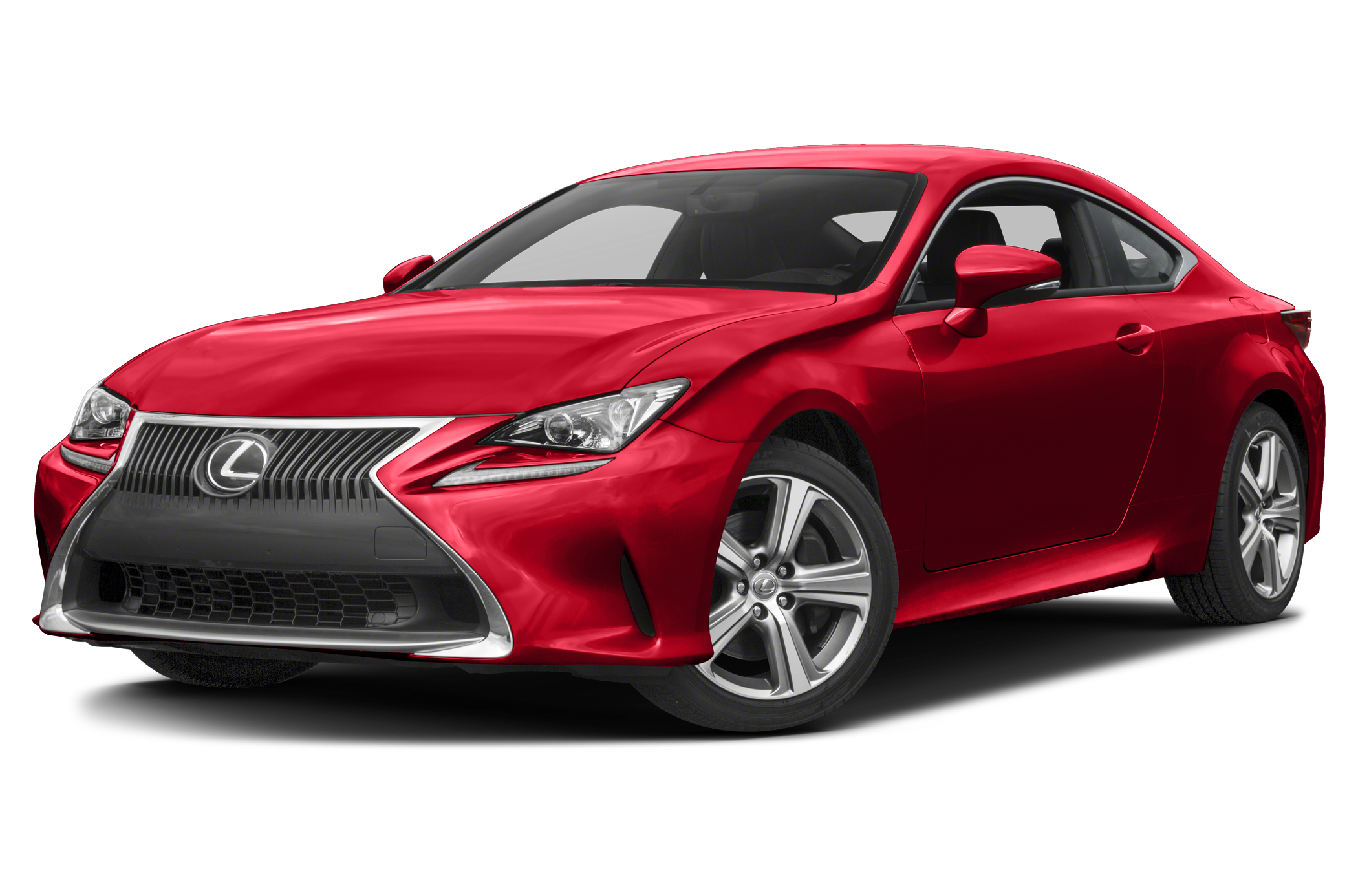
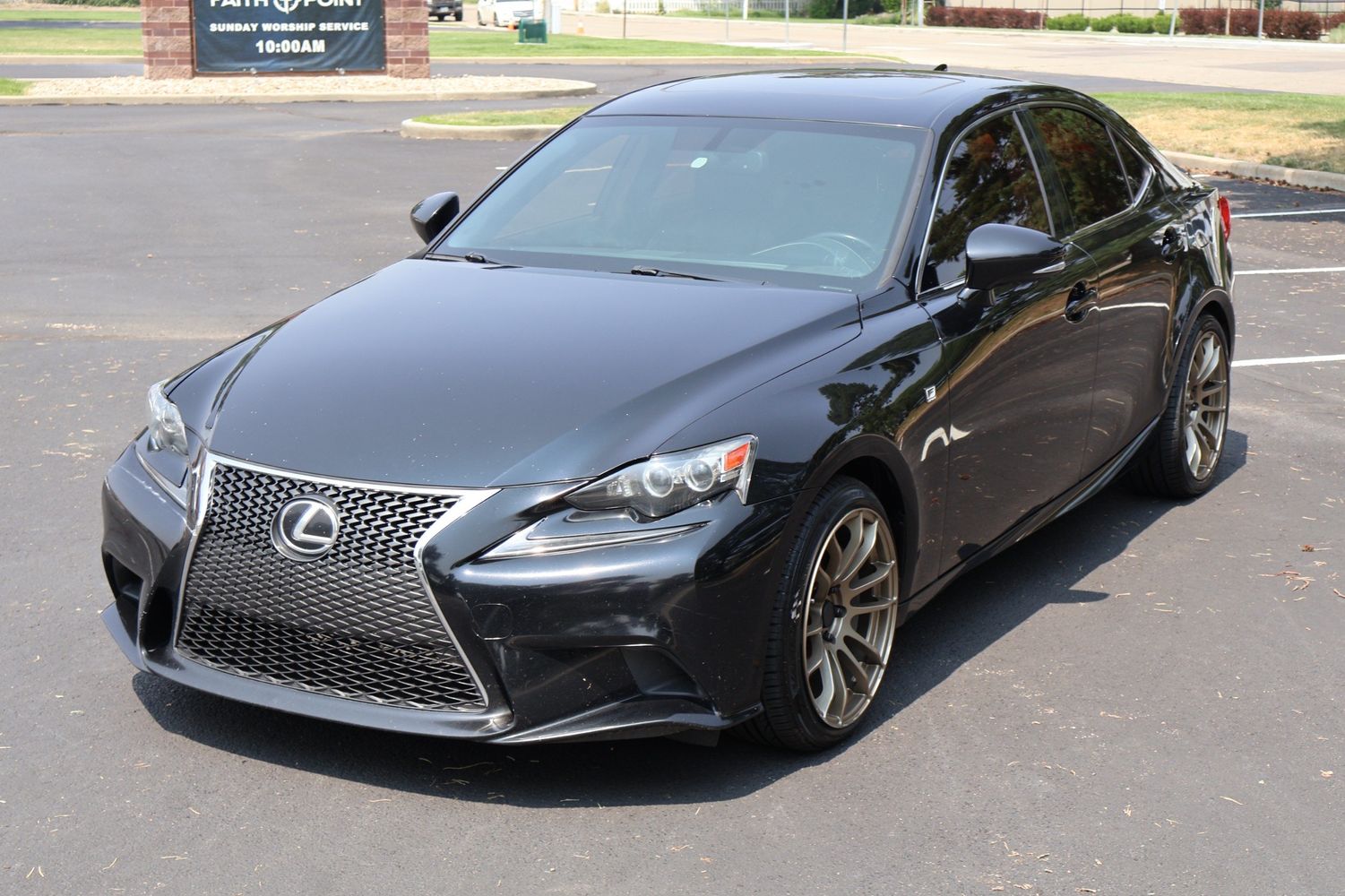
The 2016 Lexus IS 200t generates a peak output of 241 horsepower at 5,800 rpm and 258 lb-ft of torque available from 1,650 to 4,400 rpm. This power is delivered by a 2.0-liter twin-scroll turbocharged four-cylinder engine (the 8AR-FTS), representing Lexus’s first significant move toward downsized, forced-induction powerplants for its entry-level luxury sport sedan.
In 2016, the automotive landscape was shifting rapidly. Luxury manufacturers were moving away from naturally aspirated six-cylinder engines in favor of turbocharged four-cylinders that promised better fuel efficiency and higher low-end torque. For Lexus, the IS 200t was the answer to this trend, replacing the aging IS 250 and its 2.5-liter V6. While the IS 200t might have lacked the melodic exhaust note of a V6, it offered a much more modern power delivery profile that changed the driving dynamics of the IS lineup.
The Heart of the Machine: The 8AR-FTS Engine
To understand the horsepower of the 2016 Lexus IS 200t, one must look at the 8AR-FTS engine architecture. This was not a generic corporate engine; it was a highly engineered unit developed in-house by Toyota and Lexus engineers to meet the demands of a rear-wheel-drive luxury platform.
Twin-Scroll Turbocharging Technology
The "241 horsepower" figure is made possible by a twin-scroll turbocharger. Unlike a single-scroll turbo, which receives exhaust gas from all cylinders through a single path, a twin-scroll design separates the exhaust pulses. In a four-cylinder engine, cylinders 1 and 4 are paired, and cylinders 2 and 3 are paired.
This separation prevents exhaust gas interference, where one cylinder's exhaust stroke might blow back into another cylinder’s intake stroke. The result is a much faster spool-up time and significantly reduced turbo lag. This is why the 2016 IS 200t reaches its maximum torque of 258 lb-ft at just 1,650 rpm, providing a punchy, responsive feel in city driving that the old IS 250 V6 could never match.
D-4ST Fuel Injection System
Horsepower is a product of efficient combustion. The IS 200t utilizes the D-4ST (Direct-injection 4-stroke gasoline engine Superior version with Turbo) system. This is a "dual-injection" setup that employs both direct injection (spraying fuel directly into the combustion chamber) and port injection (spraying fuel into the intake ports).
The engine's computer (ECU) determines the optimal mix based on driving conditions. Under heavy load, direct injection provides a cooling effect inside the cylinder, allowing for a higher compression ratio (10.0:1) without the risk of engine knock, which directly increases horsepower output. At lower loads, port injection helps maintain a stable air-fuel mixture and, crucially, keeps the intake valves clean—a common problem in engines that rely solely on direct injection.
Power Delivery and the VVT-iW System
Peak horsepower numbers only tell half the story. The way the 2016 Lexus IS 200t manages its valves is perhaps its most innovative feature. The engine uses VVT-iW (Variable Valve Timing-intelligent Wide) on the intake side and VVT-i on the exhaust side.
The "Wide" aspect allows the engine to switch between the traditional Otto cycle and the Atkinson cycle.
- Otto Cycle: Used when you mash the throttle. It prioritizes maximum power and performance (241 hp).
- Atkinson Cycle: Used during steady-state cruising. By delaying the closing of the intake valves, the engine effectively shortens the compression stroke, reducing pumping losses and increasing fuel efficiency.
This seamless transition allows the IS 200t to behave like a fuel-sipping economy car on the highway while keeping all 241 horses ready the moment you demand acceleration.
2016 Lexus IS 200t Performance Specifications
| Specification | Value |
|---|---|
| Engine Type | 2.0L Turbocharged Inline-4 (8AR-FTS) |
| Horsepower | 241 hp @ 5,800 rpm |
| Torque | 258 lb-ft @ 1,650 - 4,400 rpm |
| Transmission | 8-Speed Sport Direct Shift Automatic |
| 0-60 MPH (Official) | 6.9 Seconds |
| Top Speed | 143 mph (Electronically Limited) |
| Drive Layout | Rear-Wheel Drive (RWD) |
| Curb Weight | 3,733 lbs |
| Compression Ratio | 10.0:1 |
The Role of the 8-Speed Transmission
Horsepower is nothing if it cannot be sent to the wheels effectively. The 2016 Lexus IS 200t inherited the 8-speed Sport Direct Shift (SPDS) automatic transmission that was originally developed for the high-performance Lexus IS F and RC F.
Because the IS 200t has eight gears to choose from, the engineers were able to use shorter (higher numerical) gear ratios for the first few gears. This helps the car overcome its relatively high curb weight of over 3,700 lbs, making the 241 horsepower feel more urgent from a standstill. The transmission also features G-force Artificial Intelligence (G-AI) control, which holds gears during spirited cornering to ensure the engine remains in the heart of its power band.
Real-World Performance vs. Paper Ratings
While 241 horsepower was a competitive figure in 2016, real-world testing often yielded nuanced results. On a dynamometer, the IS 200t produces consistent power across the rev range, but it is often noted for being "conservative."
Compared to its primary rivals—the BMW 328i (240 hp) and the Audi A4 (252 hp)—the Lexus IS 200t's 0-60 mph time of approximately 6.9 seconds was slightly slower. This discrepancy wasn't due to a lack of horsepower, but rather the vehicle's weight and the specific tuning of the 8-speed gearbox, which prioritized smoothness and long-term durability over the aggressive, "snappy" shifts found in European dual-clutch or ZF-sourced transmissions.
The 258 lb-ft of torque is the star of the show here. Because this torque is available so early in the RPM range, the IS 200t feels much faster in daily traffic (passing, merging, and lane changes) than its 0-60 time suggests.
Comparing the 200t to Other 2016 IS Models
In 2016, the Lexus IS lineup was somewhat confusing due to the presence of three different engine options. Understanding where the 200t sits helps contextualize its horsepower.
- IS 200t (RWD): 241 hp, 2.0L Turbo I4. The entry-level model focusing on balance and efficiency.
- IS 300 (AWD): 255 hp, 3.5L Naturally Aspirated V6. This was a detuned version of the 3.5L engine specifically for All-Wheel Drive markets.
- IS 350 (RWD/AWD): 306 hp, 3.5L Naturally Aspirated V6. The performance flagship of the standard IS range.
Interestingly, the IS 200t actually has more peak torque (258 lb-ft) than the IS 300 AWD (236 lb-ft), despite having 14 fewer horsepower. This made the 200t feel more "grunt-heavy" at lower speeds.
Potential for Increasing Horsepower
As we look back from 2026, the 8AR-FTS engine has proven to be a robust platform for mild tuning. For owners looking to extract more than the factory 241 horsepower, several paths exist:
ECU Calibration (Tuning)
The most common way to increase horsepower in the 2016 IS 200t is through an ECU reflash or a "piggyback" tuner. By increasing the boost pressure from the factory turbo (which typically peaks around 17 psi) and optimizing timing, tuners have safely extracted an additional 30 to 40 horsepower and 40 to 50 lb-ft of torque without internal modifications.
Intake and Exhaust Upgrades
While the stock airbox is efficient, a high-flow intake can improve throttle response and turbo spool sound. A more free-flowing exhaust system reduces backpressure, allowing the turbo to spin more freely. However, on this specific Lexus platform, these modifications usually provide only marginal horsepower gains (5-10 hp) unless paired with an ECU tune.
Intercooler Upgrades
Turbocharged engines are sensitive to heat soak. The IS 200t uses an air-to-liquid intercooler setup. Upgrading the cooling capacity of this system doesn't necessarily "add" horsepower, but it allows the engine to maintain its 241 hp rating consistently during aggressive driving or in hot climates where the ECU would otherwise pull timing to protect the engine.
Reliability of the IS 200t Horsepower
One of the reasons buyers choose Lexus over German competitors is the expectation of longevity. The IS 200t's engine was designed with a heavy emphasis on thermal management. The integrated exhaust manifold (cast into the cylinder head) is water-cooled, which helps lower exhaust gas temperatures before they reach the turbo. This protects the turbocharger bearings and ensures the engine can produce its rated horsepower for hundreds of thousands of miles.
By 2026, common high-mileage issues for this engine have been identified, such as the Vacuum Regulator Valve (VRV), which can cause a slight loss in boost pressure and a subsequent drop in horsepower. Replacing this valve typically restores the car to its original performance.
FAQs
Does the 2016 Lexus IS 200t require premium fuel?
Yes, to achieve the advertised 241 horsepower and 258 lb-ft of torque, the 2016 IS 200t requires 91 octane (premium) fuel or higher. Using lower-grade fuel will cause the engine's knock sensors to signal the ECU to retard timing and reduce boost, resulting in a noticeable decrease in power and potential long-term engine damage under high load.
Is the IS 200t faster than the old IS 250?
Yes, significantly. The outgoing IS 250 produced 204 horsepower and only 185 lb-ft of torque. The IS 200t offers nearly 40 more horsepower and a massive 73 lb-ft increase in torque. Furthermore, the torque in the 200t arrives much earlier in the rev range, making the car feel much more powerful in every driving scenario.
Why was the 200t only available in Rear-Wheel Drive?
In 2016, Lexus utilized the 2.0L turbo exclusively for RWD applications in the IS chassis. For customers requiring All-Wheel Drive, Lexus offered the IS 300 AWD, which used a detuned 3.5L V6. This was largely due to the packaging constraints of the turbocharger and the specific 8-speed transmission used in the 200t.
Can the 2016 IS 200t tow a trailer?
Lexus does not recommend towing with the IS 200t. While the engine has sufficient torque (258 lb-ft) to pull a small load, the chassis, cooling system, and 8-speed transmission are not rated for the additional stresses of towing. Attempting to tow could lead to transmission overheating and structural damage.
How does the F Sport package affect horsepower?
The F Sport package on the 2016 IS 200t is primarily an aesthetic and handling upgrade. It does not increase the engine's horsepower. It adds a more aggressive mesh grille, unique 18-inch wheels, F Sport tuned suspension, and an intake sound generator that pumps more engine noise into the cabin, but the output remains 241 hp.
Practical Recommendation
If you are evaluating a 2016 Lexus IS 200t today, focus on the maintenance history of the turbocharging system and the transmission fluid. While the 241 horsepower is plenty for a daily driver, the car’s weight means it relies heavily on its low-end torque. Ensure the car has been run on premium fuel to prevent carbon buildup and maintain its performance. For those seeking a balance of legendary Lexus reliability with modern turbocharged "punch," the IS 200t remains one of the most sensible entries in the luxury sport sedan segment, providing a sophisticated power delivery that still feels relevant a decade after its release.