For most 2016 Chevrolet Cruze models, the manufacturer-recommended cold tire pressure is 35 PSI (240 kPa) for the front and rear tires. This specification applies to both the "Cruze Limited" (the carryover first-generation design) and the completely redesigned second-generation 2016 Cruze. You should always verify these numbers on the Tire and Loading Information placard located on the driver-side door jamb (B-pillar).
Maintaining the correct tire pressure in your 2016 Chevy Cruze is one of the most critical aspects of vehicle maintenance. Because 2016 was a "split" model year—where Chevrolet sold both the older body style (Limited) and the newer, lighter Gen-2 model—owners often find conflicting information online. However, despite the platform changes, the 35 PSI standard remains the consistent recommendation across the majority of trim levels, including the L, LS, LT, and Premier.
Proper inflation affects everything from the lifespan of your treads to the effectiveness of your anti-lock braking system (ABS). As these vehicles have now been on the road for a decade as of 2026, understanding the nuances of tire care, sensor health, and pressure fluctuations is essential for keeping your Cruze safe and efficient.
Understanding the 2016 Chevy Cruze Specifications
The 2016 model year was unique for the Chevrolet Cruze. If you own a "Cruze Limited," you are driving a vehicle based on the first-generation J300 platform. If you have the "All-New Cruze," you are on the D2LC platform. While they look different, their tire pressure requirements are remarkably similar.
The Recommended PSI vs. Maximum PSI
A common mistake among vehicle owners is reading the "Max Press" number molded into the sidewall of the tire itself. This number (often 44 or 51 PSI) represents the maximum pressure the tire can safely hold at its maximum load capacity—it is not the recommended operating pressure for your Chevy Cruze.
Operating your tires at the maximum pressure listed on the sidewall will result in a harsh, bouncy ride, decreased traction, and premature wear in the center of the tread. Conversely, following the 35 PSI recommendation found on the vehicle's door placard ensures that the tire's "footprint" (the area of rubber touching the road) is optimized for the weight of the Cruze.
Tire Sizes and Trim Variations
The 2016 Cruze came with several different wheel and tire combinations depending on the trim level. While the pressure remains largely the same, the volume of air required varies.
| Trim Level | Standard Tire Size | Recommended Cold PSI |
|---|---|---|
| Cruze L / LS | 195/65R15 | 35 PSI |
| Cruze LT | 205/55R16 | 35 PSI |
| Cruze Premier | 225/45R17 | 35 PSI |
| Cruze Premier (RS Package) | 225/40R18 | 35 PSI |
| Cruze Limited (Eco) | 215/60R16 | 35 PSI |
| Cruze Limited (LTZ) | 225/45R18 | 35 PSI |
| Compact Spare | T115/70R16 | 60 PSI |
Why Tire Pressure Accuracy Matters in 2026
By 2026, many 2016 Chevy Cruze vehicles have surpassed the 100,000-mile mark. At this stage in the vehicle’s life cycle, suspension components like struts and bushings may have some wear. Properly inflated tires act as the first line of defense for your suspension, absorbing initial road shocks before they reach the mechanical components.
Fuel Efficiency and Rolling Resistance
The 2016 Cruze was marketed for its impressive fuel economy, particularly the 1.4L Turbo models. Under-inflated tires increase "rolling resistance," which forces the engine to work harder to move the vehicle. Research from the U.S. Department of Energy suggests that for every 1 PSI drop in all four tires, gas mileage can decrease by about 0.2%. If your tires are at 25 PSI instead of 35, you could be losing nearly 2% of your fuel efficiency.
Safety and Braking Distance
Tire pressure directly influences how the rubber deforms during hard braking. If tires are under-inflated, the sidewalls flex excessively, which can increase the distance required to come to a complete stop. In wet conditions, incorrect pressure disrupts the tire's ability to channel water away through the treads, significantly increasing the risk of hydroplaning.
Tire Longevity
Tires are a significant investment. Over-inflated tires wear out quickly in the center, while under-inflated tires wear out the "shoulders" (the edges). By maintaining the 35 PSI set point, you ensure even wear across the entire width of the tire, which, combined with regular rotations every 7,500 miles, can help a set of tires last for 50,000 to 60,000 miles.
How to Correctly Measure Tire Pressure
To get an accurate reading, you must check the pressure when the tires are cold. This means the car has been sitting for at least three hours or has been driven less than one mile.
- Remove the Valve Cap: Unscrew the plastic or metal cap from the tire's valve stem and place it in your pocket or a safe spot so it doesn't get lost.
- Apply the Gauge: Press a high-quality digital or analog tire pressure gauge firmly onto the valve stem. You should hear a brief "hiss" of air; if the hissing continues, you haven't pressed the gauge down straight or hard enough.
- Read the Measurement: Note the PSI on the gauge.
- Adjust Accordingly: If the reading is below 35 PSI, use an air compressor to add air in short bursts, checking the pressure between each burst. If the reading is above 35 PSI, use the small nipple on the back of the tire gauge (or a small screwdriver) to press the center pin of the valve stem and release air.
- Replace the Cap: The cap's primary job is to keep dirt and moisture out of the valve core, which prevents leaks.
The Impact of Temperature on PSI
As we navigate the weather patterns of 2026, it is important to remember the "1 for 10" rule. For every 10-degree Fahrenheit change in ambient temperature, your tire pressure will change by approximately 1 PSI. In the autumn, as temperatures drop, your 2016 Cruze's Tire Pressure Monitoring System (TPMS) light will likely illuminate in the morning because the air inside the tires has condensed, dropping the pressure below the threshold.
The Tire Pressure Monitoring System (TPMS)
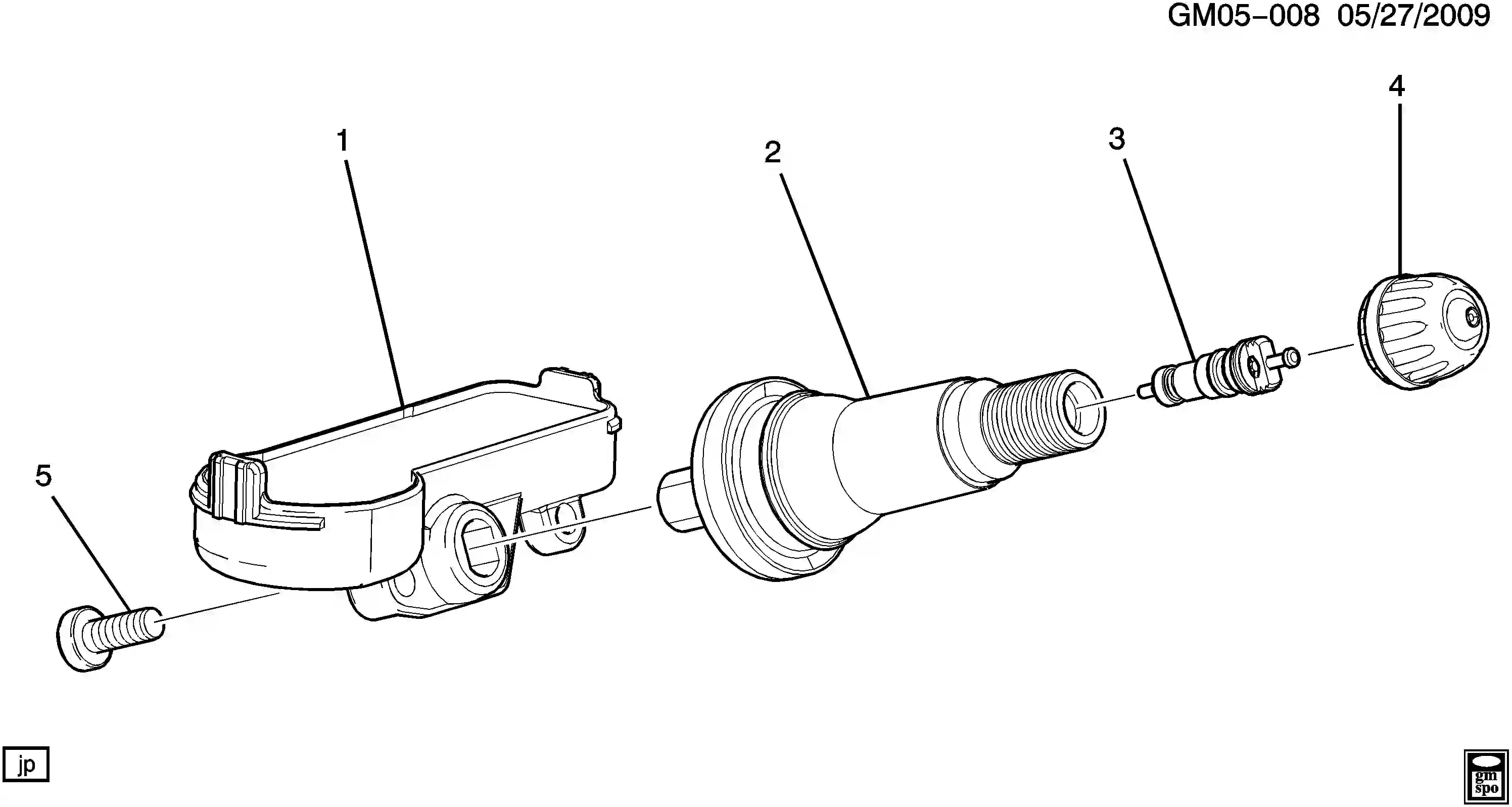
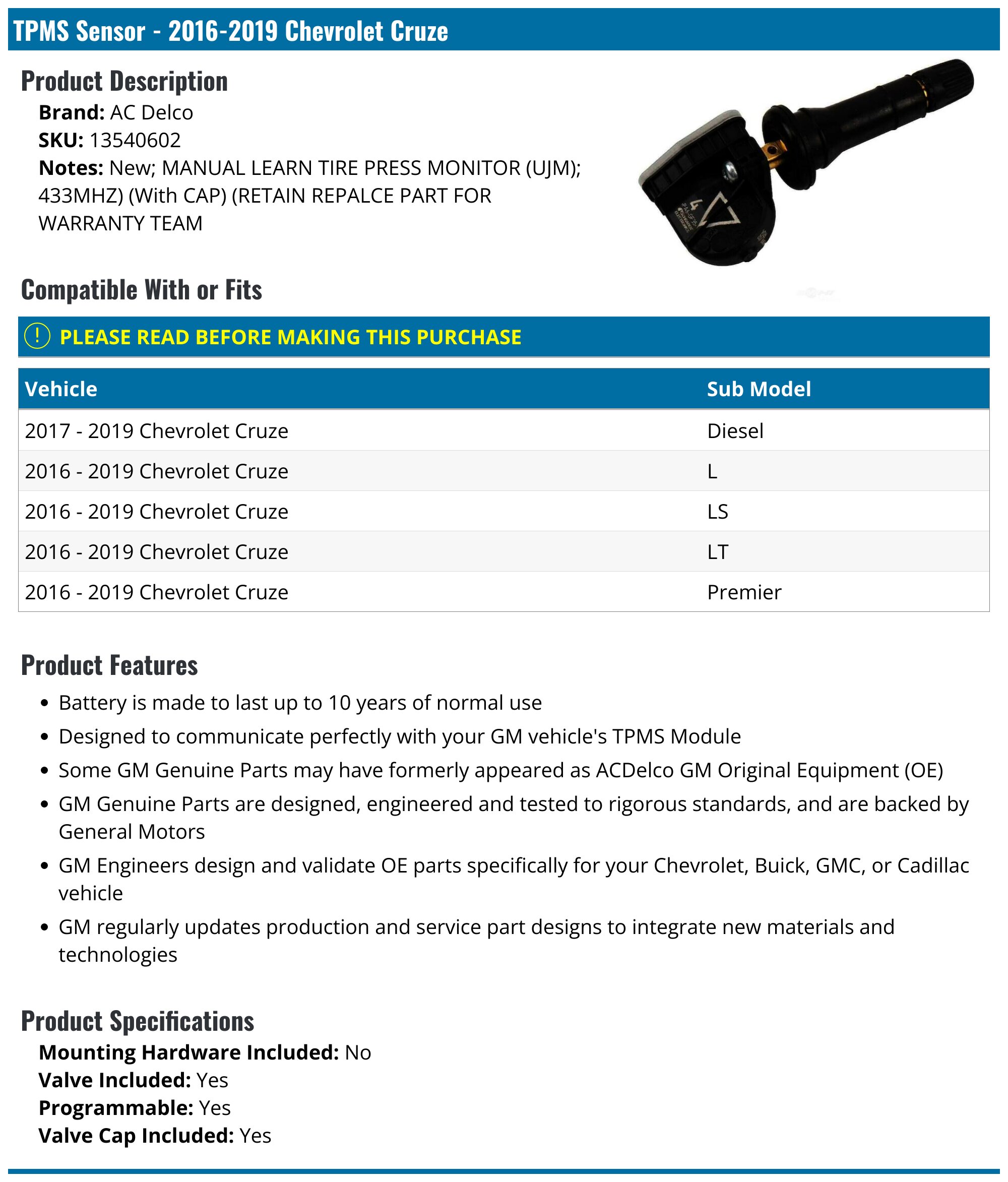
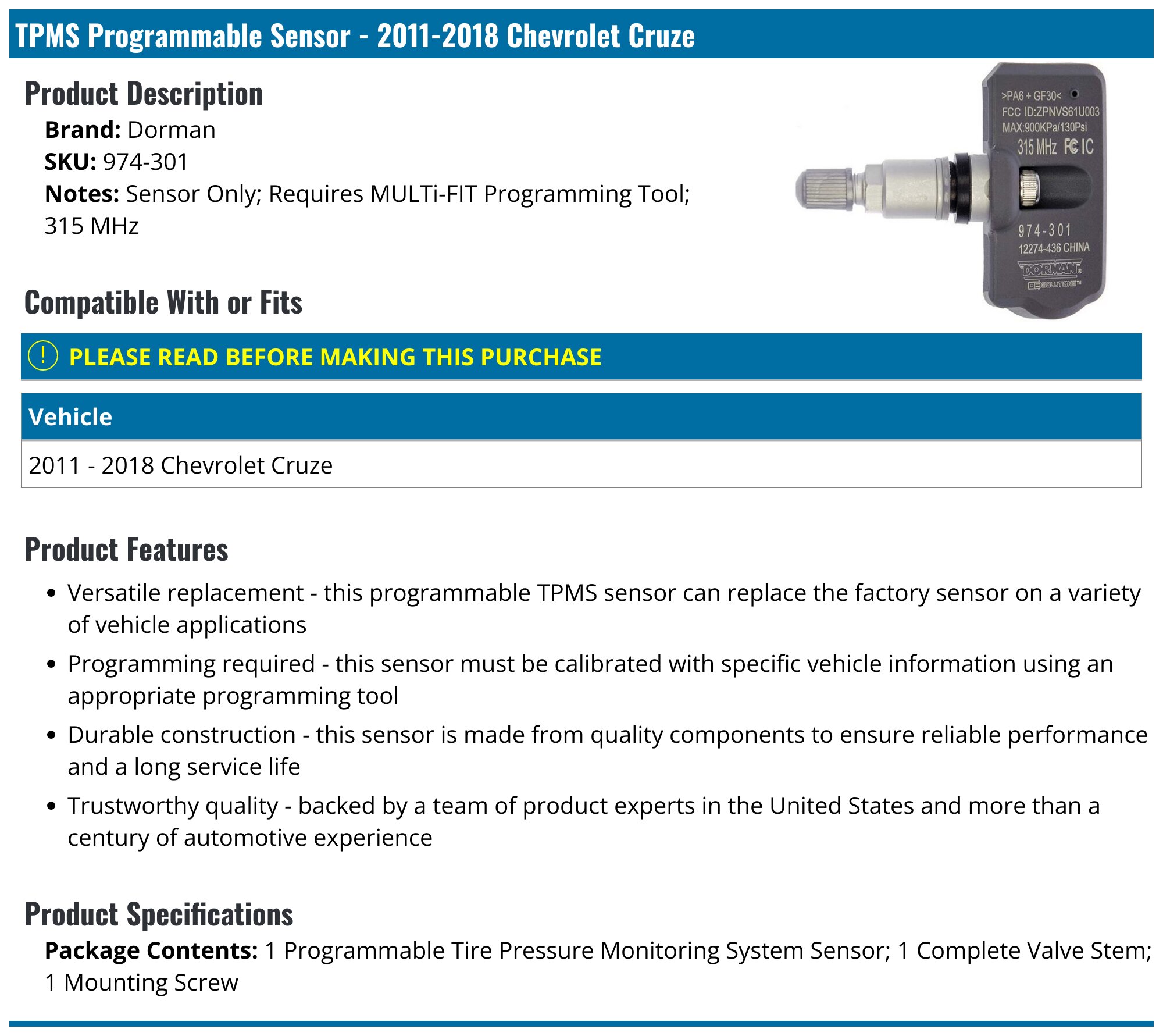
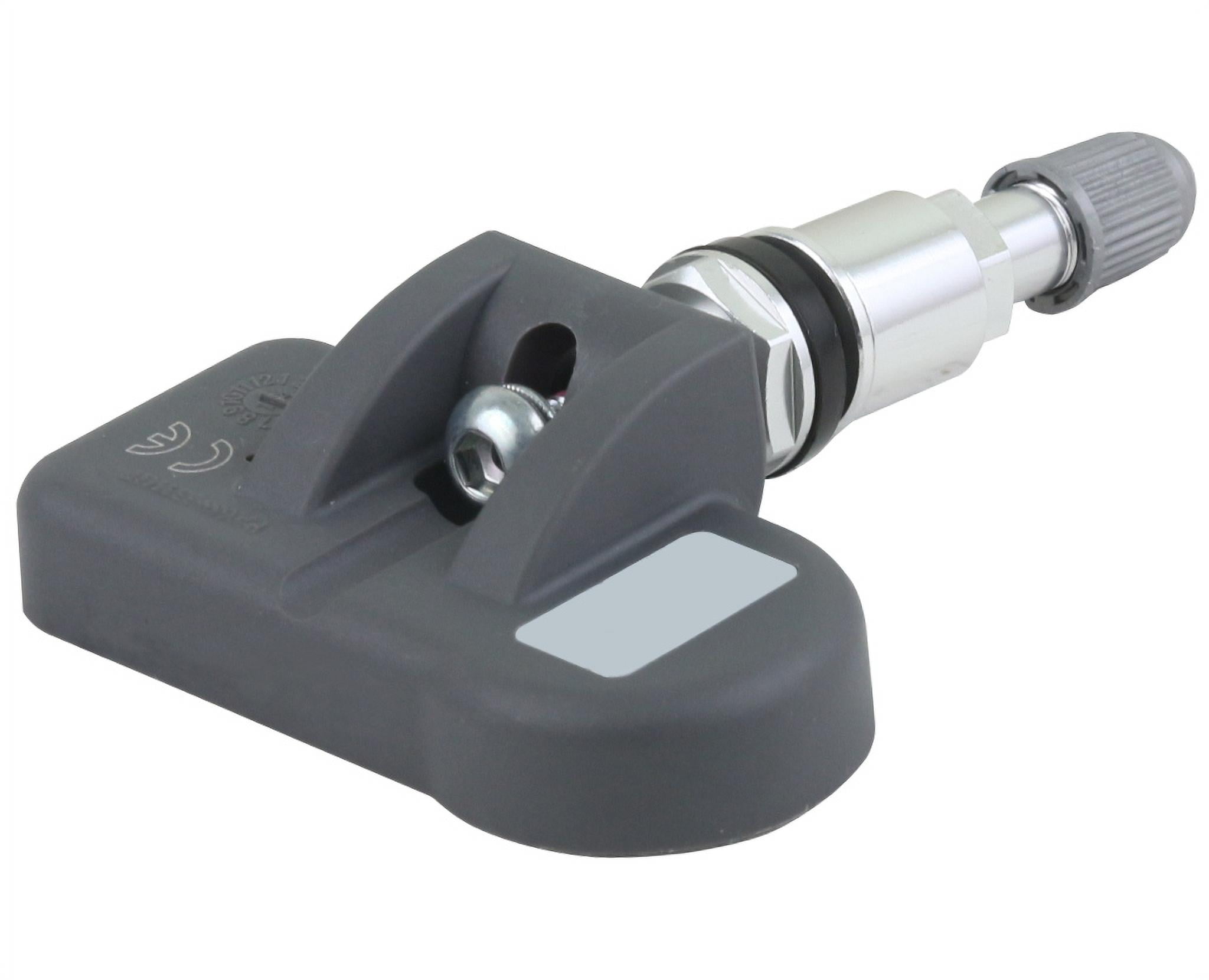
The 2016 Chevy Cruze is equipped with a direct TPMS, meaning there is a physical pressure sensor mounted inside each wheel as part of the valve stem assembly. These sensors transmit data wirelessly to the vehicle's computer.
Interpreting the TPMS Light
- Solid Light: One or more of your tires is at least 25% under-inflated. You should pull over and check all four tires as soon as possible.
- Flashing Light (for 60-90 seconds, then solid): This indicates a fault in the TPMS system itself, not necessarily a low tire. Since 2016 Cruze sensors are now a decade old, the internal batteries in these sensors are likely reaching the end of their life. Most TPMS sensors have a battery life of 7 to 10 years.
How to Reset the TPMS Light
On the 2016 Chevy Cruze, the TPMS light usually resets itself automatically after you have inflated the tires to the correct 35 PSI and driven the vehicle above 12 mph (20 km/h) for several minutes.
However, if you have rotated your tires or replaced a sensor, you may need to perform a TPMS Relearn Procedure. This "teals" the car's computer which sensor is at which corner of the car (Front-Left, Front-Right, etc.).
Manual Relearn Steps (for 2016 models with DIC):
- Set the parking brake. Turn the ignition to ON/RUN (engine off).
- Use the MENU button on the turn signal lever to find the "Tire Pressure" display on the Driver Information Center (DIC).
- Press and hold the SET/CLR button on the end of the lever. The horn will chirp twice, and the DIC will display "Tire Learning Active."
- Starting with the driver-side front tire, you must increase or decrease the pressure until the horn chirps once. (Using a dedicated TPMS activation tool is the professional way to do this without changing air pressure).
- Proceed in a clockwise order: Passenger Front, Passenger Rear, and finally Driver Rear.
- After the final tire, the horn will chirp twice to signal the process is complete.
- Turn the ignition OFF and adjust all tires back to exactly 35 PSI.
Troubleshooting Common Issues
Slow Leaks and Corrosion
In older 2016 models, slow leaks are often caused by corrosion around the rim flange where the tire bead seats against the metal. Road salt and moisture can cause the aluminum to oxidize. If your tire loses 2-3 PSI per week but you find no nails or punctures, a tire shop may need to "bead seal" the rim.
Valve Stem Failures
Because the TPMS sensor is integrated into the valve stem, the rubber grommets and the aluminum nut holding the sensor in place can degrade. During a tire change, it is standard practice in 2026 to "service" the TPMS by replacing the seals and the valve core, even if the sensor battery is still functional.
Nitrogen vs. Compressed Air
Some dealerships and tire shops offer nitrogen inflation. Nitrogen molecules are larger than oxygen molecules, meaning they permeate through tire rubber more slowly, resulting in more stable pressures over time. While nitrogen is beneficial, it is not a requirement for the 2016 Cruze. Regular compressed air (which is already 78% nitrogen) is perfectly adequate as long as you check your pressures monthly.
Frequently Asked Questions
What is the correct tire pressure for a 2016 Chevy Cruze with 18-inch wheels?
Even with the larger 18-inch wheels found on the Premier trim or RS package, the recommended cold tire pressure remains 35 PSI. The lower profile of the 18-inch tire makes it even more susceptible to rim damage if under-inflated, so regular checks are vital.
Why did my tire pressure light come on when the tires look full?
The 2016 Cruze TPMS is very sensitive. A tire can be 5-7 PSI low—enough to trigger the light—without looking visually "flat" to the naked eye. Radial tires can hide low pressure effectively due to their sidewall construction. Always trust a gauge over a visual inspection.
Can I drive with the TPMS light flashing?
If the light is flashing, the system is not monitoring your tire pressure. While the car is physically drivable, you are essentially driving without a safety net. You should check your pressures manually with a gauge until you can have the sensors diagnosed. At this age, a dead sensor battery is the most likely culprit.
Should I change the tire pressure for winter driving?
No, you should stick to the 35 PSI recommendation. Some people believe lowering tire pressure provides better traction in snow, but in a passenger car like the Cruze, this actually reduces the tire's ability to "bite" through the snow to the pavement. It also risks the tire bead unseating if you hit a pothole.
Does the 2016 Chevy Cruze have a full-size spare?
No, most 2016 Cruze models come with a compact "donut" spare tire. The tire pressure for this spare is significantly higher than the standard tires, usually requiring 60 PSI. Using the spare at 35 PSI is dangerous and can lead to tire failure.
Final Recommendations for 2016 Cruze Owners
To ensure the safety and longevity of your 2016 Chevy Cruze in 2026, adopt a "once-a-month" habit of checking your tire pressures. Invest in a high-quality digital gauge rather than relying on the often-inaccurate stick gauges found at gas stations.
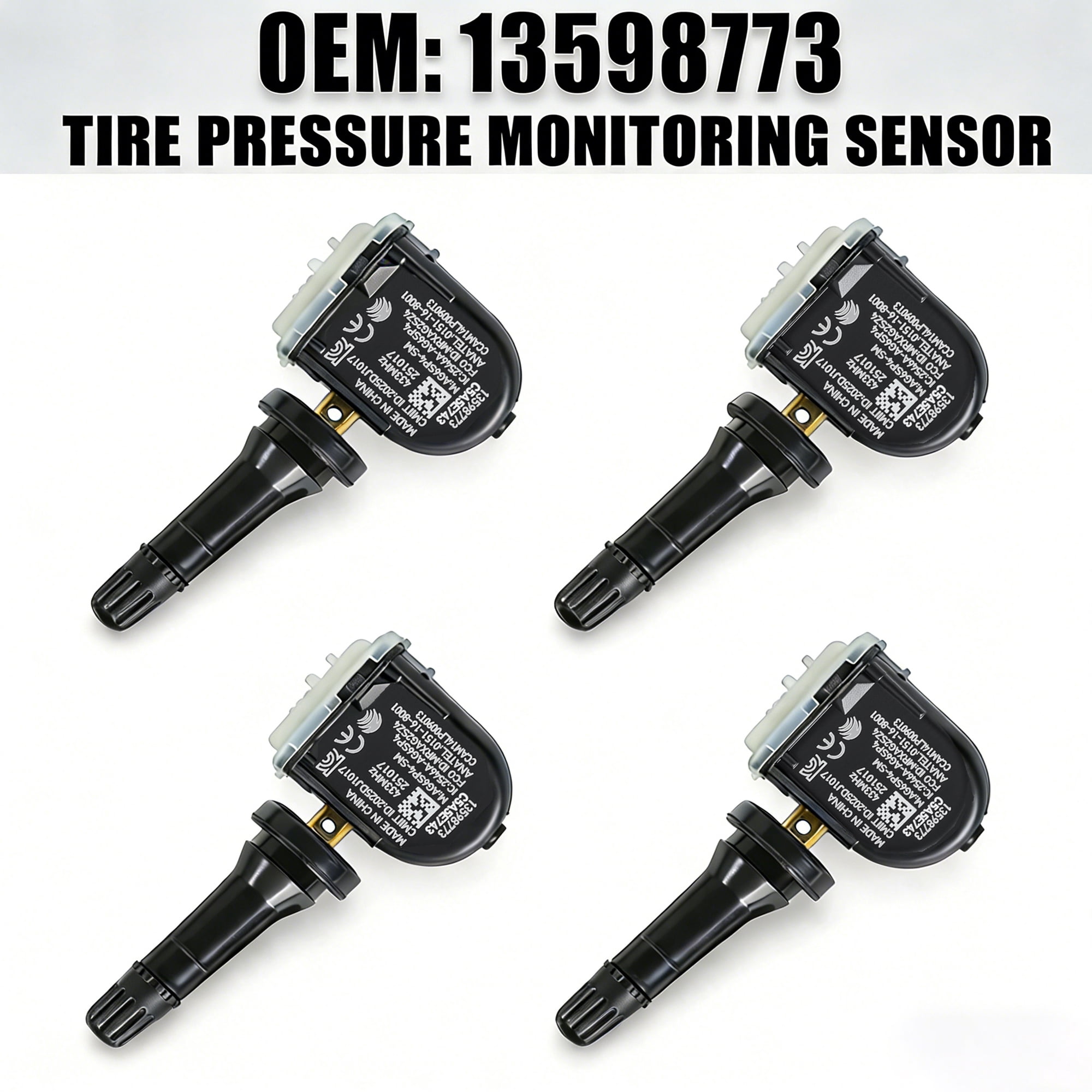
If you are replacing tires, consider the age of your TPMS sensors. If they are the original sensors from 2016, they are now ten years old. It is highly cost-effective to replace all four sensors at the same time you buy a new set of tires, as the labor to install them is usually included or discounted during the mounting and balancing process. This prevents the frustration of a sensor battery dying shortly after you've installed new rubber.