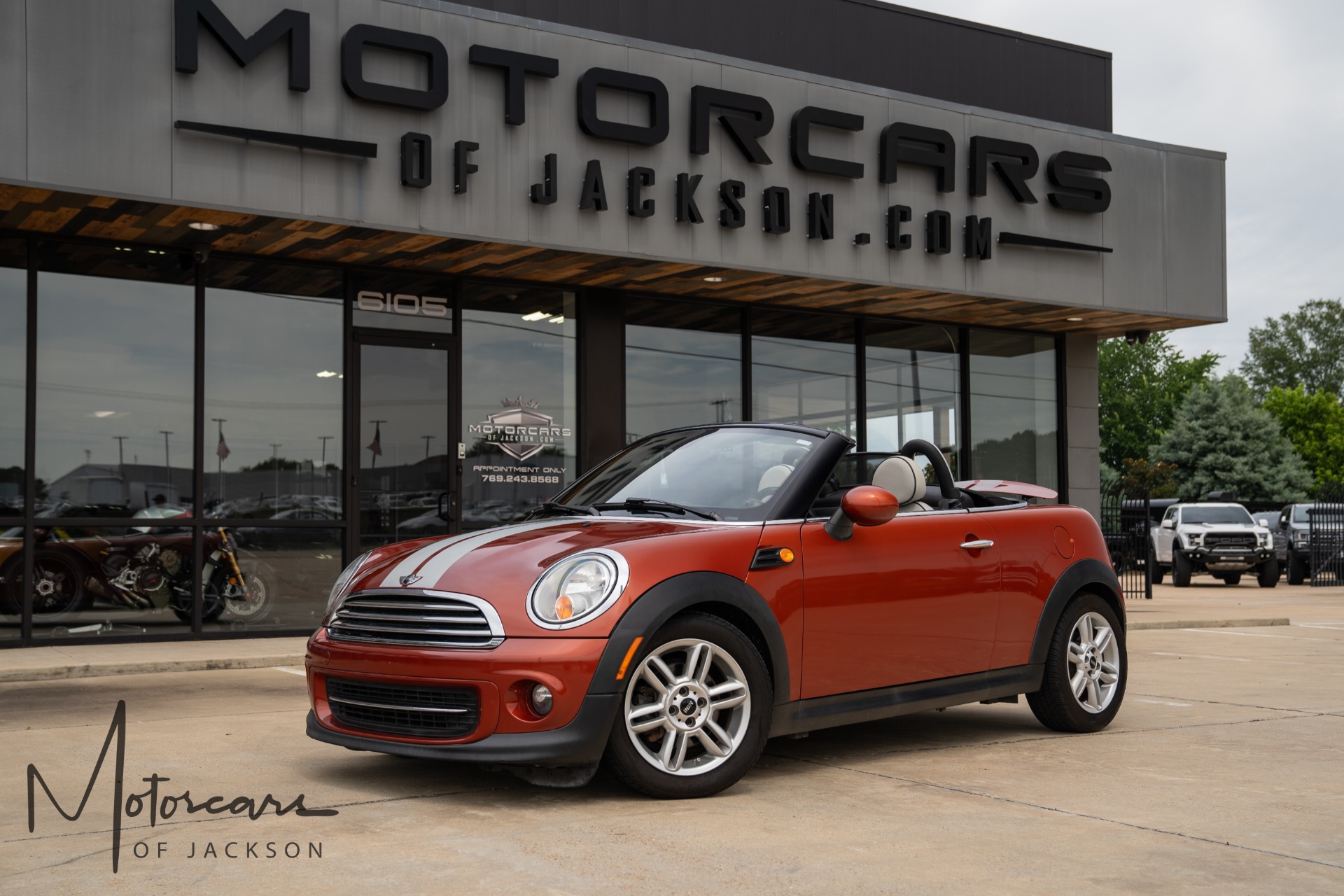
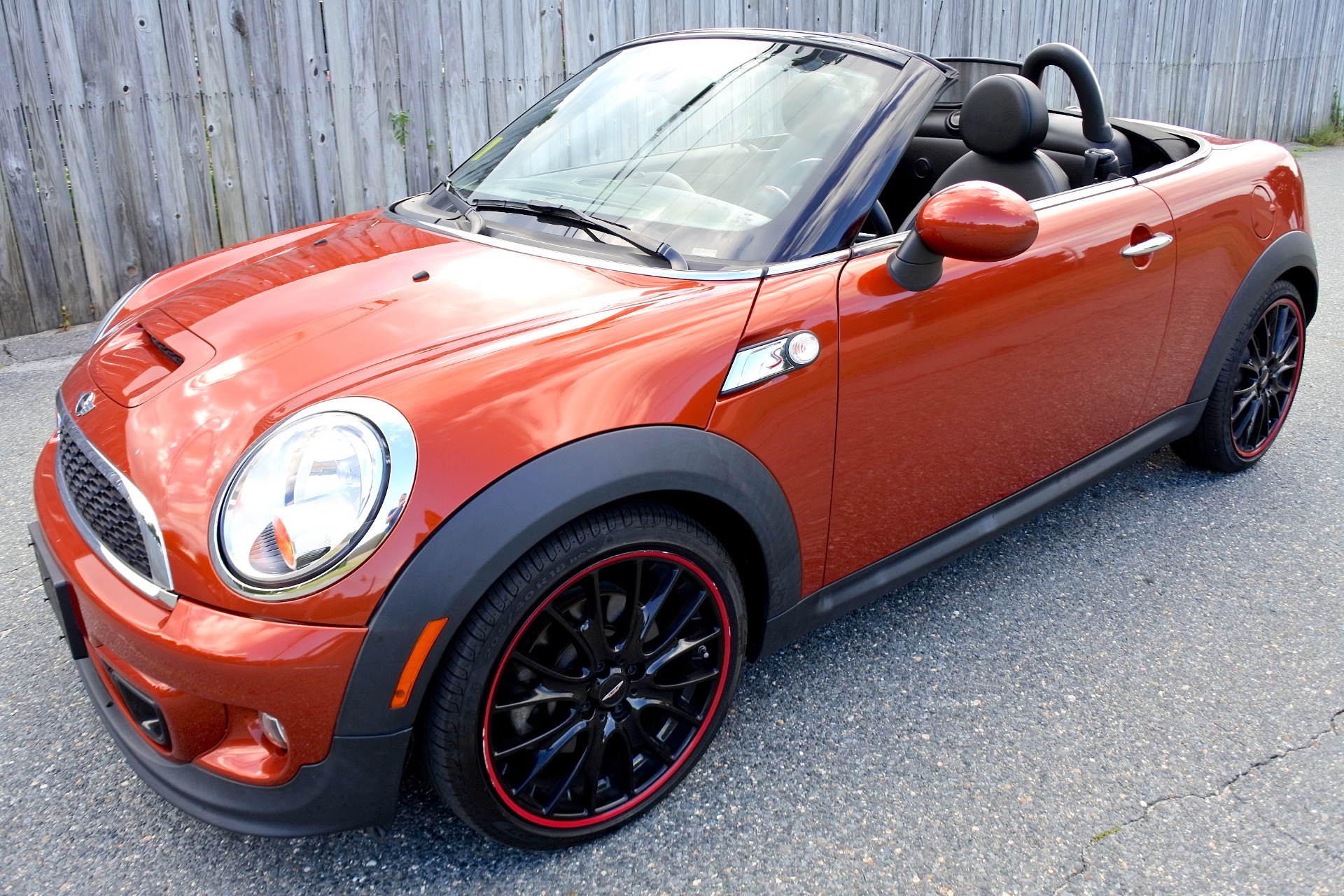
The 2014 MINI Cooper Roadster is a unique, two-seat open-top sports car that blends signature British-heritage styling, go-kart handling, and a manual fabric soft top. It offers three distinct power outputs across the Cooper, Cooper S, and John Cooper Works trims, appealing directly to driving enthusiasts seeking a responsive, design-forward convertible.
Introduction to the 2014 MINI Cooper Roadster
The 2014 MINI Cooper Roadster occupies a distinct niche in the automotive landscape. As the two-seater counterpart to the conventional MINI Convertible (which offers four seats), the Roadster was engineered for drivers prioritizing agile handling, wind-in-the-hair dynamics, and striking visual proportions over rear-passenger utility.
Within the 2014 lineup, the Roadster maintained the second-generation (R59) platform design, just as the hardtop models began transitioning to the third-generation layout. This separation means the Roadster retains a more raw, mechanically direct driving character closely linked to classic MINI driving dynamics. Potential buyers, collectors, and enthusiasts must evaluate the vehicle based on its powertrain options, chassis tuning, packaging constraints, and long-term maintenance realities.
Understanding the Lineup: Trims and Powertrains
The 2014 MINI Cooper Roadster was offered in three primary performance tiers in the United States and global markets. Each tier utilizes a version of the Prince engine family, developed jointly by BMW and PSA Peugeot Citroën, featuring variable valve timing and turbocharging on S and JCW variants.
1. MINI Cooper Roadster (Base)
- Engine: 1.6-liter naturally aspirated inline-four
- Horsepower: 121 hp at 6,000 rpm
- Torque: 114 lb-ft at 4,250 rpm
- Transmission: 6-speed manual or 6-speed automatic
- Target Audience: Drivers prioritizing fuel efficiency, iconic exterior styling, and everyday drivability over straight-line speed.
2. MINI Cooper S Roadster
- Engine: 1.6-liter turbocharged inline-four (TwinPower Turbo)
- Horsepower: 181 hp at 5,500 rpm
- Torque: 177 lb-ft from 1,600 to 5,000 rpm (with an overboost function pushing torque to 192 lb-ft)
- Transmission: 6-speed manual or 6-speed automatic with paddle shifters
- Target Audience: Enthusiasts looking for a balance of swift acceleration, punchy mid-range torque, and engaging twisty-road performance.
3. MINI Cooper John Cooper Works (JCW) Roadster
- Engine: High-output 1.6-liter turbocharged inline-four
- Horsepower: 208 hp at 6,000 rpm
- Torque: 192 lb-ft from 1,850 to 5,600 rpm (207 lb-ft with overboost)
- Transmission: 6-speed manual (automatic was available in later production runs)
- Target Audience: Hardcore track-day participants and purists seeking maximum factory performance, sharper exhaust notes, and upgraded aerodynamic and braking components.
Technical Specifications and Performance Comparison
Evaluating the mechanical footprint of the 2014 MINI Cooper Roadster requires looking at weight distribution, suspension setup, and structural reinforcements. Because removing a fixed roof compromises chassis rigidity, MINI added structural bracing underneath the floorpan and behind the seats to maintain torsional stiffness.
| Feature / Specification | Cooper Roadster (Base) | Cooper S Roadster | John Cooper Works Roadster |
|---|---|---|---|
| Induction | Naturally Aspirated | Twin-Scroll Turbocharged | High-Output Twin-Scroll Turbocharged |
| 0–60 mph (Manual, est.) | ~8.7 seconds | ~6.7 seconds | ~6.3 seconds |
| Top Speed | 124 mph | 141 mph | 147 mph |
| Curb Weight (Manual) | ~2,612 lbs | ~2,745 lbs | ~2,778 lbs |
| Brakes | Standard ventilated front discs | Larger ventilated front discs | Brembo 4-piston front calipers |
| Standard Wheel Size | 15-inch alloy | 16-inch alloy | 17-inch alloy |
Exterior Design and Aerodynamics
The Roadster's visual identity is defined by its raked windshield, which sits 13 degrees more steeply reclined than the standard convertible, and its distinct three-box profile. This lowered roofline creates a classic speedster silhouette.
The Soft Top Mechanism
Unlike modern folding hardtops or fully automated fabric roofs, the standard top on the 2014 MINI Roadster is a manual operation designed to save weight and mechanical complexity.
- Twist the central latch located above the rearview mirror to release the header bow.
- Push the canvas top backward manually until it folds flush into the rear deck behind the cabin.
- An optional semi-automatic top was available on select markets, which electronically unlatched the roof before requiring the driver to push it down manually.
An active rear spoiler deploys automatically at speeds above 50 mph (80 km/h) to generate rear downforce and retracts when speeds drop below 31 mph (50 km/h), though the driver can also control it via a toggle switch on the center console.
Interior Packaging, Comfort, and Cargo
Interior space in the Roadster is strictly optimized for two occupants. Headroom with the top up is surprisingly adequate for average-height drivers due to the scooped-out headliner design, though taller drivers may find their hair brushing the fabric.
Ergonomics and Infotainment
- Center Speedometer: The iconic, oversized central speedometer houses the optional MINI Connected infotainment display, visual radio, and navigation controls.
- Toggle Switches: Aviation-style metal toggle switches control power windows, dynamic stability control (DSC), fog lights, and door locks.
- Seating: Standard leatherette upholstery was common, with optional sport seats providing aggressive lateral bolstering necessary for high-lateral-G cornering.
Trunk Space
Remarkably, despite losing its back seats, the Roadster offers a separate, enclosed trunk providing 8.5 cubic feet of cargo capacity. A pass-through door connects the cabin to the trunk, allowing long, narrow items like skis or umbrellas to be loaded safely.
Driving Dynamics and Handling Characteristics
The primary engineering objective of the MINI Roadster is driver engagement. The multi-link rear suspension and stiff MacPherson strut front setup deliver immediate turn-in response. Steering is electrically assisted with Servotronic speed-sensitive weighting, giving it a heavy, direct feel reminiscent of hydraulic steering systems.
- Body Roll: Due to the added subframe bracing, body roll is tightly controlled, keeping the car flat through sweeping bends.
- Ride Quality: The trade-off for razor-sharp handling is a firm ride quality. Rough urban asphalt and potholes transmit directly into the cabin, especially on models equipped with the Sport Suspension package or 17/18-inch run-flat tires.
Common Maintenance Items and Reliability Considerations
Owners and prospective buyers of the 2014 MINI Cooper Roadster should be aware of several recurring mechanical issues associated with the N12/N14/N16/N18 engine families utilized during this era:
- High-Pressure Fuel Pump (HPFP): Cooper S and JCW models can experience HPFP failure, resulting in extended crank times, sputtering under acceleration, or a "Drivetrain Malfunction" warning light.
- Timing Chain Guides: Early Prince engines experienced plastic timing chain guide wear. While the N18 engine in the 2014 models featured revised, more durable components, oil level monitoring remains crucial to prevent premature stretch and guide failure.
- Carbon Buildup: Direct injection prevents fuel from washing over the intake valves, leading to carbon deposits over time that require walnut-blasting cleaning every 60,000 to 80,000 miles.
- Thermostat Housing Leaks: Plastic coolant crossover pipes and thermostat housings are prone to cracking and leaking coolant, requiring regular inspection of coolant levels.
Frequently Asked Questions
Is the 2014 MINI Cooper Roadster a reliable car?
The 2014 model year represents the final year of the R59 generation, meaning MINI had resolved many of the severe timing chain issues plaguing earlier N14 engines. However, these vehicles require diligent preventative maintenance, premium fuel, and frequent oil changes to remain mechanically sound.
How does the Roadster differ from the standard MINI Convertible?
The Roadster features a two-seat configuration, a lower and more steeply raked windshield, a manually operated fabric top, and a separate trunk compartment. The standard convertible accommodates four passengers, has a more upright windshield, and features a trunk-lid drop-down loading bay with a fold-down rear bench.
Can you drive the MINI Cooper Roadster in winter?
Yes, the fabric top is insulated and holds up well against cold weather and snow, provided it is kept clean and treated with waterproofing fabric guards. However, low ground clearance and rear-wheel-drive-like snappy lift-off oversteer tendencies mean winter tires are mandatory for safe cold-weather operation.
What fuel octane is required for turbocharged models?
The Cooper S and John Cooper Works models explicitly require premium unleaded gasoline (91 AKI / 95 RON or higher) to prevent engine knocking and ensure optimal turbocharger performance and ignition timing.
Does the Roadster have roll-over protection?
Yes, fixed stainless steel roll-over hoops are integrated directly behind both seats, designed in conjunction with reinforced windshield framing to protect occupants in the event of a rollover collision.
Conclusion and Buying Recommendation
The 2014 MINI Cooper Roadster is a compelling choice for enthusiasts seeking a distinctive, engaging, and nimble weekend cruiser. While it sacrifices the daily practicality of a four-seat hatchback or standard convertible, it rewards the driver with sharp handling, distinctive retro-modern styling, and open-air thrills. Prospective buyers should prioritize models with documented service histories, inspect for oil or coolant leaks, and choose the Cooper S or JCW trims if highway passing power and turbocharged acceleration are primary requirements.